
All posts by Sumana Rao

Don't worry about the people in your past; There's a reason they didn't make it to your future.
Healthy heart, happy mom

Healthy Heart, Happy Mom

If mom is healthy, entire family will be happy and healthy.  This Mother’s Day one gift you can give your mom is keeping her heart healthy and safe.

There is a growing concern about the increase in heart conditions and heart attack in women. A heart attack in woman is different from the “classic” heart attack. Understanding and educating about the heart attack symptoms may help you and your mom.

Heart attack in medical terms known as “Myocardial infarction” When most people think of heart attacks, they picture sudden and traumatic chest pain. A heart attack doesn’t always look like the typical movie type heart attack, and you might need to be aware of symptoms that are more common for woman. Heart attack symptoms can be mild and have different symptoms.

What are the common symptoms of heart attack in woman?

Women often ignore their heart attack symptoms. Extreme chest pressure is one of this symptom.

  • The most common symptom remains chest pain or discomfort in the chest
  • Squeezing feeling in the chest that lasts for long or it may go away and come back.
  • Even though, there is no work, suddenly short of breath, or sweat can happen: Difficulty to communicate orally due to inability to catch oxygen. This is one of the most common early heart attack signs in women.
  • Increase in fatigues during a normal day and not sleeping at night: More than 70 percent of women suffer from extreme fatigue before a heart attack. Flu-like exhaustion is also experienced by women. This fatigue is different from chronic fatigue that is caused by hormonal imbalance.
  • Not sleeping at night and disturbance in sleep: A study conducted by Cardiovascular experts states that almost half of women who had a heart attack experienced sleep disturbances beforehand.
  • Increase in neck, back and jaw pain which worsens after working out along with pain in arms: Women may not feel numbness in chest but may feel tightness running along their jaw and going down the neck.
  • In women pain in arms can happen in one or both arms.
  • Unusual nausea or vomiting – this is red flag.

Do you know? Most common reason for heart attack in women is anxiety, stress and pressure.  In fact, anxiety is also sign of sign of heart attack in women, more than 30% of women get this symptom.

 How you can help your mom to stay healthy?

  • Active life style: Encourage her to go for walks around the park. Let her socialize, go out with friends for walk, yoga, gym, cycling or dance class. Once a while accompany her to these classes and boost her confidence.
  • Help her to lower stress level: Talk to her as a friend and listen to her. Give her suggestions and take her mind out of worries. Teach her meditation or join her in prayers and meditation.
  • Sleep is essential: Help mom with house work as much as possible. Encourage her to take a nap for at least half an hour in the afternoon. If she is working mom, help her in her morning house work and take part in dinner preparation. This will help her to relax and go to bed easily. Getting more than 7 hours’ night sleep reduces heart attack risk!
  • Stop smoking: If you or your mom have smoking habit, stop it immediately. Smoking by itself increases risk of coronary artery diseases, blood pressure, blood clots.
  • Eat right and eat on time: Mom is not garbage! She should not be eating old, left over foods all the time. As mom takes care of entire family by providing healthy meal and food, it is your duty to make sure she eats healthy food too. Get her fresh fruits, healthy snacks. She will enjoy it.
  • Bring her smiles: Being social and with friends and loved ones reduces her loneliness. It takes away all worries and reduces pressure on mind and body.
  • Ask her to be hydrated: Encourage mom to drink more water. Keep a bottle of water for her in the bed room, living room and dining table. This will remind her to drink water through out the day. Tell her that body relies on water to keep electrolytes in balance.
  • Discussion about health: More importantly talk to your mother once a while about her health and diet. Share information about health and life style.

All the above symptoms, unfortunately are also reasons for many other conditions. However, it is your duty to explain this to your mother and take her for a checkup or talk to your family doctor. If your mom or loved ones are suffering from these symptoms call emergency and take them to nearby hospital.

 Reference: www.werindia.com

Image credit: Photo by Amy Shamblen on Unsplash


Author: Sumana Rao | Posted on: May 9, 2019
« »
« »

Recommended for you

Genital itchiness

Reasons and prevention of genital itchiness

Genital itching can happen to anybody and in either sex. Generally it is caused by allergies  and skin irritation. Diabetes, cancer are other conditions that can cause severe itching and visible rashes. In women vaginal infection and in men jock itch is common.

Itching in the genital region can result from a wide range of things, including:

  1. It can be due to allergic reactions to various microbes or chemicals or surgery
  2. Due to Bacterial vaginosis caused by bacteria
  3. Skin or tissue cancer in private parts
  4. Due to diabetes condition
  5. Certain chemicals present in detergents, fabric softeners, soaps, creams, ointments and lubricants, topical contraceptives, body wash, feminine sprays.
  6. Drop in estrogen hormone during menopause causes dryness and itchiness
  7. Sometimes parasites – public lice, crabs, that typically live in pubic hair can cause itchiness
  8. Contagious, extremely itchy skin disease caused by tiny mites known as scabies
  9. Genital herpes and trichomoniasis – sexually transmitting disease
  10. Psoriasis, atopic dermatitis and eczema – skin conditions
  11. Fungal skin infection like Tinea cruris (jack itch)
  12. Yeast infection in vagina, urinary infection
  13. Inflammation in tissues Vaginitis
  14. Shaving- When pubic hair grows back after a clean, smooth shave it causes problem of irritation and itchiness.
  15. Certain sanitary pads can lead to reaction and allergy

 Prevention:

  1. Do not wear synthetic or nylon underwear
  2. Do not wear tight fitting
  3. While using scented body sprays, soaps be careful. Do not apply scented soap around private parts. Don’t spray perfumes, deodorants, scented creams etc. Do not use scented toilet paper.
  4. Rinse well in shower to avoid leaving residues
  5. Allow skin to dry before wearing clothes, let there be no moisture.
  6. Wipe from front to back to prevent bacteria from the anus getting into the vagina after bowel or urination.
  7. Men should also wash private part well including are under the foreskin.
  8. Use unscented or mild laundry detergent to wash underwear.
  9. Do not wear wet clothes for longtime. Daily change your gym clothes and wash them.

Itching in private area can be painful, burning and lead to rashes all the time. Sometimes over the counter medicines will help.  If you feel that the condition is worsening, and does not go away in 2 weeks of time even after application of medicines, ointment, cream it is better to see doctor to avoid any serious complications.

References:

Image credit: Photo by Kishor on Unsplash (Free for commercial use)


Author: Sumana Rao | Posted on: May 8, 2019
« »
« »

Recommended for you

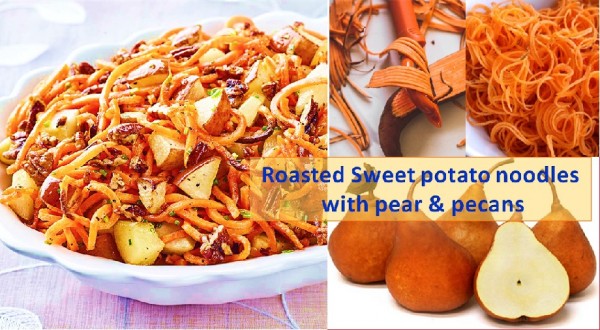
Roasted Sweet potato noodles with pear and pecan

Roasted Sweet potato noodles with pear and pecan

Sweet potato is one of the favorite root vegetables with kids. Sweet potato noodle is easy to prepare at home. Bake sweet potato noodle with pear, pecans and other easily available ingredients to get a tasty veggie noodle dish that kids love to have.

Ingredients:
1. Sweet potato noodles – 1 kg
2. Fresh cut pears – 2
3. Unsalted butter – 1 Tbsp
4. Pecans – ¾ cup
5. Lemon zest – 1 Tbsp
6. Chives – Chopped ¼ cup
7. Pepper powder – 2 tsp
8. Olive oil (preferred) – ¼ cup

Preparation:
1. Wash sweet potato and get ready with sweet potato noodles
2. Wash and cut pears to 1 inch pieces
3. Preheat oven 400 degrees.
4. In a large bowl toss sweet potato noodles, pears with salt and pepper and, spread the content evenly on parchment paper on baking sheet
5. Roast for about 20 mins. Halfway turn the veg mix. Let it turn lightly brown and tender
6. In a nonstick pan add butter and melt it. Now add pecans, stir until pecans releases aroma. Remove and keep aside.
7. In a large bowl mix sweet potato noodle, pecans, lemon zest, chives and toss to combine.
8. Season with little more salt and pepper and serve for lunch or dinner.

Reference;

www.wegmans.com


Author: Sumana Rao | Posted on:
« »
« »

Recommended for you

Rainbow fruits and vegetables

Include rainbow colors in summer diet

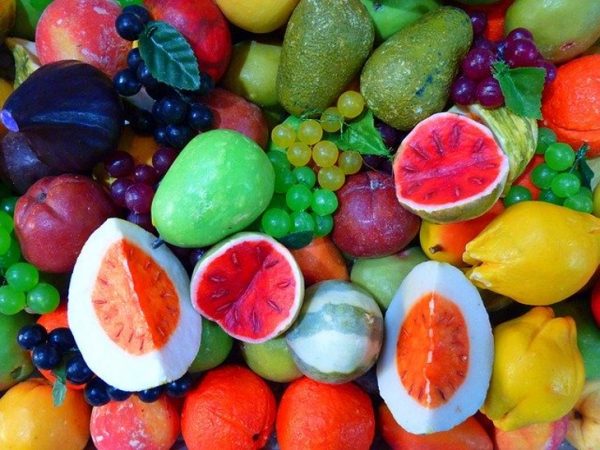
While shopping for veggies and fruits, balance your cart with these various colors. Eat two servings in the morning with breakfast, two in the night and two at lunch time. Daily consider having about six cups of colorful produce in different forms. Moreover, consider buying local produces and seasonal colorful produces. Prepare salad, soup, curry, mix with sprouted grains, prepare smoothie or just consider eating cut fruits, raw vegetables.

Phytonutrients are good for health and they represent in different colors in fruits and vegetables. Consider including varieties of colorful produces in your summer diet for following reasons.

Red: is rich in carotenoid lycopene. It destroys free radicals and helps in protecting heart and lungs from serious conditions. It is good for prostate health. Vitamin A and C, manganese and fibers are present in red colored produces. It is present in cranberries, tomatoes, cherries, apple, beet, black and red grapes, red pepper, raspberries, strawberries.

Green: Green fruits and veggies are rich in isocyanate, indoles, sulforaphane and inhibit carcinogens. Greens contain folate substances that aides in cell reproduction and lutein for improving eyesight. These substances are present in mustard family -broccoli, cabbage, cauliflower, kale, alfalfa sprouts, kiwi, spinach and other greens, green tea, herbs such as mint, basil, cilantro, rosemary etc.

White: Quercetin and kaempferoal are two antioxidants present in white produces. They have anti-cancer, anti-tumor properties. Present in cauliflower, leeks, turnips, mushroom, radish, white onions,

Orange: Orange contain alpha and beta carotene that helps in intracellular communication and good for circulatory system and  prevent heart disease. In addition they contain antioxidants that destroy disease promoting free radicals that keep our bones, eyes and immune system in order.  These are present in oranges, pineapple, mango, pumpkin, peach, yellow peppers, yellow squash, corn, sweet potato, carrots.

Purple, blue: Anthocyanins and proanthocyanins pigments are present in purple and blue fruits, vegetables. They are helpful in antiaging process, helps in blood circulation and cell regeneration. These are present in blueberries, blackberries, black grapes, eggplant, figs, purple cabbage etc.

Eating such varieties of colors that includes bright citrus fruits to leafy greens ensures we get variety of minerals and vitamins that our body demands for good health.

Image credit: Image by LoggaWiggler from Pixabay 


Author: Sumana Rao | Posted on:
« »
« »

Recommended for you

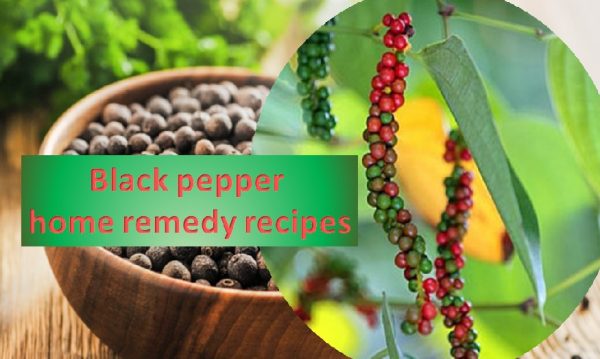
Black pepper remedies

Black pepper home remedy recipes

Black Pepper known as Piper nigrum is a well-known ingredient in Ayurvedic medicines. It contains active alkaloids that gives it spicy taste. In addition, it also contains Vitamin A, minerals and thiamine that makes it more valuable for different conditions and good home remedies. One of the reason black pepper is used in traditional cooking is to get all its benefits.

How to use black pepper for different conditions?

Controlling lice: Crush/powder 5-6 pepper, 5-6 sugar apple seed powder and mix with mustard oil. Before going to bed apply this mix on scalp. Leave it overnight, wash hair in the morning. This remedy also helps to reduce dandruff to certain extent.

Improve eyesight: Mix 1 tsp pepper powder in 1 cup yogurt and 1 Tbsp rock sugar and consume. This helps to reduce pressure on eye. Mix ½ tsp pepper with 1 Tbsp clarified butter and consume to get clear vision.

Toothache: If you don’t have time to see doctor, to reduce toothache-prepare paste of pepper and poppy seeds by adding little water. Mix the paste in a cup of water and rinse mouth few times a day. This reduces toothache.

Headache: Prepare fresh or dried black pepper paste and apply on forehead. This reduces normal headache as well as migraine headache.

For throat: To reduce irritation in throat, prepare pepper kashayam by adding following ingredients to 3 cups boiling water and milk – 2 tsp pepper powder, one-piece jaggery, 1 inch ginger, 1 tsp cumin powder. Sieve the content and drink liquid. This remedy is also good to bring down fever.

Mumps: Prepare pepper paste using water. Apply this on mump twice a day to bring down the swelling.

For intestinal worms: Mix 2 grams pepper powder to 2 cups buttermilk or sour yogurt an drink.

To reduce gas: To one cup warm water add 1 tsp pepper, 2 tsp lemon juice and drink twice a day.

Cough: Phlegm removal is important to reduce cough. Mix 2 tsp pepper powder in 2 Tbsp honey and 1 gm sugar or jaggery. Mix well and consume twice a day. This reduces cough.

Asthma: To reduce asthma, to boiling milk add 1 tsp pepper and drink. This reduces bronchial asthma.

For arthritis pain: Massage pepper oil on knee and other areas. This reduces arthritis pain.

Do not use black pepper more than recommended quantity to avoid burning sensation in stomach and during urination.


Author: Sumana Rao | Posted on: April 29, 2019
« »
« »

Recommended for you

Failure is success in progress

Failure is an opportunity

Most people are afraid of failure in life. Truth is everyone in their life faces failure. Failure should not stop us on focusing on our goals- because failure is an opportunity. There are many successful people in the world – do you know all these successful people have failed but never gave up after they faced hardship? Luck will not just fall on anybody’s lap. We need to create an environment and be ready to accept any type of challenge in the life. All successful people whom we see today would have gone through lots of struggle, failure and trying again and again to achieve their goal.  Stories of these people should inspire and motivate us when we face failure in life.

If you have never failed, you have never lived! Take failures that you will face with grace because you’ll learn more in a single failure than in a lifetime of success. There are lessons in all our faults that are attempting to take us to our ultimate vision. Get the idea going and trust the process.

Everything you try to achieve your goal gives you experience and knowledge. We always gain while we try hard to reach the result.  Failure is also part of your journey in the road to success. Never be afraid of failure. In fact, one should embrace failure and learn from it to move on in life. Success feels very sweet after many attempts!

What we learn by failures and attempts?

1. Great experience :

No matter how hard you try not to face failure, it will happen in life anytime. One should have no fear attitude toward failure. When failure happens don’t take it too seriously and do not be discouraged. Failure also has a value. Think that it is  lesson and experience and fight back to get in track. Success will follow in your next attempt(s). Failure makes us reconsider and find new methods to achieve your goals!

2. Understanding your capability:

To make the impossible possible one has to understand their inner capacity and capability. This is where failure helps. Failure makes us try hard, push ourselves out of our comfort zone to reach goal. It builds confidence by removing the fear. “One of the biggest secrets to success is operating inside your strength zone but outside of your comfort zone,” –  Ralph Heath

3. Failure makes you more successful and yet keeps you humble:

When the ego is in charge we won’t learn from the mistakes that we make. Failure humbles a person and helps in reevaluating a situation. Mind prepares automatically, for such situations in future and helps in avoid doing the same mistakes again. We will start listening to views of others who has more experience than us and the ego goes away. In order to be successful, we have to accept that we were wrong, evaluate, learn and move on. It polishes our character and gives us more success than we think.

4. Helps to grow in life:

After failure, everyone goes through emotional low. It is natural and inevitable. But how we respond to our failures determines the road to success. People who take failure personally and give up on goal will lose in life. People who take failure positively and think it is a small set back in life, will be like phoenix bird and raise from the situation to grow in life.

Failure helps in understanding what went wrong and what difficulty we may face in life.  Best way to learn the lesson and grow after a failure in life is to read inspiring life stories of people who are successful. To accomplish something in life, instead of giving up – find better ways to reach the goal.

5. Failure is good – why?

Because, failure is a redirection. It shows you where you shouldn’t be. Failure is an opportunity. It’s a chance to re-evaluate and come back stronger with better reasoning. Failure is not fatal. No matter how hard it may be know that failure simply means you get another shot to try it all again.

What we all need to remember is: failure simply means in positive way- there is something to be learned or another direction to be taken.  Each failure is simply a feedback of how to perfect the craft. Failure won’t kill anyone but fear to fail  may keep anyone from success.

.

Reference: Healthylife.werindia.com

Image credit: “Albert Einstein 1879 – 1955” by oneredsf1 is licensed under CC BY-NC-SA 2.0


Author: Sumana Rao | Posted on: April 28, 2019
« »
« »

Recommended for you

Cancer Diet

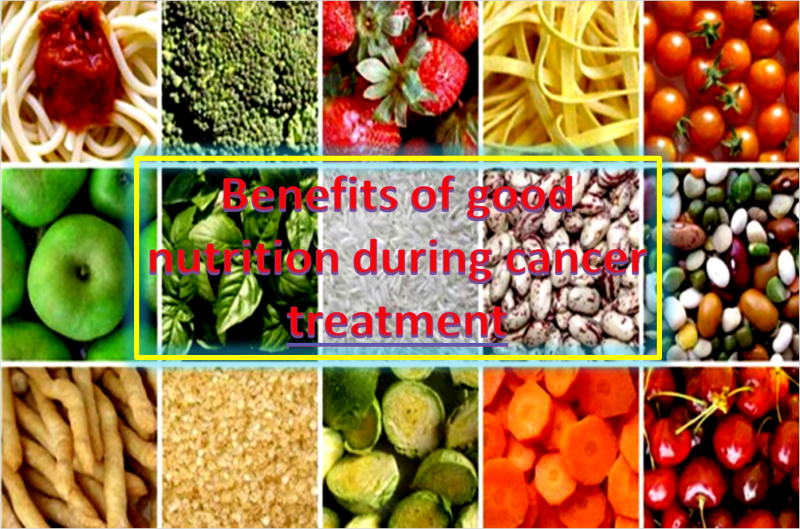
Good Nutrition During Cancer Treatment

Good nutrition is especially important if you have cancer because both the illness and its treatments can change the way you eat.  Cancer and  cancer treatments can also affect the way your body tolerates certain foods and uses nutrients.

The nutrient needs of people with cancer vary from person to person. Eating well while you’re being treated for cancer might help you to fight cancer in following ways:

  • Feel better.
  • Keep up your strength and energy.
  • Maintain your weight and your body’s store of nutrients.
  • Better tolerate treatment-related side effects.
  • Lower your risk of infection.
  • Heal and recover faster.

These nutrients include protein, carbohydrates, fat, water, vitamins, and minerals.

ProteinsWe need protein for growth, to repair body tissue, and to keep our immune systems healthy. When your body doesn’t get enough protein, it might break down muscle for the fuel it needs. This makes it take longer to recover from illness and can lower resistance to infection. People with cancer often need more protein than usual. After  surgery,  chemotherapy, or  radiation therapy, extra protein is usually needed to heal tissues and help fight infection.

Good sources of protein include: low-fat dairy products, nuts and nut butters, dried beans, peas and lentils, and soy foods (if you are a non-vegetarian please click on the link at the end of the article for recommendation).

Fats: Fats play an important role in nutrition. Fats and oils are made of fatty acids and serve as a rich source of energy for the body. The body breaks down fats and uses them to store energy, insulate body tissues, and transport some types of vitamins through the blood. You may have heard that some fats are better for you than others. When considering the effects of fats on your heart and cholesterol level, choose monounsaturated and polyunsaturated fats more often than saturated fats or trans fats.

  • Monounsaturated fats are found mainly in vegetable oils like olive, canola, and peanut oils.
  • Polyunsaturated fats are found mainly in vegetable oils like safflower, sunflower, corn, and flax seed. They are also the main fats found in seafood.

Saturated fats are mainly found in animal sources like meat and poultry, whole or reduced-fat milk, cheese, and butter. Some vegetable oils like coconut, palm kernel oil, and palm oil are saturated. Saturated fats can raise cholesterol and increase your risk for heart disease. Less than 10% of your calories should come from saturated fat. Trans-fatty acids are formed when vegetable oils are processed into solids, such as margarine or shortening. Sources of trans fats include snack foods and baked goods made with partially hydrogenated vegetable oil or vegetable shortening. Trans fats are also found naturally in some animal products, like dairy products. Trans fats can raise bad cholesterol and lower good cholesterol. Avoid trans fats as much as you can.

Carbohydrates: Carbohydrates (potato, spaghetti, pasta, rice etc) give the body the fuel it needs for physical activity and proper organ function. The best sources of carbohydrates – fruits, vegetables, and whole grains – also supply needed vitamins and minerals, fiber, and phytonutrients to the body’s cells. Whole grains or foods made from plants contain all the essential parts and naturally occurring nutrients of the entire grain seed. Whole grains are found in cereals, breads, and flours. Some whole grains, such as quinoa, brown rice, or barley, can be used as side dishes or part of an entrée. When choosing a whole-grain product, look for the words “whole grain,” “stone ground,” “whole ground,” “whole-wheat flour,” “whole-oat flour,” or “whole-rye flour.” Breads and other products labeled “100% whole wheat” don’t contain refined flour.

Fiber: is the part of plant foods that the body can’t digest. There are 2 types of fiber. Insoluble fiber helps to move food waste out of the body quickly, and soluble fiber binds with water in the stool to help keep stool soft.

Water: Water and liquids or fluids are vital to health. All body cells need water to function. If you don’t take in enough fluids or if you lose fluids through vomiting or diarrhea, you can become dehydrated.If this happens, the fluids and minerals that help keep your body working can become dangerously out of balance. . 8 ounce per day water is recommended but it might not be enough for your body. You may need extra fluids if you’re vomiting, have diarrhea, or even if you’re just not eating much. Keep in mind that all liquids (soups, milk, even ice cream and gelatin) count toward your fluid goals.

Vitamins and minerals: The body needs small amounts of vitamins and minerals to help it function properly. A person who eats a balanced diet with enough calories and protein usually gets plenty of vitamins and minerals. But it can be hard to eat a balanced diet when you’re being treated for cancer, especially if you have treatment side effects that last for a long time. In this case, your doctor or dietitian may suggest a daily multivitamin and mineral supplement. If your food intake has been limited for several weeks or months because of the effects of treatment, be sure to tell your doctor. You might need to be checked for vitamin or mineral deficiencies.

Most are found naturally in foods. They are also sold as supplements in pill and liquid form. They help the body use the energy (calories) found in foods. If you’re thinking of taking a vitamin or supplement, be sure to discuss this with your doctor first. Some people with cancer take large amounts of vitamins, minerals, and other dietary supplements to try to boost their immune system or even destroy cancer cells. But some of these substances can be harmful, especially when taken in large doses. In fact, large doses of some vitamins and minerals may make chemotherapy and radiation therapy less effective.

If your oncologist says it’s OK for you to take a vitamin during treatment, it may be best to choose a supplement with no more than 100% of the Daily Value (DV) of vitamins and minerals and one without iron (unless your doctor thinks you need iron).

Antioxidants: Antioxidants include vitamins A, C, and E; selenium and zinc; and some enzymes that absorb and attach to free radicals, preventing them from attacking normal cells.

If you want to take in more antioxidants, health experts recommend eating a variety of fruits and vegetables, which are good sources of antioxidants. Taking large doses of antioxidant supplements or vitamin-enhanced foods or liquids is usually not recommended while getting chemo or radiation therapy. Talk with your doctor to find out the best time to take antioxidant supplements.

Phytonutrients: Phytonutrients or phytochemicals are plant compounds like carotenoids, lycopene, resveratrol, and phytosterols that are thought to have health-protecting qualities. They’re found in plants such as fruits and vegetables, or things made from plants, like tofu or tea. Phytochemicals are best taken in by eating the foods that contain them rather than taking supplements or pills.

Herbs: Herbs have been used to treat disease for hundreds of years, with mixed results. Today, herbs are found in many products, like pills, liquid extracts, teas, and ointments. Many of these products are harmless and safe to use, but others can cause harmful side effects. Some may even interfere with proven cancer treatments, including chemo, radiation therapy, and recovery from surgery. If you’re interested in using products containing herbs, talk about it with your oncologist or nurse first.

Safety considerations: Many people believe that if they find a pill or supplement in stores, it’s safe and it works. The Food and Drug Administration (FDA) has rules to help ensure that supplements contain what their labels claim they do, but the supplement’s safety and its effects on the body are not addressed by any FDA rules. The FDA does not make manufacturers of these products print possible side effects on their labels. And the FDA can’t pull a dietary supplement or herbal product from the market unless they have proof that the product is unsafe.

Tell your cancer care team about any over-the-counter products or supplements you‘re using or are thinking about using. Take the bottle(s) to your doctor to talk about the dose and be sure that the ingredients do not interfere with your health or cancer treatments. Some other safety tips:

Ask your cancer care team for reliable information on dietary supplements.

Check the product labels for both the quantity and concentration of active ingredients in each product.

Stop taking the product and call your cancer care team right away, if you have side effects, like wheezing, itching, numbness, or tingling in your limbs.

Source reference: https://www.cancer.org


Author: Sumana Rao | Posted on: April 27, 2019
« »
« »

Recommended for you