All posts by Sumana Rao

Don't worry about the people in your past; There's a reason they didn't make it to your future.
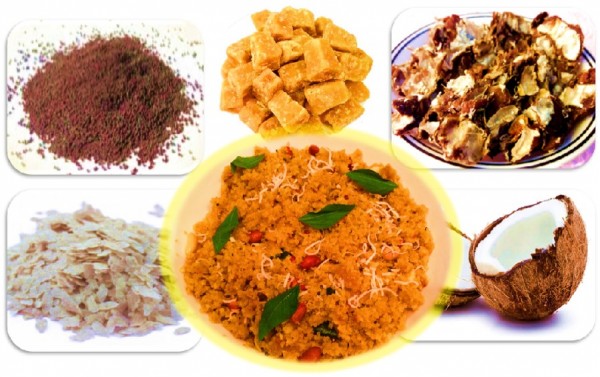
Masala Mustard Beaten rice

Masala Mustard Beaten rice

A quick, easy to prepare breakfast or evening snack recipe masala mustard beaten rice or commonly known as mustard poha. It provides less calories and tastes good too!

This is another traditional recipe of masala poha (beaten rice) from Karnataka, South India where it is known as ‘saasive avalakki’

Ingredients

  1. Beaten rice – 3 cups
  2. Red chillies – 4
  3. Mustard – 1 tsp
  4. Grated coconut -1/4 cup
  5. Tamarind – 2 inch (soak and extract juice)
  6. Asafetida – pinch
  7. For seasoning – chenna dal, urad dal ½ tsp each
  8. Peanuts – 2 Tbsp
  9. Curry leaves – few
  10. Salt – as per taste
  11. Cilantro – ¼ cup
  12. Turmeric – 1 tsp
  13. Coconut oil – 1 Tbsp
  14. Sugar or jaggery – little

Method:

  1. Soak beaten rice (if it is thick) for few minutes, wash and strain
  2. Grind mustard with red chillis, add asafetida, and coconut.
  3. Heat oil on medium heat and add mustard, chena and urad daal followed by peanut. Fry to golden brown
  4. Add curry leaves, grinded masala, turmeric powder, salt, little sugar and tamarind juice and mix well until the oil leaves the mix.
  5. Add soaked beaten rice and mix well. Cover lid and keep it on low flame for couple of more minutes.
  6. Turn off heat source, add coconut oil, chopped cilantro an mix well.
  7. Sprinkle chopped cilantro and serve hot mustard beaten rice with yogurt.


Author: Sumana Rao | Posted on: May 17, 2019
« »
« »

Recommended for you

No More misleading words on food packages

No More misleading words on food packages

No more lies from food companies and no more misleading words on food packages! FSSAI prohibits use of terms like natural, authentic, traditional, and pure from packaged foods.

To protect consumers from food companies that are trying to sell their food products by stating natural or traditional or any such words FSSAI has acted in India. It is introducing new regulations by banning food companies from using words such as original, authentic, genuine, real, fresh, natural, traditional, and pure on the food labels.

Exception for this rule is washed, peeled, chilled, trimmed, or other processing stages that alter basic characteristics of the packed food. This new regulation is coming in effect soon.

Food companies to make profit, have been using such terms which attracts consumers. Branded companies are no exception for this. The new regulation also controls the several such claims that food companies can make in their promotions or advertisements. In addition to these words nutrition claims, non-addition claims, sugars, and sodium salts, claims about dietary guidelines, diet, health claims of the products are under surveillance of FSSAI. The new regulation also bans use of words like home-made, home cooked as it might give a mistaken impression to the consumer. The food pack label must specific quantities of ingredients salt, sugar, and vitamins to back any claims for products that are said to be high or low with any of these ingredients.

“As per the new regulations claims made in the advertisements will be consistent with information provided on the label. Also, the label should have words implying the food is recommended, prescribed or approved by any doctors or for medical purpose”!

“Every food business operator and marketer while advertising and publishing or disseminating marketing communication meant for promotion or sale of any article of food including labelling claims shall comply” FSSAI. These rules are primarily aimed at restricting an open-ended use of these words and phrases by food businesses on frivolous grounds as per FSSAI communication to press.

According FSSAI, companies using synonyms of these terms or words will have to give a clear disclaimer not less than 3 mm size need to be printed stating “this is only a brand name or trade mark and does not represent its true nature”.  In addition, the guidelines will prohibit food companies from comparative marketing and advertisement. Food companies will not be allowed to make claims undermining the products of competitors as to promote their own products to influence consumers to buy product. Companies will have penalized if they mislead consumers. Penalty for misleading advertisements is up to INR 1mn! (about US $14,000)

Some Indian food manufacturers are not happy about the rule that is going to be effective from July 1st of next year. One of the reason is “the area on the label is not sufficient for all these kind of declarations” FSSAI press release states that  “FSSAI has invited suggestions and objections from stakeholders within 30 days from the publication of the draft regulations. These regulations, after consideration of stakeholder comments and finalization, will come into force on the date of their final publication in the Gazette on India”.

FSSAI is becoming strict in recent years to protect consumers and implementing such rules for the safety of public health. With new rule, food companies will have to make claims based on available scientific information and international best practices.

References:


Author: Sumana Rao | Posted on: May 14, 2019
« »
« »

Recommended for you

Anorexia in children

Is your child suffering from Anorexia

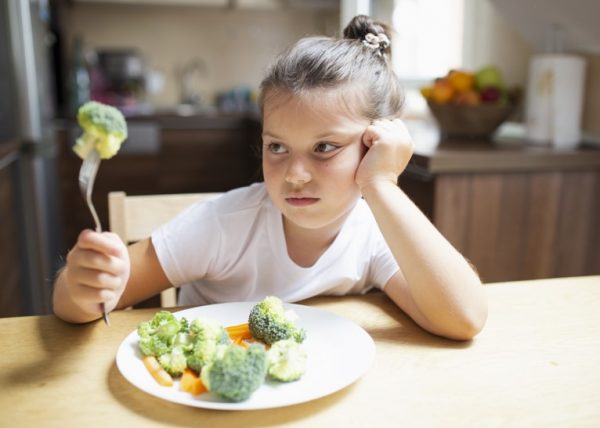
When children and teens start feeling that they weigh too much and also subjected to body shaming they may develop  anorexia, subjecting themselves self- starvation. Anorexia or Anorexia nervosa is an eating disorder. Children who suffer from anorexia will have distorted body image.

Two types of anorexia in children-

Restrictor type: Children severely limit how much amount of food they eat.

Bulimic type: They eat too much food and make themselves throw up.

Apart from body shaming and bullying, other reasons that may play a role in developing anorexia are;

  • Social attitudes toward body appearance
  • Family influences
  • Genetics
  • Brain chemical imbalances
  • Developmental issues

Family history such as: Weight problems, Physical illness and mental health problems, such as depression or substance abuse also could be reasons for anorexia.

Symptoms:

  • Low body weight.
  • Child often has a distorted view of his or her body.
  • Physical symptoms may include very dry skin, belly pain, and constipation.
  • Dry skin that when pinched and let go, stays pinched
  • Fluid loss (dehydration)
  • Belly pain
  • Constipation
  • Lethargy
  • Dizziness
  • Extreme tiredness (fatigue)
  • Sensitivity to cold temperatures
  • Being abnormally thin (emaciated)
  • Growth of fine, downy body hair (lanugo)
  • Yellowing of the skin

What are the possible complications of anorexia nervosa in a child?

Anorexia and the malnutrition that results can harm nearly every organ system in the body. It can be fatal. It may lead to health problems with the:

  • Heart : Damage to heart due to malnutrition and repeated vomiting, irregular heart beat, low BP
  • Blood: Mild anemia and low WBC
  • Digestive system: Movement of digestive tract slows down
  • Kidney: Concentrated urine due to dehydration.
  • Endocrine system: In young girls, lower level of growth hormones and lack of menstrual periods
  • Bones: Greater risk of bone fracture, less bone density
  • Muscle: Less muscle and looks thin

Treatment for anorexia:

Talk to your family physician and understand what is going on with your child’s health. Do not neglect child’s health thinking it is a passing stage. Identifying and treating anorexia at early stages helps to get back child’s normal weight and development.  Based on diagnosis doctor may recommend,

  1. Individual therapy
  2. Family therapy
  3. Behavior changes
  4. Nutritional rehabilitation
  5. Antidepressant medicines, if your child is also depressed

How parents and family can help?

  • Treatments helps to improve child’s quality of life. Encourage your children to eat healthy and be realistic towards weight. Help them with a diet plan to maintain balanced weight.
  • Do not skip any appointments with doctor and accompany your child in his/her doctor’s visit.
  • Discuss with your friends and close ones about your child’s anorexia.
  • Talk to healthcare provider and school teachers to develop a treatment plan.
  • Be in touch with other parents and discuss about children’s eating habits and how to improve.
  • Observe your child’s behavior, eating habit and note down points for your next visit to therapist.
  • Write down all instructions from therapist and help child to follow them.

Anorexia is treatable condition in children. With treatments, therapy and family support children will come back to normalcy and start gaining the normal weight.

References:

  • https://www.hopkinsmedicine.org
  • https://www.stanfordchildrens.org
  • Image credit; Food photo created by freepik – www.freepik.com (Free for commercial use)

Author: Sumana Rao | Posted on:
« »
« »

Recommended for you

Quick home remedies

Know these quick home remedies

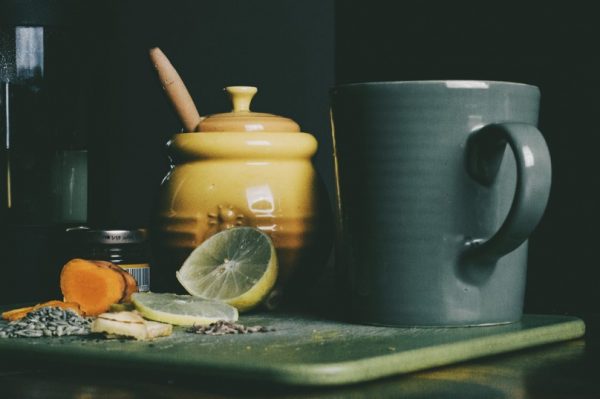
For some of the daily health issues one can try these quick home remedies. Many of these ingredients readily should be available in your kitchen cabinets and easy to prepare with few ingredients.

  1. For mouth sores chew 5-6 young guava leaves with ½ tsp cumin and little rock salt.
  2. After heavy meals to reduce heaviness in system chew little ginger and rock salt
  3. If you are suffering from joint pain, daily add 1 or 2 tsp ghee in meal. Ghee helps to reduce joint pain.
  4. For dry cough – on low flame heat 1 tsp cumin, ½ tsp black pepper – cool and prepare powder. To 1 tsp of this powder add 1 tsp ghee and ½ tsp sugar or jaggery and have 2-3 times a day.
  5. Pomegranate fruit skin and young leaves of the plants are useful in controlling loose motion. On low heat fry 5 pieces of dry pomegranate skin or young leaves with ½ tsp black pepper and ½ tsp cumin. Add 1 Tbsp grated coconut and grind to paste. Mix with 1 or 2 cups buttermilk and drink.
  6. Suffering from constipation related stomach ache? Prepare raw papaya (green papaya) curry with less spice ( just 1 green chilly). Have this once or twice followed by a glass of water.
  7. After a walk in hot sun to reduce dehydration, drink water with a small piece of jaggery. It reduces thirst and helps to keep body hydrated.
  8. To reduce nausea and vomiting, mix little salt in tender coconut water and drink.
  9. Another remedy to reduce nausea, add little salt, grated ginger to a glass of lemon juice and drink
  10. Suffering from indigestion? Add 1 tsp carom seed (oma, ajwain) to 1 cup water and boil on low flame. Let the color turn slight brown. Add little salt, pinch of asafetida and boil for few more seconds, strain the water and drink.
  11. To reduce burning sensation while urinating due to spices -boil few curry leaves in water, add jaggery. Strain and add little milk and drink twice a day for two to three days.
  12. Suffering from cold? – Boil few Tulsi leaves with little pepper powder and jaggery. Strain and add little hot milk. Drink twice a day.
  13. To boost your energy – take 4-5 dates, cut into small pieces transfer to a grinder. Add little jaggery, ½ inch ginger and grind to a paste. To this paste add a cup of hot milk and drink.
  14. To get relief from stomach burning after eating spicy food – Keep a glass of boiled milk in refrigerator for an hour. Drink this milk.
  15. To reduce mouth sores and acidity – after washing rice, do not throw water. To one glass of rice water, add ½ glass buttermilk, pinch of asafetida, 1 tsp ghee and little salt. Stir and drink.

Image credit: Photo by Hans Vivek on Unsplash (Free for commercial use)


Author: Sumana Rao | Posted on:
« »
« »

Recommended for you

Not Drinking sufficient amount of water

Symptoms of not drinking enough water

Water is essential for human body and drinking less or no water can cause various conditions. Many of the symptoms related to less water consumption are similar to regular sickness symptoms and people often get worried about these symptoms thinking something is really wrong with their body. When there is an easy fix – drinking enough water everyday helps to reduce these symptoms/conditions. Moreover, there is a misconception in people that water can be replaced with tea, coffee, diet soda, sports drink, juice etc. The thirst disease, which people get, is a progressive state of dehydration, which happens after drinking any of other drinks other than water. Drinking too many other fluids in place of water results in accumulation of toxins in the body. To combat these toxins body compensates water by removing water from the cells.

Some of the common symptoms of body indicate that more water drinking is needed for the body.

1) Mouth feels dry: Lip skin will peel, tongue feels dry and throat feels itchy.

2) Skin change: Skin breaks out, feels very dry and dry -ash like appearance with eczema. The skin is 75 percent water, so any lack of water is damaging to the skin. This dehydration results in eczema.

3) Joint pain and arthritis: Both in hands and legs joint pain increases because of less water in cartilage. Cartilage contains a large amount of water, so dehydration causes it to become dry and less effective.

4) Weight gain: Body tries to retain water and with water accumulation body weight increases.

5) Aging: Premature appearance due to dry and dehydrated skin.

6) Unhealthy urinary tract: Urine becomes darker yellow and results in a burning sensation while passing urine.  The lack of water in the body allows excess bacteria and germs to congregate in the bladder and urethra causing infection.

7) Stomach ache: Constipation happens due to lack of dehydration and results in stomach pain.

8) Low energy: Lethargic and more stressed body – when there is no water body loses its energy and results in a lethargic condition.

9) Muscle ache: Constant muscle pain and often inflammation of muscle is possible. This also leads to cramps -especially in calves’ area of leg.

10) Eyes: Color change in eyes – bloodshot eyes.

11) Sickness: Water is a very important cleanser.  Not enough drinking water results in buildup of toxins in the body and causes sickness.

12) Brain function decline: The brain requires more water than any other part of the body because it contains 20% of the blood circulating through the body at any one time.

13) Other damages: Low hydration levels in the aged can result in brain damage, diabetes, and respiratory ailments.

14) Judgment and balance: Dehydration can lead to fatigue and impaired cognition. Normal tasks like driving, lifting things can give hard time, as there will not be a balance in mind.

How much water one need to drink?

Our activities, temperature, perspiration, urination, exercise and other factors determine how much water we should drink. General recommendation is from The Institute of Medicine is an adequate intake (AI) for men is roughly about 13 cups (3 liters) per day. The AI for women is about 9 cups (2.2 liters) per day.  Normally nutritionals say 8-ounce glasses (1.9 liters) of water a day which is  close to  daily general recommendation from IM. However, as mentioned above our daily water consumption depends on our activity and how much our body is dehydrated.

See this link to understand how much water is needed to hydrate your body.

http://www.camelbak.com/en/HydratED/HydrationCalculator.aspx

Source: www.werindia.com

Image: Image by sutulo from Pixabay (Free for commercial use)


Author: Sumana Rao | Posted on: May 13, 2019
« »
« »

Recommended for you

Tap water around the world contains bits of plastic

Tap water around the world contaminated with plastic fibers

Tap water around the world contaminated with plastic fibers

Plastic is becoming a huge problem for entire world. This time scientists found plastic in drinking water. We all know that how much ocean is contaminated with plastic and how the sea animals and habitat is suffering from our mistakes. Sea foods are contaminated with plastic fibers. The new findings reveal that now the micro -plastic contamination is present in our drinking water too!

Recent studies on drinking water showed presence of micro plastic contamination in tap water. Scores of tap water samples from more than 12 nations were studied by scientists for an investigation by Orb Media. Orb Media shared their findings with The Guardian. Results show that 83% of the tap water samples were contaminated with plastic fibers.

What does plastic contamination in drinking water means?

  • Not just restricted to ocean or fresh water, plastic is entering drinking water too. In US alone 94% of contamination rate is recorded with plastic fibers in tap water samples. This has been recorded in Congress buildings, US EPA headquarters and Trump Tower in NY.
  • Lebanon and India had the next highest rate of contamination.
  • This contamination can cause severe health damage.
  • UK, Germany and France had the lowest contamination rate, however, contamination is still at72%.
  • The average number of plastic microfibers found in 500 ml of tap water sample ranged from 4.8 in USA to 1.9 in Europe.

Two separate studies conducted in two different places reveals this huge truth. Microplastic expert Sherri Mason from The State University of New York in Fredonia, supervised the analyses for Orb. While, another group led by Dr. Anne Marie Mahon at Galway-Mayo Institute of Technology form Ireland revealed microplastic contamination in a handful of tap water and well samples.

As stated by Mahon “We don’t know what the [health] impact is and for that reason we should follow the precautionary principle and put enough effort into it now, immediately, so we can find out what the real risks are,” The two concerns are – a very small plastic particles and the chemicals or pathogens that microplastics can harbor. They can penetrate the cell and organs that can risk health. Worry is microplastics can attract bacteria that are present in sewage. Not only the pathogens, microplastics also contain and absorb toxic chemicals. Previous research on wild animals shows these chemicals are released in the body. Per Prof Richard Thompson, Plymouth Univ UK – microplastics are found in a third of fish caught in the UK.

How microplastics enter drinking water?

There is no clear answer – but, the obvious source in atmosphere is fibers shed by everyday clothes and carpets, tumble dryers with open vent. Microplastic fibers possibly released by washing machine might be another source. In Indonesia household wells were found contaminated by microplastic fibers!

Studies conducted by German Scientists shows that, not only wild life, microplastic contamination is found in honey and sugar (Studies conducted by scientist in Germany). Back in 2014 Professor Bart Koelmans, leader of the Wageningen University and IMARES research group stated that ‘We know that nanoplastic particles are released during processes such as the thermal cutting of plastics and 3D printing and when small plastic particles are abrasion by sand – a process that probably also takes place in nature.

Bottle water may not provide a solution as microplastic was found in few samples of bottled water in US and surprisingly in bottle beer (in Germany).  As Mahon said, managing plastic waste must be drastically improved. Reason is, water treatment system cannot filter the plastic fibers as they are nanoparticles or too small. And these plastic particles have been shown to travel through the walls of the intestine, ending up in the lymph nodes, lungs, and other organs.

Already lot of damage has been done to ocean, wild life and environment by our uncontrolled use of plastic. We need to find a solution to control use of plastic and its disposal. If not, like wild life and ocean, we will suffer too by paying big price – our health!!

Read More:

Image credit: Image by Rudy and Peter Skitterians from Pixabay  (Free CC0)


Author: Sumana Rao | Posted on: May 10, 2019
« »
« »

Recommended for you

Vinyasa Yoga

For A Better Day Try Vinyasa Yoga

Vinyasa yoga or Vinyasa flow yoga is one of the popular form of yoga in many Western countries. It results in sweaty and energized body at the end of the practice. People feel after vinyasa yoga practice they do not need any weight lifting or body work classes. Often it is believed that vinyasa yoga helps to reduce the body weight ! Some very popular yoga styles, including power yoga, jivamukti, body works and core power make use of the vinyasa yoga method.

Vinyasa is a Sanskrit word means “to place in a certain way.” It refers to a certain sequence of poses that are performed in a particular order. There are four basic definitions of Vinyasa:

1) The linking of body movement with breath

 2) A specific sequence of breath-synchronized movements used to transition between sustained postures

 3) Setting an intention for one’s personal yoga practice and taking the necessary steps toward reaching that goal

4) A type of yoga class ! -well, this is a definition too !

Vinyasa yoga is believed to be an offshoot of Ashtanaga yoga. Ashtanga Yoga is a powerful and dynamic style of yoga developed in the 20th century by the guru, Sri K. Pattabhi Jois. Ashtanga incorporates the sequence of linked poses called a vinyasa, but where Ashtanga has a strict structure and precise set of rules, Vinyasa Yoga is creative and exploratory. Vinyasa yoga is more challenging and it takes time for people to get used to the flow of vinyasa.

While flowing through poses one has to breath in and out -which is a must for Vinyasa poses and it is for this reason Vinyasa is considered as moving meditation. Vinyassa yoga is often faster paced, and the assanas are linked together in a series of movements that are synchronized with the breath.  Vinyasa Yoga is diverse, creative, and challenging on a mental, physical, and spiritual level.

There are physiological and medical benefits to vinyasa yoga. It can help to reduce the risk of heart disease, high blood pressure, stroke and type 2 diabetes. Additionally, it can help detoxify the body so functions, systems and organs operate more efficiently. It also can balance your metabolic system, helping you sleep better and aiding in weight loss.

Vinyasa yoga works on physical, mental, emotional and spiritual levels to connect the mind with the body and relieve stress and anxiety. Mindfully moving through the continual flowing poses during a vinyasa class can help alleviate the static thoughts that may be running through your head. Focusing on the inhale and exhale of your breath results in a positive, calming effect on your central nervous system.

Vinyasa flow has varieties of poses. The basic poses can be following postures: Between each pose one can go through Surya Namaskara poses. Vinyasa also refers to the specific sequence of poses that lead up to downward-facing dog  or Adho Mukha Svanasana in a Surya Namaskara. During a Vinyasa Yoga class, this specific sequence performed between the poses. For example between the below 14 poses one can perform downward- facing dog pose as in Surya Namaskara followed by high plank, cobra pose and downward-facing dog and mountain pose before going through next pose.

1. Pull-Through Tabletop

2. 90-Degree Extension

3. Side Plank Knee Crunch

4. Three Point Plank

5. Lifted Crescent Lunge

6. Elevated Chair

7. Airplane Lunge

8. Sugar Cane

9. Handstand Prep

10. Revolved Reverse Warrior

11. Prayer Lunge

12. Tip-Toe Pulse

13. Camel pose

14. Shoulder stand

In studios and fitness centers too often the Vinyasa yoga is becoming a  playground for the practice of teachers creative expression. This is resulting in Vinyasa yoga or yoga for that matter without a focus on the body alignment and linking of the poses. It is important to go through the flow but not without getting the benefit of stretching, breathing and understanding the benefit of each yoga posture. The practice of yoga becomes more meaningful when the student understands the challenge of the posture and how it is helpful for their body.

References:

  1. www.yogajournal.com
  2. www.aimhealthyu.com
  3. vinyasayogatraining.com
  4. www.wikipedia.com

Image collage: From Healthylife.Werindia.com


Author: Sumana Rao | Posted on:
« »
« »

Recommended for you

Homemade mango ice cream recipe

Homemade mango ice cream recipe

Before this mango season gets over, try preparing mango ice cream at home.

It requires fewer ingredients and easy to prepare at home. Mango ice cream is favorite of both kids and adults.

One can get concentrated mango pulp and prepare mango ice cream in all seasons.

It contains condensed milk and whipping cream. It means, it is bit heavy on calories (about 200).

Instead of consuming large cup whenever you consume mango ice cream satisfy yourself with small portion, small cup!

Mango ice cream recipe

Ingredients

  1. Mango puree – 2 cups (you can also extract from 6 good size mangos)
  2. Condensed milk – 1 cup
  3. Heavy or whipping cream – 1.5 cups
  4. Cardamom powder – a pinch
  5. Saffron – a pinch
  6. Pista – few

Preparation:

  1. Freeze the freezer bowl in advance overnight.
  2. In a blender condensed milk and whipping cream and whip them together to get a smooth texture. Transfer to freezer bowl and keep aside.
  3. Blend mango puree with cardamom powder, pista and saffron (you can add little lemon juice) to smooth texture
  4. Add blended mango puree to condensed milk, whipping cream mixture and stir the mix.
  5. Smoothen the top of the mix using back of the spoon.
  6. Place a piece of parchment paper on top of the mix and cover with a wrapper and freeze the bowl.
  7. If you want rolled scoops freeze the mango ice cream bowl for more than six hours.
  8. If you want soft ice cream then less than 3 hours freezing is enough.
  9. Serve the mango ice cream in cones or serving cups.

Recipe: www.healthylife.werindia.com


Author: Sumana Rao | Posted on: May 9, 2019
« »
« »

Recommended for you