
All posts by Sumana Rao

Don't worry about the people in your past; There's a reason they didn't make it to your future.
Flu and pandemic winter

How to be safe during Covid-19 surge and cold season

Many reports are indicating that this fall season there is surge in Covid-19 cases. Flu season affects millions of people every year and this year coronavirus pandemic is adding to the existing pain. Cold weather, school openings, and flu season are adding more fuel to the Covid-19 and there are more cases reported in recent days.

According to health researchers because of the flu, people could be more vulnerable to the pandemic and are expected to have more people hospitalized and an increase in mortality.

How can we be safe in this cold season and make sure we pass this crucial time?

You don’t need to sit at home 24 hours to get through a pandemic. However strict precautions can help you to enjoy the winter weather.

  1. The strongest weapons to prevent Covid-19 are Social distancing, hand washing, and facial masks. We all aware of these three practices. However, some people want to visit extended family and friends. By visiting near ones such people are putting everyone at risk. To stop spreading the disease, experts suggest limiting the physical contact in this cold season. Instead of a big gathering, restrict yourself from visiting or inviting a selected group of friends and family. Avoid contact and inviting other people into this group. Discuss and plan on how to spend time with this close nit group for the next three to four months.
  2. You should know about your health conditions. If you have existing conditions, then talk to your doctor about your risk of getting Covid-19 infection. There are Apps available to help to determine whether you are at risk of contracting the infection by looking at our location, activity, duration of the activity, and how many people around you take precautions to protect their health. These apps also suggest to you how to decrease your risk.
  3. If you are planning to travel on holiday before your trip avoid generally crowded pubic places as well as indoor serving restaurants. Avoid contact with people whom you don’t know. Many states and countries advise you to get a Covid-19 test done before your travel and will ask you to self-quarantine. In case you test positive then it is better to stay back at home and watch symptoms. If your results negative, still you should keep your guards up. Sometimes, the tests fail to detect the virus.
  4. Visiting family and friends sounds fun and exciting because this year has been emotionally rough for everyone. However, when visiting near be safe and cautious. If you are visiting your parents or grandparents who are elderly with a low immune system, keep a distance from them while interacting. Wear masks and face shields, gloves, use sanitizer, wash hands – take all these precautions when you are with them.
  5. A holiday gathering is fun and cold weather means all will be looking for indoor socializing. Avoid such gathering or keep gathering outside in the back yard with a fire pit and warm clothes and jackets. Maintain distance with all and tell everyone to interact at distance. Outdoor does not mean that you are fine without precautions. Follow all safety rules to Coronavirus out of your life.
  6. To be safe, CDC suggests that, Halloween 2020 parties and trick or treating should be celebrated with close friends, families, and neighbors at safe distance. Instead of attending a costume party or scavenger hunt, CDC suggests having virtual contests. Plan on having dinner with your close family members on Thanksgiving Day. Share recipes and have virtual dinner with friends suggests CDC.
  7. During winter many will develop mental health issues due to seasonal affective disorder (SAD).  If you are one of those who does not like short daylights and gets SAD, then prepare to face the winter in this pandemic. Talk to your family and friends and plan on activities. Join online classes, spending time with the trusted group as mentioned earlier in this article, practice yoga, and meditation that help you to bring wellness to both mind and body.

Don’t forget to take all necessary precautions related cold and flu seasons. Flu and Covid-19 symptoms can be initially confusing. Get your regular flu shot to avoid getting sick from flu virus.

Coronavirus is highly contagious, and winter is known for cold and flu season. The combination of both will put our health at high risk. Take safety precautions, practice hygiene, and keep safe.

Image credit: Photo by Andrea Piacquadio from Pexels (Free for commercial use)


Author: Sumana Rao | Posted on: December 21, 2021
« »
« »

Recommended for you

How much sugar is too much

How much sugar is too much for kids

A recent report from UK survey showed that children are consuming almost 12-16% of their daily calories from added sugar. Added sugars are causing obesity in children and the calorie intake can cause harm for child’s growth by accumulating fat and results in weight gain. So how much sugar is too much for kids ?

The added sugars are also known as free sugars that are added to our daily food and drinks. Natural sugars present in fruits, milk, vegetables and honey are not considered added. Unfortunately, kids don’t prefer these natural sweets. This is how we all grew up.  In our market, kids foods are loaded with sugar. To name a few, biscuits, some of the breakfast cereals, chocolates, candy, sweets, kids juices, oatmeal’s and fruit rolls. For kids daily diet we can add only certain amount of added sugar and it is recommended that adding sugar should not be considered as norm.  For kids normal growth they need vitamins, minerals, carbohydrates and fats in proper amount. Anything that is added in the form sugar cannot be norm for their growth.  It also affects children behavior and the belief is that eating too much sugar will cause “sugar rush” in children and they become hyperactive.

Eating sugar can lead to tooth decay and high obesity and childhood diabetes. One of the reason for this is most parents does not know how much sugar their child eats.  Kids love sugar and what parents don’t know is how unhealthy it can be. According to USDA Economic Research Service, the average kid under 12 age consumes about 49 pounds of sugar per year and it is more than the normal adult would consume per year!

What is the recommended amount of added sugar for children?

  • For Age 4 to 6 years = 19 gram (5 tea spoons) per day
  • For Age 7 to 10 years = 24 gram (6 tea spoons) per day
  • For 11 years = 30 gram (7 teaspoons) per day.

How to control sugar intake in kids?

What foods should be swapped for sugar?

  • Yogurt with fruits and berries, cereals with honey, rice and oats porridge, bagels, bread toast and sandwich
  • Instead of sugary candy, pastries and cakes – unsalted nuts, bread sticks, fresh fruit cups, vegetable sticks with dip, rice and oat cakes. Crackers with fruit and vegetable slices, peanut butter, cheese and hummus. Bake fruit and vegetables. Fruit salad is a good swap too.
  • Drinks – instead of sugary drinks try milk, sparkling water, unsweetened juice, smoothies, chocolate milk without sugar.
  1.  Let your dessert be small: If you buy or cook or bake, let your dessert be small and not big to keep that extra left over to fit in the fridge.
  2. Understand added sugar and natural sweetener – Both are no good. Natural sweeteners are not natural, they are loaded with concentrated sugar.
  3. Learn reading food label: Don’t be fooled by sugar quantity. It might appear small amount on food label. 1 teaspoon of sugar means 4 grams of sugar!
  4. Distraction from sugar and candy: You know your kids interest and what makes them happy in terms of hobbies. If they are looking for sugar, distract them and keep them occupied in a way that they should forget sugar and focus on activities.

If kids continue eating sugar the way they are (or if parents do not take care of it) as they grow children will consume more soda than milk and instead of healthy foods like fruits, grains, vegetables and milk they opt for sugary substances that can harm their development.

Encourage children to eat healthy snacks and make them understand what added sugar can do to their body. In front of children eat healthy snacks and sit with them while eating. Make snacks more interesting and nutritious. Ask them to select healthy and nutritious food by giving them options.

Read more:

Image credit: Photo by Yarden on Unsplash (Free for commercial use)


Author: Sumana Rao | Posted on: December 20, 2021
« »
« »

Recommended for you

Plow pose Halasana

Halasana, Plow pose For Spine Health

Plow pose is considered as beginners pose, however it takes several practices to get into the pose and one needs to understand how to get into the pose correctly. It is one of the highly recommended pose for those who suffer from thyroid issues. Halasana is Sanskrit name for plow pose. It resembles the traditional plow instrument of Indian culture. This pose also considered to reveal the hidden power inside. By practicing halasana one will rejuvenate entire system. It increases the circulation and suppleness in spine, helps to releases stress and tension in neck region. It has a calming effect on nervous system, improves elimination of toxins from urinary and digestive tracts. It gives a relief for those who suffer from high blood pressure and promotes brain health by promoting clarity. Other benefits of plow pose are – reduces backache, headache, insomnia, breathing issues, sinusitis and improves fertility. If you are practicing plow pose start with shoulder stand or bridge pose and then slowly move to plow pose. Once you are in the pose, do not turn your neck to see sides as it could cause injury to neck – Healthy Life.

LEVEL :Beginner

Anatomy: Shoulders, Spine, Thyroid

Pose Type :Forward Bend,

Sanskrit :Halasana (hah-LAHS-anna) hala = plow

BENEFITS

  • Increases spinal flexibility
  • Stretches the shoulders
  • Stimulates the thyroid gland
  • Massages the internal organs
  • Boosts immunity
  • Relieves stress and fatigue

CONTRAINDICATIONS

  • Pregnancy
  • High blood pressure
  • Serious back problems
  • Hernia
  • Sciatica
  • Diarrhea
  • Asthma
  • Neck injury
  • Glaucoma

HOW TO

  1. Lie on your back with your arms alongside your body, palms facing down. Inhale and use momentum to reach your feet toward the sky.
  2. Support your lower back with your hands. Press your palms into the back of your torso to straighten the spine, and press your upper arms into the ground.
  3. Exhale and slowly lower your toes toward the floor, beyond your head.
  4. Release your hands from your lower back and interlace your fingers on the floor. Squeeze your shoulders together and tuck them underneath you.
  5. Stay in Plow pose for up to five minutes. To release, unclasp your hands and place the palms flat on the floor. Keeping your chin tucked into your chest, exhale and slowly roll all the way down to the floor.

MODIFY OR REPLACE

Alternatives:

  • Paschimottanasana (Seated Forward Bend)

Modifications:

  • Keep your hands on your back if your feet don’t reach the ground.
  • Widen your feet to release tension in the hamstrings.
  • Practice with your feet against a wall, and slowly walk your feet down the wall.

SEQUENCING TIPS

Before:

Sarvangasana (Shoulder stand pose)

After:

  • Setu Bandha Sarvangasana (Bridge pose)
  • Matsyasana (Fish pose)

TEACHING CUES

  • Breathe shallow breaths into the throat.

Try to straighten the legs.

VARIATIONS

  • Reach your arms overhead, and hook your big toes with your thumbs and forefingers.
  • Enter the pose from Sarvangasana (Shoulderstand).

WATCH OUT FOR

  • Turning the head while in the pose
  • Releasing the hands to the ground, if the feet are not touching the floor

Credit: This article and image published in Healthy Life with prior permission from Beyogi.com


Author: Sumana Rao | Posted on:
« »
« »

Recommended for you

Baby cloth laundering tips

Baby’s Clothes Laundering Tips

Babies produce a surprising amount of dirty laundry. Those cute clothes that your baby wears should be cleaned in a proper way.

Reason is all babies have soft and sensitive skin. We need to protect baby’s skin from rashes and other types of allergies.

Most times baby’s clothes need extra and repeated cleaning due to baby’s activities – spitting up food, staining with little dirty fingers and soiling them often.

How to take care of baby’s cloths laundering ?

See what grandma has to say:

1. Use mild detergent to wash baby’s sleepwear. Detergent should not contain strong chemicals that interfere with flame retardant chemicals. Because baby’s sleepwear and pajamas fabric may contain flame retardant that protects baby.

2. Do not use detergent that contain animal products – this is not good for fabric either.

3. Always chose detergents that are free of fragrances and perfumes. Use brands that does not contain harmful scents. Detergents should be allergen , fragrance and dye free.

4. To remove food stains from baby’s clothing -scrape the food using a soft cloth as much as possible. Wash using cold water as soon as possible. Don’t allow stain to dry off.

5. Soak the stained clothes in water for some time. Some stains can become permanent in hot water. Baby foods may be one it. Soak in detergent and cold water for at least half an hour, then wash in warm water, rinse and repeat.

6. In case you are using bleach make sure you wash and rinse thoroughly. Bleach residue may harm baby’s skin.

7. Wash diapers separately and do not mix clothes. Cloth diapers, which should be washed in hot water to improve sanitation.

8. To wash cloth diapers- soak in warm water. Rinse using bleach, vinegar and final rinse in baking soda, in hot water. This keeps the fabric soft.

9. Divide all articles of clothing into smaller loads of white, light, and dark colors.

10. Read washing instructions on the clothes. Baby-friendly detergents are made by most major brands, and are usually clearly labeled as being recommended for babies’ sensitive skin.

Some more instructions to clean based on types of stains on baby’s cloths

  • Protein stains: This includes breast milk, formula, most food stains, and spit-up. Soak in plain water first, then use proper detergent and wash -launder as usual.
  • Oily, Greasy Stains: This includes baby oil, creams and petroleum jelly, If fresh, remove any excess, and cover the area with cornstarch or talcum powder to absorb oil; scrape off after 10 to 15 minutes.
  • Fruits and Vegetables: This includes juices, jams and berries. Flush with cool water; soak in a one-to-one mixture of rubbing alcohol and water. If the stain loosens, launder as usual
  • Leaky Diapers: Diarrhea stains should be washed in the same way you would a protein stain. Remove poop and treat with stain remover and wash. For urine stains, rinse the clothing in cold water and toss it into the washing machine as soon as you can.

Image credit: Image by PublicDomainPictures from Pixabay


Author: Sumana Rao | Posted on: December 7, 2021
« »
« »

Recommended for you

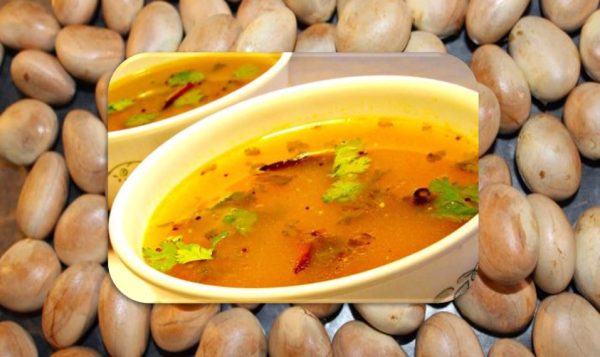
Hot And Spicy Jackfruit Seed Rasam Recipe For Cold Weather

Hot And Spicy Jackfruit Seed Rasam Recipe For Cold Weather

Just like fruits, jackfruit’s seeds are edible and are nutritious. When boiled these seeds taste like boiled potatoes. It is rich in iron, contains Vitamin A, rich in protein. Seeds are useful in skin rejuvenation, hair growth, for anemia, to build strength and is aphrodisiac too! During season, seeds can be collected, dried and stored for non-seasonal uses. Jackfruit seeds can be used for preparing varieties of dishes including sambar, curry varieties, stir fry, korma, fritters and sweets like laddu and sweet momos.

Dried Jackfruit seed rasam tastes good and one can have it with rice or like soup for winter, cold weather.

Ingredients:

  1. Jackfruit seeds – 15
  2. Green chilies- 2
  3. Rasam powder – 3 tsp
  4. Tamarind – small lemon size
  5. Turmeric – 1/2 tsp
  6. Coconut – ¼ cup
  7. Asafetida- pinch
  8. Curry leaves – few
  9. Red chillie- 1
  10. Cumin seeds -1 tsp
  11. Mustard -1/2 tsp
  12. Clarified butter -2 tsp

Preparation:

  1. Peel the outer white skin and soak jackfruit seeds for few hours in hot water and transfer soaked seeds to pressure cooker. Add one cup fresh water and pressure cook seeds for about 5 whistles. Seeds should be soft after cooking. Remove outer brown skin of cooked seeds and transfer cooked seeds to a grinder.
  2. Soak tamarind in a cup of hot water for about ten minutes and extract tamarind juice.
  3. Prepare paste of jackfruit seeds by adding little water and transfer the paste to a cooking vessel.
  4. To jackfruit seed paste add two cups water (use soaked jackfruit water), salt, turmeric powder and mix. Slit green chili and add to it.
  5. Grind coconut with rasam powder by adding little water . Grind it to a fine paste.
  6. Place the above mix on medium heat. Add grinded coconut-rasam powder paste, tamarind juice and mix well. Adjust salt level based on your taste.
  7. Prepare seasoning using clarified butter (ghee). Add cumin, mustard, curry leaves followed by asafetida.
  8. Add seasoning to boiling rasam. Let it boil one more minute.
  9. Remove rasam from the stove and serve hot with rice or one can have this rasam as soup.

Image credit: http://rasam.co.in/


Author: Sumana Rao | Posted on: December 3, 2021
« »
« »

Recommended for you

Grandma's Kitchen Tips

Kitchen Tips

1) Do not throw squeezed lemon peels. Put one or two peels in the bottom of the cooker with water. This helps to prevent the discoloring of the cooker.

2) If your stainless sink is discoloring and bothering you, spray apple cider vinegar and clean it.

3) If you have a white electric stove with steel drip plates for the burners, change it to black plates. It is easy to clean the black plates as they resist the rusting for longtime.

4) Before using lemons or limes, roll the lemons with slight pressure on a surface. This takes out extra bitterness from the skins and also, more juice will come out after you cut the lemons.

5) If you are in a hurry to use butter and it is frozen, then try grating it. Grating of frozen butter on bread, biscuits taste much better.

6) Tired of peeling garlic? Remove the hard edge of garlic bulb and transfer to a bottle. Shake it for few minutes. Take the cloves out, use a plate, and crush them. All cloves will peel of the skins easily.

7) Place your ice cream boxes in a ziploc and store in the freezer. This will keep the cold air away and ice cream will not become rock hard.

8) If the honey is crystallized, transfer the bottle to a container with hot water. It will make honey un-crystallize and looks good.

9) Some herbs are not available during winter. End of summer buy your herbs and freeze them ice cube containers with olive oil. It retains the freshness of the herbs. When you need thaw and use herbs.

10) Simple spray for kitchen – instead of using all those costly chemical sprays try this – To a sprayer bottle add one cut of water, two table spoon lemon juice and one table spoon baking soda. Shake and mix it. Use on kitchen counter tops, microwave and even cleaning the fridge is possible with this. It is a great stain remover too!

11) Avoid crying while cutting onions! Place a matchstick between your teeth chemical side out. The chemicals in the matchstick absorbs the chemical in the onion that makes your eyes water. You can also soak a peeled onion in cold water before cutting.

12) Wash fruits and vegetables with salt or vinegar to remove external particles.

Wait for more tips from Grandma in this column…

Read more at: Healthylife.werindia.com

Image credit: Photo by Daria Obymaha from Pexels (Free for commercial use)


Author: Sumana Rao | Posted on: November 30, 2021
« »
« »

Recommended for you