All posts by Sumana Rao

Don't worry about the people in your past; There's a reason they didn't make it to your future.
Omicorn New Covid variant

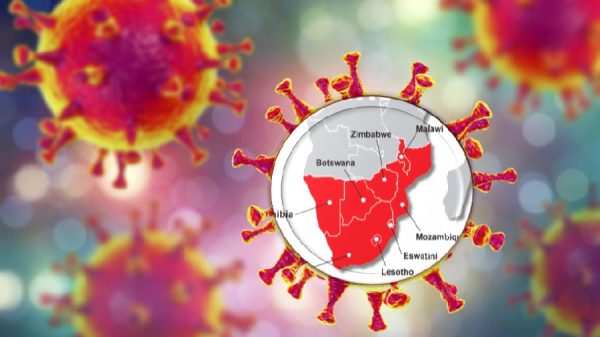
It Is Not Over Yet, Omicron the New Variant of Covid-19 In South Africa Raises Concerns

A  new variant of Covid-19 has been reported in South Africa and classified as B.1.1.529 a variant of concern. It is named as OMICRON. As of November 26th many countries have halted air travel from southern Africa to slow the spread of the Omicron.

According to World Health Organization, Omicron has several mutations that might have an impact on its behavior. Like how easily virus can spread or the severity of illness. According to researchers in South Africa and scientists around the world there are very few things we know about the variant.

In South Africa many teams were trying independently to figure out why the cases were spiking in Gauteng, a northern province that includes Pretoria and Johannesburg.  Lancet a private lab noticed that routine PCR tests for SARS-CoV-2 were failing to detect a key target, the S gene, in many samples, a phenomenon previously seen with Alpha variant. Reason for this is, the genome was so heavily mutated that the test missed the S gene !

“We were shocked by the number of mutations,” says Tulio de Oliveira, a virologist at the University of KwaZulu-Natal and NGS-SA ‘s principal investigator. This week, further the research team sequenced another 100 randomly selected sequences from Gauteng in the next 24 hours. All showed the same pattern. After presenting the evidence WHO named the new variant as “Variant of concern” and named it Omicron (based on Greek alphabet).

As for the public the concerning questions are :Is Omicron more infectious and deadly? Will it re-infect recovered people? How well does it evade vaccine-induced immunity? Will there be more mutations of the variant?

  1. Transmissibility: Not clarity much about Omicron transmissibility compared to other variants. In South Africa the number of positive testing population has been rises in areas where the variant is noticed. Further studies regarding the epidemiology of the variant are underway.
  2. Severity of disease: It is still not very clear whether the severity caused by the Omicron virus infection is when compared to earlier variants including the Delta. However, the preliminary studies say that the number of hospitalizations is increasing, and it might be due to increase in number of people who are infected are more.
  3. Symptoms: Studies shows that the symptoms caused by Omicron is different from other variants. As per previous knowledge on other variants including Delta, Covid severity can cause severe health issues and could be fatal. Covid variants that are dominant now in the world infects most vulnerable individuals and found in youngsters.
  4. Regarding vaccines: WHO is working with its partners to understand the impact of vaccines on Omicron. Covid vaccines are playing a great role in reducing number of infected people as well as in reducing severity of the condition.
  5. Tests to detect Omicron: RT-Polymerase Chain Reaction or RT- PCR tests help to detect this new variant too. Researchers are working on the impact of rapid antigen detection tests on Omicron presence.
  6. Treatment for Omicron infection: IL6 receptor blockers and corticosteroids are still effective and helps to manage all variants. If any other treatment is helpful to control Omicron is yet to be assessed.

According to WHO, Omicron is designated as variant of concern. Further studies on transmissibility, severity of infections, vaccine performance, diagnostic tests and treatments is taking place throughout the world. WHO is encouraging all countries to share their patient data to describe clinical characteristics and outcomes of patients.  WHO’s technical advisory group on virus evolution (TAG-VE) is monitoring and evaluating the data as it becomes available to assess how Omicron mutation alters the behavior of the new variant.

According to Science Magazine- We will not know how dangerous Omicron for few more weeks!

Meanwhile countries are directed to continue the implementation of public health measures to reduce Covid-19 circulation. The most effective steps public can take is to reduce the spread of any covid variant is,

  1. Following proper social distancing
  2. Wearing mask
  3. Improve ventilation at home
  4. Avoid highly crowded place
  5. Washing hands frequently
  6. Getting vaccinated including booster shots.

References:

https://www.who.int/news/

https://www.reuters.com/

https://www.science.org/

Image: https://commons.wikimedia.org/wiki/File:Africa_satellite_orthographic.jpg : Attribution- NASA, Public domain, via Wikimedia Commons


Author: Sumana Rao | Posted on: November 29, 2021
« »
« »

Recommended for you

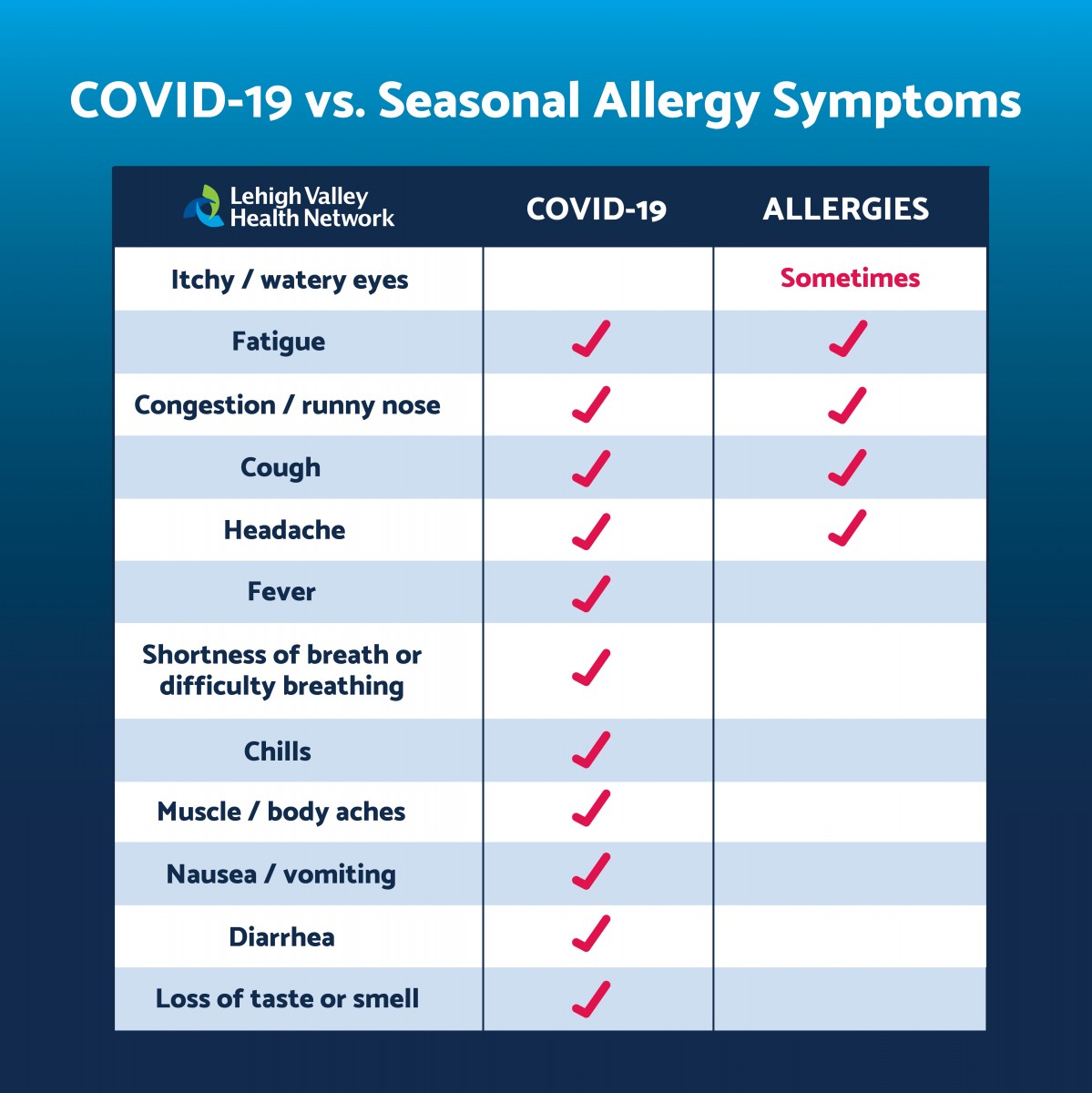
Difference Between COVID-19 & Seasonal Allergy Symptoms

Difference Between COVID-19 & Seasonal Allergy Symptoms

Covid & seasonal allergies

Image credit: Lehigh Valley Health Network


Author: Sumana Rao | Posted on: November 26, 2021
« »
« »

Recommended for you

stomach bugs cleaning tips

9 Cleaning tips to control stomach bugs in winter

Grandma’s basic 9 Cleaning tips to control stomach bugs this winter

  1. Wash produces: To prevent illness wash all vegetables and fruits that you bring from outside – shop, garden, farm, vegetable market, vendor – Many vegetables and fruit skin harbor microorganisms, bugs, and worms on the surface. Soak vegetables in little baking soda water followed by a thorough wash in clean water.
  2. Clean hands: Simple method to prevent many illnesses is to wash hands before touching any types of foods. Give close attention to your child’s hand washing skills.
  3. Cleaning areas: Clean areas that could harbor germs including kitchen counter top, center table, dining table, kitchen floor, toilets, bathrooms, sinks – disinfect using sprays.
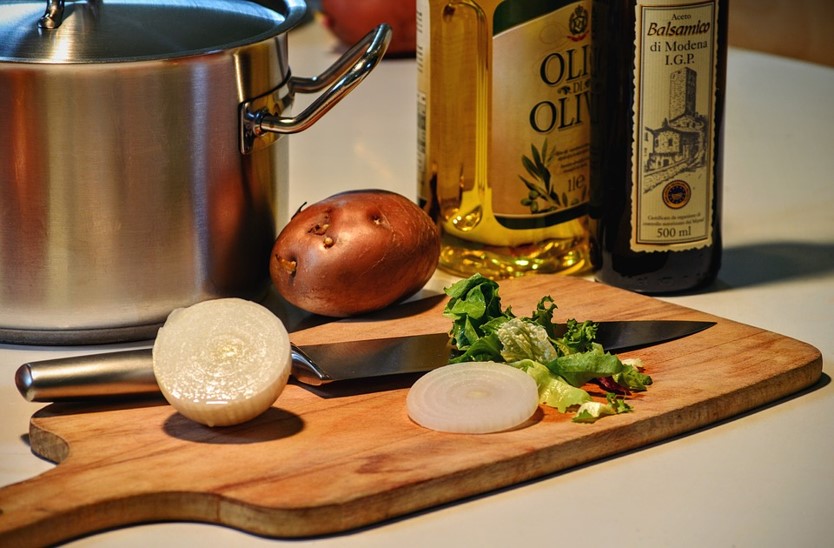
  4. Chopping board: Many stomach problems occur because of microorganisms present on vegetables. After cutting vegetables use good dish soap or antibacterial spray to clean chopping board, knife and air dry both.
  5. Food storage: To protect from food poisoning, learn how to store several types of food inside refrigerator. Make sure your refrigerator temperature is cold enough to store all cooked and fresh foods.
  6. Cooking: Thorough cooking helps to ensure all the bugs go away. During winter time some of the bugs hibernate in rough skin of vegetables. If not peeled properly vegetable skin can have eggs, spores, round worms etc. Improper cooking directly takes those bugs to stomach causing various problems
  7. Plates and dishes: Rinse and wash dinner plates, cups, spoons etc and heat dry if possible. Any food material left unwashed will attract microorganism and left unnoticed can enter our system
  8. Wash kitchen towels: Kitchen towels needs washing often as they get dirty with stains, foods and hand wiping.
  9. Clean after sickness: It is very important and critical to clean after sickness of a family member at home.  Winter stomach bug norovirus can spread to other family members. Cleaning rooms, toilets using disinfectants helps not to spread germs within family. Wash all clothes, sheets separately and clean surfaces that met sick person.

Once a while open the windows 10 to 15 minutes during winter time and let Sunshine enter the house with fresh air. Fresh air replaces old air filled with winter germs present in house.

Image credit: Photo by Polina Zimmerman from Pexels
(Free for commercial use)


Author: Sumana Rao | Posted on: November 24, 2021
« »
« »

Recommended for you

Misleading food label

Misleading Food label claims

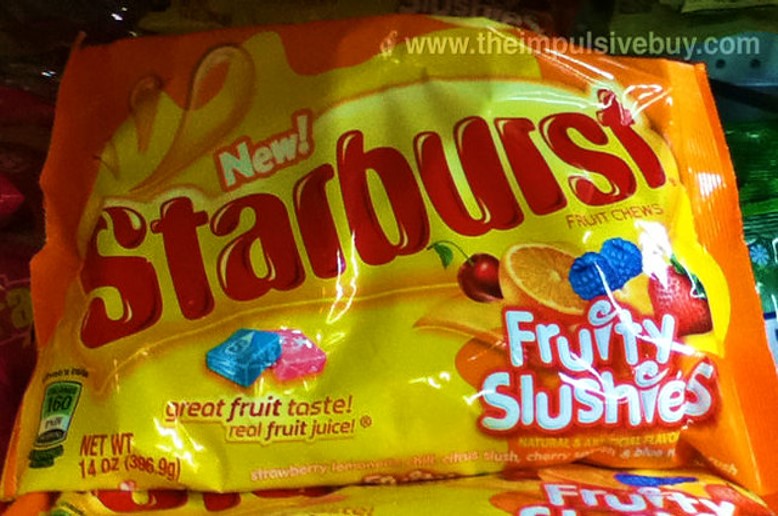
Food manufacturers claims on food packages and labels can be misleading for consumers. Both claim and use of words on the food products might attract consumers to believe that food is good for their health and to buy the product.

There are several such claims and wordings that present on food label could be confusing. Such claims often we see on packages are Made with, Low in, Added fiber, Low in cholesterol, No trans fat, Free from, No sugar, Lightly sweetened, Multigrain etc. Even the serving size that you see on the packages can be confusing. A Pepsi bottle might say 12 oz, 150 calories, 30 mg sodium, 41 gram carbs but what you probably will be drinking is a 20 oz bottle, approximately 300 calories, 60 mg sodium, 82 gram carbs. This is because in past two decades our intake of drinks has increased, and FDA has switched the previous standard serving size for soda from 8 to 12 oz. A single serving package like 20 oz bottle that weigh just under twice the standard serving size will be considered just one serving!

Similarly, if you eat a 2 oz granola bar you might ending up eating lot of sugar because not all granola bar made equally. They may contain whole grains and yogurt but with added sugars in the form of natural honey, maple syrup! Natural sugars also add calories to our body.

Such claims are many and as consumers we must understand the meaning of manufacturers claims that could cost us on our health. Here are few examples of such confusing claims.

Image credit: https://www.needpix.com/photo/439924/snacks-tags-tag-label-kitchen-chalkboard-eat-delicious-seed

Reference:

https://www.eatthis.com/

https://wholegrainscouncil.org/

healhtylife.werindia.com

https://www.health.harvard.edu/

Serving size in nutrition facts label

Serving size food label

Omega-3 claim on food label

Omega-3 food label claim

Organic claim on food package

Organic food label claim

Low claim on food label

Low sodium food claim

Made with real fruit claim on label

Made from real fruit

All natural food label claim

All natural food claim

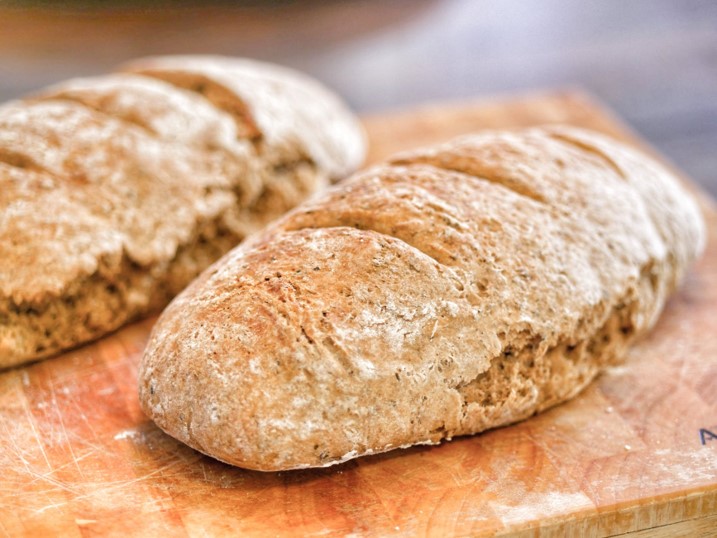
Multigrain claim on the label

Multigrain claim on label

General guidance to remember terms and claims on food label

Low fat claim


Author: Sumana Rao | Posted on: November 17, 2021
« »
« »

Recommended for you

Serving size food label

Serving size on food label

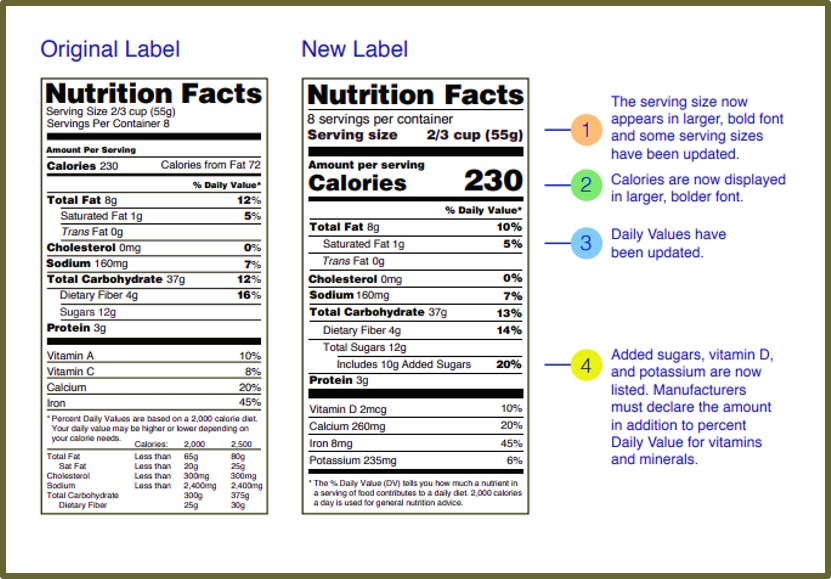
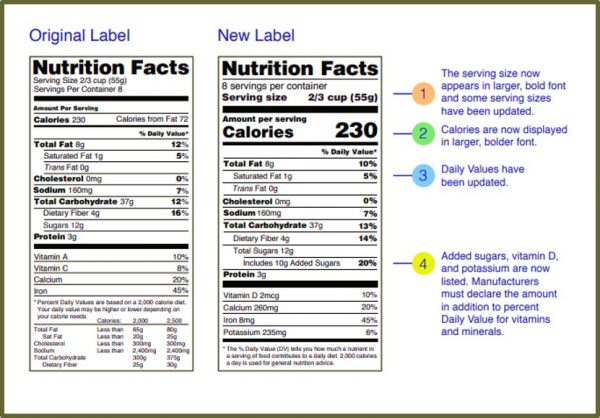
Do you know, recently FDA has updated the Nutrition facts label? According to FDA, new Nutrition facts food label depicts the serving sizes based on the amount of food people typically consume, rather than how much a person should consume. What we should know is, serving sizes are not the reflection of what we consume.

Our food habits and portion that we consume have changed a lot in past two decades. A half cup of ice cream or a scoop of ice cream used to be the norm. Now, people eat more than half scoop in one sitting.

In a food label the projected serving size could be misleading and can be sneaky! The size of package or packaging used to decide how much people should consume. For example, if you finished a bag of potato chips and see the label, most time you would have consumed more fat, calories and servings than that mentioned. Another example is drinking soda. If the serving size is 12 ounces and you buy 20 oz bottle you left with probably less than 8 oz, means generally you will consume more than 70% of the recommended serving size. Moreover, you don’t want to leave that little bit drink behind, don’t you? Similarly, when you eat morning cereal, you might notice, if the serving size is ¾ cup in cereal bowl, you would eat more than that because it ¾ cup looks little for your stomach.

What we should keep in mind when we look at serving size:

  • Serving size is not a recommendation of how much we drink or eat. It tells us one serving means so much grams and convert it to calories.
  • One package might contain more than one serving
  • Some packages might have two labels – one for calories and nutrients and the other column listing all information about the food package. It will also tell us the calories and nutrients that we consume.

If we know that the food, we consume is rich in fat and calories, then it is up to us to “control the portion size” so that our intake of fat and calories does not exceed.

Image credit: https://www.fda.gov/media/135197/download


Author: Sumana Rao | Posted on:
« »
« »

Recommended for you

Omega-3 food label claim

Omega-3 claim on food label

The two major classes of polyunsaturated fatty acids (PUFAs) are the omega-3 and omega-6 fatty acids. Three main types of Omega-3-fatty acids are: EPA- Eicosapentaenoic , DHA- docosahexaenoic (DHA) and ALA-alpha-linolenic acid.

ALA can be converted to EPA and DHA and conversion is very limited. EPA and DHA are present in fish, fish oils and krill oils. However, they are originally synthesized not by fish but by microalgae. ALA is present in flaxseed, soybean and canola oils.

What we need to watch on food label is, sometimes manufacturers claim that food contain omega-3 by adding little bit of flax or soy in it. To get health benefits of omega-3 we need enough of the ingredients and not just sprinkling powder. Consuming flax seeds -roasted or adding powder into smoothies or drinking soy milk or soy as main ingredient in recipes will give more omega-3 than these claims. Image credit: Image by Oliver Menyhart from Pixabay (Free for commercial use)


Author: Sumana Rao | Posted on:
« »
« »

Recommended for you

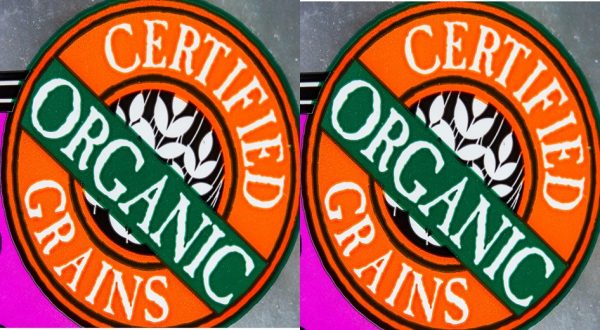
Organic food label claim

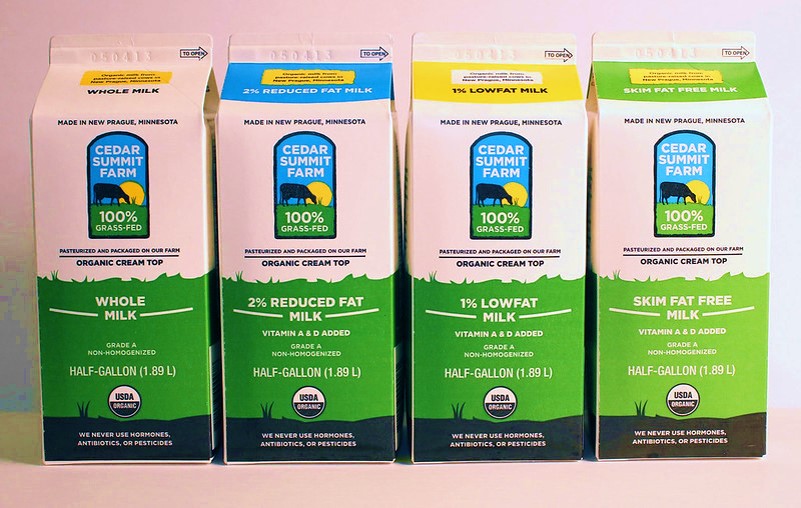
Organic claim on food package

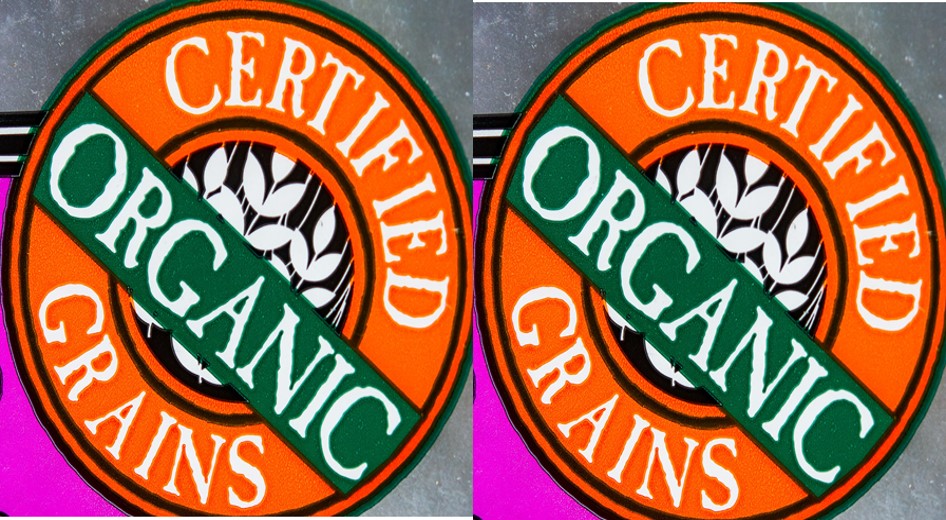
To tell a produce is organic, 95% or more of the product must have been grown or processed without any chemical fertilizers, pesticides or herbicides.

If a food label says the product is made of organic ingredients it means they contain at least 70% organically produced ingredients.

Organic labels can be present on produce, dairy, processed foods, beverages and condiments. If food product says organic, then it must contain at least 95% organic ingredients without synthetic growth hormones, pesticides, biotechnology (GMO), irradiation or synthetic ingredients. If the product contain minimum 70% organic ingredients and produces without any synthetic methods the label should read “made with organic ingredients” and will not have any Govt organic seal in the packaging like USDA organic seal.

People think, organic means all good. But organic foods also supply lot of calories, sugar and fat to our system. It is the portion control that matters for our health. Whether organic or nonorganic eating beyond limit does not do any good to our body.

https://www.farmaid.org/

https://www.usda.gov/media

https://www.ams.usda.gov/ Image credit: Timothy Valentinehttps://www.flickr.com/photos/el_ramon/38141584585/ (CC by 2.0)


Author: Sumana Rao | Posted on:
« »
« »

Recommended for you

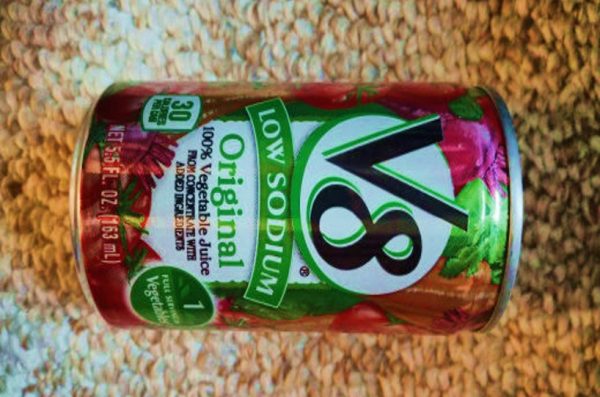
Low sodium food claim

Low claim on food label

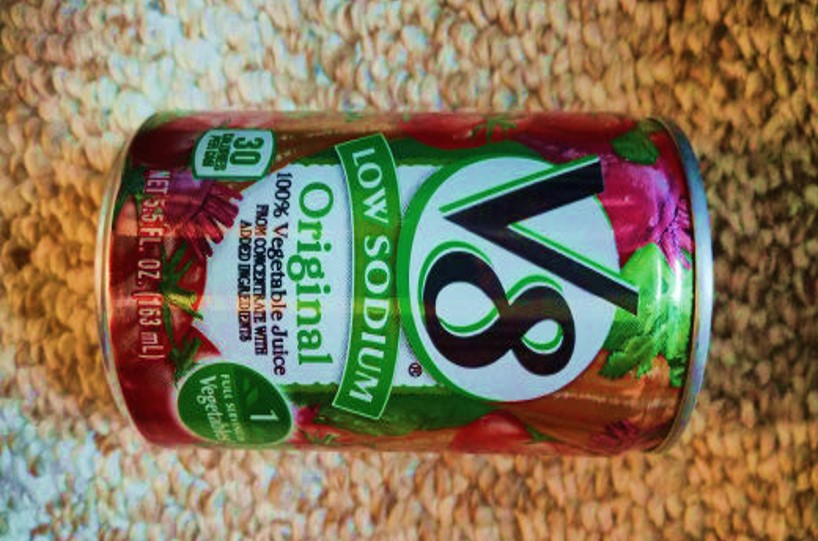
Sometimes you might see on the food label “low” claim for low-fat, low-sodium, low-cholesterol, low-calorie.

What it means?  This term can be used on foods that can be eaten often and you still won’t get more than the recommended amount of that nutrient.

The nutrients that can be described with this label are:

  • Fat
  • Saturated fat
  • Cholesterol
  • Sodium (salt)
  • Calories

Other terms used often on labels are: Little, few, low source of, and contains a small amount of.

Here are some specific definitions:

  • Low-fat: 3 g (grams) or less per serving
  • Low-saturated fat: 1 g or less per serving, with not more than 15% of the calories coming from saturated fat
  • Low-sodium: 140 mg (milligrams) or less per serving
  • Very low sodium: 35 mg or less per serving
  • Low-cholesterol: 20 mg or less per serving
  • Low-calorie: 40 calories or less per serving

Reference:

https://www.cancer.org/

Image credit: https://world.openfoodfacts.org/


Author: Sumana Rao | Posted on:
« »
« »

Recommended for you