2. Bend the left knee and heel should touch the back of the thigh. It should be perpendicular to the ground. Move the shoulder and stretch the arms back and hold the hands.
3. Turn slowly to the left and take a few breaths.
4. Exhale slowly and bend forward so that the chin is placed on the thigh just above the right knee. The shoulder should be straight. Stay in this position for a few seconds and breathe normally.
5. Inhale slowly, raise the head and relax. Practice this exercise on the other side too.
1. Starting in table top position on your hands and knees.
2. Alternate between arching your back and rounding it as you push down on the floor with your hands and tops of your feet (cat and cow pose movement)
3. While doing cow pose inhale and for cat pose exhale.
These two postures are a great way to keep the back limber in proper way. It helps to develop postural awareness and balance throughout the body. It brings the spine into correct alignment and can help prevent back pain when practiced regularly.
https://pixahive.com/photo/girl-doing-cow-pose-in-yoga/ (cc by 0 )
One of the most common pain condition people facing due to long hour sitting, sedentary lifestyle or sometimes due to not stretching enough leads to back pain. Yoga asanas can be helpful in these situations and help to overcome the pain. Some of the simple asanas that could help is described in next few slides.
The human back is composed of a complex structure of muscles, ligaments, tendons, disks and bones – the segments of our spine are cushioned with cartilage-like pads called disks. Problems with any of these components can lead to back pain.
Common reasons for back pain can be:
Strain:Strained muscles, strained ligaments, a muscle spasm: These strains can be due to one of these reasons -Lifting something improperly, Lifting something that is too heavy, The result of an abrupt and awkward movement.
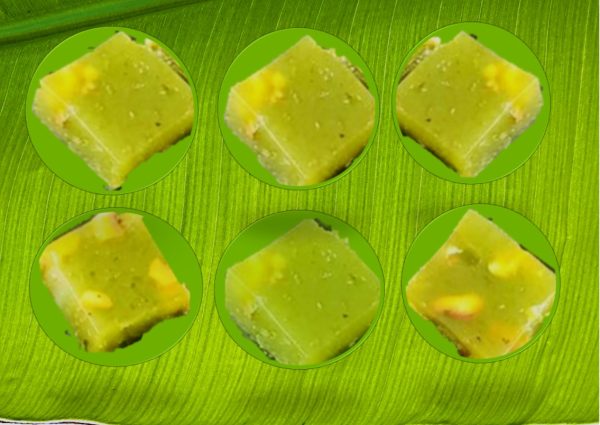
Eating on banana leaves is common in India. In functions, instead of using throw away plastic and paper plates people serve using banana leaveswhich are biodegradable and adds value to soil. Eating on banana leaf is healthier for various reasons. In addition, it increases food taste by adding unique flavor to the dishes. Do you know, banana tree parts are also used in dishes? Tender banana leaves can be turned into delicious and tasty halwa. Read the recipe below.
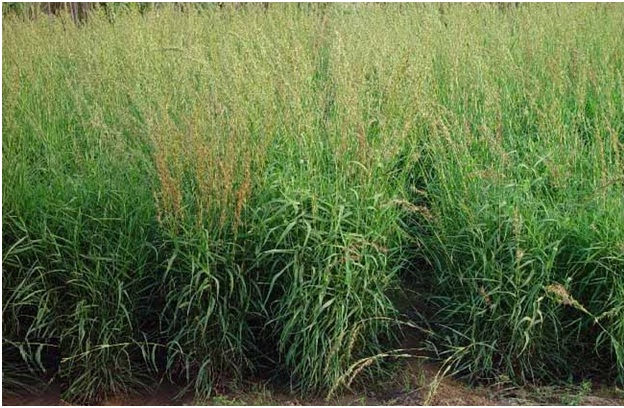
Palmarosa is steam distilled utilizing the entire grassy plant to produce a pale yellow oil with the main active constituent being geraniol (usually between 75% and 95%). It is a scented grass in the same family as lemon grass. Some of its countries of origin are Brazil, Africa and Central America. Palmarosa is probably best known for its valuable role in skincare, as it helps to hydrate and stimulate the skin’s cellular regeneration. Keeping this in mind, it may, with regular use, help to decrease the appearance of wrinkles and creepy skin. It also has the power to help the skin in balancing the production of sebum. Its antiseptic properties make it useful for acne, some forms of dermatitis and even some minor skin irritations.
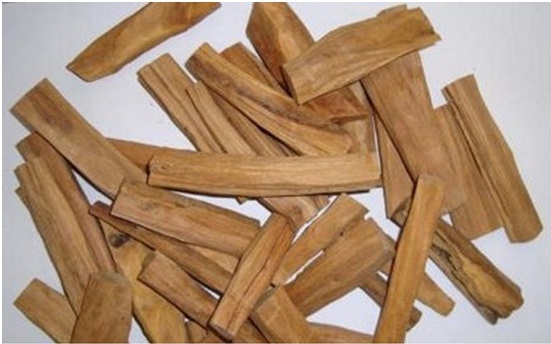
Sandalwood is steam distilled from the wood of the evergreen tree. Its oil contains up to 90% santalol. It is mainly imported from India and Indonesia. Indian Sandalwood export has been reduced because it has been over-exploited to the point of near extinction. In place of Indian sandalwood one can use Australian Sandalwood as its properties are nearly identical. It has a slightly green woodsy scent. The Australian Sandalwood is from sustainably harvested farms. In skincare, East Indian Sandalwood is wonderfully soothing for treating dry, cracked and chapped skin and its slight astringent and powerful antiseptic qualities make it effective for skins prone to oiliness and acne. It is also good for dry, persistent coughs, due to its sedating nature. It is one of the best essential oils to use in the treatment of bronchitis through inhalations and external application on the chest and throat. In Ayruvedic medicine this oil is valued for its powerful urinary antiseptic qualities. Sandalwood also has the reputation of being an aphrodisiac.
Patchouli essential oil (helps with stress-related issues)
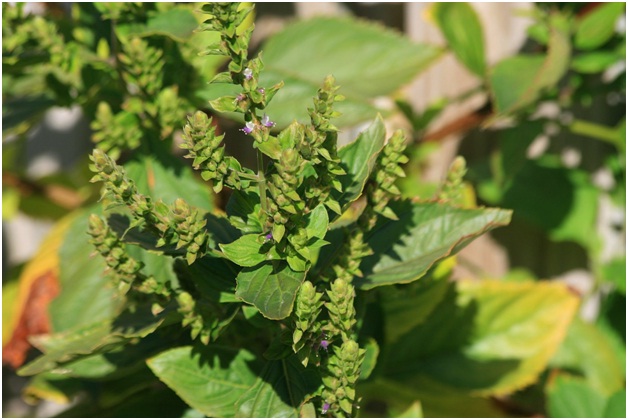
Patchouli is a bush from which the oil is steam distilled from the large furry leaves to produce a thick, dark oil, yellowish brown in color. Its main active principles are patchoulene, patchoulol and norpatchoulol. The patchoulene is very similar in structure to azulene (found in chamomile) and has the same anti-inflammatory properties. The plant has a long history of use in traditional Chinese medicine as a stimulant, tonic and antiseptic. It is widely used in the perfume industry as a fixative due to its long lasting character. Patchouli continues to get better with age. Some of its countries of origin are Malaysia, Indonesia, and Paraguay. Patchouli has long been known as a fungicide, antidepressant and insecticidal oil as well as being antiseptic and anti-inflammatory in nature. This makes it useful in treating many different skin conditions; especially when you consider that Patchouli may also possess the same cell regenerating ability as Lavender and Neroli. Patchouli can be used for treating acne, cracked skin, certain types of eczema, fungal infections (like athlete’s foot), some skin allergiesand even dandruff.
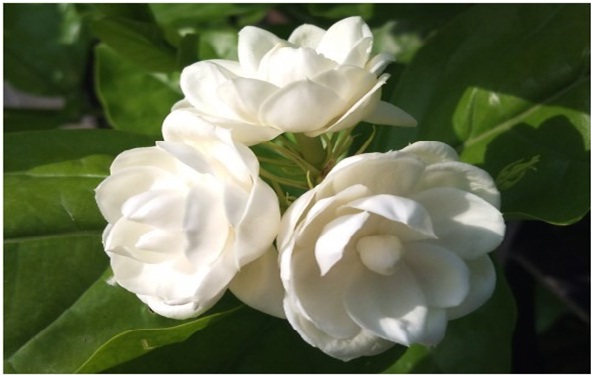
Jasmine is a bush from which the flowers are either extracted by the labour-intensive method of effleurage (making it extremely expensive but a pure absolute great for aromatherapeutic use) or through chemical extraction. Jasmine essential oil is considered the King of oils with its rich long lasting aroma. The reason it is so expensive is because of the enormous amount of flowers needed to produce a small amount of oil. The flowers have to be gathered at night for the odour of jasmine is more powerful after dark. They are laid out on cotton cloths soaked in olive oil for several days, then extracted leaving the true Jasmine essence. Some of the countries of origin for Jasmine essential oil are India, Egypt, China and Morocco. Its chemical constituents include methyl anthranilate, indol, benzyl alcohol and linalol. Jasmine essential oil is known as a “woman’s oil” and as a uterine tonic it is good for menstrual pain and cramps. It has also proven very helpful in childbirth when used as a massage oil in the early stages of labour. It may also help with the delivery of the placenta after delivery and aid postnatal recovery. This essential oil has a reputation as an aphrodisiac, helping to relax and address sexual problems. On the emotional level, Jasmine essential oil is relaxing and emotionally warming, a powerful antidepressant of a stimulating nature, which is wonderful where lethargy or a lack of confidence has set in.