All posts by Sumana Rao

Don't worry about the people in your past; There's a reason they didn't make it to your future.
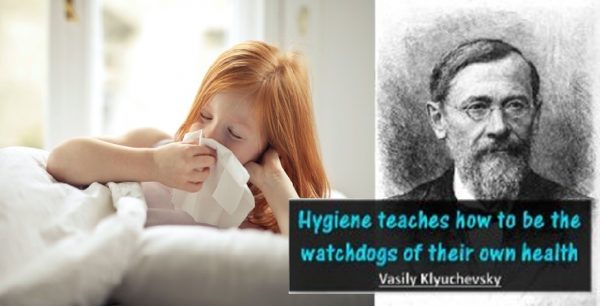
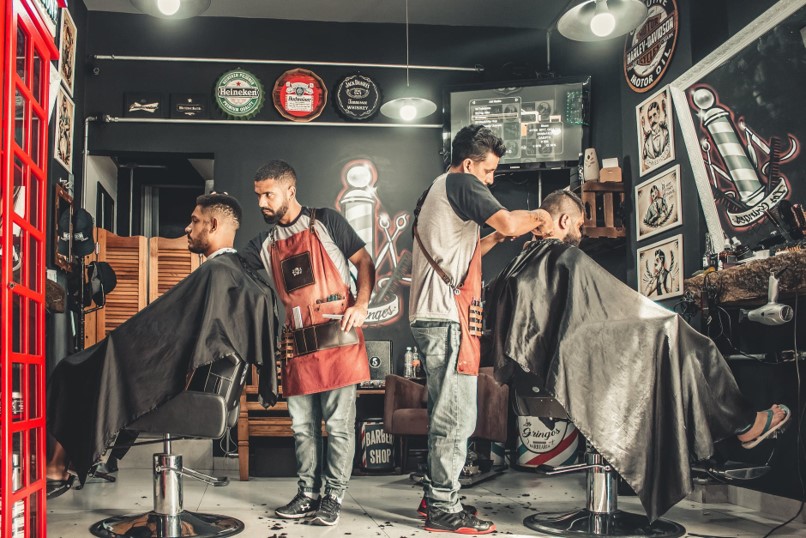
Bath after hair cut & why we should trim nails

Shower after hair cut & why we need to trim nails

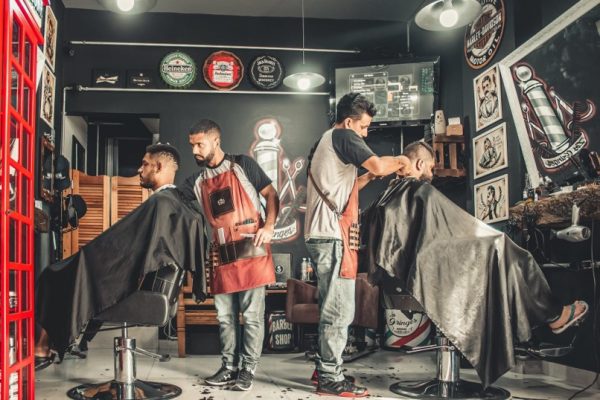
Mandatory to take shower after a hair cut :We often see people going out for haircut and then go for shopping or attend to other works. This is forbidden in many cultures especially in India.

Scientific explanation for this is- everyday there are many people visit barbers or hair salon for haircut, hair styling, hair coloring, shaving, for shampooing etc. There is a chance that someone might have severe dandruff or skin conditions that could be contagious. If proper precautions not taken and saloon person uses same tools (scissors, comb, brush etc) between his/her customers, it could result in transfer of germs. Contagious diseases can thus transfer from one person to another. This could also result in hair loss. After visiting a salon make sure to go back home put clothes for washing (as it might contain hair strands) and take a shower. Shampoo your hair and wash.

Cutting and cleaning fingernails and toenails: Often you may hear your mom saying cut your finger nails or toe nails. It is a good practice because of health reasons. Parents may insists to cut your nails morning after bath. Reason for this is, the nails get softer after bath and it is easy to trim soft nails. Not cutting nails is a sign of poor hygiene and it could results in:

  • Bacterial infection: When we don’t trim nails bacteria and other germs will start growing and cause infection in fingers and toes
  • Fungal infection: Like athlete’s foot happens because of hidden fungi in toenails. Accumulated dirt in nails is food for fungi and eventually they come out infect your skin
  • Injury to body: Keeping long nails is a risk not just for you, for others as well. It can cause serious injury or even may hurt the eye causing damage to eye and severe infection.
  • Results in inward growth of nail
  • Food poisoning: When we eat by hand with dirty nails, infectious microbes enter our stomach causing food poisoning. This is also one of the reasons we must wash our hands before consuming food

Image credit: Photo by Thgusstavo Santana from Pexels
(Free for commercial use)

Main article: https://healthylife.werindia.com/your-road-to-healthy-life/proven-good-old-hygiene-practices


Author: Sumana Rao | Posted on: March 30, 2023

« »
« »

Recommended for you

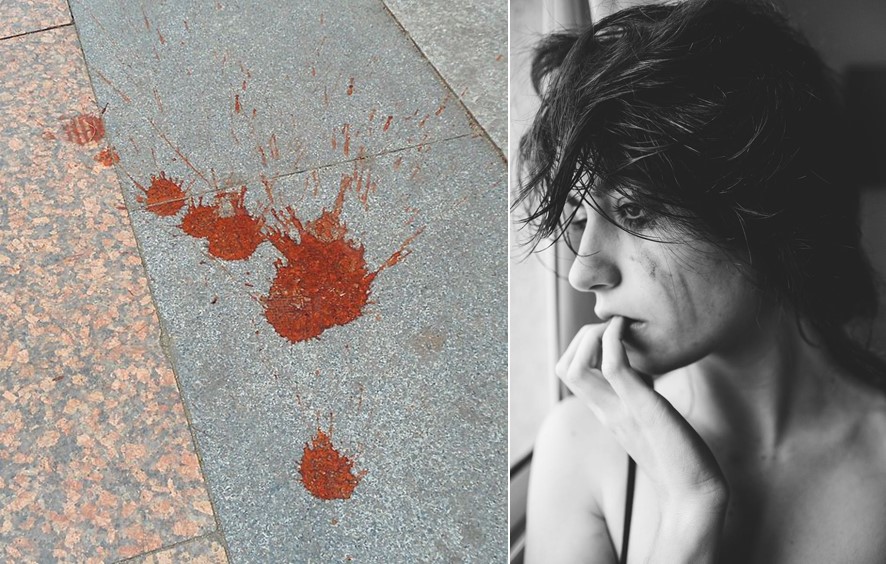
Mandatory isolation after delivery or death

Mandatory isolation- why

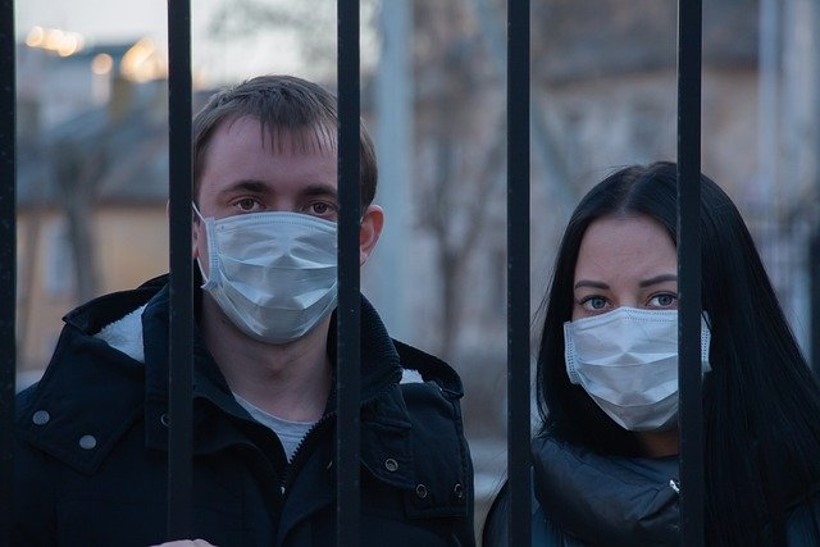
Mandatory 10-12 days isolation: We are worried about self-quarantine, isolation and social distancing and waiting for this period to end. Do you know generally the germs (microbes) infection, contagious and spread period is between 2-15 days? Some microbes take longer period up to 21 to 25 days! Our ancestors were aware of this science and designed certain rules to protect the weak ones. People often criticize this practice without knowing the science behind the practice. Traditionally it is known as “purification ritual”.  It is purification of body as well as mind.

Isolation after birth of baby: After birth of a baby, both mother and baby are isolated and treated in separate room where no other family members except the care takers enter. After delivery, mother’s body will be weak and her mental status will be fragile due to loss of blood and hormonal changes. New born baby’s immune system will be weak and tender body has to adjust to new world. If someone sick come in contact with mother and baby, it can cause health issues for both. To prevent such unhealthy environment in many cultures both family members and others are not allowed near the newborn and the mother for 10-12 days!.

Practice of burning the deceased and mandatory isolation of family: The science behind for this ritual is, when someone dies, it might not be due to old age, it could be due to illness. If the body is burnt, then the germs that are inhabiting in the body will die due to high temperature. This way the body will not spread the disease.

After someone’s death, the entire family will keep social distancing for 10 to 12 days. This is not just to perform rituals, also to make sure effect of (if any) germs that are transmitted from sick person to diminish and healthy environment in the house to be restored. This period of grieving also gives chance to family members to recover mentally and come out from the stress. We know stress in mind makes our immune system weak and people often fall sick.

Image credit: Image by Наркологическая Клиника from Pixabay  (Free for commercial use)

Main article: https://healthylife.werindia.com/your-road-to-healthy-life/proven-good-old-hygiene-practices


Author: Sumana Rao | Posted on:
« »
« »

Recommended for you

Washing legs and hands

Why should we wash legs & hands

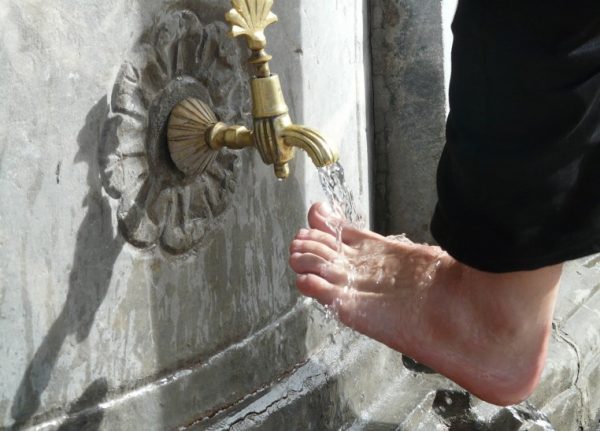
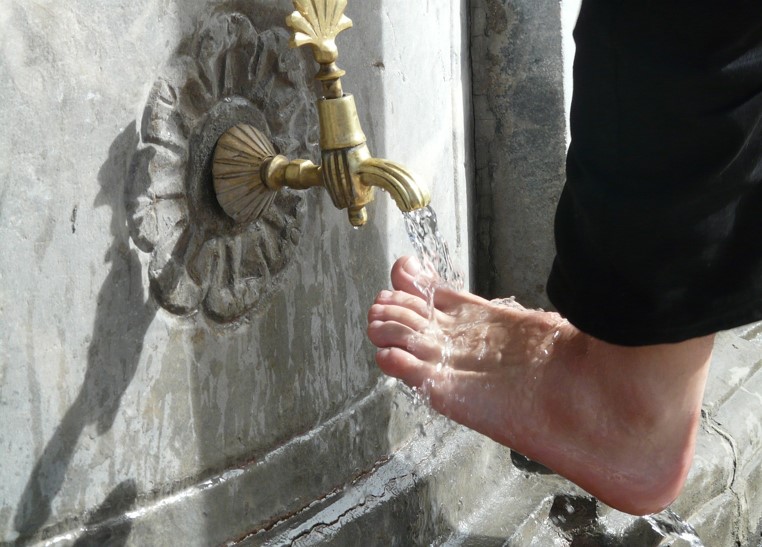
Washing hands and legs:Our elders insist us to wash hands and legs as soon as we enter home and before we eat and drink. We may get irritated. But this is good habit for the following reasons:

Studies conducted by time to time show us why it is critical to wash hands and legs after returning home. When we step out, we come in contact with several materials that is touched by others. Following are some of the high touch areas that have microbes.

Toilet seat and cover, toilet flush, door handles and doorknobs, light switches, sinks, faucets, hand towels, handbags, recycle bags, tote bags, car steering wheel, furniture, reusable bags, appliances – door handle, Shopping carts and baskets, phones, desks and keyboards, ATM machines.

After coming in contact with so many high microbial areas, we must wash hands. If not, we will spread the germs to families and friends who come in contact with us through the materials at home that we touch. Similarly washing feet is important because we would have encounter feces, spit, blood, mucous, pets littering, rotten materials etc. Even if we wore covered shoes with socks it is best for health to wash feet after returning home to avoid sickness.  

Image credit: https://www.needpix.com/photo/49012/washing-ritual-foot-care-washing-feet-islam-water-foot-fountain-faucet (Free for commercial use)

Main article: https://healthylife.werindia.com/your-road-to-healthy-life/proven-good-old-hygiene-practices  


Author: Sumana Rao | Posted on:
« »
« »

Recommended for you

Leaving shoes outside

Why to leave shoes outside

Leaving shoes outside :Reasons to leave shoes outside the house or in designated place:

  • In houses with young infants and toddlers might pick up food from floor and end up sick. Children under age 2 are more vulnerable to microbes and germs that we carry inside the house. On an average 80 times an hour a child will put its hands in the mouth!
  • People who have weaker immune system might catch allergy easily
  • Microbes can transfer easily to food causing illness
  • Not everyone looks at the bottom of shoe or wipe it before entering the house – they may carry disgusting things under the shoe that goes on the carpet and clean floor. You will be surprised to know the list of germs you might be carrying in your shoe.
  • Scientists claim that shoes are dirtier than a toilet seat. Toilets seats carry about 1000 germs and shoes way more than that.

What changes you will see?

  • Safe places to crawl for babies and toddlers:  Removing shoes keeps floor much cleaner and germs won’t share playing, crawling space with babies.
  • Health : Families overall health will be good. There won’t be health issues such as UTI, flu, pneumonia, meningitis or diarrhea. Children might bring allergies and sickness from school. At least you know that your house floor is not causing issue!
  • Clean floors: One can notice dramatic difference in the way floor looks. There won’t be soiled marks, shoe impression, visible dirt on the floor. You don’t need to put too much effort to clean the floor.

Remove shoes as soon as you enter the door. Make it a habit.

Main article: https://healthylife.werindia.com/your-road-to-healthy-life/proven-good-old-hygiene-practices


Author: Sumana Rao | Posted on:
« »
« »

Recommended for you

Good hygiene and good habits

Proven Good Old Hygiene Practices

Our personal hygiene and habits influence the health of whole community. Personal hygiene develops by practice and eventually can be adopted by family and community. Personal hygiene is a need to control contagious diseases. We teach our younger generation what we know and what we learnt. Children watch we do and learn from us. Our ancestors knew about epidemic and contagious diseases. There used to be a time, when drugs & medicines were hardly available causing deaths in family and community. Our elders might not be aware of scientific terms, but they knew what happens when we don’t practice good habits as well as good hygiene. When it comes to eating, drinking, exercise and good habits what we exhibit and practice, will carry from generation to generation. This not only protects us, it protects environment and mother nature.

We know that the food we eat, the air we breath and the water we drink – all three essentials for good health. However, if the food, water and air is clean and personal hygiene is not practiced we will end up with many conditions.

Our culture and traditions teach us from time to time why practicing certain rituals and habits are important to keep a person, family and community health intact. Our ancestors knowledge about health and disease is something that we need to revisit from time to time. This will help us to prevent epidemic and pandemic disease like COVID-19 that is threatening the entire world today.

Image credit: Photo by Andrea Piacquadio from Pexels (Free for commercial use)

.

Why to leave shoes outside the house? Read more

Leaving shoes outside

Why wash legs and hands? Read more

Washing legs and hands

Why mandatory isolation after delivery or death? Read more

Mandatory isolation after delivery or death

Reasons to shower after a hair cut & why to trim nails? Read more

Bath after hair cut & why we should trim nails

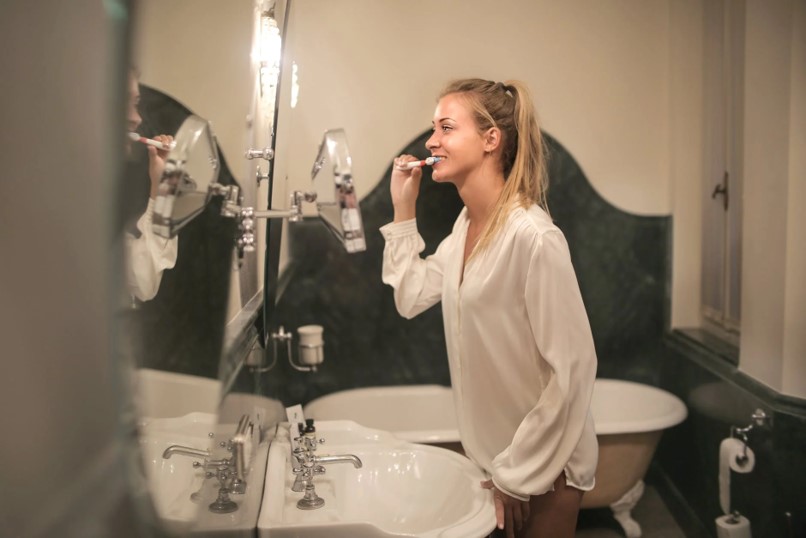
Brushing before breakfast & reasons for daily bath: Read more

Brushing and bathing why we need to

Stop unhygienic & unhealthy habits today: Read more

Stop unhygienic practice and habits today

References:

·         https://www.ncbi.nlm.nih.gov/books/NBK143998/

·         https://www.academia.edu/

·         https://www.thehealthy.com/

·         www.healthylife.werindia.com

·         https://shodhganga.inflibnet.ac.in/


Author: Sumana Rao | Posted on:
« »
« »

Recommended for you

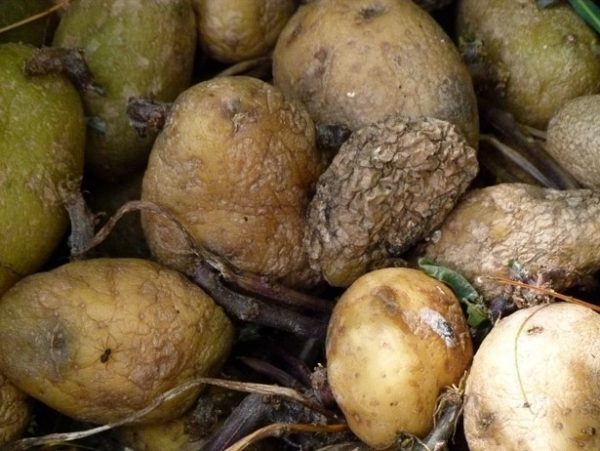
Antibiotic from rotten potatoes

Scientists Discover New Antibiotic From Rotten Potatoes That Could Control Disease in Both Plant And Humans

We often look at potato as a food that carries loads of carbohydrates and any preparation from potato is considered as “junk food”.  In our cooking system we think potato is there to dishes more interesting and tastier. Do you know potato has is a valuable crop and even rotten potatoes are valuable?

In a recent press release plant scientists revealed that rotten potato is very valuable as it produces a antibiotic that could help in controlling diseases in crops and can control bugs!

Recent discovery of a new antibiotic by multinational team of researchers in Europe reported discovery of a new antifungal antibiotic namely” Solanimycin”. This compound was isolated from a pathogenic bacterium that infects potatoes. Antibiotic produced by a broad spectrum of related pathogenic bacteria.

Most of the antibiotic that we extract originate from soil microbes. Solanimycin is also produced by a range of plant pathogenic bacteria. What is interesting is, this particular antibiotic may help to treat both plant pathogenic fungi as well as human infections.

Solanimycin is a potential source of antibiotic that could be used agronomically and clinically.

As per the reports solanimycin acts against a wide range of fungi that known to infect agricultural crops. In lab, solanimycin acted against the fungus that naturally causes infections in humans, Candida albicans. Thus, the results show it is a potential source to control both plant and human infections.

This study was conducted by Rita Monson, Microbiologist at University of Cambridge in association with molecular biologist Miguel Matilla from Spanish Research center, Granada. Today, Actinobacteria phylum, a soil fungus produces most therapeutic antibiotics. Discovery of Solanimycin in rotten potatoes is worth a closer look as it could help those crops where we find growing resistance from fungi for existing treatments.

Miguel_Matilla on Twitter: We describe in @mbiojournal  the discovery of a new #antibiotic active against human and plant #pathogens. Its production is regulated by two #quorum sensing systems and enhanced under conditions that mimic the plant host. @QSPapers @BlastMeetings

The pathogen that harbors in rotten potato is Dickeya solani is the one that produces solanimycin. This bacterium was identified more than 15 years ago. After the discovery, George Salmond, Molecular Microbiologist at University of Cambridge started investigating its antibiotic property. Strains of the bacterium emerging rapidly and are widely distributed – according to Dr. Miguel Matilla. Previously another antibiotic was discovered in D. solani, called oocydin A which is highly active against many plants’ fungal pathogens. This was the hint that made researchers to find the new antibiotic. When they silenced the genes responsible for the production of oocydin A, bacterium continued to show antifungal activity, thus led to track the cluster of genes that are responsible for the proteins that make Solanimycin!  

What is interesting is, the bacterium uses this compound sparingly. Means, it produces it in response to cell density and in acidic pH environment. “It’s an antifungal that we believe that will work by killing fungal competitors, and the bacteria benefit so much from this,” said Monson. “But you don’t turn it on unless you’re in a potato.”

What is next for Solanimycin?

Researchers already begun collaborating work with chemists to understand more about solanimycin’s chemical structure and how exactly it works. They will continue testing it on plant and animal pathogens. Immediately, their focus is on trying to use this antibiotic, antifungal for plant protection. They are hoping to coax D. solani to make more compounds that could be used for both plant and human diseases.

 References:

https://asm.org/

https://interestingengineering.com/

https://journals.asm.org/

Image credit: Imagen de Steve Theaker en Pixabay (CC by 0)


Author: Sumana Rao | Posted on: March 29, 2023
« »
« »

Recommended for you

Hearing and ear health

Protect Your Hearing & Ear Health

At one stage of our lives we might experience hearing loss or hard of hearing the sounds around us. Some hearing loss can be improved according to experts.

The three kind of hearing loss are:

Conductive hearing loss – This can be improved sometimes. It is caused by allergies, ear infections, otosclerosis of bones in inner ear or cholesteatoma, the cyst formation in inner ear. These medical issues can be fixed with medical help and hearing can be stored.

Sensorineural hearing loss – cannot be reversed. This hearing loss is due to the external factors including the age. Medications, diseases and overall health, noise level are few reasons for this. These factors can damage tiny sensory hairs in the cochlea of the ear. These structure cannot be repaired or fixed.

Mixed hearing loss – a combination of sensorineural and conductive hearing loss.

Degree of hearing loss:

  • Mild type: In Mild type hearing loss one may hear some speech sounds, but will have difficulty with soft sounds.
  • Moderate type: In moderate loss, one will struggle to hear or understand speech when someone is talking at a normal level.
  • Severe type: One will hear little-to-no speech when spoken at normal levels, and hear only some loud sounds.
  • Profound type: Ione will hear only hear very loud sounds in profound degree hearing loss

How to keep hearing health in good condition?

Keeping ears in healthy condition will have good impact on our listening and sound quality. To maintain good hearing capacity, irrespective of age following tips will help.

  1. Be mentally active: Do you know? Brain plays an important role in processing information that we receive in our ear? Anxiety, depression, stress has negative impact on hearing. Brain needs good workout. Brain exercises such as sudoku, word escapes, crossword puzzles, solving math problems, bingo, pokers – are great ideas to work your brain.
  2. Turn down the volume: The habit of listening to loud music, beats of the music, increased TV volume or video games has hugs impact on hearing. Keep noise down as much as possible. Doctors suggest that 85 decibels or louder sound an harm ear. If you cannot control the volume, move away from the sound or wear hearing protection such as ear bud or cover with ear covers.
  3. Ear wax: Sometimes ear wax could cause hearing issue and interfere in receptive to sounds. Talk to doctor and check for build up wax in ears. Your doctor will suggest whether wax should be removed if it is causing an issue on hearing.
  4. Stop smoking: Studies show that smoking and hearing loss are correlated. It is important to maintain healthy blood flow to inner ear cells. Prolonged exposer to carbon monoxide and nicotine can harm oxygen supply to ear cells. To improve hearing quality quit smoking today!
  5. Daily exercise: Exercise in any form improves blood circulation. It can be aerobic exercise, walk or work in gardening. Instead of sitting idle and watching TV, start moving to improve ear health.
  6. Practice yoga: Yoga has positive impact on hearing. Yoga helps to focus and several poses of yoga improves oxygen supply to head and ear. For example shirsasana (head stand), downward dog pose, leg up the wall, shoulder stands are some of the poses will assist better hearing by improving nerve functions and also by removing toxins.
  7. Meditation: Focusing on breathing while meditating will help blood circulation. Focus on sounds will help to concentrate on deciphering sounds in noisy settings. Thus meditation improves quality of hearing.
  8. Nutritious food: It is important to focus on diet too. Potassium is an important mineral that needs for good hearing. It plays a major role in inner ear function and in converting sounds to signals for brain to interpret further. Consume banana, potato, bean, and foods that are rich in potassium. Another mineral that is present in almond, cashews and other nuts is zinc. Zinc is effective in treating tinnitus, ringing, or buzzing sound. Folic acid is slows down the onset of hearing loss with age. Folate is important to maintain regular blood flow to ear. Consume leafy vegetables such as spinach, amaranthus, palak, broccoli to get more folic acid. Magnesium is important to fight free radicals and acts as a barrier to protect sensory hair or cochlea. Include Vitamin B in your diet to help nerve health.
  9. Diabetes control: Elevated blood sugar levels increases risk of hearing loss. High blood sugar damages blood vessels and nerves in the inner ear. It is important to control blood sugar by controlling diet and taking proper nutritious food.
  10. Regular ear check up: Talk to your doctor about hearing test and for a ear checkup.  Your physician may refer you to a hearing professional, who can help determine the type, cause and degree of your hearing loss and will be able to help you to maintain good hearing.

References:


Author: Sumana Rao | Posted on:
« »
« »

Recommended for you

Car cleaning tips

Simple car cleaning hacks

I many countries cars are like second home for their owners. They spend lot of time driving either to work or business trip or by traveling.

Car maintenance is important to keep cars running for many years. Keeping car clean inside is essential as we tend to spend more time inside the car.

Often the AC vents, heating unit gets dusty and we cannot afford to breath dusty air. If we have pets, then pets hair also get stuck to seats and on sides.

Instead of taking car to car cleaner every time, try cleaning car interior at home by these simple tips.

  1. Use vacuum and brush duster to clean all knobs – volume, temperature, AC knobs, break – brush of dust using duster
  2. Replace air filter: To get rid of bad and stinky odor, replace air filter once a while
  3. Trash removal: Keep a carry bag inside car always. Don’t throw trash in back seat or in car trunk or on road side. Instead, collect in carry bag and segregate trash for proper disposal at home.
  4. Magic eraser: Using magic eraser to remove any stains or sticky items off of leather or vinyl or fabric material of seat or interior
  5. Use old toothbrush: If things are sticky and stuck between fabric and vinyl texture, use an old toothbrush and scrub it off.
  6. Clean seams: Use a fine bristled brush or tooth brush to remove dirt and other particles from the seams.
  7. Kids car seat: Use lint roller, toothbrush, steam cleaner to clean kids car seat as it might contain things that can infect and irritate kids skin. Food particles, ice cream, milk, cereal, fruit pieces – many such things probably stuck to kids seat should be removed and seat should be kept clean to avoid any sickness.
  8. Mats: Floor mats might contain small stones, mud and spilled drinks. Take out mats and vacuum the surface. If it is machine washable throw them in washing machine for a good wash. Or use stain remover and wash mats outside using brush and soap.
  9. Pet hair: Remove animal hair by dampened gloves by running the hand over the surface. Use rubber glove to attract hair. You can also spray water and fabric softener mix on surface and run glove over it.  Buy a pet hammocks and drape it on seat where your pet sits.
  10. Dusting: Use a can of compressed air to dust in air vents and fans. Use a clay bar to remove stubborn materials from car surface.
  11. Shampoo seats: Using diluted all purpose cleaner and sponge shampoo the seats and inner surfaces.
  12. Headlights: Try removing cloudiness from headlight using good toothpaste. Apply non gel toothpaste on headlight and wipe using clean sponge/micro fiber cloth.
  13. Windshield cleaner: Use a proper steel wool and glass cleaner and treat windshield with recommended windshield coat to remove any streaks that can block and blur your view while driving. Clean windshield wipers using alcohol and soft cloth.
  14. Remove marks, birds excreta, tree sap using rubbing alcohol. Soak cotton swab in alcohol and rub it against the unwanted, dirty spot. Allow it to loosen and use a soft cloth to remove it. Wash surface using soap and water.
  15. Car windows: Use old newspaper to clean car windows. Spray window cleaner and ball the newspaper up and down to wipe the liquid.
  16. Keep all things that you carry in your car in proper place. Your sun glasses should be kept in its pocket, all coins that you collect -place in a cup or small box.
  17. Dashboard: After dusting, use little olive oil to wipe the whole dashboard surface to get fresh look
  18. Remove smell: Using baking soda – sprinkle baking soda on surfaces. Leave it for few minutes and vacuum it. Hand good, mild air freshener inside car.
  19. Keep all small tools that are necessary for car cleaning – ice scrapers, scrubbers, newspaper, washer fluid, brush etc in a small box in car trunk along with small car vacuum cleaner.
  20. Keep a food tray with compartments: When you need to have food or grab a bite, place it in food tray that comes with shallow compartments. This way, food won’t spill and won’t be messiness.

Removing unwanted things, dust and keeping windows, wind shield clean helps for a good drive.

Your journey and driving will be more joyful when you have a clean car!

Image credit: Photo by Clément M. on Unsplash


Author: Sumana Rao | Posted on: March 28, 2023
« »
« »

Recommended for you