All posts by Sumana Rao

Don't worry about the people in your past; There's a reason they didn't make it to your future.
Trataka yogic gazing for Eye health

Trataka yogic gazing for Eye health

To purify eyes and to improve eye vision by strengthening eyes muscles one can practice Trataka yoga and meditation.

This yoga technique helps to sleep and improves focus, improves weak eyesight and concentration.

It also improves ability to visualize and willpower. It is a cleansing practice of yoga that helps to gain the energy.

How to perform Trataka?

There are three phases to practice trataka. Before getting into phase sit in meditation pose.

First phase:  Fix your gaze on a moving object and hold it for a minute or two. If your mind starts thinking about something, notice the thought and let it go. Try to keep the eyes open. If eyes are tired and watery close the eyes gently and let the heat release through watery eyes. After a minute or two move into second phase.

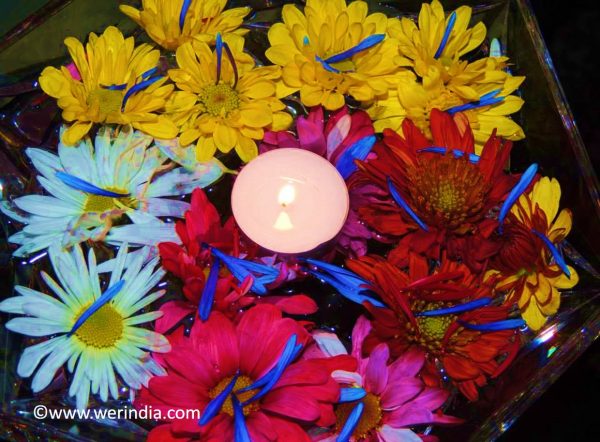
Second phase: Light an traditional oil lamp or candle.  Keep the candle at your chest level at arm length. Watch the flame by keeping eyes still. Candle will have three different colors. Base is reddish, middle is white and upper part is somewhat bright followed by slight smoke at tip. Concentrate on brighter part by focusing your eyes. Once eyes feel tired gently close the eyes. When you close the eyes image of flame appears within. Concentrate on that image but do not try to hold the image within with pressure as it fades away. Having image within concentrate on your meditation.

Third phase: This involves Sun, raising Sun. Morning apply little ghee (clarified butter) on your eyes and look at Sun only when it is red or orange and still Sun is touching horizon. Stare at Sun during Sun raise if it does not hurt your eyes and you should be able to keep your eyes fixed on raising Sun. This practice takes about 10 minutes either morning or one can stare at Sun during Sun setting time in the evening. When your eyes are tired and watery gently close the eyes, and go through meditation.

Practicing trataka not only is beneficial for eyes, it is relaxing for the mind as outside noise and distraction will be disconnected during practice.

**Trataka is not recommended for those who are psychologically affected and suffering from mental trauma.

Image credit: www.werindia.com


Author: Sumana Rao | Posted on: April 11, 2018
« »
« »

Recommended for you

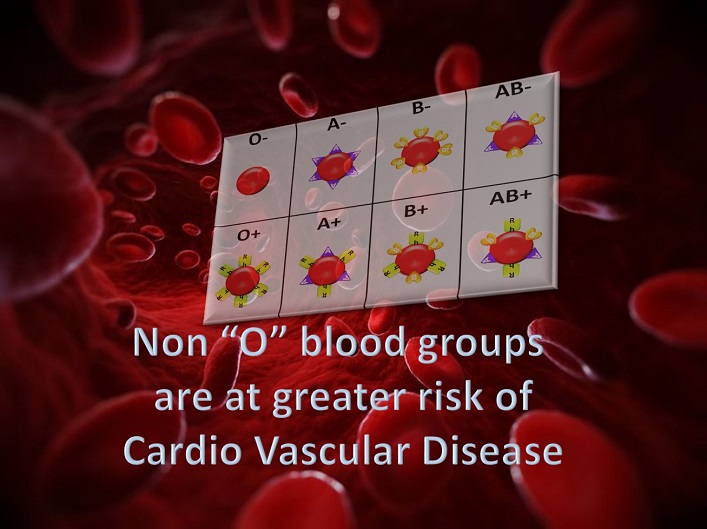
Non-O blood groups are at greater risk of Cardio Vascular Disease

Non-O blood groups are at greater risk of Cardio Vascular Disease

Tessa Kole, A Lead researcher at University Medical Center Gronigen, The Netherlands based on her studies on blood group and cardiovascular event has said that blood group of a person should be considered in the future as part of risk assessment in preventing cardiovascular disease.

Study was conducted on the data that included more than 1.3 million adults who were part of eleven cohorts across the nine studies. Team of scientists used this data to know the impact of blood group on coronary, cardiovascular and fatal coronary events.

Kole and team revealed that blood types and conditions related to cardiovascular system including heart attack, heart disease and failure and, cardiovascular death – all these are related to a person’s blood group!

Research team identified 771,113 individuals with A,B and AB group and 519,743 with O blood group for the coronary events analysis. Among this pool of individuals, 1.5 % (11,437) non-O group individuals experienced a coronary event when compared to 1.4% (7220) of people with O blood group. In combined cardiovascular events 2.5% (17449) individuals with non-O group experienced cardiovascular event compared to 2.3% O group.

Explaining her team’s findings Tessa Kole says “We demonstrate that having a non-O blood group is associated with a 9 percent increased risk of coronary events and a 9 percent increased risk of cardiovascular events, especially myocardial infarction.”

The reason for non-O group are at higher risk for cardiovascular events is possibly due to higher concentration of a blood clotting protein namely von Willebrand factor which has been associated with thrombotic events. Further Blood group A individuals are known to have higher cholesterol and all non-O blood group are at higher risk for heart failures due to galectin-3 which is linked to inflammation (in cardiovascular system.

As per Ms. Kole “more research is needed to identify the cause of the apparent increased cardiovascular risk in people with a non-O blood group. Obtaining more information about risk in each non-O blood group (A, B, and AB) might provide further explanations of the causes.”

As mentioned in BBC News report Dr Mike Knapton, an associate medical director at the British Heart Foundation, said the findings would not have a large impact on the current guidelines used to assess someone’s risk of a heart attack. “Most of a person’s risk estimation is determined by age, genetics (family history and ethnicity) and other modifiable risk factors including diet, weight, level of physical activity, smoking, blood pressure, cholesterol and diabetes.

“People with a non-O blood group type – A,  B and AB – need to take the same steps as anyone wanting to reduce their CVD risk.

Irrespective of whether your blood group is O or non-O group it is always better to take care of your diet. Quit smoking, balance your fat intake, include more vegetables, fruits and fibers in your food. Thinking “my blood group is O and it is okay to have cholesterol” is like inviting CVD to your door steps. If you’re unsure of your own particular blood type, you can easily find out by using a home blood type test kit or you can ask your physician to order a blood type test for you. Science discovers the facts and gives information and we need to take care of our health and lead healthy life!

References:


Author: Sumana Rao | Posted on: April 6, 2018
« »
« »

Recommended for you

Are you able to prevent and manage your stress properly

Are you able to prevent and manage your stress properly

Not all stress is bad. But chronic stress can lead to health problems. Preventing and managing chronic stress can lower your risk for serious conditions like heart disease, obesity, high blood pressure, and depression.

When people are under stress, they may feel:

  • Worried
  • Angry
  • Irritable
  • Depressed
  • Unable to focus

Stress also affects the body. Physical signs of stress include:

  • Headaches
  • Back pain
  • Problems sleeping
  • Upset stomach
  • Weight gain or loss
  • Tense muscles
  • Frequent or more serious colds

What causes stress? Change is often a cause of stress. Even positive changes, like having a baby or getting a job promotion, can be stressful. Stress can be either short-term or long-term.

Common causes of short-term stress:

  • Needing to do a lot in a short amount of time
  • Experiencing many small problems in the same day, like a traffic jam or running late
  • Getting lost
  • Having an argument

Common causes of long-term stress:

  • Problems at work or at home
  • Money problems
  • Caring for someone with a serious illness
  • Chronic (ongoing) illness
  • Death of a loved one

You can prevent or reduce stress by:

  • Planning ahead
  • Deciding which tasks need to be done first
  • Preparing for stressful events

Some stress is hard to avoid. You can find ways to manage stress by:

  • Noticing when you feel stressed
  • Taking time to relax
  • Getting active and eating healthy
  • Talking to friends and family

Read these tips to prevent and manage stress

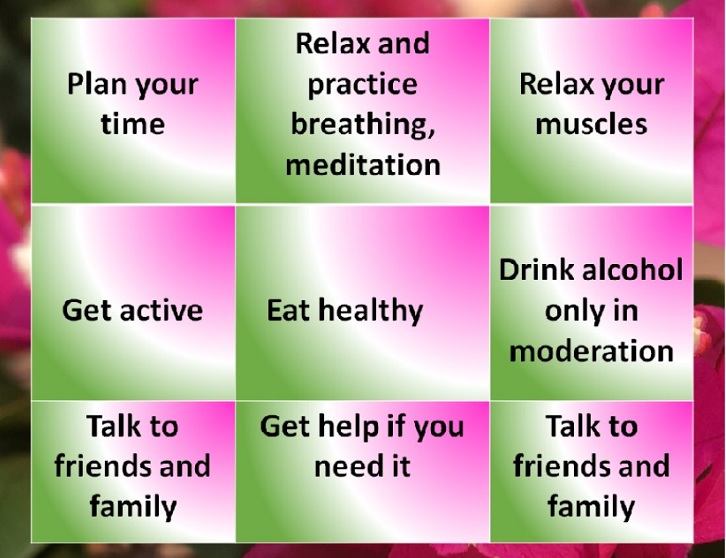
  1. Plan your time. Think ahead about how you are going to use your time. Write a to-do list and figure out what’s most important – then do that thing first. Be realistic about how long each task will take.
  2. Prepare yourself.
  • Prepare ahead of time for stressful events like a job interview or a hard conversation with a loved one.
  • Stay positive.
  • Picture what the room will look like and what you will say.
  • Have a back-up plan.
  1. Relax with deep breathing or meditation.
  • Deep breathing and meditation are 2 ways to relax your muscles and clear your mind.
  • Try meditating for a few minutes everyday
  1. Relax your muscles. Stress causes tension in your muscles. Try stretching or taking a hot shower to help you relax. Check out these stretches you can do.
  2.  Get active.
  • Do strengthening activities – like crunches or lifting weights – at least 2 days a week.
  • Be sure to exercise for at least 10 minutes at a time.
  • Aim for 2 hours and 30 minutes a week of physical activity. Try going for a bike ride or taking a walk.
  • Regular physical activity can help prevent and manage stress. It can also help relax your muscles and improve your mood.

6. Eat healthy. Give your body plenty of energy by eating healthy foods – including vegetables, fruits, and lean sources of protein.8

7Drink alcohol only in moderation. Avoid using alcohol or other drugs to manage stress. If you choose to drink, drink only in moderation. This means no more than 1 drink a day for women and no more than 2 drinks a day for men.

8. Talk to friends and family. Tell your friends and family if you are feeling stressed. They may be able to help

9. Get help if you need it. Stress is a normal part of life. But if your stress doesn’t go away or keeps getting worse, you may need help. Over time, stress can lead to serious problems like depression, anxiety, or PTSD (post-traumatic stress disorder).

If you are feeling down or hopeless, talk to a doctor about depression. If you are feeling anxious, find out how to get help for anxiety. If you have lived through an unsafe event, find out about treatment for PTSD.

Over time, chronic stress can lead to health problems. Managing stress can help you:

  • Sleep better
  • Control your weight
  • Get sick less often
  • Feel better faster when you do get sick
  • Have less neck and back pain
  • Be in a better mood
  • Get along better with family and friends

Being prepared and feeling in control of your situation might help lower your stress.

Lots of people need help dealing with stress – it’s nothing to be ashamed of!

Reference: https://healthfinder.gov

  • https://healthylife.werindia.com/body-and-mind/get-relief-body-pain
  • https://healthylife.werindia.com/your-road-to-healthy-life/stress-type-gut
  • https://healthylife.werindia.com/body-and-mind/dealing-moody-person
  • https://healthylife.werindia.com/body-and-mind/massaging-can-help-body-mind

Author: Sumana Rao | Posted on: April 4, 2018
« »
« »

Recommended for you

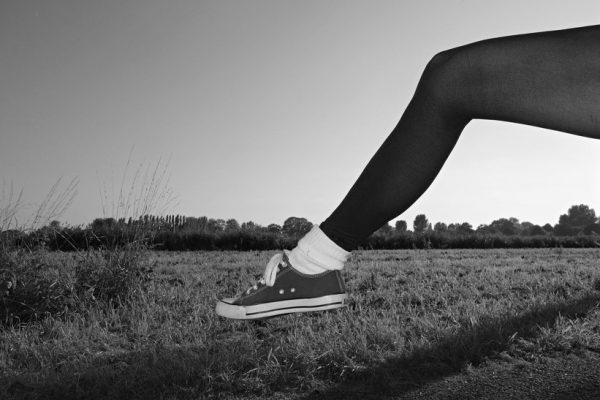
Home remedies for Leg cramps

Home remedies for Leg cramps

Reasons for leg cramps are many – Not drinking enough water, tired muscle, standing longer hours, sitting leg crossed, swimming for long time, not stretching after exercise etc.

Sometimes leg cramping happens due to inadequate supply of blood to legs.

It happens when the muscles in calves, quadriceps or hamstrings involuntarily contract.

Either the muscle will feel sore or tenderness sets in resulting in intense pain.

Muscle locks and we will be unable to move the legs.

Few home remedies one can try to improve strengthening of muscle as well as to reduce leg cramps.

  1. Pineapple juice: Drinking pineapple juice helps to reduce muscle inflammation and swelling. The bromelain enzymes help in recovery of muscles fast
  2. Black cohosh: This herb has antispasmodic property and helps in relaxation of muscle and relieves cramps.
  3. Ginkgo biloba: This gymnosperm helps to increase the blood circulation by dilating the arteries. Ginkgo supplements are available in market. If you are taking any type of medication then don’t mix Ginkgo and allopathy medicine.
  4. Turmeric and honey: Drinking warm turmeric water (1 tsp to one cup of water) with 2 tsp of honey helps in reducing inflammation and legs will come back to normalcy soon. Drink this three times a week before going to bed.
  5. Chamomile tea: Drinking chamomile tea before going to bed relaxes the body and helps to sleep. Most of the time cramps happens while we sleep and chamomile tea helps to recover.
  6. Ginger and honey: Add an inch of grated ginger to water and boil it. Add little milk and a tsp of honey, drink. Have this afternoon or at night for better results.
  7. Cayenne ointment: Applying cayenne pepper ointment on the surface helps to stimulate blood circulation and reduces pain.
  8. Lavender essential oil: Mix lavender essential oil with castor oil and coconut oil. Apply on legs and massage in circulation motion. This relieves leg pain and leg cramp.
  9. Rosemary essential oil: Add few drops of rosemary essential oil to hot water and take bath. Other option is to mix with coconut oi and applying by means of massaging helps.
  10. Molasses: To a cup of warm milk add one or two tea spoon of molasses and drink. Molasses contains calcium and potassium – both help in strengthening muscle.
  11. Other herbal supplements: Peruvian bark and cramp bark both have anti-inflammatory properties. Cramp bark is antispasmodic and helps to relax the muscle as well as nervous system.
  12. Drumstick leaves: For severe cramps, collect drumstick leaves and warm it for few minutes and tie around the leg muscle using a muslin cloth. One can apply drumstick leaves juice too to get relief from cramps.
  13. Castor oil and beetle leaf: Apply castor oil on beetle leaf and place it on cramp and pain area for some time. This is similar to stomach ache curing method in children and infants.
  14. Drinking water: Drinking recommended amount of water and keeping yourself hydrated helps. Dehydration is a reason for leg cramps.
  15. Eucalyptus oil: Sometimes leg cramp can be due to winter or cold weather. Applying Eucalyptus essential oil mixed with coconut oil/ olive oil helps.
  16. Epsom salt: Add Epsom salt to hot water and take bath. Or in bucket or bath tub add Epsom salt and water. Soak legs in this water for half an hour to get relief from cramping.
  17. Yellow mustard: Add 1 tsp of yellow mustard to 1 cup of warm milk and drink at night. Consume this every day till you feel the improvement.

Avoid standing longer hours, wearing uncomfortable and high heel shoes. Practicing drinking lot of fluid are always recommended. Once a week massage your legs using warm castor oil/olive oil/coconut oil and take bath – these practices help to get stronger legs.

www.healthylife.werindia.com : Grandma online


Image credit: https://www.needpix.com/photo/download/730803/leg-foot-body-limb-female-female-leg-woman-woman-leg-body-part (Free for commercial use)


Author: Sumana Rao | Posted on: April 2, 2018
« »
« »

Recommended for you

5 good ways to keep exercise in our life

5 good ways to keep exercise in our life

There are five good ways to keep ourselves going with exercise and to make fitness regime a part of our lifestyle.

It is helpful and important for our heart and body.

Instead of hating exercise, get into routine and make it every day hobby and you will love to exercise every day.

  1. Fitness regime that suits you

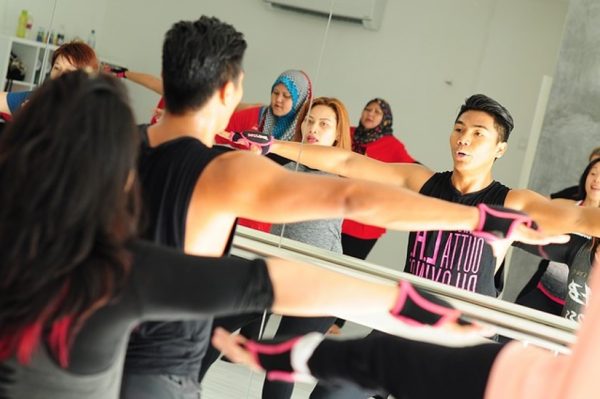
To motivate yourself, find out the exercise that suits you. If you are a social person and likes to be in the midst of people, then group fitness class should suit you as it is fun. If you prefer to be alone, walking, treadmill, cycling, jogging would be a better fit for you. Connect with friends and siblings to share your goals, lifestyle and hobbies. Challenge yourself and make change for better.

  1. Make it a Habit

Anything that we try takes some time to become a habit. Give yourself the time and slowly get into routine. But be firm and exercise around same time each day. It becomes addiction to your body in a positive way.

  1. Let exercise be part of your lifestyle

Make exercise one of your routine in your lifestyle. If you prefer to exercise morning hours and it is convenient for you, do it morning itself. If not, evening hours also should be good as there won’t be rush. Find a suitable time for your good hobby and fit it into your lifestyle. Don’t disrupt your lifestyle and don’t invest too much money into fitness. Find out what it best for your lifestyle and your body and go with it. One can watch YouTube video, borrow videos from public library or practice yogaPilates at home.

  1. How much exercise?

Start with 10-15 mins of exercise and increase it slowly. A 30 minutes’ exercise every day is good for heart and muscle. Wherever it is possible walk, don’t sit for longtime and move around to completed those 10,000 steps (recommended)

  1. Get back to track:

Missing one day workout is okay – no body is perfect and sometimes schedule may upset. However, get back to your routine soon or next day. Don’t give a long gap for your fitness routine. If not, body becomes lethargic and laziness occupies mind.

.

Reference: www.werindia.com 

Image credit: Image by Wenisa Ng from Pixabay (Free for commercial use)


Author: Sumana Rao | Posted on: April 1, 2018
« »
« »

Recommended for you

GUAVA - MIRACLE TREE

Guava – Miracle Tree

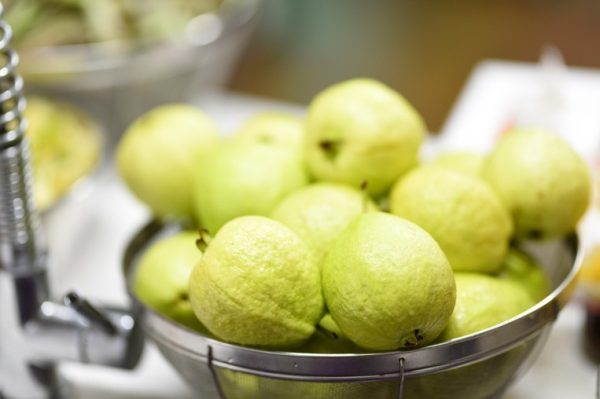
Guava (Botanical name: Psidium guajava) is a tropical tree and fruits are available throughout the year.

There are many varieties of guava based on the pulp and skin color – red, pink, green, white and yellow.  All varieties have sweet and slight sour taste. Guava belongs to Myrtaceae family.

Guava has many medicinal properties and makes it very unique plant. Flowers of these plants are beautiful and attractive. Fruits have unique fragrance and spreads for away.

Tender leaves are slightly bitter and during summer in many households of India, special dishes will be prepared using leaves.

Guava jam, smoothie, juice, fruit salad, ice-cream,  sweets all are made out of its delicious fruits.

Some of the medicinal properties of this wonderful plant are listed below:

  • Guava is one of the richest sources of Vitamin C.
  • Bitter young leaves are medicinal -good for diabetic condition.
  • Guava fulfills about 12% of our daily folate.
  • It makes up for significant nutrition in form of Magnesium, Manganese, Potassium and Phosphorus.
  • Guava -known for strengthening our immune system to regulating a healthy and ideal blood pressure.
  • It is a known anti-oxidant and vitamin rich composition makes it healthy for your eyes, skin and hair.
  • Fruit has lycopene content which controls tumor growth. Research shows lycopene content in Guava is as high as 5204 microgram.
  • The potassium in Guava is full fills 9% of our daily requirement.
    Because of its good content of potassium, it is considered as good electrolyte.
  • Potassium and vitamin C content helps in cardiac health.
  • Heavy antioxidant contents present in guava makes it suitable anti-agent. It decreases ageing process of skin and hair.
  • Guava is a good friend for diabetic patients. Guava sans skin helps in reducing the absorption of sugar. It has a very low gylcemic index and makes it more valuable.
  • Guava tender leaves and fruits help in relieving constipation. Both fruits and leaves are good source of fiber.
  • Vitamin A and beta- carotene present in Guava helps in eye health.
  • Because of astringent properties, Guava helps in keeping mouth, breath and gums clean.

Next time when you see Guava in the market or on road side market do not neglect, buy and eat to get all the good qualities of this fragrant fruit.

Image credit: Image by MYCCF from Pixabay (Free to use under Pixabay content license, published on January 27, 2022)


Author: Sumana Rao | Posted on: March 28, 2018
« »
« »

Recommended for you

You are what you eat

You are what you eat: Chakra way

There are so many different ways to eat, contained in the plethora of bestselling diet books that are overflowing on shelves. You’re probably familiar with eating for your blood type, genes or body type. But, how does one make sense of it all? Or, to put it simply, how do you really know how to eat?

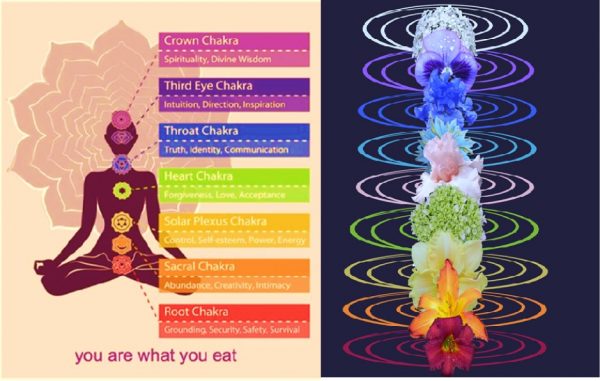
Our subtle energy is constantly sculpting in every moment which calls into question the validity of following a plain, prescriptive diet for a lifetime. If we are a dynamic being, shouldn’t our eating be as fluid and flexible? Subtle energy moves faster than matter and sets the template of the physical body. What if we were to consciously redefine our physical body by assessing our subtle energy needs? One of the ways we might venture to do this is through one of our internal subtle energy gauges – our chakras, or the portals in our being that align to the seven major endocrine glands. “Chakra” is an ancient Sanskrit term that means “wheel”. Essentially, these gateways are moving spirals of energy exchange. But they are more than that literal meaning – they can also be interpreted symbolically, aligning to the seven aspects of the self:

The root chakra, which is associated with the adrenal glands, corresponds to instinct and survival;

The sacral chakra (ovaries and testes) to emotions and creativity;

The solar plexus chakra (pancreas) to empowerment and transformation;

The heart chakra (heart and thymus) to love and gratitude;

The throat chakra (thyroid) to truth and authenticity;

The third eye chakra (pituitary) to wisdom and intuition;

The crown chakra (pineal gland) to interconnection and spirituality

Based on the chakra conditions you can decide what you want to eat and balance your mind and body: 

RED for ENERGY, Instincts and survival (Root Chakra) – If you are feeling run down, fatigued, burnt out, lazy or lethargic, red foods such as tomatoes, strawberries, raspberries and beets will help to boost your energy levels and body temperature.

  • Protein, Minerals, Root Vegetables, Edible and Medicinal Mushrooms, red-colored foods.

ORANGE for CONFIDENCE & SELF-WORTH (Creativity Chakra) – If you are low on confidence, doubting yourself or feeling unworthy of love, get yourself some oranges Things. Like mandarins, mangoes, carrots, squash, pumpkin and yams will all make a big impact on your feelings.

  • Foods for flow and feelings: Fats and oils (especially omega-3s), fish, tropical fruits, seeds, nuts, orange-colored foods.

YELLOW for JOY, empowerment and transformation (Solar Plexus Chakra) – If you are feeling depressed, sad or emotional, eat  bananas, sweet corn on the cob, some fresh pineapple or some yellow peppers and watch how your mood changes. Yellow is a natural mood enhancer and relieves you from that mood swing!

  • Foods for power and transformation: Complex carbohydrates, fiber, whole grains, legumes, yellow-colored foods.

GREEN for REJUVENATION, love and gratitude (Heart Chakra) – Feeling low on vital energy? stressed? Overworked? fatigue, acidity or toxicity? Consume cucumbers, lettuce, cabbage, baby spinach -make  salad and feel what happens to your feelings of stress. Likely they will melt away due to the enzymes, oxygen and chlorophyll.

  • Foods for love and compassion: Vegetables, sprouts, raw foods, foods rich in chlorophyll, any green-colored foods.

BLUE/BLACK for CALMING, truth and authenticity (Throat Chakra) – If you have anxiety in your body then enjoy a bowl of blueberries or blackberries. Blue and black foods help to tonify the kidneys and help to elicit honest communication.

  • Foods for communication and truth: Sea plants, soups, sauces, juices, fruits.

VIOLET for PEACE (Third-Eye Chakra) – These foods will help to calm your energy and bring you peace if you are feeling frustrated, angry or unable to forgive. Foods like eggplant, purple kale, grapes etc., will help to bring you peace and calm. Egg plant dishes would help you out.

  • Foods for intuition and insight: Herbal tea, blackberries, blueberries, purple color vegetables.

WHITE for STRENGTH (Crown Chakra) -What you can eat ? There are many foods here in the list: garlic, ginger, onion, lychee, rice, coconut, guava, radish and other tropical fruits help to give you strength and power. If you are feeling  down enjoy dosa and idli  and some white foods and gain back your strength.

  • Foods for unification and interconnection: Sun- and moon-light, clean air, unconditional love and of course what is mentioned above!

References: curejoy.com, giamtv.com, http://www.thirdeyeonline.com/

Image credit: https://www.needpix.com/photo/1634824/chakras-rainbow-chakra-new-age-symbol-yoga-crown-circle-center (Free for commercial use)


Author: Sumana Rao | Posted on: March 27, 2018
« »
« »

Recommended for you