Don't worry about the people in your past; There's a reason they didn't make it to your future.
Include Cabbage In Your Diet to Promote Overall Health
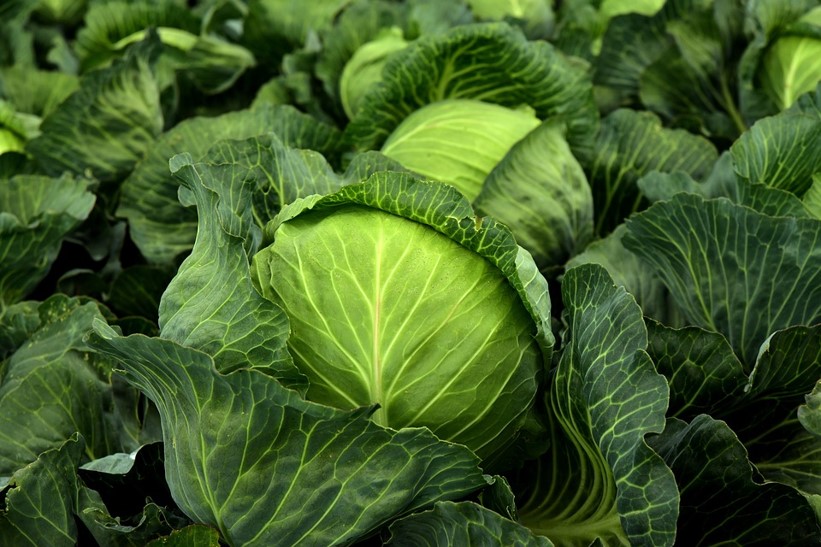
Cabbage is one of the easy to cook and low-priced vegetable. It is another cruciferous member, known as Brassicaceae familythat also have other popular vegetables such as cauliflower, broccoli. The most common cabbage variety that we see is light green variety. There are other varieties that exhibit red, purple, savoy.
Cabbage can be eaten raw or cooked. Most of the time we tend to overcook cabbage. Cabbage cooking takes less time and within 10 minutes it can be perfectly cooked under steam. It is one of the oldest vegetables used for soup, bread, salad, stir fry, used in sauerkraut etc. Adding cabbage in diet provides several health benefits.
Cabbage contains Sulforaphane a sulfur compound. In addition it also supplies, Vitamin K, C, A, iron, riboflavin, Vitamin B6, folate, manganese, calcium, potassium, polyphenols and fiber. It provides zero calories. Cabbage has 1 gram of fiber for every 10 calories.
Digestion improvement: Fiber content in cabbage promotes gut health by improving digestion. Eating cabbage clears system well and reduces gut inflammation.
Lowers cholesterol: Contents of cabbage binds to fat molecules and passes through stool. This reduces cholesterol.
Fights cancer: Sulforaphane known to inhibit cancer growth. Antioxidants in the cabbage helps to rejuvenate normal cells. Cabbage may reduce estrogen level and reduces risk of breast cancer.
Promotes weight loss: No fat in cabbage makes it perfect to include in diet.
Reduces body inflammation: It is an anti-inflammatorycontains glutamine and keep inflammation and joint pain in check.
Good for brain health: Vitamin K in cabbage improves memory and helps in Alzheimer’s and dementia.
Cure for hangover: Cabbage juice is known to reduce alcohol hangover. It absorbs acetaldehyde in alcohol and helps to get over hangover fast.
Good for skin: Antioxidants present helps to keep skin in good condition, reduces wrinkles and helps in skin rejuvenation.
Boosts energy: Nutrient rich cabbage is a best energy booster. Packed with Vitamin B, folate, potassium, calcium – it improves fatigue.
Detoxification: Cabbage and cabbage juice detoxifies body.
Reduces swelling and promotes wound healing.
How to include cabbage in your diet?
One can consume cabbage raw or cooked.
In soup: Add grated cabbage in soup. It gives crunchiness to soup just like tender bamboo shoots.
Prepare curry: Prepare Indian style cabbage curry with couple of green chili, grated coconut or add little curry powder for spice.
Cabbage juice: To one cup of grated cabbage, add little water and grind. Sieve the content, collect the juice. Add water to make it thin. You can add carrot to this juice.
Bake cabbage fritters: Instead of deep frying bake cabbage fritters.
Roasted cabbage: Cut cabbage into small squares, apply olive oil, sprinkle lemon juice, salt and crushed pepper. Roast at 375F
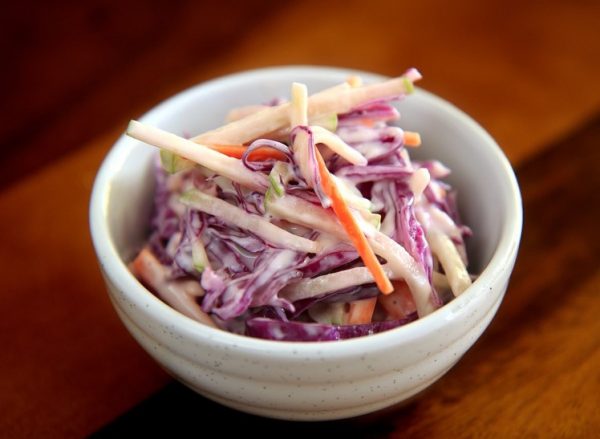
Cabbage salad: To grated or thin cut cabbage, add grated carrot, baby spinach, olives. Prepare salad with your favorite salad dressing.
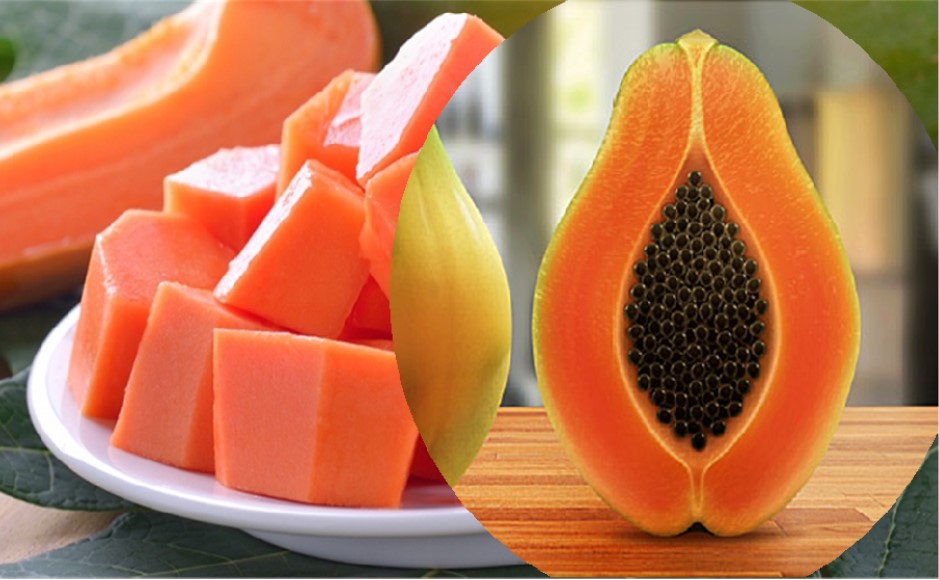
Cabbage, papaya, pineapple slaw: To shredded cabbage, add cut papaya or mango, pineapple and mix. Add few sweet red pepper, cut cilantro, lime juice, crushed pepper and ground cumin. Mix and serve.
Cabbage rice: Just like vegetable rice or pulao, prepare cabbage rice. Use Basmathi rice for more flavor. Do not overcook cabbage. Steam cabbage for 5 minutes and add to rice. Season with ghee – add cumin, curry leaves and garnish with chopped cilantro.
Are there any side effects consuming cabbage? Like other herbs, cabbage has few side effects. It might affect blood sugar level. It also might worsen under-active thyroid gland condition. It can also cause bloating like other members of Brassicaceae.
Overall, cabbage is good for health and as it is less expensive is the food of everyone. Include cabbage in your diet to get all the benefits.
Image credit: Cabbage head: Image by Ulrike Leone from Pixabay (Free for commercial use)
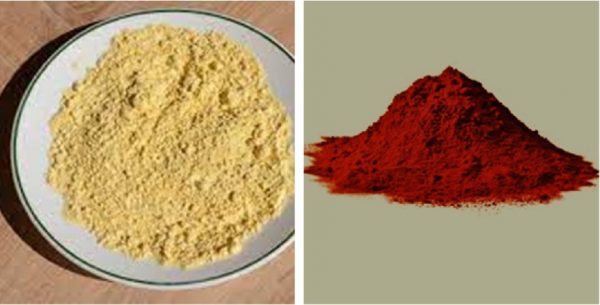
1) Red sandalwood paste is a good remedy to get rid of those stubborn pimples. Red sandalwood has cooling effect too. Make paste out of the red sandalwood either using little milk or water. Apply the paste on acne/ pimple. Do this night before going to bed. Morning wash the face.
2) Mix the red sandalwood paste in warm milk and drink – this helps to sooth the digestive system and skin will feel better in few weeks.
3)Combination of basil, saffron, milk and turmeric when mixed with red sandalwood, to make a paste, will help to get a luculent look which is free from acne.
Besan powder (gram flour):
Besan – good for all skin types, along with other ingredients, adds that perfect glow to your face. Make a pack of gram flour) with turmeric, lemon drops and some milk cream. Apply this over your face and keep it on for 15-20 minutes Wash off with tap water and pat dry.
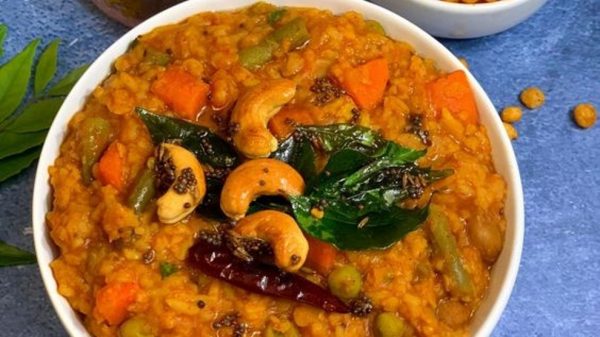
Bisibele bath is a delicious rice-lentil combination dish that also contains mixed vegetables. The spices that are required for bisibele bath preparationare gut friendly and helps to digest the food easily. Bisi stands for temperature hot (in Kannada) bele for lentil and bath means mix of rice with all these other ingredients.
One can prepare bisibele bath using instant masala powder. However, preparing this dish from scratch is favorite exercise of many as the taste comes out really yummy. Try bisibele bath with raita, chips or pickle on side for breakfast, lunch or dinner.
Ingredients:
Raw rice – Sona Massori- 1 cup
Toor dal – 1 cup
Fine cut mixed vegetables- Green beans, carrot, potato (few) or Mixed vegetable frozen bag
Green peas fresh – 1/2 cup
Onion- Small round onions -few
Jaggery – small piece
Salt – as per taste
Asafetida – little
Curry leaves – few
Green chili -1
Cashew – few (optional_
Ghee – 1 tsp
Oil for seasoning
For masala grinding:
Red chilli – 6
Coriander seeds – 1 Tbsp
Fenugreek seeds – ½ tsp
Cumin – ½ tsp
Tamarind – pulp or 2 inch
Poppy seeds – 1 tsp (optional)
Clove -2
Cinnamon – 1 inch stick
Black peppercorn- 5-6
Grated coconut-1/2 cup
Preparation:
Cook rice and toor dal in pressure cooker. Both ingredients should be cooked soft.
Cook cut vegetables, peas, green chili, small onion by adding little turmeric powder and water.
Grind masala ingredients together to fine paste by adding enough water.
In a deep vessel, add masala, cooked rice-dal and vegetables and bring it to boil on medium heat. Add jaggery, salt and ghee. Add water to reduce the thickness.
In a pan heat oil and prepare seasoning using mustard, asafetida, curry leaves, one small red chili. Add cashew either to seasoning or dry fry to golden brown.
Transfer seasoning and cashew to bisibele bath and if needed add little more water and mix well.
Remove bisibele bath from heat and serve hot with side dish like Indian papad, raita, spicy chips, or pickle.
CDC What to Expect after Getting a COVID-19 Vaccine
We all are new to Covid-19 vaccines and are not sure what to expect after taking the new vaccine. Like any other vaccines or like flu shots, some side effects are expected. In US people are getting vaccinated to fight Covid. One of the two FDA approved vaccines- Pfizer-BioNTech COVID-19 vaccine or Moderna’s COVID-19 vaccine are being administered. What are the side effects and when one should be contacting doctor regarding allergic reactions, what are symptoms of side effects etc. these are the doubts arises in one’s mind. Center For Disease Control has answered several such questions- for those who would like to know about the safety, allergic reactions, and what to expect after one receives Covid-19 vaccine -Healthy LIfe
COVID-19 vaccination will help protect you from getting COVID-19. You may have some side effects, which are normal signs that your body is building protection.These side effects may affect your ability to do daily activities, but they should go away in a few days.
Common side effects
On the arm where you got the shot:
Pain
Swelling
Throughout the rest of your body:
Fever
Chills
Tiredness
Headache
Helpful tips
If you have pain or discomfort, talk to your doctor about taking an over-the-counter medicine, such as ibuprofen or acetaminophen.
To reduce pain and discomfort where you got the shot:
Apply a clean, cool, wet washcloth over the area.
Use or exercise your arm.
To reduce discomfort from fever:
Drink plenty of fluids.
Dress lightly.
When to call the doctor
In most cases, discomfort from fever or pain is normal. Contact your doctor or healthcare provider:
If the redness or tenderness where you got the shot increases after 24 hours
If your side effects are worrying you or do not seem to be going away after a few days
If you get a COVID-19 vaccine and you think you might be having a severe allergic reaction after leaving the vaccination site, seek immediate medical care by calling 911 or emergency number.
Remember
Side effects may feel like flu and even affect your ability to do daily activities, but they should go away in a few days.
With most COVID-19 vaccines, you will need 2 shots in order for them to work. Get the second shot even if you have side effects after the first shot, unless a vaccination provider or your doctor tells you not to get a second shot.
It takes time for your body to build protection after any vaccination. COVID-19 vaccines that require 2 shots may not protect you until a week or two after your second shot.
It’s important for everyone to continue using all the tools available to help stop this pandemic as we learn more about how COVID-19 vaccines work in real-world conditions. Cover your mouth and nose with a mask when around others, stay at least 6 feet away from others, avoid crowds, and wash your hands often.
COVID-19 vaccination will help keep you from getting COVID-19
All COVID-19 vaccines currently available in the United States have been shown to be highly effective at preventing COVID-19. Learn more about the different COVID-19 vaccines.
All COVID-19 vaccines that are in development are being carefully evaluated in clinical trials and will be authorized or approved only if they make it substantially less likely you’ll get COVID-19. Learn more about how federal partners are ensuring COVID-19 vaccines work.
Based on what we know about vaccines for other diseases and early data from clinical trials, experts believe that getting a COVID-19 vaccine may also help keep you from getting seriously ill even if you do get COVID-19.
Getting vaccinated yourself may also protect people around you, particularly people at increased risk for severe illness from COVID-19.
Experts continue to conduct more studies about the effect of COVID-19 vaccination on severity of illness from COVID-19, as well as its ability to keep people from spreading the virus that causes COVID-19.
To keep a home clean, some rooms and items need to be cleaned
everyday. Other rooms and items must be cleaned once a week, once a month and
once in a season. This periodic cleaning helps to keep home always clean, neat
and healthy. To clean a clean home, have
a schedule. These periodic cleaning tips will help to keep a clean home clean
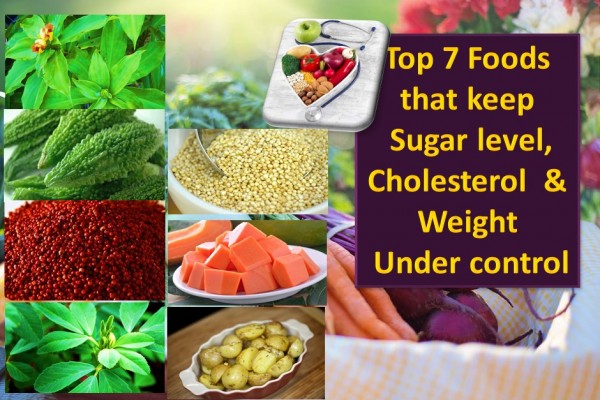
We never know when we will our sugar level exceeds to put us on diabetic chart. We all need to take precaution and watch our diet to make sure that our blood sugar level does not exceed the normal level. One way to do it is including certain foods that keeps sugar at bay. Research show that few plants are excellent health source for diabetic patientsand helps them to lead normal life. These 7 plant foods can be included by anyone in diet to keep health in good condition.
Leaves of insulin plant Costus igneus is popular because it reduces blood sugar level. Clinical studies proven that insulin plant teahelps to reduce blood sugar levels effectively. Not only it reduces sugar level, it is also known to reduce cholesterol and good for heart. Costus belongs to ginger family, originated in American continent and now is a popular herb in various parts of the world. It is available in many medicinal plant gardens and herbal centers.
How to use:
One can chew fresh leaf or prepare tea by boiling leaves.
Leaf powder: If you grow plant collect leaves, wash and shade dry. Powder dried leaves and consume half to 1 tsp per day.
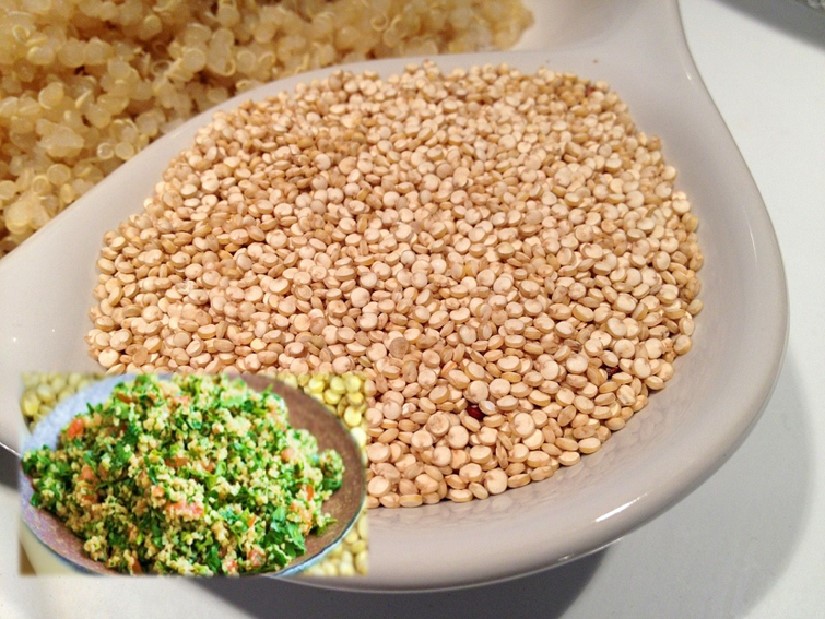
Quinoa wonderful grain which has glycemic index of around 53 is another grain that should be in your diet plan. It does not increase blood sugar level. It is considered as complete protein itself as it contains most of the amino acids in it. In addition, quinoa contains other nutrients in good amount. Glycemic index of quinoa is very low. It means it is one of the desired food for diabetic condition.
Quinoa provides slightly more fiber per serving. A cup of cooked quinoa boasts a fiber content of 5.2 grams, which fulfills 14 percent of the recommended daily fiber intake for women and 20 percent for men, according to the Institute of Medicine. Oatmeal still offers a generous amount of fiber, at 4 grams per cup. Adding fiber in the diet not only promotes digestive health and fights constipation and helps control digestive disorders like diverticulosis and also fights hunger, combats obesity and prevents Type 2 diabetes.
How to use quinoa?
Instead of white rice try cooked quinoa. Or add quinoa in upma, salad etc. Quinoa can be cooked and made into salad by adding cucumber, tomato, onion, carrots, and other salad vegetables. One can replace quinoa with rice and have for lunch or dinner too.
Image credit: Image by Evita Ochel from Pixabay (Free for commercial use)