All posts by Sumana Rao

Don't worry about the people in your past; There's a reason they didn't make it to your future.
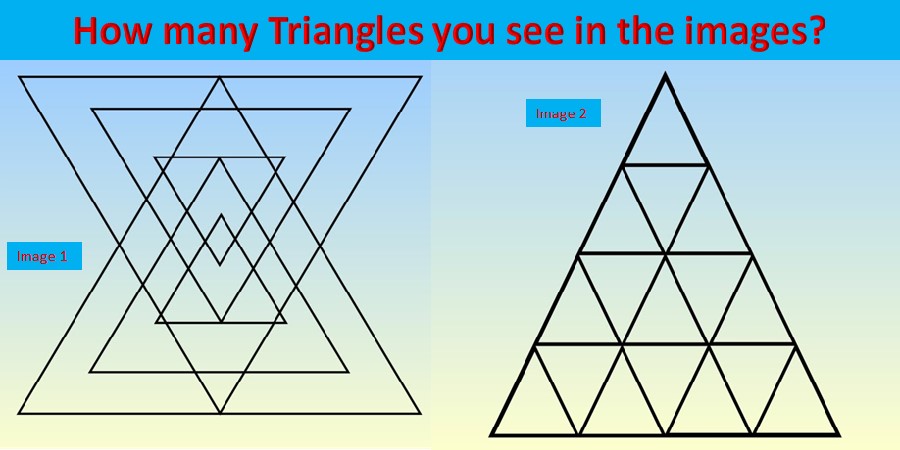
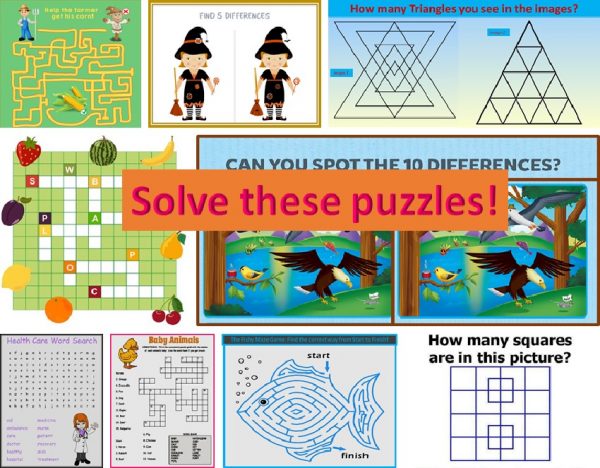
Solve these puzzles

Solving Puzzles helps children development

Solving puzzles has many benefits for children. There are hundreds of different varieties of puzzles one can come across. Every puzzle teaches and improves different skills in kids. Puzzle teaches kids about the concept of whole and introduces them to bigger, better picture.

One way to help children to cope up with lockdown and pandemic is to divert them to different kind of activities. Activities that make children to engross and keep mind occupied will help them to discover and grow hidden skills.

Advantage of solving puzzles in kids:

  1. Increases physical coordination: Improves hand to eye coordination
  2. Problem solving, memory skills and judgement skills will improve
  3. When siblings and friends participate with your kids to solve puzzles it helps them to build good attitude towards teamwork. It improves their communication skills too.
  4. When a child achieves the goal, it brings sense of accomplishment and they will look forward for more challenge. It builds self-esteem.
  5. Puzzles helps to build child’s memory. Practicing and playing puzzles improves concentration and improves memory.
  6. Fine motor skills – some puzzles require hand movement. Using hands to fix the puzzle pieces improves hand muscle strength as well as develop fine motor skills.
  7. Teaches patience- Dealing with puzzles teaches them to be patient and they will know solving problem will give good feeling.

While at home during the pandemic, give varieties of puzzles to your child. Help them to solve it. This might also move their attention from bright screen.  Take advantage of this time to bond with your child and understand the hidden skills in your child.  

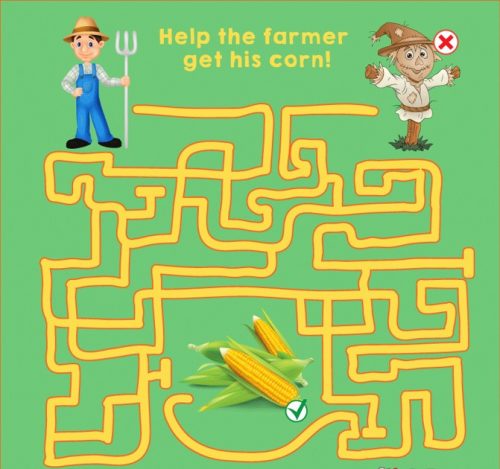
Below we are sharing few simple puzzles to age group 5-12. Let your child start with simplest puzzle.  Give direction and guide them initially. You will be surprised to see the how well child will handle the puzzle.

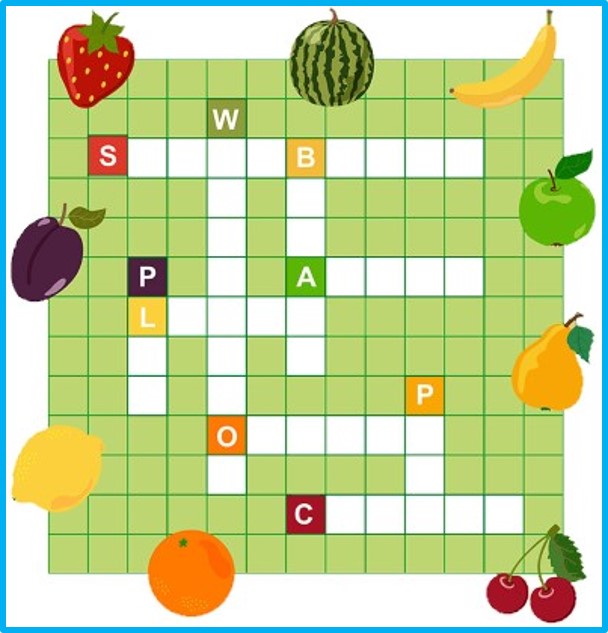
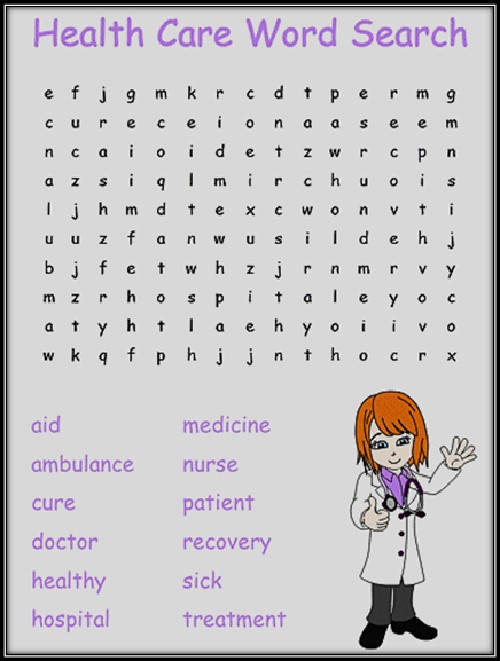
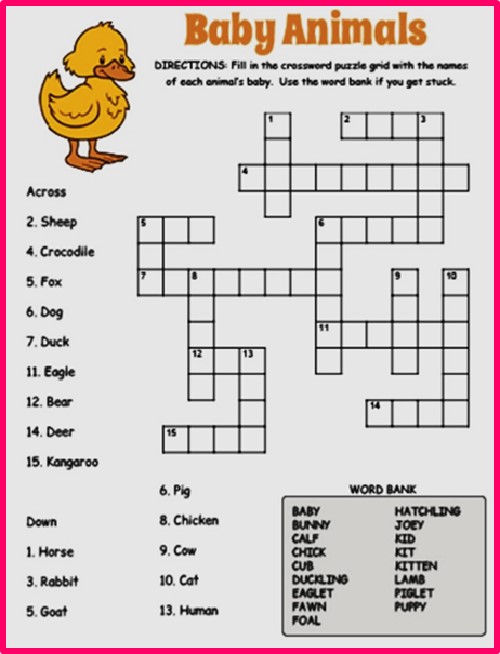
  • Crossword puzzles introduce them to new words, teaches them spelling, increases their vocabulary and focus.
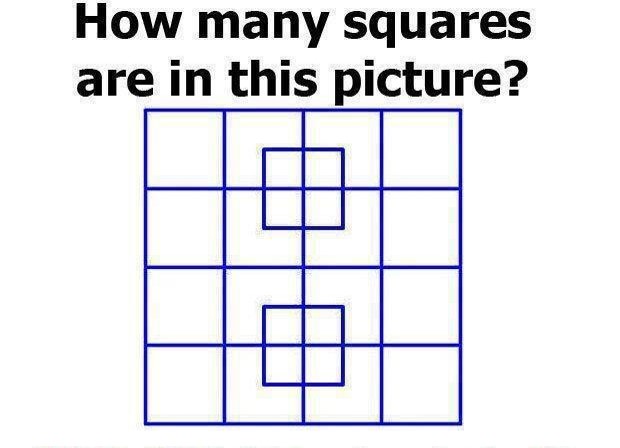
  • Shape puzzles brings interest in math and will help them to in recognizing, differentiating shapes like triangle, square, circle, rectangle etc.
  • Map puzzles or science puzzles – improves vocabulary and subject knowledge
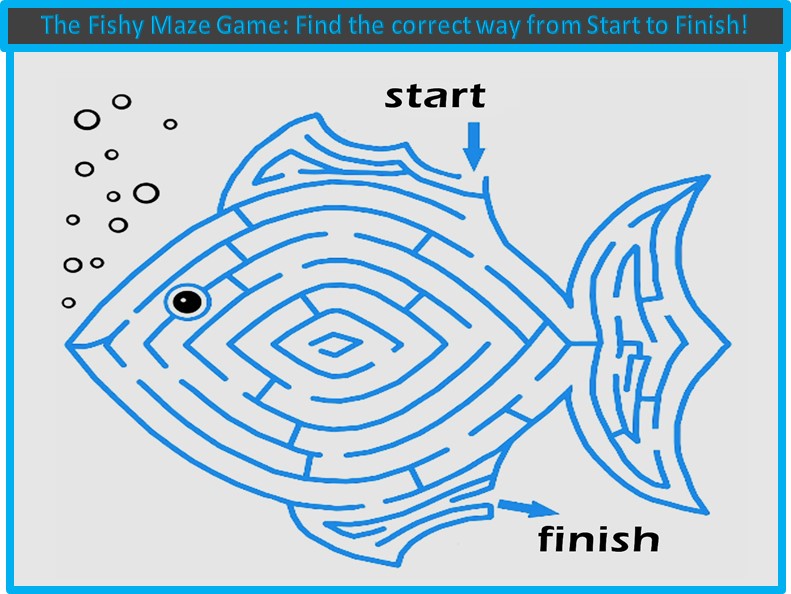
  • Maize puzzles or road puzzles increases their attention span and problem-solving skills.
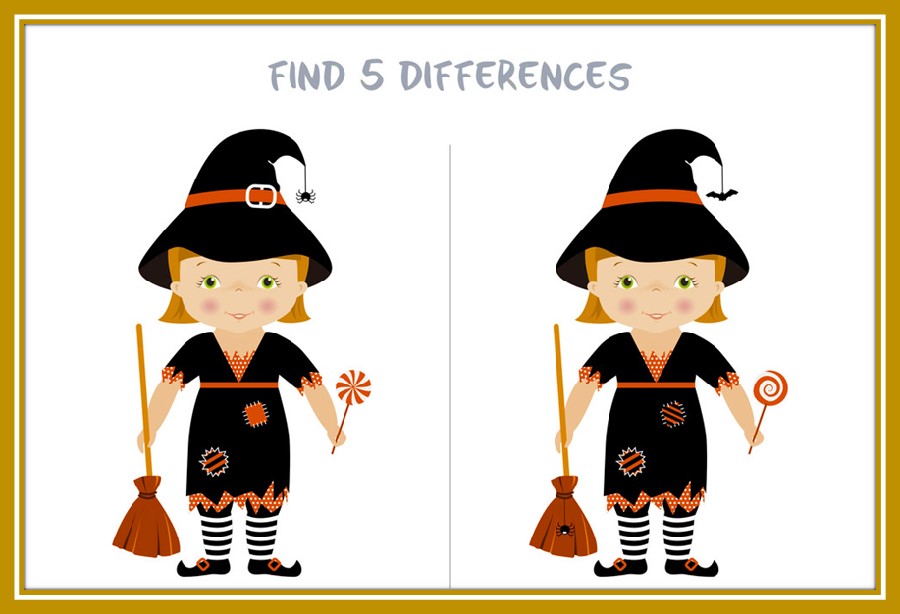
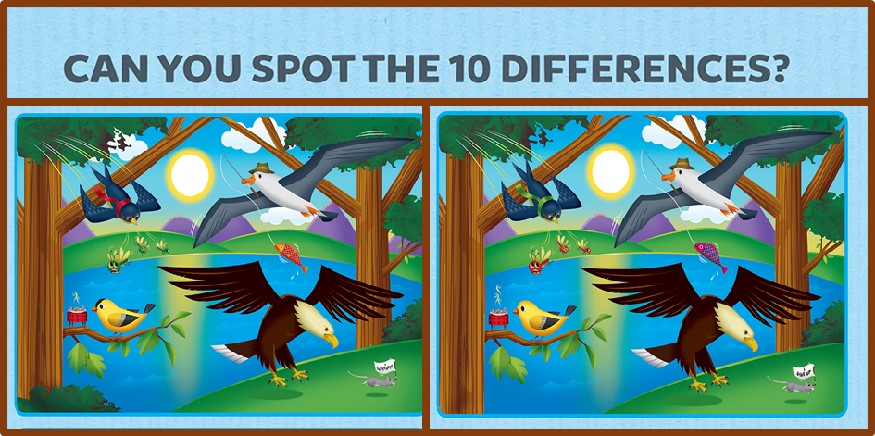
  • Find the difference images makes them curious and spotting objects around them.
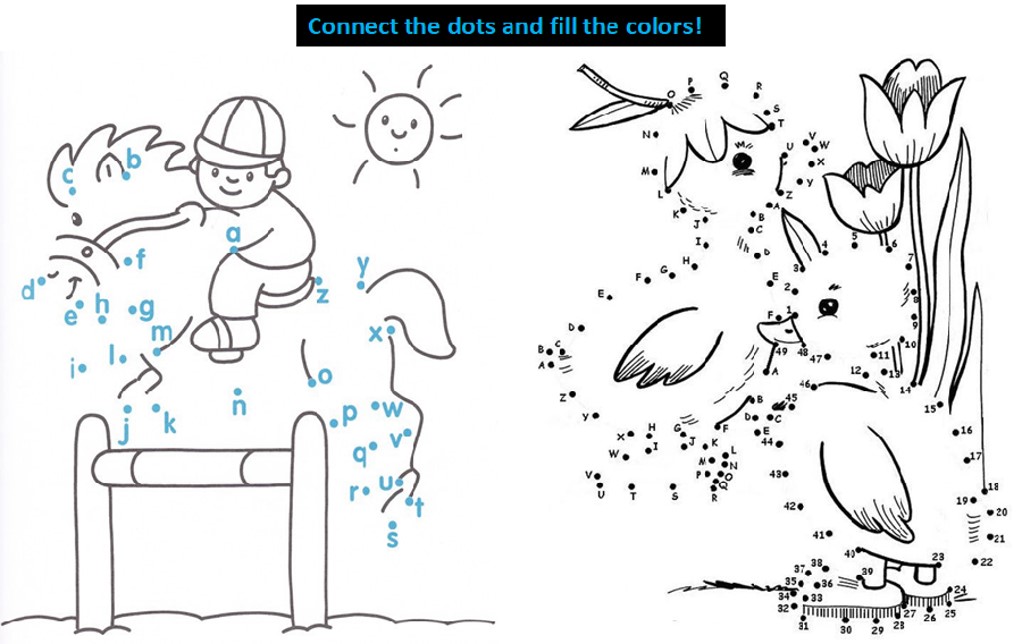
  • Connecting dots and coloring makes them think and allows for creative freedom
References:

Images: Google curtesy


Author: Sumana Rao | Posted on: July 16, 2021
« »
« »

Recommended for you

Healthy eating plan

Healthy Eating Plan Helps To Control Weight Gain

Many factors, including consuming more calories than you need from food and beverages, lack of sleep, and low levels of physical activity, may play a part in gaining excess weight. Here are some factors that may influence weight and overall health.

  • The world around you. Your home, community, and workplace all may affect how you make daily lifestyle choices. Food and beverages high in fat, added sugar, and calories are easy to find and sometimes hard to avoid. And they often cost less than healthier choices like fruits and vegetables. On top of that, smartphones and other devices may make it easy for you to be less active in your daily routine.
  • Families. Overweight and obesity tend to run in families, suggesting that genes may play a role in weight gain. Families also share food preferences and habits that may affect how much, when, and what we eat and drink.
  • Medicines. Some medicines, such as steroids, and some drugs for depression and other chronic health problems, may lead to weight gain. Ask your health care professional or pharmacist about whether weight gain is a possible side effect of medicines you are taking and if there are other medicines that can help your health without gaining weight.
  • Emotions. Sometimes people snack, eat, or drink more when they feel bored, sad, angry, happy, or stressed—even when they are not hungry. Consider whether it might be your emotions making you want to eat, and try doing something else to help you cope with negative feelings or celebrate your good mood. That can help you feel better and avoid weight gain.
  • Lack of sleep. In general, people who get too little sleep tend to weigh more than those who get enough sleep.  There are several possible explanations. Sleep-deprived people may be too tired to exercise. They may take in more calories simply because they are awake longer and have more opportunities to eat. Lack of sleep may also disrupt the balance of hormones that control appetite. Researchers have noticed changes in the brains of people who are sleep deprived. These changes may spark a desire for tasty foods.3 Learn more about sleep deprivation and deficiency and strategies for getting enough sleep.

Consuming Healthy Food and Beverages

Being aware of food portion size, the kinds of foods and beverages you consume, and how often you have them may be a step to help you make healthier food choices.

What kinds of foods and drinks should I consume?

Consume more nutrient-rich foods. Nutrients—like vitamins, minerals, and dietary fiber—nourish our bodies by giving them what they need to be healthy. Adults are encouraged to consume some of the following foods and beverages that are rich in nutrients

fruits and vegetables

  • whole grains, like oatmeal, whole-grain bread, and brown rice
  • beans, peas, unsalted nuts, and seeds
  • sliced vegetables or baby carrots with hummus
  • fat-free or low-fat milk and milk products

If you’re sensitive to milk and milk products, try substituting

  • nondairy soy, almond, rice, or other drinks with added vitamin D and calcium
  • lactose-reduced fat-free or low-fat milk
  • dark leafy vegetables like collard greens or kale

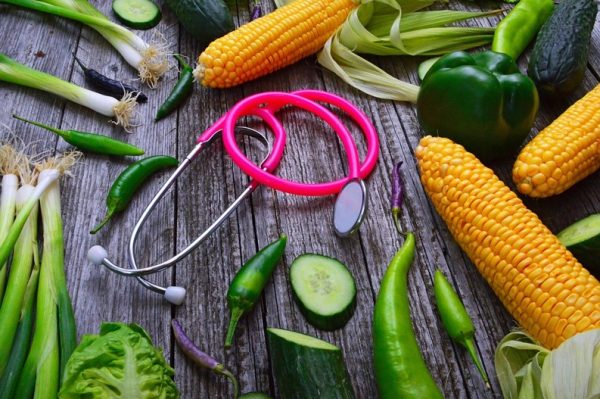
A display of fresh vegetables, beans, fruit,lean proteins, healthy fats, whole grains, and milk.

Fruit, colorful veggies, beans, fish, and low-fat dairy products are rich sources of nutrients that give our bodies what they need to be healthy.

Consume less of these foods and beverages. Some foods and beverages have many calories but few of the essential nutrients your body needs. Added sugars and solid fats pack a lot of calories into food and beverages but provide a limited amount of healthy nutrients. Salt does not contain calories, but it tends to be in high-calorie foods. Adults should aim to limit foods and drinks such as

  • sugar-sweetened drinks and foods
  • foods with solid fats like butter, margarine, lard, and shortening
  • white bread, rice, and pasta that are made from refined grains
  • foods with added salt (sodium)
  • whole milk

Easy snack ideas. Instead of sugary, fatty snacks, try

  • fat-free or low-fat milk or yogurt
  • fresh or canned fruit, without added sugars
  • Baking dish with peas, carrots, and rice.

How to follow a healthy eating plan?

These tips may help you stay on track with your plan to eat healthier.

  1. Reduce the overall calories you consume. If you consume more calories than you use through daily living, exercise, and other activities, it may lead to weight gain. If you consume fewer calories than you use through physical activity, it may lead to weight loss.
  2. Have healthy snacks on hand. Whether you are at home, at work, or on the go, healthy snacks may help combat hunger and prevent overeating. Look for snacks that are low in added sugar and salt. Your best bets are whole foods—like baby carrots, fresh fruit, or low-fat or fat-free yogurt instead of chips, cakes, or cookies—rather than packaged or processed foods.
  3. Select a mix of colorful vegetables each day. Choose dark, leafy greens—such as spinach, kale, collards, and mustard greens—and red and orange vegetables such as carrots, sweet potatoes, red peppers, and tomatoes. If you have had kidney stones, be aware that some vegetables, like spinach and sweet potatoes, are high in oxalate, a chemical that combines with calcium in urine to form a common type of kidney stone. So, if you have kidney stones, you may need to watch how much of this you eat. But for others, these are great choices. Eat a rainbow of food colors!
  4. Choose whole grains more often. Try whole-grain breads and pastas, oatmeal, or brown rice.
  5. Shift from solid fats to oils. Try cooking with vegetable, olive, canola, or peanut oil instead of solid fats such as butter, stick margarine, shortening, lard, or coconut oil. Choose foods that naturally contain oils, such as seafood and nuts, instead of some meat and poultry. And use salad dressings and spreads that are made with oils rather than solid fats.
  6. Switch from frying to baking or grilling. Instead of ordering fries when eating out, ask for a side of steamed veggies.
  7. Limit foods and beverages that are high in sugar and salt. Avoid snack foods high in salt and added sugars; and keep away from sugary soft drinks.
  8. Read the Nutrition Facts label on packaged foods. The Nutrition Facts label tells you how many calories and servings are in a box, package, or can. The label also shows how many ingredients, such as fat, fiber, sodium, and sugar—including added sugars—are in one serving of food. You can use these facts to make healthy food choices.

Resource: https://www.niddk.nih.gov/syndication/healthy-eating-physical-activity-for-life

Image credit: e by Gábor Adonyi from Pixabay  (Free for commercial use)


Author: Sumana Rao | Posted on: July 14, 2021
« »
« »

Recommended for you

Kids heading back to school in pandemic

Children Covid-19 Symptoms And Heading back to School

Many countries are trying to get back to normal life in stages in amidst of current world pandemic. However, the number of Covid-19 cases are increasing in most countries. One thing parent worry about is, should they be sending children back to school when the school open? We know adults and elders, people who have preexisting conditions are more prone to SARS-COV2. What about infants and children? What medical industry has to say about young ones? What about returning to school?

Data regarding the Covid-19 in children suggest that the risk of children suffering from severe illness due to Covid-19 is lower when compared to adults. In China, more than 90% of children tested positive for Covid-19 had only mild to moderate symptom and no symptoms. With children, the higher rate of hospitalization is recorded with infants and some of them treated in intensive care.

Even though, recorded number of Covid-19 cases less with children, with overall raise in Covid -19 patients, are parents ready to send their children to school? Most parents are in dilemma and many does not want to take any risk with child’s health. As a parent (or teacher) you must know and understand the situation in your country, state, district, city where you live in. If the school is reopening, it should be consistent with country’s overall Coronavirus health response to protect students, teachers, staff and the families. 

School or no school – Parents must know some of the symptoms that children might experience if they are exposed to Coronavirus. Safety of your child is important. Take all the precautions that you can to protect your child and family. 

  1. Fever: According to CDC data, fever related to Covid-19 infection in children is less common. If your child has fever, then contact pediatrician and give proper medicine that may control fever and it could be just seasonal fever.
  2. Flu-like symptoms: Cough, fever and shortness of breath are three symptoms one can expect in children. Fever can last several days with cough. Shortness of breath is not common in children. More cough and fever and some shortness of breath one should watch for.
  3. Disturbance in digestion: Diarrhea, nausea or vomiting are expected symptoms in some children with high fever and cough.
  4. Smell loss: Like adults, children may lose sense of smell and taste.
  5. Other symptoms: Belly pain, rash, cracked lips, swelling in hands or feet, dizziness, headache, blurred vision, pale looking skin

What parents should do if child’s symptoms are like Covid-19 condition?

Call your family physician: Doctor will ask specific question and when answered properly, they can direct you what should be the next step – a personal visit with child to clinic/hospital or what care should be taken. They will advise about any special risk based on symptoms and might prescribe medicines. If symptoms are severe a hospital admission might be possible.

Video health call: If your doctor or healthcare provider available on video, have them see the child virtually at home. If your child needs immediate care, they will inform what should be the next step.

Give liquids: Let your child take plenty of rest and give good amount of liquid to keep child hydrated. Hydration prevents spreading of infection.

Watch symptoms: If the symptoms are increasing go to nearest emergency care and get child admitted to hospital. Watch for – further worsening of symptoms -if child is confused, has chest pain, cannot breathe properly, pale and blotchy skin, losing consciousness, feeling chill, cold and sweaty – contact ER.

Most children and people with Covid-19 infections are recovering and are feeling better. Plenty of rest, fluid intake and fever reducing medicines are helping. Children with more severe symptoms need treatment under hospital care.

To keep children safe, teach them to:

  • Wash hands often – tell them why it is important to wash hands
  • Cover sneeze and coughs,
  • Not to touch nose, eyes and mouth with dirty hands
  • Avoid contact with sick people and maintain social distancing with friends and people who are not immediate family

Other points to consider:

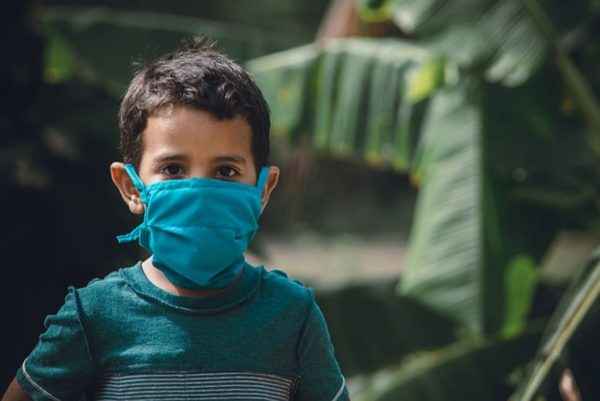
  • If your child is more than 3 years old and can wear face mask (cloth mask better) without any problem to breathe, have them wear a mask. Do not leave child alone with mask.
  • Get your child and other family members flu vaccination
  • Be home, be safe and look for proper, correct, reliable information. Keep your child and family safe.

References:

https://www.unicef.org/

Www.cdc.org

Image credit: Image by Manuel Darío Fuentes Hernández from Pixabay (Free for commercial use)


Author: Sumana Rao | Posted on: July 12, 2021
« »
« »

Recommended for you

Pungu mayurasana

Pungu Mayurasana One Arm Mayurasana An advanced yoga pose

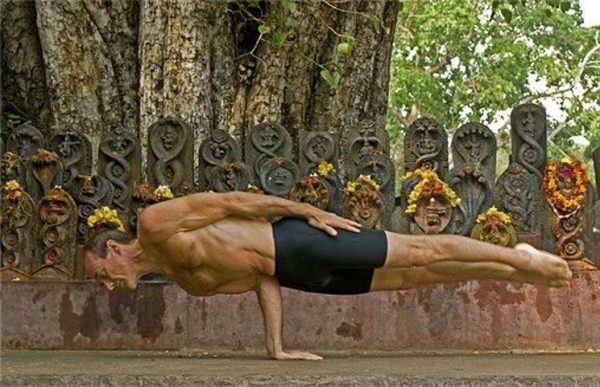
Pungu Mayurasana advanced yoga pose included in vinyasa yoga poses also known as wounded peacock pose. This pose is known for its unique one arm balancing that strengthens writs, arms and shoulders.

In Sanskrit pungu means wounded or lame, mayura means peacock. It is pungu mayura posture. It is also known as eka hasta mayursana because while in this pose the entire body floats parallel to earth and one arm supports the body.  This pose stimulates manipura or navel chakra and helps in improving self-esteem. Manipura chakra when opens up to the universe, builds strength, motivation, self-control and keeps us focused by giving sense of purpose. Other physical benefits include – improving digestion and cures dyspepsia, gastritis, reduces liver enlargements, tones abdomen, strengthen arms, writs and forearms.

How to do Pungu mayurasana?

  1. Separate knees and place right hand in between knees. Fingers should point onwards.
  2. Now bring knees back and place left hand forward on the ground.
  3. Bend right elbow and rotate elbow inside. so that it is close to the naval -as much as close to naval.
  4. Now press your elbow against stomach, straighten knees, point toes back. Join both feet and stretch hand forwards.
  5. Keep entire body straight and shift weight forward. As keep leaning slightly forward both your feet will lift. Do not round up back as you can lose balance.
  6. Hold the posture for 3 to 5 breaths to build strength and increase concentration.

 Do not try this pose if you

  • Undergone abdominal surgery
  • Have wrist and hand pain
  • Are pregnant
  • Are sufferings from high blood pressure
  • Leg injury

Image: Courtesy: https://www.pinterest.com/pin/221028294182277753/


Author: Sumana Rao | Posted on: July 8, 2021
« »
« »

Recommended for you

Shoulder stretches

Five Simple Stretches to Help Relieve Shoulder Pain

Many of us often experience kind of tension, pain, and sensation in shoulder area. Shoulder pain can stop us doing many works and it will make it difficult to move the hands easily. If not taken care, we can end up not using the hands properly which could cause more problem as we age.

One need not to take pain killers to get rid of the shoulder pain as it could only give temporary relief and mask pain for some time. To release shoulder pain and tightness, there are shoulder stretches. Practicing these stretches every day for minimum three times will help to get rid of the pain and shoulder also will start regaining the strength.

Some of the tips to for healthy shoulders are:

  1. Keep body hydrated before exercising
  2. Practice good posture, avoid hunching or slouching while walking, sitting, or standing
  3. If body feels pain, give attention to the pain. Take some time off from activities

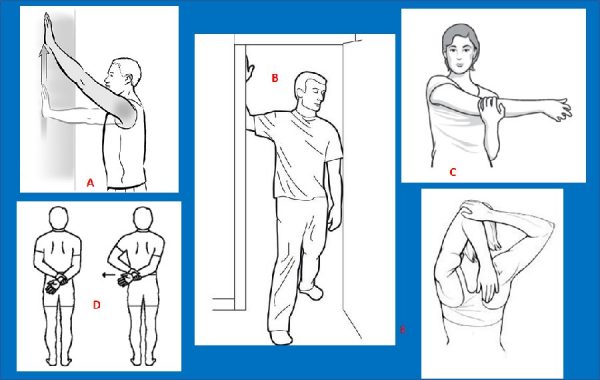
Following Five simple shoulder stretches will ease and relax the painful shoulders.

A. Wall climb:

  1. Stand straight facing the wall.
  2. Extend right arm and place the hand on the wall at shoulder height. Do not lock the elbow, keep it soft.
  3. Now slowly walk the fingers upward on the wall. While climbing the fingers up, step forward towards wall as finger climb up.
  4. Stop the movement when you feel tension in the shoulder. Now, hold the pose for 20-30 seconds.
  5. Walk fingers back down the wall slowly and return to initial position.
  6. Repeat the same movement on left hand.

B. Chest and shoulder stretch:

  1. Stand alongside of a door. Extend and put right hand on the edge of the door frame Palm should face forward and touch the door frame.
  2. Keep shoulders down and slowly turn the body to the left and away from door frame. You should feel the stretch on shoulder and chest. Hold the pose for 20-30 seconds.
  3. Repeat on the left side.

C. Cross arm stretch:

  1. Stand straight with feet hip distance apart. Place right hand on left shoulder.
  2. Hold your right elbow using left hand. Rolling shoulders down and back, gently pull the right elbow across the chest. You will feel stretch in the shoulder.
  3. Hold the pose for 20-30 seconds and repeat the stretch on left side.

D. Rotation shoulder stretch:

  1. Stand straight with feet hip distance apart.
  2. Slowly take right hand back and place it against the small of the back, near the waist. Fingers should point up (half namaste style)
  3. Now, slightly slide the right hand up on the back, when you feel stretch and slight pain in the shoulder, stop and hold the hand for about 30 seconds. You can grasp wrist of right hand using left hand and gently pull right hand up and down and across.  
  4. Release the hand and repeat the stretch on left hand side.

E. Triceps stretch:

1.Place on arm behind the head with elbow bent and facing the ceiling.
2. Using opposite hand hold the elbow and gently it towards the opposite hand. To give some more stretch all the way back, slowly bend the upper body away -towards opposite side.
3. You should feel the stretch in the back of the upper arm and the shoulder. 4. Hold this for about 15-30 seconds.
5. Repeat this exercise with other hand.

Shoulder pain is something no one should neglect. Taking care of the shoulder pain will help over the years. Practicing these exercises will help shoulders and hands to increase flexibility as well as strength.

Contact your doctor if the shoulder pain increases and you might need physical therapy assistance to get rid of the pain.

Image credit:


Author: Sumana Rao | Posted on:
« »
« »

Recommended for you

Lemon peela chutney for stomach health

Lemon peel chutney for stomach health

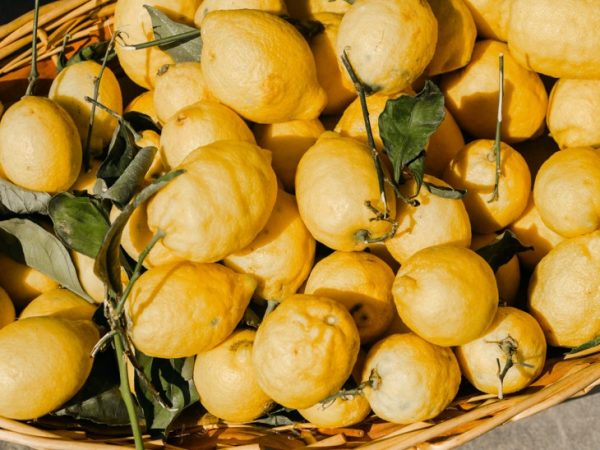
Do you know lemon peel can cure several conditions?! Including lemon peel in diet has several advantages for health.

  • Eliminates toxins – just like drinking lemon juice can eliminate toxins, the peel helps too.
  • Reduces cholesterol – polyphenol flavonoids in lemon peels allow it to promote good cholesterol.
  • Heart health – vitamins and minerals found in lemon peels work to support a healthy heart.

Lemon peel is a good home remedy for stomach problems like nausea, to bring back appetite, to get back taste and it also is a good remedy when we feel heaviness in system after heavy meal and  bloating. Lemon peel is a good remedy for gum and teeth problem.

How to prepare lemon peel chutney?

After squeezing lemon, do not throw lemon peel. Cut into small pieces and transfer lemon peel to a clean bottle. Add salt, shake and keep it under sun light. For 2 cups of lemon peel add ½ cup salt. Daily using clean, dry spoon mix the content. After a week prepare salt water (1/4 cup salt for 1 cup water) and add it to the bottle and store it.

When you have stomach problem,

  1. From the stored lemon peel salt mix  take 4-5 spoons salted lemon peel
  2. Red chili – 4-5
  3. Jaggery – 2 tsp
  4. Fenugreek seeds -1/2 tsp
  5. Asafetida – pinch
  6. Mustard – 1 tsp
  7. Curry leaves – 10 ( or 1 string)
  8. Oil – 2 tsp

Place a frying pan on medium heat and add oil. Add red chili and fry. Remove red chili. Now to same frying pan add fenugreek seeds and fry. Wash lemon peel to remove excess salt and transfer to a grinder. Add red chili, fenugreek, and grind it to a paste. Transfer lemon chili paste to a vessel and add powdered jaggery and boil for few minutes . Prepare seasoning by heating oil – add mustard, curry leaves, asafetida and transfer it to lemon chutney. Transfer cooled lemon chutney to a air tight bottle/container.

When in need, you can use lemon peel chutney by mixing with rice or as a side dish (like pickle) with curd rice, chapatti or bread. 

For more on lemon peel visit: https://healthylife.werindia.com/your-road-to-healthy-life/will-not-throw-lemon-peel-anymore


Author: Sumana Rao | Posted on: July 7, 2021
« »
« »

Recommended for you

Eye on prize

Eyes on the Prize? Teach Children to have fun

Children love sports. Their participation in sports improves physique and confidence.  Children will also learn teamwork, develop leadership quality, character development, and look forward to attending school.

Sometimes winning is the only reason parents and teachers want their children to select sports. But for a child, participating in any games or sports events could be for having fun with their peers. The idea of winning a game more than participating in comes to children head when there is a pressure from adults. Competing in any events may have both positive and negative effect both on children. When there is an expectation to win, kid will undergo lot of tension and could only harm the development. It could bring stress and fear. The fear of losing can hurt a child.

How parents and teachers help children to focus on having fun rather than winning. Here are few suggestions.

·         Both parents and teachers (or coaches) must know that if a child gets good training without pressure he or she will perform well in the sports. If the sport in which child is participating is interesting for child, then he will put his heart through to learn and participate. There is no need to focus on always winning the game.

·         Don’t put pressure to perform: Never have unrealistic expectation from child. Understand the pressure the child goes through, support child by saying ‘ no matter what, have fun’ Encourage with simple words.

·         Child’s growth: Child’s development is an important factor that decides which field they should be in. during early stages of growth a child’s interest could be in football. As the child grow the interest can change into some other sports like cricket or chess. A child’s mental, physical development and changes in hormone are responsible for what sport they want to choose.

·         Positive look: Let kid have fun, being able to enjoy in what the kid wants to do should be the motto. They themselves might show interest in the sports that a parent want kid to be in. If not, it is alright. Put encouraging words in their ear, give positive feedback. This helps them to build confidence and they will appreciate your efforts.  

·         Having fun: When kids relax and play games, one can see its effect in the performance. Having fun improves their skills, supports their development and physically kids become stronger. It is the age for fun and not to undergo stress.

·         Mantra for success: Tell kids success means improving oneself by comparing how the performance was in previous time participation. Success is doing the best and not giving up. Positive approach towards whatever the position they win in a game is also success.

·         Good sportsmanship: Appreciating and applauding others talent, skill and win is good sportsmanship. Teach kids to develop positive attitude towards others who perform better than she or he. This will help child in future. A good sportsmanship means a better human being.

As kids grow, they should have good memories about their childhood. Sports being an important memory we should help children to enjoy and have fun with sports and not with hurtful experience.

Image credit: Image by Keith Johnston from Pixabay  (Free for commercial use)


Author: Sumana Rao | Posted on: July 2, 2021
« »
« »

Recommended for you

Table pose benefits

Benefits of Table Top Pose Bharmanasana, Transition Pose

Bharmanasana also called Table pose / Table Top pose is a transition pose between yoga asanas during yoga sequences. It is widely practiced in Hata yoga, Restorative yoga, Prenatal yoga. It is a beginner pose that helps to bring balance during stretch. Benefits of performing this simple, beginners pose is, it helps to strengthen arms, shoulders, wrists and core. It stretches spine, thigh and relieves strain and tension in the body parts. It is also a warm up yoga pose that is practiced before getting into intense yoga poses. – Healthy Life

LEVEL  :Beginner

Anatomy :Arms|Biceps|Knees|Shoulders|Triceps

Pose Type : Seated

Sanskrit :Bharmanasana = BAHR-mahn-AHS-anna

Benefits

  • Strengthens arms, shoulders, and knees
  • Offers space to open your spine
  • Grounds your energy and calms your nervous system

Contraindications

How To

  1. Plant your hands and knees on your mat
  2. Rest your hands underneath your shoulders and spread your fingers wide
  3. Ground down through your pointer fingers and parallel them to one another
  4. Rest your knees under your hips, keeping them hip-width distance apart, and place the tops of your feet flat on your mat
  5. Tuck your chin in subtly towards your chest
  6. Rest here for a few breaths

Modify or Replace

  • Rest your knees and/or ankles on a blanket for added support
  • Create a fist with your hands to take some pressure out of your wrists

Sequencing Tips

Before:

After:

  • Puppy Pose (Uttana Shishosana)
  • Downward-Facing Dog (Adho Mukha Svanasana)

Teaching Cues

  • Puff up the space between your shoulder blades, creating a mountain in your upper back
  • Draw your belly button towards your face, engaging your core slightly
  • Draw your tailbone away from you, towards the back of your space
  • Find a slight bend in your elbows

Variations

  • Rest your knees in closer together and closer to your hands for added stability
  • Tuck your toes under for an added stretch in the sole of your foot

Watch Out For

  • Dumping your weight into your wrists
  • Losing core engagement

Credit: This article and image published here with prior permission from beyogi.com


Author: Sumana Rao | Posted on: July 1, 2021
« »
« »

Recommended for you