
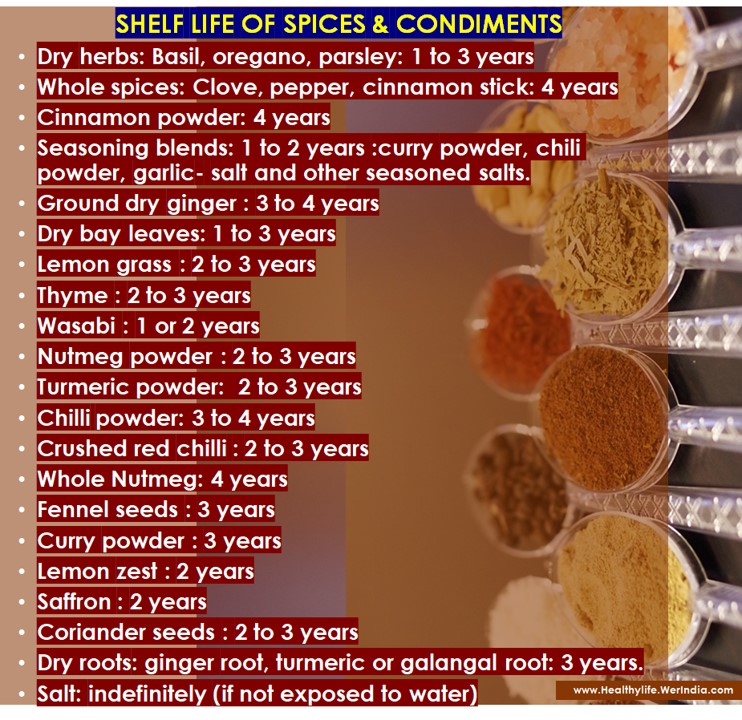
SHELF LIFE OF SPICES & CONDIMENTS
SHELF LIFE OF SPICES & CONDIMENTS
Author: Sumana Rao | Posted on: May 10, 2023

SHELF LIFE OF SPICES & CONDIMENTS

For babies breastfeeding is the best nutrition source. However, with working mothers and schedules or due to situations – medical or any other personal reasons if mother is not able to breast feed, then the next option is going with formula or formula milk. If parents are relying on formula feed then understanding how to prepare formula and what are the do’s and don’ts – this is a must know for the parents as it is critical for baby’s health and proper development reasons.
These steps are critical as any contaminated food can be life threatening for infant. Once you bring formula follow hygiene practice to prepare and feed the baby.
Preparation tips and storing methods of baby’s formula (CDC)
Preparation
If you use powdered infant formula:
Use Quickly or Store Safely
How much formula to feed?
First Days
If you have questions about your baby’s growth or how much infant formula he or she is taking, talk with your child’s doctor or nurse.
First Weeks and Months
6 to 12 Months Old
12 to 24 Months Old
For more information on Baby’s formula and concerns that you might have please visit www.cdc.gov

Fresh cut flowers arrangement and keeping them fresh for longer time is a technique itself. If you are frustrated and not able to keep your beautiful flower bouquet for many days then follow these tips-,
Cutting the stem: Before placing the floral stem in the water, cut or trim the stem one to two inches at bottom. Cut in an angle using a garden shear or sharp scissor. Cutting stem in an angle helps the stem to absorb and carry water up to the flower. After 2-3 days you can cut the stem half an inch again to keep flowers fresh.
Removing leaves: Before immersing stem in the water, remove those leaves that are below water line. Immersing the leaves in water results in decaying of leaves and growth of microbes that impact stem and flower freshness. Daily check and remove any fallen petals or leaf in water.
Avoid direct sunlight and heat: Place the vase in a spot where there is no direct sunlight hits the flower. Avoid exposing to heat or cool vent as it leads to dehydration of flowers.
Avoid keeping near ripened fruits: Ripened fruits produce small amount of ethylene gas that could cause withering of flowers. Fruits like banana, tomatoes and apples produce ethylene gas while ripening that interfere in blooming and freshness of flowers.
Vase selection: Choosing a wrong size or wrong shape vase results in crushing or falling of stems. If the stem fits and sits nicely in the vase mouth then it is going to be good arrangement. Or chose a vase that is half size of the floral stem. Always use a clean vase for floral arrangement.
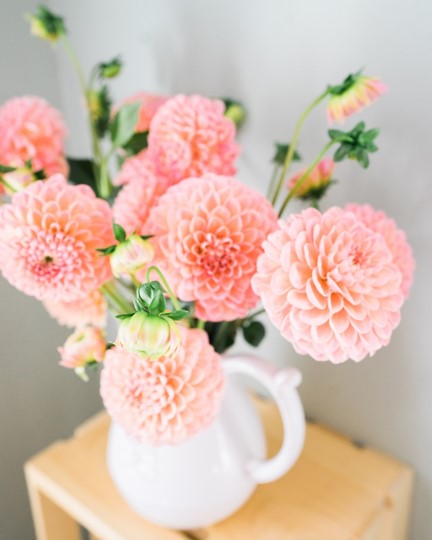
Remove wilted flower and stem: Some flowers lost longer than others. Removing browned stem and wilted flowers helps to keep other stems and flowers fresh and long. Brown stem releases phenolic compound that is not good for floral arrangement.
Types of solution mixes to keep flowers longer: Water source plays an important role in keeping flowers fresh. If your tap water contains higher levels of chlorine then avoid tap water and use filtered water.
-Water and plant food: Most bouquets come with pocket of plant food. Mix the plant food with room temperature water or lukewarm water. This will dissolve food properly. Don’t make it too concentrated solution. You can change the water every 2 days.
-Apple cider vinegar and sugar: Mix these two ingredients in water 1:1 combination.

-Aspirin: Crush one aspirin and add it to vase. Aspirin helps to lower pH level that prevents wilting of both leaves and flowers.
-Soda and water: Add 2 Tablespoon soda to water and mix well. Then place the flower stems. Best soda is lemon or lime soda!
-Keeping in fridge: some recommended keeping bouquet wrapped in a wet paper towel or newspaper and placing it overnight in fridge. This keeps flowers fresh and long.
Some people mix few drops of bleach or vodka in the water. Bleach keeps bacteria away. However if you have children or pets we don’t recommend using these as solutions.
Image credit:
Imagen de vargazs en Pixabay, Imagen de Monika en Pixabay & Imagen de Johanna Pakkala en Pixabay (all 3 images cc by 0)
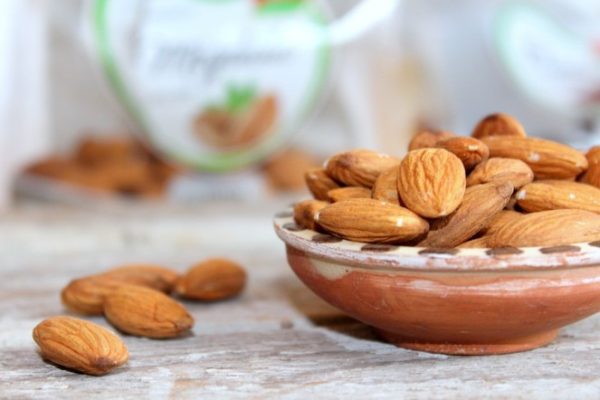
Almond trees are native of Mediterranean region. As an egomaniacally important tree crop it is grown in United States, Spain, Australia, Italy, Morocco and many other countries. Almond taste is earthy and nut. One can eat almonds raw by breaking the ripened fruit shell or in soaked, cooked form. Almonds are used in snacks, desserts, cookies. Almond milk is a replacement for dairy milk in vegan plant-based diet.
Soaking almond is a traditional practice and soaked almonds are given to expectant mothers to improve their health and baby’s growth. By soaking almonds one can easily digest and absorb the beneficial nutrients present in almond. Soaked almond is source of Vitamin E, minerals, protein, Omega 3 fatty acid and dietary fiber.
Soaking almonds:
Benefits of eating soaked almonds:
Image credit: Imagen de Oana Durican en Pixabay (CC by 0)
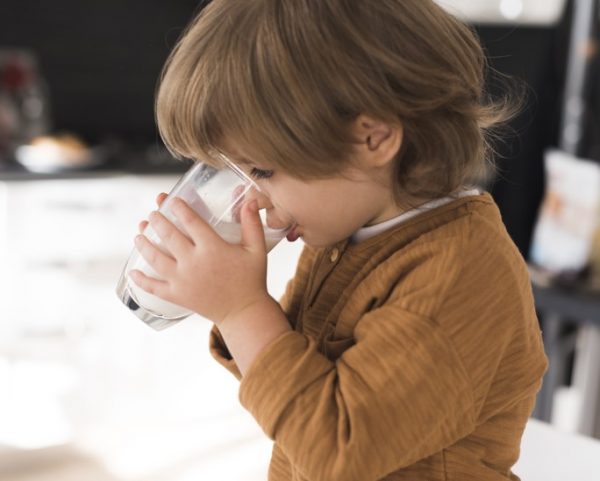
Three minerals constitute 98% of body’s weight and are critical for children growth and development are calcium, magnesium and phosphorus.
Apart from being component of human skeleton, both calcium and phosphorus are involved in many biochemical reactions at cellular level.
Without magnesium there are many metabolic functions that cannot happen.
Which are the foods that supply these three mineral nutrients for the young body?
Phosphorus: Present in both vegetables and animal foods. If your child is vegan or vegetarian some of the sources where you can find phosphorus are: Plant foods like beans, soybeans, potato with skin, mushroom (portabellow), rice bran, wheat bran, cooked oatmeal, cheddar, cheese, sunflower seeds without shell, almonds, cashew – contain high amount of phosphorus.
Phosphorus helps to maintain normal acid/base balance and it is also involved in storage and use of energy for various body functions.
Calcium: Calcium is present in turnip greens, spinach, buttermilk, soy beverage, cheese, yogurt tofu, sesame, almonds, beans goats’ milk, cashew etc. Calcium is rich in milk and dairy products, dark green and leafy vegetables. Calcium helps to build and maintain strong bones, teeth, prevents osteoporosis and helps muscles to work.
Magnesium: Present in many plant vegetables. It is present in tamarind, cooked – potato with skin, okra, spinach, swiss chard , cereals, quinoa, soy milk and cheese, legumes, peas, tofu, beans, pumpkin and squash seeds, pine nuts, almonds, cashew etc. Magnesium is essential for every day metabolism, to produce protein and to keep nerves and muscle healthy.
These minerals absorptions influenced by different factors. Hormones and vitamin levels in the body influences absorption of all three minerals. Young healthy children generally are not under nourished with phosphorus and magnesium because these minerals are easily absorbed. It is unlikely that children need phosphorous supplementation because of relatively high usual dietary phosphorus intake. Magnesium supplementation on daily basis or routinely is not needed. Calcium absorption in infants is easy and the rate of calcium absorption is more when there is lactose, lysine, arginine and vitamin C is around. However, calcium intake is generally low in children. Reason for this is, avoiding dairy foods. Young girls who are afraid of consuming fat are at greater risk of developing osteoporosis before they reach middle age. Calcium absorption decreases by high dietary level of phosphate and oxalate that is present in high fiber food. Too much protein in the diet increases excretion of calcium through urine thus making less available for bone growth and development.
To determine whether your child needs dietary supplements of calcium or any other nutrients talk to your pediatrician. Doctors will evaluate the necessary amount of calcium and will suggest the dosage of supplements.
Reference: www.werindia.com
Image credit : Food photo created by freepik – www.freepik.com (Free for commercial use)

Frequent urination is a problem for adults and that to waking up at night could result in sleepless nights. Do you use bathroom at night between your sleep more than two times? You are not alone in this problem. Nocturia is a problem that one in three adults over the age of 30 will face at night. These people will use bathroom for urination more than twice every night.
According to Urologists, making trips to bathroom increases with age. However, if one feels tired of making trips to bathroom at night, then must address the issue. Your body might be trying to tell you something, some trouble that it is facing.
Reasons for nocturia:
Drinking too much fluid before going to bed is one of the main reasons for nocturia. Other reasons are illness, medication (for heart condition or sugar problem), reduced bladder capacity could also be the reasons.
Symptoms:
Generally, adults should be able to sleep between six to eight hours without any interruption. Waking up to go to bathroom more than two times during sleep results in lack of sleep and will have negative impact on health. People who don’t sleep well at night, might not able to handle day life.
Diagnosis and treatment:
Diagnosis of nocturia is based on how many times one goes to bathroom at night and how much volume of urine passed. Recording or keeping a diary with this information along with any trouble with UTI, and medications will help to review the symptoms and causes of nocturia. Health care provider might investigate urine output and when the condition initiated and, how many times one uses the bathroom.
For diagnosis, physician might ask the person to undergo blood test, urine culture and urinalysis, bladder scan, cystoscopy (looking inside bladder), urodynamic testing (checking capacity of the bladder and examining nerves and muscle work)
Treatments:
Depending on underlying cause treatments are targeted. There are different ways nocturia condition is treated.
Talk to your health care provider or urologist regarding your condition. Do not start any medications or treatments on your own if you have the nocturia symptoms. Talk to your doctor and then proceed with proper treatment.
References:
https://my.clevelandclinic.org/
Nocturia information: Urology Care Foundation of American urology association
Image credit: Image by 영훈 박 from Pixabay (Free for commercial use)


Black eyed peas are bean seeds rich in protein. It is much desired ingredient for vegan cooking. These bean seeds contain flavonoids which are antioxidants and help body to fight free radicals. With these, it is also source of good amount of fiber and helps to feel full stomach for longer time. It is believed that these beans are good for heart health, can be incorporated in diet to maintain low sugar level. Moreover, adding masala and spices makes it delicious side dish for both chapati and rice items.
Ingredients:
Preparation:
Image credit: https://in.pinterest.com/pin/73816881383458987/
 © 2026 Copyright. All Rights reserved.
