
All posts by Sumana Rao

Don't worry about the people in your past; There's a reason they didn't make it to your future.
Precautions for artificially ripened fruits consumption

Artificially ripened fruits: safety measures

Precautions and safety measures:

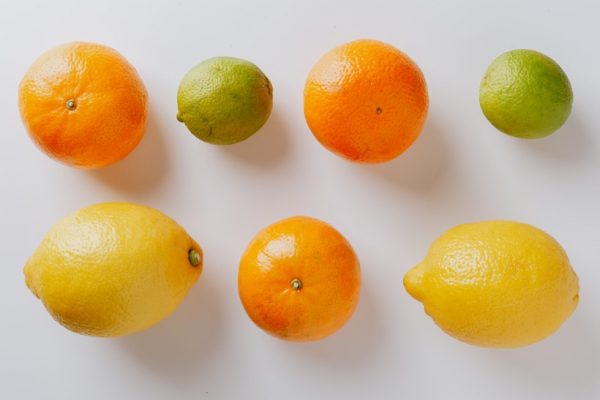
  • Consuming seasonal fruits is the best way to avoid artificial ripened fruits.
  • Understand the difference between natural and artificial ripened fruits
  • Wash fruits thoroughly under tap water to remove chemical traces
  • Before consumption- cut and examine the fruits like mangoes, watermelon, papaya, cucumber
  • Peel the skin before consumption.
  • Select fruits and vegetables that does not have spots and necrosis
  • Purchase fruits from known vendors
  • Do not buy cut and exposed fruits from open market
  • Throw away fruits that show mold and fungal infection
  • Do not purchase fruits if they are not from the season
  • Do not buy fruits that have uniform color.
  • Bring any such issues to notice of the authorities (FSSAI, FDA etc) – these organizations will act according to the Prevention of Food adulteration (PFA) act as artificial ripening using such chemicals are not allowed in many countries. Chemicals like calcium carbide are banned in many countries because of possible health issues it can cause.

Author: Sumana Rao | Posted on: July 24, 2019
« »
« »

Recommended for you

Leave shoes outside

Science says leave your shoes out

What are some of the stuffs that we can see on bottom of our shoes? Bird dropping, dog poop, rotten debris with harmful bacteria and other germs, chewing gum, spit, blood, mucous, soda spill, spoiled food materials, dead insects – all disgusting things to name a few !!!

In India and many countries, people leave shoes either outside the door or will leave it at the entrance in a specific place or in shoe closet. It is a normal practice that people follow without thinking much.  In many Western countries wearing shoes inside home (indoor) is a common practice. Some people take it offensive when we say please leave your shoe outside. Recently Even Charles, from University of Arizona, a microbiologist  conducted a study regarding this subject and his results will sure make us all think twice before wearing and walking in with footwear indoor.

The report was released by CIRI a nonprofit cleaning industry group in collaboration the shoe company Rockport. For this study ten people wore brand new shoes for two weeks before shoes were tested for samples of bacteria. When tested, the outside of shoes harbored 421,000 units of bacteria compared with 2,887 on side the shoe. What is scary is, fecal bacteria that appeared on 96% of the shoes.

What it means? Here we are not talking about dirt, we are referring to harmful germs present in the public places, traffic, sidewalks, public toilets, roads etc. The presence of fecal bacteria indicates that person meets fecal material (through shoes) frequently and fecal matter originates from the floors in public restrooms or with contact of animal fecal matters outdoors according to Gerba.

Another scary revelation is, the transfer rate bacteria from shoes to clean tiles in the study was between 90 to 99%. The bacteria found on the footwear included Escherichia coli or commonly known as E. coli that causes stomach infection and diarrhea. It is a source of UTI too. The other bacteria included Klebsiella pneumonia or pneumonia causing bacteria and Serratia ficaria that causes respiratory tract infections. Goal of this study was to verify microbes’ levels on footwear and its effectiveness of machine washable shoes in reducing the microbes on both inside and outside the shoe surface. Another investigation of the project to see the role of shoes in moving bacteria from contaminated floor to other surfaces.  

Earlier studies from University of Houston showed that about 40% of shoes that we wear will carry Clostridium difficile, the spores of which are not easy to treat. It will be present not just on shoe soles, also on toilets and floor surfaces. This bacteria is highly resistant to most antibiotics! It attacks linings in the intestine and causes colitis.

Why we should consider not wearing shoe inside house?

  1. In houses with young infants and toddlers might pick up food from floor and end up sick. Children under age 2 are more vulnerable to microbes and germs that we carry inside the house. On an average 80 times an hour a child will put its hands in the mouth!
  2. People who have weaker immune system might catch allergy easily
  3. Microbes can transfer easily to food causing illness
  4. Not everyone looks at the bottom of shoe or wipe it before entering the house – they may carry disgusting things under the shoe that goes on the carpet and clean floor. You will be surprised to know the list of germs you might be carrying in your shoe.
  5. Scientists claim that shoes are dirtier than a toilet seat. Toilets seats carry about 1000 germs and shoes way more than that.

One of the strong reason Indian houses leave shoes outside is, every Hindu home mostly will have temple inside where they worship God. As a cultural practice people does not want to carry dirty shoes inside and want to keep temple clean.

Ways to implement “no shoes inside” rule at home-

  1. Place a shoe rack close to door where you can accessible easily.
  2. Remove shoes as soon as you enter the door. Make it a habit.
  3. Keep foot sprays near shoe rack, in case your guests want to use it when they enter your home in barefoot.
  4. Keep a towel to wipe your feet in case you need it
  5. Keep separate sandals/slippers to wear inside the house.
  6. Keep a pretty frame near door that says remove your shoes and most people oblige it.
  7. Keep your carpet and floor clean – this will make people to remove their shoes

What are the pros and cons of removing shoes?

Pros:

Safe places to crawl for babies and toddlers:  Removing shoes keeps floor much cleaner and germs won’t share playing, crawling space with babies.

Health : Families overall health will be good. There won’t be health issues such as UTI, flu, pneumonia, meningitis or diarrhea. Children might bring allergies and sickness from school. At least you know that your house floor is not causing issue!

Clean floors: One can notice dramatic difference in the way floor looks. There won’t be soiled marks, shoe impression, visible dirt on the floor. You don’t need to put too much effort to clean the floor.

Cons:

Asking guests to remove shoe: Some people might prefer wearing shoe inside. Either you display a board or tell politely the reason why they must remove shoe. Or offer them extra sandals that you might have at home. 

Conveniences: Some inconvenience can happen. You might forget something to take from home after wearing shoe. Decide which option is better at that time.

When compared to pros, cons of not wearing shoes is much less. Do you want bacterial guests home that ruins your family’s health? For family’s health sake practice removing shoe while entering the house.

References:

https://www.ciriscience.org

https://www.usatoday.com

http://neworleansmom.com

www.healthylife.werindia.com

Image credit: Crawling baby Photo by Rene Asmussen from Pexels (Free for commercial use), Red shoe photo by: Photo by Zain Ali from Pexels (Free for commercial use)


Author: Sumana Rao | Posted on:
« »
« »

Recommended for you

Omari McQueen vegan chef

Meet 10 year old vegan chef & Entrepreneur

Ten year old Omari McQueen has become the youngest CEO of the vegan food industry. Omari is UK’s youngest multi award winning vegan chef has become founder and CEO of Dipalicious a plant-based vegan restaurant.

McQueen is the youngest restaurateur in the world and will host his first vegan pop-up restaurant in Boxpark, Croydon in August this year.

McQueen had a passion for cooking when he was just three years old and started learning cooking meals at age of seven. McQueen’s mother who got sick with hemiplegic migraines started teaching both Omari and his brother Laquarn to cook meals to help both parents. Omari took this seriously and went on practicing different cooking meals. He adopted different skills and his interest in understanding and benefits of ingredients that goes in each meal made him youngest chef and entrepreneur of the world today!

McQeen became vegan after coming across a video from PETA, UK. He understood importance of veganism and came out with his YouTube video at the age of eight. His first vegan recipe was “vegan pizza” using the dip created by him. He wanted to make everyone happy with his meals and his motto is to prepare food that is enjoyable to all. After his first YouTube video McQueen found that the vegan pizza was too dry.  Reason for preparation of his own dip for vegan pizza was he was not sure wither Heinz dip was vegan. But the dip prepared by him was a hit with friends and family and inspired him to found Dipalicious.  

McQueen started saving for his own bus-converted vegan restaurant as well as ready to eat meals for kids. He wanted to teach other children about importance of vegan food. Now he teaches young children how to cook and conducts ‘kids cooking’ workshops at his home. His selection of dishes includes dips, juice packs, seasoning and snacks. He has been featured in BBC radio and ITV news. He also met with array of celebrities like Kevin Hart and Levi Roots

The Vegan pop- up restaurant will open this August during summer season at Boxpark Croydon. The menu details of the restaurant is not released yet. In his Instagram McQueen loves to share vegan Caribbean food such as BBQ jackfruit with breadfruit curry and fries. According to the resources Dipalicious probably will make vegan dips such as  Caribbean vegan dishes such as Caribbean kick, coco curry and Luvi’in jerk.

The young entrepreneur’s hardwork and accomplishments has been recognized by many organization. He won TruLIttle Hero  by Cause4children Ltd, Compassionate kid award from PETA in 2018 and also won Proud & gifted Award for his work as vegan chef.

While giving his award PETA director Elisa Allen said “ His compassion and his determination to create a better world for animals are a wonderful example for other kids- and adults – to follow”

World is seeing an increase in vegan and vegetarian numbers. There is a tremendous growth in vegan numbers from the year 2015 and this is all for good reason. The compassion for animals and understanding the benefit of eating plant based food is what making today’s generation to go in search of vegan meal. Let us applaud the accomplishment of Omari McQueen and wish him well in his future endeavors!

References: https://www.plantbasednews.org

http://afrocultureblog.over-blog.com

https://www.itv.com/


Author: Sumana Rao | Posted on: July 23, 2019
« »
« »

Recommended for you

Cabbage rice

Cabbage rice

Cabbage is one vegetable that is often overlooked despite being nutritious. There are different varieties of cabbage – green, white, red, purple etc. Cabbage head is useful in prepare sauerkraut, kimchi, spicy curry, vegetable rice, fritters etc. It contains several different minerals and vitamins. It is recommended source for insoluble fiber which is gut friendly and helps in digestion process. It helps in weight loss. Eating raw or cooked cabbage both have similar effect on digestive system and improves bowel movement. Cabbage is good for heart health and keeps blood pressure under check. There are different ways one can consume cabbage.  Cabbage rice is a tasty dish one can pack for lunch or have at dinner.

Cabbage rice recipe

Ingredients:

  1. Basmati rice – 1 cup
  2. Cumin seeds – 1 tsp
  3. Cinnamon – 1 inch
  4. Cloves -2
  5. Cardamom – 2
  6. Tomato – chopped -1/3 cup
  7. Green peas – 2 Tbsp
  8. Onion – chopped – 1/3 cup
  9. Indian baby leaf – 1
  10. Garam masala powder – ½ tsp
  11. Salt – as per taste
  12. Cabbage- 1.5 cup
  13. Ginger, garlic, green chilli paste- 1Tbsp
  14. Cilantro – chopped -1/4 cup

Preparation:

  1. Rinse and soak Basmati rice for about half an hour. Drain and keep aside
  2. Pressure cook rice by adding 1.5 cup water
  3. Grate cabbage and get ready with garlic, ginger green chili paste.
  4. Heat oil in a deep frying pan on medium heat. Add cumin, cinnamon, cardamom, clove and baby leaf. Saute for few minutes – let the fragrance release
  5. Add chopped onions and continue frying till onion turns translucent.
  6. Add ginger garlic paste and saute for few more minutes
  7. Add chopped tomatoes, peas and garam masala powder – continue frying. Let the tomatoes turn soft and oil release from side
  8. Now, add shredded cabbage and mix the masala. Sprinkle salt. Stir fry cabbage. Alternatively you can microwave cabbage for 2-3 mins
  9. Add cooked Basmati rice and mix well. Garnish with chopped cilantro
  10. Serve cabbage rice with raita or palak daal.

Author: Sumana Rao | Posted on: July 19, 2019
« »
« »

Recommended for you

Facial painting safety

Safety tips for face painting

Kids love painting especially the face painting. This is a way for them to express their hidden dreams of being a superman, superwoman, hero, Disney characters and many more. In birthday parties, Halloween party,  festivals and other kids gathering kids love to get their face painted. It is a fun activity and has advantage over wearing mask because kids can clearly see.

When painting face, parents of young children should take maximum care. Young adults who wish to paint their face on various occasions must take proper precautions. When painting designs on face, follow the instructions so that paint should not cause any problems like skin allergy and breathing issues.

If you are using glow paints which is something we use during Halloween, take extra precautions. There are two kinds of “glow” affects you might get from Halloween-type makeup. Ready for some ten-dollar words? There are “fluorescent” (say “floor-ESS-ent”) and “luminescent” (say “loo-min-ESS-ent”) colors. Here’s the difference:

  1. Fluorescent colors: These are the make-you-blink colors sometimes called “neon” or “day-glow.” There are eight fluorescent colors approved for cosmetics, and like other colors, there are limits on how they may be used. None of them are allowed for use near the eyes.
  2. Luminescent colors: These colors glow in the dark. In August 2000, FDA approved luminescent zinc sulfide for limited cosmetic use. It’s the only luminescent color approved for cosmetic use, and it’s not for every day and not for near your eyes. You can recognize it by its whitish-yellowish-greenish glow.

 Safety tips for face painting

  •  Follow all directions carefully that is given in product label. Non toxic does not mean safe to put on skin. There are particular kids face paints available in market and use suitable paints.
  • According to reports in unmasking toxic chemicals in kids make up – more than 50% of face paints and cosmetics marketed for kids contains at least one toxic ingredient that is linked to hormone disruption, learning difficulties or developmental delays. Labels will not show if it contains lead and cadmium. Read review of the product or ask an expert before buying paints.
  • Use plant based, organic products.
  • Don’t decorate your face with things that aren’t intended for your skin.
  • If your face paint has a very bad smell, this could be a sign that it is contaminated. Throw it away and use another one.
  • Like soap, some things are OK on your skin, but not in your eyes. Some face paint or other makeup may say on the label that it is not for use near the eyes. Believe this, even if the label has a picture of people wearing it near their eyes. Be careful to keep makeup from getting into your eyes.
  • Even products intended for use near your eyes can sometimes irritate your skin if you use too much.
  • If you’re decorating your skin with something you’ve never used before, you might try a dab of it on your arm for a couple of days to check for an allergic reaction BEFORE you put it on your face. This is an especially smart thing to do if you tend to have allergies.
  • When buying glitter paint look for paints that made of polyester with size of 0.008 microns in size or smaller that is considered as cosmetic size and as per FDA it is safe to use.
  • Wash off the paint/make up as soon as kids get home. Don’t allow children to go to bed with glitter or any paint on. Wearing paint for longer time can irritate your skin, and bits of makeup can flake off or smear and get into your eyes.
  • Wash brushes used for painting thoroughly, read instructions how to wash brushes. Leaving brushes in water or alcohol can promote bacterial growth in brushes.

For more refer : https://www.fda.gov/


Photo by Gift Habeshaw on Unsplash (Free for commercial use)


Author: Sumana Rao | Posted on: July 15, 2019
« »
« »

Recommended for you

HIV1 genome elimination

Scientists eliminated HIV from genomes of living animals

Researchers at University of Nebraska Medical Center (UNMC) in collaboration with Lewis Katz School of Medicine at Temple University, Philadelphia for the first time reported elimination of the virus responsible for AIDS in genomes of living beings. This HIV virus in genomic world known as “replication-competent HIV-1 DNA.

This study was reported recently in Nature communications is a milestone and marks a critical step in the development of possible cure for Human AIDS infection or HIV infection.

Scientists Kamel Khalili PhD Laura H. Carnell, Professor and Chair of the Dept of Neuroscience and Director of the Comprehensive NeuroAIDS center at Lewis Katz School said :  “ Our study shows that treatment to suppress HIV replication and gene editing therapy, when given sequentially can eliminate HIV from cells and organs of infected animals”

At present HIV treatment focuses on use of antiretroviral therapy or ART for treating HIV patients.  Patients who are on ART take combination of HIV medicines every day. ART is recommended for everyone who has HIV infection.  Art helps people live longer, healthier but it does not eliminate the virus from the body instead it only suppresses HIV replication. ART treatment continues for life long. If it stopped HIV rebounds and renews the replication of the virus and development of AIDS.  HIV rebound means its ability to reintegrate its DNA into cells genomes by affecting immune system, remain dormant and no antiretroviral drugs can reach the virus.

In their earlier work Dr. Khalili’s team used CRISPR-Cas9 technology which was aimed at removing HIV DNA genomes that are harboring virus.  This technology removed large fragments of HIV DNA from infected cells of both rats and mice while impacting viral gene expression. However, the gene editing does not mean complete elimination of HIV like ART treatment.

In new study, scientists- Khalili and team combined gene editing system with a new therapeutic strategy known as Long Acting Slow Effective Release ART or LASER ART. This new strategy targets viral sanctuaries and maintains HIV replication at low levels for an extended period by reducing the ART administration frequency. This long-lasting antiretroviral drugs with pharmacological changes in chemical structure were co-developed by Dr. Gendelman and Benson Edagwa from Pharmacology dept of UNMC. Modified medications that are packed in nanocrystals can readily delivered to tissues where HIV appears to be lying dormant. Nanocrystals slowly release the medication in the cells and eliminates HIV virus.

For the research mice were engineered to produce HIV susceptible human T cells that permits long term HIV infection.  After infection established mice were treated with LASER ART followed subsequently with CRISPR-Cas9. Mice were tested for viral load and the analysis revealed elimination of HIV DNA in one third of infected mice.

HIV and AIDS:

HIV (Human Immunodeficiency virus) that attacks human immune system causes weakness and destroys our body’s natural defense against illness. If untreated, a person’s immune system will get weaker and weaker that results in life threatening diseases and infections. The virus destroys T-helper cells which is a type of white blood cells. Virus makes copies of T-helper cells inside human system.  AIDS is set of symptoms and illness that occurs during HIV infection.

  • Global statistics reveal there are more than 36.9 million people live with HIV.
  • 21.7 million people have access for antiretroviral therapy
  • 1.8 million people became newly infected in 2017
  • Nearly 1.3 million people died from AIDS related illness in 2017
  • 35.4 million people have died from AIDS related illness since the beginning of AIDS epidemic.

According to Dr. Khalili “We now have a clear path to move ahead to trials in nonhuman primates and possibly clinical trials in human patients within the year”

References:

https://www.eurekalert.org

https://www.cbsnews.com/

Temple University Health System. “HIV eliminated from the genomes of living animals.” ScienceDaily. ScienceDaily, 2 July 2019.

Image credit: https://www.needpix.com/photo/1820220/dna-life-biotechnology-evolution-biology-science-medical-technology-molecular (Free for commercial use)


Author: Sumana Rao | Posted on:
« »
« »

Recommended for you

Veda Vegetarian Village

Veda Vegetarian Village

Veda Village situated at the suburbs of St. Petersburg, Russia is in news for good reason (may not be for many) ! It is has a new housing /apartment complex  where vegetarians resides. This residential place is alcohol free  and smoking free zone!

Well, for those who drink, smoke and a vegetarian this might not be an ideal complex to live. However, this complex is giving a chance to vegetarian to practice their teetotal lifestyle.

The village is named after Hindu religion’s sacred texts “Veda” and is known as Veda Village. It is built for those who are health conscious and want to live an ethical, clean way. It is off limit for alcohol too.

According to the manager of this village Maya Pdlipkaya “the main thing about this complex is an opportunity to live and evolve together with like-minded people”.  The developer statement reads “If you are a vegetarian, you are welcome” to attract community of vegetarian who love to live clean and healthy.

This concept also supports vegetarianism. Sales agent interview the potential buyer to find out whether they are vegetarian or not. If the client does not disclose or not a vegetarian then he/she gets a refusal. Not only the person should be a vegetarian but also should not drink and smoke  to live in the village complex – this is the policy of the Veda Village.

The Veda is still under construction and two of the seven multi-floor apartment buildings are completed. Next one will open early part of next year. A total of 201 families can live in one big area.

It is the first of its kind, first ever vegetarian residential area in Russia.

Back in 2000, in Chennai of India, similar concept came and developers sold apartment flats only to strict vegetarians. The Veda Village also aims at becoming self-sufficient in terms of water, waste management and energy saving.

When people hear about this concept generally they feel it is a quite boring place to live. In this era if one practices no alcohol, no meat and no smoking then the person becomes a laughing stalk.

For these kinds of people, who are strict vegetarians and want to live without eating meat, and health conscious, this is an encouraging news. Because the number of vegans and vegetarians is slowly and steadily increasing in the world.

Reference:

  • www.werindia.com
  • The Guardian
  • Vedavillage.com

Image: Veda Instagram

See Veda village here;


Author: Sumana Rao | Posted on: July 12, 2019
« »
« »

Recommended for you