
All posts by Sumana Rao

Don't worry about the people in your past; There's a reason they didn't make it to your future.
Floor cleaning tips

Ways To Clean Different Types of Flooring

Confused about maintaining home flooring and how to clean? You are not alone. Every flooring type is unique and needs special attention. Some need chemicals and some just need water. Below is a guide for cleaning various types of flooring, each tailored to preserve and maintain its unique material.

1. Hardwood floors : Very popular flooring and maintaining is challenging

  • Daily maintenance: Sweep or vacuum with a soft-bristle attachment to remove dirt and debris.
  • Deep cleaning: Use a damp microfiber mop with a hardwood floor cleaner (avoid water saturation).
  • Avoid: Steam cleaners and abrasive products that can damage the finish.
  • Tip: Add felt pads to furniture legs to prevent scratches.

2. Laminate floors: Easy to maintain and durable

  • Daily maintenance: Dry mop or vacuum without a beater bar to pick up dust.
  • Deep cleaning: Use a damp mop with a laminate-specific cleaner; do not soak the floor as water can seep into seams.
  • Avoid: Harsh cleaners, wax, or polish which can leave a residue.
  • Tip: Wipe up spills immediately to prevent warping.

3. Tile floors (Ceramic) : Cleaning could be challenging

  • Daily maintenance: Sweep or vacuum to remove loose dirt.
  • Deep cleaning: Mop with warm water and a mild detergent. Scrub grout lines with a soft brush and baking soda for stains.
  • Avoid: Using bleach or vinegar excessively, as they can erode grout over time.
  • Tip: Seal grout periodically to prevent stains and mold.

4. Vinyl floors: Easy to clean and maintain

  • Daily maintenance: Use a broom or vacuum without a beating bar.
  • Deep cleaning: Mop with a solution of warm water and a few drops of dish soap. Rinse with clean water to avoid residue.
  • Avoid: Abrasive scrubbers or cleaners that can damage the surface.
  • Tip: Place mats in high-traffic areas to minimize wear.

5. Stone floors (Marble, Granite, Slate): Need some efforts to mop and keeping clean

  • Daily maintenance: Sweep with a soft broom or use a vacuum designed for hard floors.
  • Deep cleaning: Mop with a pH-neutral stone cleaner to avoid etching.
  • Avoid: Vinegar, acidic cleaners, or abrasive tools that can scratch or dull the stone.
  • Tip: Reseal stone surfaces regularly to protect against stains and moisture.

6. Bamboo floors: Challenging to maintain but attractive flooring

  • Daily maintenance: Dust with a microfiber mop or broom to remove debris.
  • Deep cleaning: Use a slightly damp mop with a bamboo-specific cleaner or a gentle hardwood cleaner.
  • Avoid: Excessive water, as bamboo is prone to water damage.
  • Tip: Keep humidity levels steady to prevent warping or cracking.

7. Carpet: Not that desirable as it could accumulate dust and stain, needs more effort to keep it clean

  • Daily maintenance: Vacuum regularly, especially in high-traffic areas.
  • Deep cleaning: Use a steam cleaner or hire professionals for shampooing every 6–12 months.
  • Spot cleaning: Blot spills immediately with a cloth and a mix of water and mild detergent.
  • Avoid: Scrubbing, which can push stains deeper into fibers.
  • Tip: Rotate rugs or furniture to avoid wear patterns.

8. Concrete floors

  • Daily maintenance: Sweep or vacuum to remove dust and grit.
  • Deep cleaning: Mop with warm water and a mild detergent; for polished concrete, use a specialized cleaner.
  • Avoid: Harsh chemicals that can strip sealants or finishes.
  • Tip: Reseal every few years to maintain durability and appearance.

Image credit: Image by Barry D from Pixabay (Free to use under Pixabay content License)


Author: Sumana Rao | Posted on: January 24, 2025
« »
« »

Recommended for you

Winter skin care

Reasons For Winter Itch And Tips To Take Care All Types Of Skins During Harsh Winter

Winter can be harsh on the skin, often leading to dryness, flakiness, and irritation due to wintry weather and reduced humidity. Dryness and itching during winter, often referred to as winter itch, caused by environmental and physiological factors.

Reasons why we experience itching, dry and irritation in skin during winter.

1. Low humidity levels: Chilly air holds less moisture than warm air, and indoor heating further dries out the environment. This leads to reduced moisture in the skin, causing dryness and flakiness.

2. Hot showers or baths: Prolonged exposure to hot water strips the skin’s natural oils, which function as a protective barrier to retain moisture.

3. Harsh winds: Chilly winter winds can irritate exposed skin, depleting its moisture and causing redness, dryness, and itching.

4. Overuse of indoor heating: Central heating systems, space heaters, and fireplaces dry out the air, reducing skin hydration levels.

5. Reduced natural oil production: In colder weather, the skin produces less sebum (or natural oil), which normally helps to lock in moisture.

6. Harsh skincare products: Using products with fragrances, alcohol, or sulfates can strip the skin’s moisture barrier, exacerbating dryness.

7. Frequent washing: Washing hands or face frequently, especially with harsh soaps, can deplete the skin’s natural oils and moisture.

8. Medical conditions: Certain conditions like eczema (atopic dermatitis), psoriasis, or ichthyosis worsen in dry winter conditions, leading to increased dryness and itching.

9. Tight or irritating clothing: Wearing rough fabrics like wool or synthetic materials can irritate the skin and cause itching, especially in already dry areas.

10. Dehydration: People tend to drink less water in winter, leading to dehydration that reflects in the skin’s dryness.

Tips to protect skin from dryness and itching during winter:

1. Moisturize regularly –Use a thick, oil-based moisturizer immediately after bathing to lock in moisture. Look for products with hyaluronic acid, glycerin, or ceramides. Reapply throughout the day, especially on hands and face.

2. Use lukewarm water – Avoid hot showers or baths, as they strip natural oils from your skin. After bathing, pat your skin dry gently with a soft towel instead of rubbing.

3. Invest in a humidifier –Heating systems dry out indoor air. A humidifier can help maintain optimal humidity levels and prevent skin dehydration.

4. Stay hydrated –Drink plenty of water to keep your skin hydrated from the inside out. Incorporate hydrating foods like cucumbers, oranges, and soups.

5. Choose gentle cleansers – Avoid harsh soaps or cleansers that contain alcohol or fragrances. Use mild, fragrance-free, or soap-free cleansers.

6. Protect your skin outdoors –Wear gloves, scarves, and hats to shield your skin from cold winds. Use sunscreen with SPF 30 or higher, even on cloudy days.

7. Exfoliate gently –Remove dead skin cells with a gentle exfoliator once or twice a week. Avoid over-exfoliating, as it can aggravate dryness.

8. Avoid synthetic fabrics – Wear soft, breathable fabrics like cotton to reduce skin irritation.

9. Apply natural remedies –Use natural oils like coconut oil, almond oil, or shea butter to provide deep hydration. Apply Aloe vera gel to soothe itchy skin.

10. Adjust your diet –Include omega-3 fatty acids (found in fish, flaxseeds, and walnuts) to support healthy skin. Reduce caffeine and alcohol intake, as they can dehydrate the skin.

Skin types and winter care:

1. For dry skin: Use rich, creamy moisturizers with ingredients like ceramides, shea butter, and hyaluronic acid. Use cleansing balms or oils instead of foaming cleansers. Apply a hydrating face mask once or twice a week with ingredients like honey or avocado.

2. For oily or acne-prone skin: Use lightweight, non-comedogenic moisturizers that will not clog pores. Look for gel-based or water-based products with hyaluronic acid or niacinamide like Neutrogena (water gel base) or Cetaphil lotion. Avoid over-cleansing as it can trigger excess oil production.

3. For sensitive skin: Avoid fragranced products and harsh exfoliants. Use products with soothing ingredients like colloidal oatmeal, aloe vera, or chamomile. Patch-test new products to prevent reactions.

4. For combination skin: Use a lightweight moisturizer for oily areas and a richer one for dry areas. Focus on balancing your skin’s natural oils with niacinamide or glycerin-based products.

5. For aging or mature skin: Incorporate anti-aging ingredients like retinol, peptides, and vitamin C alongside moisturizing products. Layer a hydrating serum under your moisturizer. Do not skip sunscreen to prevent further skin damage.

Common skin concerns and remedy during winter

  1. Dry, flaky skin: Use a heavier moisturizer and avoid alcohol-based products.
  2. Chapped lips: Apply lip balm with ingredients like beeswax, shea butter, or lanolin.
  3. Eczema or psoriasis flare-ups: Use hypoallergenic products and consult a dermatologist if needed.

General rule for all types of skin – Hydrate skin, use gentle cleansers, exfoliate gently, stay hydrated, avoid hot showers, use humidifier, and use a broad-spectrum sunscreen to protect from UV rays (yes, even in winter). If you are experiencing too much itchiness and rashes during winter contact your primary care for further suggestions to prevent the rash.

Image credit: https://pxhere.com/en/photo/1105804 (CC0 For Public Domain)


Author: Sumana Rao | Posted on: January 23, 2025
« »
« »

Recommended for you

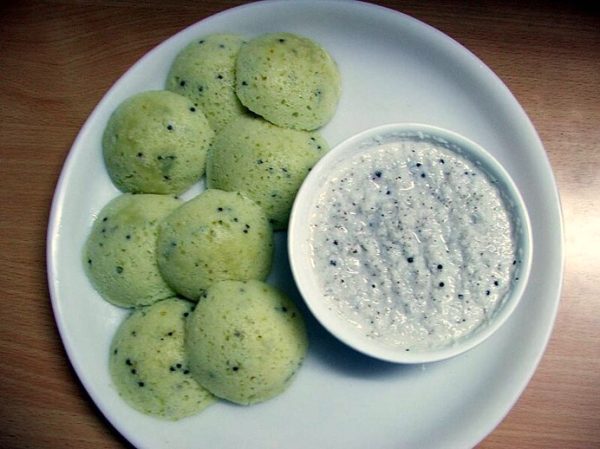
Moong and urad dal idli recipe

Moong Dal and Urad Dal Idli Recipe

Moong and urad dal idlis not only tastes good, it is easy to digest. These idlis are light, protein-packed, and perfect for a healthy meal or snack. This idli does not need rice and gut friendly.

Ingredients:

  1. Moong dal – 1 cup
  2. Urad dal – 1/2 cup
  3. Fenugreek seeds (methi) – 1/4 teaspoon
  4. Salt – as per taste
  5. Water – as needed
  6. Vegetables (optional): Carrots, 1 -finley chopped green chili, grated ginger (1/2 inch), chopped coriander (1 Tbsp)
  7. Mustard -1 tsp (optional)

Preparation:

  1. Wash moong dal, urad dal and fenugreek seeds thoroughly under running water. Soak them together in enough water for 5-6 hours or overnight.
  2. Drain the soaked dals and transfer them to a blender or wet grinder. Add a small amount of water gradually and grind to a slightly coarse batter. The consistency of the batter should be similar to regular idli batter.
  3. Transfer the batter to a large bowl, for fermentation. Add salt and mix well. Leave the mix for few hours to complete fermentation.
  4. Heat one tsp oil, add mustard seeds for seasoning idli mix. Add mustard to idli batter, mix well.
  5. Grease the idli molds with a little oil. Pour the fermented batter into the molds.
  6. If you are adding vegetables then add them top of the batter add grated vegetables. Do not mix vegetables with batter – placing on top gives idli better taste.
  7. Heat water in an idli container. Once the water starts boiling, place the idli molds inside. Cover and steam for 12-15 minutes on medium heat.
  8. Using a spoon or toothpick check whether idlis cooked.
  9. Let the idlis cool slightly, then gently remove them from the molds. Serve warm with coconut chutney, sambar, or a spicy tomato chutney.

Image credit: J I G I S H A a.k.a Nitin Badhwar, CC BY-SA 2.0 <https://creativecommons.org/licenses/by-sa/2.0>, via Wikimedia Commons


Author: Sumana Rao | Posted on: January 22, 2025
« »
« »

Recommended for you

Twins challenges

Ways To Manage Twins Tantrums

Managing twins tantrums can be particularly challenging since they might amplify each other’s emotions. If you have twins and a new parent then you should know, twins are like any other siblings – they fight, they bond and they grow up together. You might face a bit more challenge in managing their tantrums and if you feel it is challenging then you need some tips. Here are few ways to manage twins’ tantrums -,

1. Stay calm: Model calmness-Twins can notice your emotions, so staying composed helps de-escalate the situation. Take deep breaths before responding to give yourself a moment to think.

2. Understand the trigger: Identify the cause- Hunger, fatigue, frustration, or wanting attention often spark tantrums. Observe patterns- Keep track of when tantrums happen to predict and prevent them in the future.

3. Do not compare or blame:  Avoid saying things like, “Why can’t you be like your sibling?” This might lead to rivalry or feelings of inadequacy.

4. Separate them if needed: If one twin’s tantrum is escalating the other’s, calmly separate them into safe spaces to help them calm down individually. This reduces the intensity and allows each child to process their emotions.

5. Validate their feelings: Acknowledge their emotions by saying, “I understand you’re upset because…” Avoid dismissing their feelings, as this can lead to more frustration.

6. Offer choices: Empower them by giving simple, clear options, for example -, “Do you want to play with blocks or read a book?” – This provides a sense of control and reduces frustration.

7. Use distraction: Redirect their attention to something fun or engaging, like a favorite toy or an activity they enjoy. Sometimes simply changing the environment—like moving to a different room—can help.

8. Teach them to express emotions: Help them learn words to describe their feelings, such as “angry,” “sad,” or “frustrated.” Teach simple coping techniques like taking deep breaths.

9. Be consistent with rules: Set clear boundaries and stick to them. If one twin gets a consequence for misbehavior, the other should as well, to avoid feelings of unfairness. For example: “If you throw toys, the toys will go away.”

10. Offer positive reinforcement: Praise good behavior: “You shared your toy with your sister—great job!” -Celebrate moments when they calm down or resolve conflicts without tantrums.

11. Prepare for public tantrums: Planning ahead to take twins out helps. Pack snacks, toys, or activities when going out. If a tantrum happens, remove twins from the situation calmly and talk to them when they are ready to listen.

Managing twin tantrums can be draining. Lean on your support system, take breaks when you can, and remind yourself that tantrums are a normal part of their development.

Image credit: https://pixabay.com/photos/twins-girls-girl-aor-love-dool-2629776/ (Free to use under Pixabay Content License)


Author: Sumana Rao | Posted on: January 20, 2025
« »
« »

Recommended for you

Red Dye 3 banned

FDA Bans Red Dye No 3 From Food Products And Dietary Supplements

The U.S. Food and Drug Administration (FDA) has announced a ban on the use of Red Dye No. 3 (FD&C Red No. 3, erythrosine) in food and ingested drugs, citing studies that link the dye to cancer in laboratory animals. The announcement came this month January 2025!

Implementation timeline:  Food products and dietary supplements containing Red No. 3 must be reformulated by January 15, 2027. Ingested drugs, including certain oral medications, have until January 18, 2028, to comply.

What are some of the affected products? Commonly found in candies, baked goods, snack foods, and beverages. It is also present in some medications and dietary supplements.

Reasons why Red Dye 3 is banned? Red Dye No. 3 (FD&C Red No. 3, erythrosine) has been banned in the U.S. for food and ingested drug use because of its links to cancer and health risks. This decision marks a significant step in U.S. food safety regulations, aligning with international standards to protect public health.

Health concerns: Studies have shown that high doses of Red Dye No. 3 can cause cancer in male rats. While direct evidence in humans is limited, the Delaney Clause of the Federal Food, Drug, and Cosmetic Act mandates banning any additive found to cause cancer in animals.

1. Carcinogenic potential-

  • Animal Studies: Research has shown that high doses of Red Dye No. 3 cause thyroid tumors in male rats.
  • Regulatory Mandate: The Delaney Clause in the Federal Food, Drug, and Cosmetic Act prohibits the use of any additive that has been found to cause cancer in animals.

2. Health concerns-

  • Red Dye No. 3 is a synthetic dye made from petroleum products and is considered a potential endocrine disruptor.
  • While direct evidence of harm in humans is limited, the precautionary principle and the findings in animal studies have raised long-term safety concerns.

Previous partial ban: Red Dye No. 3 has already been banned for use in cosmetics and external drugs in the U.S. since 1990 due to similar cancer concerns. The recent ban extends to food, dietary supplements, and ingested drugs.

Global Context: Red No. 3 is already banned in the European Union, Australia, and New Zealand for food use, except in certain types of cherries. U.S. states, including California, have enacted, or planned bans on the dye, with California’s ban effective January 2027.

Guidelines for consumers on products containing Red Dye 3: Consumers concerned about Red No. 3 can check product ingredient labels for their presence. The FDA reassures us that current exposure levels are considered minimal risk, but the ban aims to eliminate potential long-term health concerns.

What are natural food dye alternatives for red dye 3?

  1. Beetroot powder and beet juice
  2. Red cabbage extract
  3. Pomegranate juice and powder
  4. Annatto extract
  5. Hibiscus powder and extract
  6. Carrot juice and extract

What is expected from industry? Food manufacturers are expected to reformulate products to comply with the new regulations. The National Confectioners Association has stated it will adhere to FDA regulations.

Potential impact on Red Dye No. 3 Ban:

1. Food manufacturers

  1. Reformulation costs: Companies will need to invest in research and development to replace Red Dye No. 3 with natural alternatives.
  2. Product taste and appearance: Natural dyes may subtly alter the flavor and appearance of some products, requiring consumer education.
  3. Price increase: Natural dyes are often more expensive, which may increase product prices.

2. Pharmaceuticals: Ingested drugs that rely on Red Dye No. 3 for identification or branding will require reformulation, which may impact production timelines and costs.

3. Consumer behavior:  Consumers are increasingly opting for “natural” and “additive-free” products, making this an opportunity for brands to market themselves as health-conscious. Consumers may need to adjust to differences in color intensity or flavor caused by natural dyes.

4. Agriculture:  Increased demand for beets, hibiscus, carrots, and other crops used for natural dyes could create new opportunities for farmers. The natural dye industry could promote eco-friendly farming practices.

5. Food Activism and advocacy: Activists can inform the public about the health benefits of natural dyes versus synthetic ones. This could fuel further advocacy for banning other synthetic dyes like Yellow No. 5 and Blue No. 1.

This decision reflects the FDA’s commitment to reducing potential health risks and aligning with evolving scientific evidence. This ban also marks a significant step in U.S. food safety regulations, aligning with international standards to protect public health.

References:

  1. https://www.fda.gov/food/hfp-constituent-updates/fda-revoke-authorization-use-red-no-3-food-and-ingested-drugs
  2. https://apnews.com/article/fda-red-dye-no-3-ban-94c3e418584fb1e91ca3b0cbeb3d5a60
  3. https://www.reuters.com/business/healthcare-pharmaceuticals/fda-bans-red-dye-found-candy-cakes-2025-01-15/?utm_source=chatgpt.com
  4. https://www.wsj.com/health/healthcare/fda-bans-artificial-dye-red-3-from-food-26c9c0e1?utm_source=chatgpt.com

Image credit: Image by ivabalk from Pixabay (Free to use under Pixabay content license)


Author: Sumana Rao | Posted on: January 16, 2025
« »
« »

Recommended for you

Drone didi

India’s Drone Didi To Empower Women In Rural Areas

India’s “Drone Didi” scheme is an innovative initiative launched to empower women in rural areas by training them to operate drones for various applications. This program is part of the government’s broader push to promote drone technology under the Drone shakti mission, which focuses on creating jobs, enhancing agricultural efficiency, and leveraging technology for development.

Origin and vision

The term “Drone Didi” refers to women trained in operating drones to solve local issues, such as agricultural monitoring, disaster management, health services, and infrastructure mapping. This initiative aligns with India’s broader vision of fostering technological inclusivity and skill development among women, particularly in underprivileged and rural regions. By equipping women with the skills to pilot drones, the program not only enhances their employability but also ensures that innovative technology reaches the last mile of society.

In rural India, where agriculture is the primary livelihood, drones operated by “Drone Didis” are being used for crop health analysis, pest detection, and efficient spraying of fertilizers and pesticides. This has significantly increased productivity while reducing manual labor.

Key highlights of the Drone Didi scheme:

  1. Focus on women’s empowerment:
    • The scheme specifically targets rural women, providing them with skills in drone operation and maintenance.
    • It aims to improve their employability and financial independence in sectors like agriculture, logistics, and disaster management.
  2. Drone applications:
    • Women trained under this program can assist in agricultural operations like crop spraying, surveying, and monitoring.
    • Other potential uses include mapping for government schemes, disaster relief efforts, and delivering medical supplies in remote areas.
  3. Training and collaboration:
    • Training programs are conducted in collaboration with drone manufacturers and training institutes.
    • Women are taught both technical and operational aspects of drones.
  4. Economic opportunities:
    • Certified “Drone Didis” can work as service providers in their communities or join drone service companies.
    • They may also become entrepreneurs, running their own small drone-based businesses.
  5. Government support:
    • The initiative aligns with the Indian government’s push to create a thriving drone ecosystem by 2030.
    • Financial support, subsidies, and policy frameworks ensure accessibility for women in rural areas.

This scheme is part of India’s broader effort to embrace digital and technological advancements while fostering inclusivity and rural development.

Challenges and the way forward:

Despite its success, the “Drone Didi” initiative faces challenges such as high costs of drone technology, regulatory hurdles, and the need for widespread training programs. Addressing these issues requires sustained investment, policy support, and awareness campaigns to ensure scalability and long-term impact.

Drone Didi is an initiative that exemplifies the potential of technology to drive social change and empower marginalized communities. By integrating drones into rural development and promoting women’s participation in tech-driven solutions, the program sets a benchmark for inclusive and sustainable growth. The program also fosters confidence and leadership skills, encouraging women to participate actively in their communities.

As the initiative expands, it holds the promise of transforming India’s rural landscape and inspiring similar efforts globally.

References

  1. Ministry of Skill Development and Entrepreneurship, Government of India: Reports on Skill India and Digital India initiatives.
  2. World Bank: Case studies on technology-driven rural development in India.
  3. Reports by NITI Aayog on women’s empowerment and technological inclusivity.
  4. https://krishijagran.com/

Author: Sumana Rao | Posted on: January 15, 2025
« »
« »

Recommended for you

Green gram in Ayurveda

Reasons Why Green Gram Is Recommended In Diet Program

Green gram, also known as mung bean (Vigna radiata), holds a special place in Ayurveda due to its numerous health benefits and nourishing properties. It is considered a sattvic (pure and balanced) food, making it an ideal ingredient in Ayurvedic cooking. Green gram is a versatile Ayurvedic ingredient with profound health benefits, ranging from detoxification and digestion to skin care and immunity. Incorporate it into your daily diet or skincare routine to experience its holistic benefits.

Here are some of the many benefits of green gram as highlighted in Ayurveda:

1. Tridosha balancer: Green gram is known to pacify all three doshas—Vata, Pitta, and Kapha—when prepared appropriately:

  • Light and easy to digest, it balances Vata.
  • Cooling in nature, it soothes Pitta.
  • Its low-fat, high-protein content helps balance Kapha.

2. High digestibility: Green gram is considered a “light food” meaning it is easy to digest. It is commonly used in Ayurvedic detox programs like kichadi cleanse.

  • It helps improve digestion without aggravating the digestive fire (known as Agni).

3. Detoxifying properties:  Green gram is a natural cleanser for the body, helping to flush out toxins.

  • Its cooling effect is beneficial for reducing inflammation and internal heat.

4. Protein rich superfood:  It is an excellent plant-based source of protein, which promotes tissue repair and enhances strength and vitality.

  • Especially beneficial for vegetarians or during fasting rituals.

5. Skin health: Green grams are highly recommended for improving skin health. Its cleansing and nourishing properties help achieve clear and radiant skin.

  • Green gram powder is also used as a natural exfoliant in Ayurvedic skincare, improving texture and treating acne.

6. Blood sugar regulation:  Its low glycemic index and high fiber content help regulate blood sugar levels, making it ideal for managing diabetes.

7. Cooling and anti-inflammatory: Green gram is cooling in nature, which makes it an effective remedy for heat-related conditions like acidity, skin rashes, or burning sensations.

8. Weight management: Its high fiber content keeps you full for longer, aiding in appetite control and weight loss.

  • It is light and nutritious, making it an ideal addition to a balanced diet for those managing obesity.

9. Boosts immunity: Rich in antioxidants like flavonoids, green gram helps combat free radicals and strengthens the immune system.

10. Enhances reproductive health: Ayurveda considers green gram to support reproductive health by improving vitality and enhancing the quality of reproductive tissues.

11. Strengthens the heart: Green gram helps reduce bad cholesterol, improves circulation, and protects cardiovascular health.

12. Ideal for post illness recovery: Its nourishing and easily digestible properties make it a perfect food for convalescence.

Seven ways to use green gram.

  1. As a soup or Kichadi: A light green gram soup or khichdi with rice is widely used for detox and nourishment.
  2. Green gram porridge: Soak green gram for 2 hrs. and prepare porridge by boiling the soaked green gram. Add a little salt, asafetida and amla powder. Have this in the morning.
  3. Sprouted form: Sprouts enhance green gram nutrient content, making it excellent for digestion and vitality. Add sprouts to salad or consume with mint chutney and yogurt.
  4. Sprouted green gram drink: Grind sprouted green gram with jaggery and water. Add cardamom powder and drink. It is an immunity booster drink.
  5. Green gram cutlet: Cook green gram with little water. Add grated vegetables like carrot, zucchini, leafy vegetables, and other vegetables of your choice. Prepare cutlet on thava. You do not need any binding agent for this one.
  6. Green gram sambar: You can prepare green gram sambar. Add cucumber and spinach with green gram for better taste.
  7. As a face pack: Green gram powder mixed with turmeric and milk, or milk cream can be used as a cleansing and brightening face pack.

Image credit: https://pxhere.com/en/photo/1022102 (CC0 Public Domain)


Author: Sumana Rao | Posted on: January 13, 2025
« »
« »

Recommended for you

Parenting good and bad

Parenting Is Willing To Learn And Grow Alongside The Child

Good parenting and bad parenting have distinct characteristics that significantly impact a child’s development, behavior, and emotional well-being. Understanding the difference between good and bad parenting helps to improve parenting skills and parents clearly focus on child’s overall development.

What is good parenting? Good parenting focuses on nurturing the child, fostering their growth, and preparing them for a successful and healthy life.

Unconditional love and support: This means expressing love and care consistently, making the child feel secure and valued. And encouraging open communication without fear of judgment.

Consistent discipline: Setting clear and reasonable boundaries. Enforce rules with consistency, explaining the reasons behind them.

Positive reinforcement: Celebrating a child’s accomplishments, no matter how small. Encouraging efforts to overcome outcome and helps the child build self-esteem.

Active listening: Paying attention to the child’s thoughts, feelings, and opinions. Validate their emotions and offer guidance when needed.

Modeling good behavior: Demonstrate honesty, empathy, patience, and other positive traits. Teach by example not just by words.

Fostering independence: Always encourage problem solving and decision-making skills. This helps and allows the child to learn from mistakes while you are providing support.

Flexibility and adaptability: Understandingthat each child is unique and adapts parenting styles accordingly.

What is bad parenting? Bad parenting often stems from neglect, poor discipline, or unhealthy behaviors that can lead to long-term negative outcomes for the child.

What are some of the characteristics of bad parenting?

Neglecting: Failing to meet the child’s physical, emotional, or psychological needs. Exhibiting disinterest or lack of involvement in the child’s life.

Inconsistent discipline: Enforcing rules unpredictably or too harshly. Using punishment instead of teaching leads to confusion or fear.

Over criticism: Focusing on the child’s mistakes rather than their achievements. Engaging in negative labeling (like saying “You are lazy” or “You are useless”).

Poor communication: Dismissing and ignoring the child’s feelings or concerns. Communicating with child hostility or sarcasm creates a toxic environment.

Modeling harmful behavior: Displaying aggression, dishonesty, or unhealthy coping mechanisms. Exposing the child to harmful environments such as substance abuse and domestic violence.

Over control or lack of control: Overly controlling parents prevent the child from developing autonomy. Permissive parents fail to set boundaries, leading to insecurity and confusion.

Emotional unavailability: Not offering comfort, love, or attention when the child needs it. This creates a sense of abandonment or worthlessness in the child.

What impact does good and bad parenting have on children?

Good parenting: Builds resilience, confidence, and emotional intelligence. It fosters strong relationships and healthy coping skills.

Bad parenting: It leads to low self-esteem, behavioral issues, and difficulty forming relationships. And increases the risk of mental health problems, such as anxiety or depression.

Image credit: https://pxhere.com/en/photo/484711 (CC0 Public domain)


Author: Sumana Rao | Posted on: January 8, 2025
« »
« »

Recommended for you