All posts by Sumana Rao

Don't worry about the people in your past; There's a reason they didn't make it to your future.
Banana flower curry

Fibre Rich, Delicious Banana Blossom Curry

We are familiar with health benefits of banana fruits. Did you know that banana stem, banana leaves and banana blossoms have health benefit too?

Banana blossom is nothing but the inflorescence of banana tree. It contains flowers between the dark purple bracts. When you open these bracts you will find whitish tender bracts that is edible. The flowers present in-between are also edible. What are the health benefits of banana blossoms?- many!

These blossoms are helpful in menstruation cycle – reducing the blood flow and controlling period pain. It is a good lactating agent and contains vitamin A, E and C. Traditionally for lactating mothers the dish prepared using these blossom was recommended by grandmothers . It is slightly bitter but once cooked tastes delicious. Since they contain magnesium, banana flowers reduce anxiety and boosts the mood. They are natural anti depressants without any side effects. A study shows that banana blossoms can increase hemoglobin levels.

Why wait? Include banana blossoms in your diet. It is easily available in many Asian grocery stores. Here recipe for banana blossom curry.

Ingredients:

1. Banana blossom -500 grams
2. Turmeric powder -1 tsp
3. Ginger paste- 1/4 tsp
4. chopped Green chilli -3
5. Chopped Onion- One cup
6. Grated coconut -3 Tbs
7. Red chilli powder – 1/4 tsp
8. Salt to taste
9. Coconut Oil or sesame oil- Tsb
10. Mustard -1/4 tsp
11. Cumin -1/4tspoon
12. Curry leaves
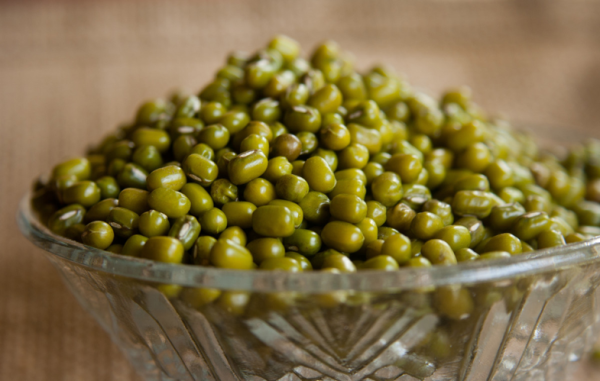
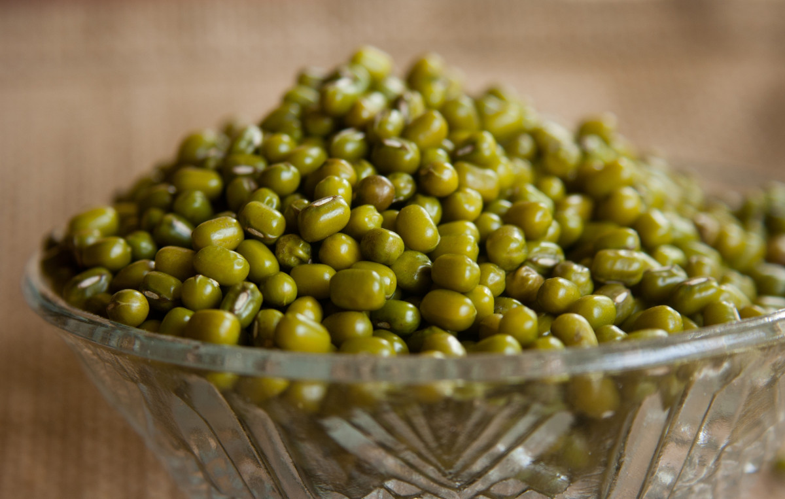
13. Whole moongdal cooked – 1/4 cup
14. Coriander – chopped -1/4 cup
15. Light butter milk -1/4 cup buttermilk and one cup water

Selecting the banana blossom:

When you select the banana blossom make sure that the leaves (bracts) of blossom are tightly overlapping to each other. When you peel the leaves the flowers inside present at bottom should be fresh.

Preparation:

• First step for preparing this curry is to clean the blossom. Remove or peel off and discard the tough, old outer layers of the banana blossom. Keep only tender edible portion of the blossom.

• Keep buttermilk and salt in a bowl to transfer the chopped blossom.

• Carefully chop the banana blossom and the flowers and transfer it to very light buttermilk and salt. This acidic liquid keeps the banana blossom color almost intact and does not allow it to turn black.

• Take out the chopped blossom from butter milk and wash in water.

• To this now add turmeric powder, salt and transfer to a container with little water, close the lid and boil for about 15 to 20 minutes.

• Separate the chopped blossoms from the cooked water. This will help to remove if there is any bitterness in the blossom.

• In a pan add coconut oil or sesame oil – heat and add mustard, cumin, green chilli, red chilli followed by curry leaves, onion and ginger paste. Under medium flame mix all the ingredients well.

• Now add chopped banana flower, cooked moongdaal, grated coconut, salt, chili powder and mix well and, cook for 15 minutes. While cooking make sure to check whether ingredients are mixed and cooked.

• Remove the curry from the flame, add chopped coriander and serve hot with roti, chapati or as a side dish. This curry is delicious when mixed with rice.

Recipe: www.werindia.com

Image credit: Image by Joanna Wielgosz from Pixabay & www.werindia.com


Author: Sumana Rao | Posted on: November 11, 2024
« »
« »

Recommended for you

Harmful Food During Pregnancy

Foods To Avoid During Pregnancy

Pregnancy is precious for all women. During pregnancy what mother eats obviously becomes baby’s food too. If mother’s immune system is weak it affects unborn baby. To keep baby in best health mother should take care of her health. If mother eats foods that is allergic to body it might end up in complications. During pregnancy period certain fruits and foods not recommended for consumption due to the ingredients of fruits.  These fruits and foods are nutrient rich and good for health but not recommended during pregnancy period. If you are pregnant then take note of these foods that could harm pregnancy.

Unwashed raw fruits: All unwashed raw fruits must be avoided during pregnancy. Unwashed fruits contain microbial infections and harm fetus. Wash fruits thoroughly, do not use soap or bleach to clean fruits. Soak in warm water for few minutes and rinse in fresh water. Peel the outer skin and then consume fruits.

  • Papaya: Papaya traditionally used for abortion and it brings labor early and can cause miscarriage. Green papaya which is unripe and semi-ripe used in traditional medicine to apply on uterus to induce labor. Reason for this, papaya has certain chemicals that cause uterine contractions. The two chemicals in unripe papaya are latex – white liquid and papain an enzyme both can cause reactions in the form of contraction, stomach irritation and allergic reaction. It also increases bleeding risk and potential harm to baby. It might also cause fetal poisoning or birth defects. Did you know to induce periods in girls’ papaya is used as one of the remedy?
  • Pineapple: Eating pineapple during pregnancy can only cause harm. It contains a chemical compound called bromelain that causes softening of the cervix leading to labor. Intake of pineapple definitely should be restricted during first trimester of pregnancy. In traditional medicines, pineapple juice is given to induce labor. It means pineapple should be avoided during pregnancy period.
  • Grapes: The reason to avoid grapes is not just because of the chemical constitution also because of pesticide applications. If you see all varieties of grapes in market covered with white pesticide residues. These pesticides are not good for fetus and can cause birth defect. Washing grapes may not takeout the residues and once it enters mother’s body, naturally pesticide reaches growing baby. Avoid grapes for all nine months. Resveratrol is chemical present I grapes and it can be toxic to expectant mother. Resveratrol causes hormonal imbalance, stomach related problems and allergies.
  • Tamarind: Pregnant women crave for tamarind. Little tamarind is okay to chew. However, too much tamarind increases risk of miscarriage due reduced progesterone by increased vitamin C. Too much vitamin C damages fetus cells and it results in complications.
  • Unpasteurized milk: Boiled milk is good for pregnant women. Raw milk contains germs and microbes which can be harmful for baby’s growth. It may result in food infection, diarrhea and complications.
  • Sesame seeds: Foods containing sesame seeds or dry sesame seeds must be avoided. Sesame seeds are used to stimulate uterine muscle and to induce period. In the first and second trimester it is better to avoid sesame seeds.
  • Raw sprouts: Several raw sprouts like alfalfa, mung bean, clover and radish might harbor dangerous bacteria – Salmonella. Salmonella causes food infections and is a threat for pregnancy.
  • Ajinomoto: Ajinomoto is also known as MSG and is present in Chinese foods. It is a form of food taste enhancer.  During pregnancy if you are craving for Chinese foods, make sure there is no ajinomoto. It can cause heart and nerve problems.

In case you are fond of any of the above food and cannot resist eating, talk to your doctor before consuming any of these foods.

Image credit: https://www.pexels.com/@negativespace (Free for commercial use)


Author: Sumana Rao | Posted on: November 8, 2024
« »
« »

Recommended for you

Tips to maintain curtains

Tips To Maintain Beautiful Curtains

Curtains enhance the beauty of windows, doors and houses. Some house owners spend money to get customized curtains with special orders. Whether you buy curtains from stores or get them stitched, maintaining curtains is critical to keep them for many years.  Maintaining curtains can help keep them looking clean, fresh, and in good condition. Here are some tips to help you maintain your curtains effectively:

  1. Regular dusting: Dust curtains regularly using a feather duster, vacuum cleaner, or soft brush. This helps prevent dust buildup and keeps them looking clean.
  2. Vacuuming: Use a handheld vacuum with a brush attachment to gently remove dust and dirt from the curtains. Start from the top and work your way down.
  3. Gentle shake: Take heavier curtains outside and give them a gentle shake to dislodge dust and debris.
  4. Spot cleaning: If you notice stains or spots on your curtains, spot clean them using a mild detergent. If using a fabric cleaner test, the cleaner on a small, hidden area first to ensure it doesn’t damage the fabric.
  5. Machine washable curtains: Check the care instructions on the curtain label. Some curtains are machine washable. If your curtains can be washed, use a gentle cycle and cold water.
  6. Hand washing: Delicate or non-machine washable curtains should be hand washed with a mild detergent. Gently agitate the water and avoid wringing the fabric.
  7. Drying: Air dry curtains by hanging them on a clothesline or laying them flat on a clean surface. Avoid hanging them in direct sunlight. Prolonged exposure to sun can cause color fading.
  8. Ironing: Iron curtains on the appropriate setting for the fabric type. Use a steam iron to remove wrinkles. Be careful with delicate fabrics as hot iron can damage the fabric.
  9. Lining maintenance: Some curtains will have lining. Periodically check the lining for signs of wear and type of damage. Mend any small tears to prevent further damage.
  10. Rotate curtains: It is good idea to have couple of extra curtain and rotating curtains every few months. This is to avoid fading and aging of the curtain.
  11. Protect from sunlight: To protect curtain from direct sunlight consider using sheer or light-blocking curtains. Over time direct exposure to daily sunlight can cause fading and fabric deterioration.
  12. Curtain rod maintenance: Heavy curtains can bring down the curtain rod. Sometimes curtain keep getting stuck between two rod joints.  Check the curtain rods and hardware for any signs of damage or detachment from the wall. If the rods are rusted, clean and lubricate the rods to ensure smooth operation.
  13. Pets: If you have furry friends at home vacuum or shake out curtains more frequently to remove pet hair and allergens.
  14. Professional cleaning: For delicate or valuable curtains, consider professional dry cleaning. If needed give special care instructions to dry cleaning service.

Different curtain fabrics require different care methods, so always check the care label and any manufacturer recommendations before cleaning curtains. Regular maintenance and proper care can extend the lifespan of beautiful curtains and keep them looking their best.

Image credit: Photo by Max Rahubovskiy: https://www.pexels.com/photo/room-with-couch-7546217/


Author: Sumana Rao | Posted on:
« »
« »

Recommended for you

Mudras for children health

Practicing These Four Yoga Mudras Can Improve Children’s Learning Skills

Mudras are symbolic hand gestures or positions often used in yoga, meditation, and traditional Indian practices to channel and balance energy within the body. The word “mudra” is Sanskrit for “gesture” or “seal,” and these gestures are believed to influence the flow of prana or life energy in the body. Mudras can also be helpful for children’s health, as they are simple and can support both physical and mental well-being.

Purposes of Mudras:

  • Enhancing physical health: Some mudras are believed to help with digestion, circulation, and even relieving pain.
  • Mental clarity and focus: Mudras can improve concentration, memory, and learning abilities, making them useful for students or those needing mental clarity.
  • Emotional balance: Certain mudras are calming and help relieve stress, anxiety, or depression by balancing the mind and emotions.
  • Spiritual growth: Mudras can deepen meditation practices, fostering inner peace and spiritual awareness.

Parents can help children and guide them in practicing mudras. The following five mudras are simple and easy to practice. Children can practice mudras while they are meditating.

1. Vayu Mudra (Mudra of air)

  • Benefits: Vayu Mudra helps balance the air element in the body, which can alleviate issues like hyperactivity, restlessness, or nervousness. It’s particularly beneficial for calming down anxious or overly energetic children.
  • How to do it: Fold the index finger towards the palm and press it down with the thumb, while keeping the other three fingers extended. Practice this mudra for 3-5 minutes.

2. Prithvi Mudra (Mudra of earth)

  • Benefits: Prithvi Mudra helps improve physical strength and overall vitality. It is beneficial for children who are underweight, weak, or have a low appetite. This mudra promotes grounding and stability, supporting growth and immunity.
  • How to do it: Touch the tip of the ring finger to the thumb and press them together gently while the other fingers remain straight. Practice for 3-5 minutes.

3. Gyan Mudra (Mudra of knowledge)

  • Benefits: Gyan Mudra enhances focus, concentration, and memory, making it ideal for children who are studying or need help with learning. It calms the mind and promotes mental clarity, which can help children feel more centered and focused.
  • How to do it: Touch the tip of the index finger to the thumb, keeping the other three fingers straight. Practice for 3-5 minutes daily, particularly when studying or doing homework.

4. Hakini Mudra (Mudra of the mind)

  • Benefits: Hakini Mudra is excellent for boosting brain power, improving memory retention, and balancing the left and right hemispheres of the brain. It also promotes better concentration and helps children access their mental faculties more effectively.
  • How to do it: Bring the fingertips of both hands together so that they are lightly touching. Keep the palms apart. Focus on deep breathing while holding this gesture. Practice for 3-5 minutes, particularly before studying or while trying to recall information.

These mudras, practiced regularly, can enhance mental clarity and help children improve their learning skills.

Image credit: Ayurveda home remedies, Ministry of Ayush & www.werindia.com, https://pixahive.com/photo/yoga-14/ (CC0 Free for commercial use)


Author: Sumana Rao | Posted on: November 7, 2024
« »
« »

Recommended for you

Indian frankincense

Health Benefits Of Indian Frankincense Bowellia Salai Guggul

Boswellia, also known as Indian frankincense, comes from the fragrant resin of the Boswellia serrata tree. It grows in Punjab regions and is commonly known as Shallaki resin It has been used for centuries in traditional Ayurvedic medicine due to its anti-inflammatory properties. In Ayurvedic medicine, Boswellia also known as Salai guggul, holds significant importance due to its healing properties and has been used for centuries to treat a variety of ailments.

In Ayurveda, Boswellia is a multi-purpose herb that addresses a wide range of physical, mental, and spiritual ailments. Whether it is used for its anti-inflammatory benefits, digestive support, or mental clarity, Boswellia plays a key role in maintaining holistic health and well-being.

Health Benefits:

  1. Anti-Inflammatory Effects: Boswellia is particularly known for its ability to reduce inflammation, like nonsteroidal anti-inflammatory drugs (NSAIDs) but with fewer side effects. It is effective in managing chronic inflammatory conditions like:
  • Balancing the doshas: Ayurveda focuses on balancing the body’s three doshas—Vata, Pitta, and Kapha—to maintain health. Boswellia is especially effective in balancing Vata and Kapha doshas, which are linked to joint and muscle inflammation.
  • Treating arthritis and joint disorders: Due to its potent anti-inflammatory effects, Boswellia is frequently used in Ayurvedic medicine to treat arthritis, joint pain, and other musculoskeletal disorders. It is often prescribed for conditions like osteoarthritis and rheumatoid arthritis to reduce swelling, stiffness, and pain.
    • Osteoarthritis: Reduces joint pain and stiffness.
    • Rheumatoid arthritis: Helps in managing pain and swelling.

2. Respiratory health: Management of Respiratory Conditions: In Ayurveda, Boswellia is used to treat respiratory issues like asthma, bronchitis, and coughs. It is believed to clear the airways and reduce lung inflammation, making it easier to breathe. This makes it valuable for managing Kapha-related respiratory imbalances, where excess mucus and congestion are present.

3. Digestive health and detoxification:

  • Improving Digestion and Reducing Inflammation: Boswellia is commonly used to support digestive health in Ayurveda. Its anti-inflammatory properties help soothe the digestive tract, making it useful for treating inflammatory bowel diseases, such as Crohn’s disease and ulcerative colitis.
  • Pitta-Pacifying Properties: Since Boswellia helps cool inflammation, it also pacifies Pitta, which is associated with heat and inflammation in the body, particularly in the digestive system. This makes it an effective treatment for acid reflux, gastritis, and other conditions caused by excess Pitta.

4. Wound healing and skin health:

  • Healing Wounds and Skin Disorders: The resin of Boswellia is often used in Ayurvedic formulations for healing wounds, burns, and ulcers. Its anti-inflammatory and antimicrobial properties make it a go-to remedy for treating skin infections and promoting tissue regeneration.
  • Promoting Youthful Skin: Boswellia is also used in Ayurvedic skincare routines due to its ability to prevent signs of aging, reduce wrinkles, and keep the skin smooth.

5. Mental and emotional wellbeing:

  • Promoting mental clarity: In Ayurveda, Boswellia is sometimes used to enhance mental clarity and cognitive function. It is believed to help reduce Vata imbalances in the mind, which are linked to stress, anxiety, and overthinking.
  • Spiritual uses: Boswellia is valued not only for its medicinal properties but also for its spiritual significance. The resin is often burned as incense during meditation and rituals to promote tranquility, clarity, and focus.

6. Anti-cancer and Anti-Aging properties:

  • Rasayana (rejuvenate therapy): Boswellia is classified as a Rasayana herb in Ayurveda, meaning it helps rejuvenate and promote longevity. It supports the body’s ability to heal and regenerate, which is why it is also used in Ayurvedic anti-aging treatments.
  • Potential anti-cancer properties: Although not a traditional application in ancient texts, modern Ayurvedic practices and studies have indicated that Boswellia may have potential anti-tumor effects, making it a part of some contemporary cancer treatment protocols.

7. Immune system support: Strengthening the Immune System: Boswellia is used to boost the immune system by reducing inflammation, which is seen as a major cause of disease in Ayurveda. By lowering chronic inflammation, Boswellia helps protect the body against infections and long-term illnesses.

Traditional ayurvedic uses of Boswellia:

  • Formulations: Boswellia is often combined with other herbs, such as turmeric (to enhance its effects, especially for joint and digestive health. A popular formulation is Shallaki, a Boswellia-based Ayurvedic medicine for arthritis and joint disorders.
  • Dosage forms: In Ayurveda, Boswellia is administered in several forms, including powder (churna), tablets, ointments, and oil for massage. The resin may also be used directly for fumigation or as incense during spiritual practices.

Spiritual and ritual use:

  • Incense in rituals: The aromatic resin of Boswellia, frankincense, has been used in spiritual rituals to purify spaces, promote mental clarity, and foster a connection with the divine. This is deeply rooted in both Ayurvedic and other ancient practices.

How to use Boswellia:

  1. Capsules or tablets: This is one of the most common forms of Boswellia supplements. You can find standardized extracts, typically containing 30-65% boswellic acids, which are the active ingredients.
  2. Topical application: Boswellia can be found in creams or ointments to be applied directly to the skin to reduce inflammation and pain, especially in joints.
  3. Essential oil: Boswellia essential oil can be inhaled for respiratory benefits or used in aromatherapy to reduce stress and anxiety. It can also be applied to the skin when diluted with a carrier oil.
  4. Powder form: You can also find Boswellia powder, which can be mixed with water, juice, or smoothies.
  5. Tea: Although less common, Boswellia can be brewed as tea by steeping the resin in hot water.

Precautions:

  • Side effects: While Boswellia is safe, some people may experience digestive issues, such as nausea or acid reflux.
  • Interactions: If you are on medication for inflammation, pain, or blood-thinning drugs, consult a healthcare provider before using Boswellia.
  • Pregnancy and breastfeeding: Its safety during pregnancy and breastfeeding has not been thoroughly researched, so it is best to avoid it unless under a doctor’s supervision.

Image credit: By Scott Zona from USA – Boswellia sacra, CC BY 2.0, https://commons.wikimedia.org/w/index.php?curid=5409339


Author: Sumana Rao | Posted on: November 5, 2024
« »
« »

Recommended for you

Mudras for women health

Practicing These Five Yoga Mudras Help Overall Vitality In Women

Mudras are hand gestures used in yoga. Practicing Mudras can be beneficial for women’s health by promoting physical, mental, and emotional well-being. There are many yoga mudras and practicing these hand gestures benefits in various conditions. Five mudras that can specifically help with common women’s health issues like stress, hormonal balance, and overall vitality are Yoni mudra, Surya mudra, Prana mudra, Apana mudra and Shakti mudra.

Benefits of practicing these five yoga mudras and how to practice them  can shed some light on this ancient practice that is originated in India. 

1. Yoni Mudra (Womb mudra)

  • Benefits: Yoni Mudra represents the womb and feminine energy. It helps to balance the reproductive system, reduce menstrual discomfort, and promote a calm, meditative state. It also assists in emotional balance and grounding.
  • How to perform? Bring the tips of the index fingers together and the tips of the thumbs together, forming a triangle. The other fingers are folded inward. Hold the mudra at the navel level.

2. Surya Mudra (Mudra of the Sun)

  • Benefits: This mudra boosts metabolism, reduces excess weight, and increases body warmth. It also helps regulate menstrual cycles and improves digestion, benefiting overall hormonal balance.
  • How to perform? Fold the ring finger towards the palm and press it with the thumb while keeping the other fingers straight. Hold this for 10-15 minutes a day.

3. Prana Mudra (Mudra of life)

  • Benefits: Prana Mudra helps energize the body and boosts vitality. It supports the immune system, balances emotions, and reduces fatigue, making it great for women who feel drained or stressed.
  • How to perform? Touch the tips of the thumb, ring finger, and little finger together, while keeping the other two fingers straight. Practice for at least 15-20 minutes daily.

4. Apana Mudra (Mudra of digestion)

  • Benefits: This mudra aids in digestion, detoxification, and cleansing of the body. It is especially beneficial for relieving menstrual pain, supporting reproductive health, and easing digestive problems.
  • How to perform? Touch the tips of the middle finger and ring finger to the thumb, while the index and little fingers remain extended. Hold for 10-15 minutes daily.

5. Shakti Mudra (Mudra of power)

  • Benefits: Shakti Mudra helps to relax the pelvic area, making it beneficial for menstrual cramps and lower back pain. It also induces a deep state of relaxation, reducing stress and anxiety.
  • How to perform? Fold the thumb inside the palm, cover it with the ring and little fingers, and then bring the tips of the index and middle fingers together. Hold this mudra for 10-15 minutes.

These mudras can be practiced daily to promote overall well-being, hormonal balance, and emotional stability for women. Pairing them with deep, mindful breathing enhances their effects.

Image credit: Woman: Image by pxby666 from Pixabay (Free under Pixabay content license)


Author: Sumana Rao | Posted on: October 31, 2024
« »
« »

Recommended for you

Analogue paneer fake paneer

Zomato Receives Backlash Over Analogue Paneer – Know About Analogue Paneer

“Analogue paneer” refers to a substitute for traditional paneer (Indian cottage cheese) made with alternative ingredients, often to reduce costs or suit specific dietary needs. It might use vegetable oils, soy protein, or other dairy alternatives to mimic the texture and taste of paneer but with different nutritional content. Some manufacturers produce analogue paneer to cater to vegan consumers or to reduce production costs compared to dairy based paneer.

Recently Indian restaurant industry Zomato received backlash for using analogue paneer in its food. Zomato is an Indian multinational restaurant aggregator and food delivery company. It connects users with a wide range of restaurants, cafes, and other food vendors and provides online ordering, delivery, table reservations, and reviews. It is a Food delivery industry in India and has expanded its services internationally, becoming one of the major players in the food tech industry.

While analogue paneer may offer a lower-cost, plant-based option, it is typically less nutritious than traditional paneer and can contain ingredients that might not support overall health when consumed regularly.

Analogue paneer is considered less healthy for consumption than traditional paneer due to following reasons:

  1. Lower nutritional value: Traditional paneer is made from milk and is rich in protein, calcium, and other essential nutrients. Analogue paneer, on the other hand, is typically made from vegetable oils and other fillers, which may lack the protein and calcium content found in dairy-based paneer.
  2. High in trans fats and saturated Fats: Some analogue paneers use hydrogenated vegetable oils, which can be high in trans fats. Trans fats are known to raise bad cholesterol (LDL) and lower good cholesterol (HDL), increasing the risk of heart disease, inflammation, and other health issues.
  3. Added preservatives and fillers: To improve shelf life and texture, manufacturers often add artificial preservatives, stabilizers, and emulsifiers. Some of these additives may be harmful if consumed regularly, as they can disrupt digestion and may have other adverse health effects over time.
  4. Digestibility: Analogue paneer may be harder to digest for some individuals, especially if it contains elevated levels of processed ingredients or additives. Traditional paneer, on the other hand, is more easily digestible for most people due to its natural composition.
  5. Possible allergenic ingredients: Some analogue paneers use soy or other plant-based proteins that can trigger allergies in sensitive individuals. Traditional paneer is less likely to cause allergies, although it does contain lactose, which can be an issue for those who are lactose intolerant.

Why did Zomato receive the backlash over using analogue paneer?

The use of analogue paneer by restaurants, particularly without clear labeling, has sparked significant backlash among consumers. Main reasons for the backlash-,

  1. Lack of transparency: Customers expect traditional dairy-based paneer in their dishes, but analogue paneer is sometimes used without disclosure. This lack of transparency is seen as misleading, especially when the product differs nutritionally and taste-wise from authentic paneer.
  2. Health concerns: Many consumers are concerned about the health effects of analogue paneer, particularly if it contains hydrogenated oils or additives that may impact cholesterol levels, digestion, and overall health. For those specifically looking for high protein or calcium rich food options, the use of lower-quality substitutes can be a disappointment.
  3. Trust and quality issues: Using an analogue paneer can hurt a restaurant’s reputation, as customers may feel the quality is being compromised to cut costs. This has led to negative reviews, customer complaints, and even boycotts in some cases.
  4. Misalignment with dietary preferences: Some analogue paneers are not vegan or lactose-free (eg. they may use casein, a milk protein), leading to further frustration for those who have dietary restrictions or preferences.

This backlash has put pressure on food delivery platforms like Zomato to encourage restaurants to disclose when they use substitutes. Some regions and food authorities are also exploring regulatory measures to require clearer labeling and enforce stricter quality standards for analogue food products.

In many places, labeling regulations require restaurants or sellers to disclose the use of substitutes like analogue paneer to help consumers make informed choices.

If you are concerned about receiving analogue paneer in an order, you might consider:

  1. Reading descriptions carefully: Some menus specify if they use dairy free or vegan substitutes, so checking the dish description might provide hints.
  2. Contacting the restaurant: Asking the restaurant directly if they use traditional paneer or an analogue can give clarity, especially if dietary needs or health concerns are a factor.
  3. Reading reviews or comments: Occasionally, other customers may mention it if they notice analogue paneer being used, so reviews on Zomato itself can sometimes provide insights.

Awareness about food transparency is increasing, so Zomato and other delivery platforms may start being more explicit about such ingredients to support informed consumer choices.

References:

www.opindia.com

www.timesofindia.com

www.economictimes.com

Image credit: https://pixahive.com/photo/paneer-roll/ (CC0 free to use)


Author: Sumana Rao | Posted on: October 30, 2024
« »
« »

Recommended for you