
All posts by Sumana Rao

Don't worry about the people in your past; There's a reason they didn't make it to your future.
Childhood Cancer Awareness Month - September

Childhood cancer awareness month-September

September is the childhood – cancer awareness month. Cancer is a disease in which cells grow and divide with little or no control. There are many different types of cancer. Cancers are typically named for the organ or the cell where the cancer begins. Some cancers can spread from the original site and move to other places in the body.

Cancer in children:

The loss of a child to cancer is one of the worst tragedies a family can face. Each death means the loss of an entire lifetime. And survivors face serious medical complications, secondary cancers, cognitive impairments and shortened lifespans. Each year, the parents of approximately 15,700 kids will hear the words “your child has cancer.” Across all ages, ethnic groups and socio-economics, this disease remains the number one cause of death by disease in children. Despite major advances – from an overall survival rate of 10 percent just fifty years ago to nearly 90 percent today, for many rare cancers, the survival rate is much lower. Furthermore, the number of diagnosed cases annually has not declined in nearly 20 years.

The most common types of cancer diagnosed in children and adolescents are leukemia, brain and other central nervous system tumors, lymphoma, rhabdomyosarcoma, neuroblastoma, Wilms tumor, bone cancer, and gonadal (testicular and ovarian) germ cell tumors.

What causes cancer in children?

Cancer in children occurs when formerly-healthy cells mutate, and replicate much more than they should. When that happens, they can also destroy nearby healthy cells and invade different parts of the body. Researchers still do not know much about what causes cancer in children. Most children’s cancers are caused by random genetic mutations that can lead to cancer. For some of these mutations, there are some environmental and genetic factors that can contribute to the cancer growing. But we still do not know what causes most childhood cancers.

Each year, more than 15,500 children are diagnosed with cancer. Today, nearly 90% of these children will survive.

Facts about childhood cancer:

  1. Every day, 43 children are diagnosed with cancer.
  2. 12% of children diagnosed with cancer do not survive.
  3. Children’s cancer affects all ethnic, gender and socio-economic groups.
  4. More than 40,000 children undergo treatment for cancer each year.
  5. 60% of children who survive cancer suffer late-effects, such as infertility, heart failure and secondary cancers.
  • Problems related to cancer treatment that occur or persist after treatment is completed are known as “late effects.” Unfortunately, three out of five survivors develop late effects. If they do occur, it is best to catch these early so treatment can begin right away. This is why ongoing follow-up care for children’s cancer survivors is so important.
  1. There are approximately 375,000 adult survivors of children’s cancer in the United States.
  • That equates to 1 in 530 adults ages 20-39.
  1. Cancer kills more children than AIDs, asthma, diabetes, cystic fibrosis and congenital anomalies combined.
  2. The average age of death for a child with cancer is 8, causing a child to lose 69 years of expected life.
  3. 74% of childhood cancer survivors have chronic illnesses, and some 40% of childhood cancer survivors have severe illnesses or die from such illnesses.
  4. Childhood cancer survivors are at significant risk for secondary cancers later in life.
  5. Cancer treatments can affect a child’s growth, fertility, and endocrine system. Child survivors may be permanently immunologically suppressed.
  6. Radiation to a child’s brain can significantly damage cognitive function, or if radiation is given at a very young age, limiting the ability to read, do basic math, tell time or even talk.
  7. Physical and neurocognitive disabilities resulting from treatment may prevent childhood cancer survivors from fully participating in school, social activities and eventually work, which can cause depression and feelings of isolation.
  8. Childhood cancer survivors have difficulty getting married and obtaining jobs, health and life insurance.
  9. Although survival rates for most childhood cancers have improved in recent decades, the improvement has been especially dramatic for a few cancers, particularly acute lymphoblastic leukemia, which is the most common childhood cancer.

It is important to keep records of childhood cancer survivor: It is also important to keep a record of the cancer treatment that someone received as a child. This record should include:

  1. The type and stage of cancer
  2. Date of diagnosis and dates of any relapses
  3. Types and dates of imaging tests
  4. Contact information for the hospitals and doctors who provided treatment
  5. Names and total doses of all chemotherapy drugs used in treatment
  6. The parts of the body that were treated with radiation and the total doses of radiation that were given
  7. Types and dates of all surgeries
  8. Any other cancer treatments received
  9. Any serious complications that occurred during treatment and how those complications were treated
  10. The date that cancer treatment was completed

While coping with a cancer diagnosis and managing the treatments is painful and challenging, it is important to remember that the majority of children’s cancer patients survive this frightening disease. There are many things one can do to provide informational, practical, and emotional support that can make a significant difference for the quality of life for the child with cancer, the caregivers, and other family members. The support of the community can make the family feel cared for, valued, and respected during a time of stress. We live in this society and let us pledge to help a family who is going through tough time.

Reference:

  1. http://curesearch.org/
  2. http://www.kidsvcancer.org/
  3. http://www.alexslemonade.org/
  4. http://www.cancer.gov/
  5. https://unite2cure.org/
  6. Image credit: Talia Castellano Face Book page

Author: Sumana Rao | Posted on: September 22, 2021
« »
« »

Recommended for you

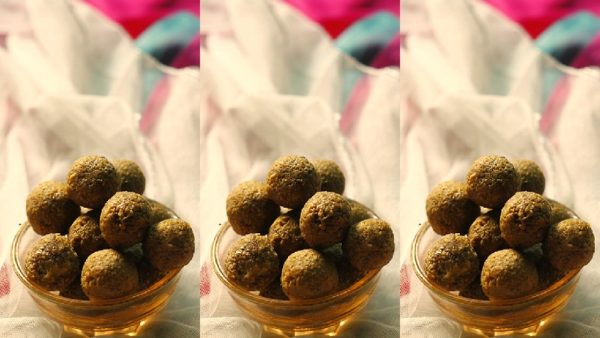
Almond laddoo recipe

Protein Rich Almond Laddoo Recipe

One ounce of almonds provide six grams of protein with other important nutrients like Vitamin E, riboflavin, magnesium, potassium, calcium and fiber. Consuming nutrient dense almonds reduces risk of heart disease, lowers bad cholesterol. Drinking almond milk helps to reduce body inflammation, promotes healthy blood vessels. Studies show that there is no link between consuming almonds and weight gain. It means the fiber and fat content makes us feel full and does not add to weight gain!

Almonds can be consumed in different ways. It is popular replacement for dairy milk and vegans use almond milk, almond butter in place of regular dairy products. Almond flour (meal) is an alternative for gluten free flour.

This Diwali, try this very simple and easy protein rich Almond laddoo (Badam laddoo) recipe.

Ingredients:

  1. Almonds: 2 cups
  2. Jaggery: 1 cup (powdered) (or powdered sugar)
  3. Coconut or copra: ½ cup
  4. Cardamom powder : ¼ tsp
  5. Cashew: Few pieces
  6. Raisins: Few
  7. Ghee (clarified butter): 2 tsp (optional)

Preparation:

  1. Prepare jaggery powder.
  2. Dry roast almonds in a pan. You can roast them in microwave for one to two minutes.
  3. Dry roast coconut for couple of minutes.
  4. Allow roasted contents to cool.
  5. After cooling, powder roasted almonds.
  6. Powder coconut and cardamom. Mix powdered almond and coconut. Mix well.
  7. Add jaggery powder (or powdered sugar) and cardamom powder to almond and coconut powder mix. Transfer contents to blender and blend again. 
  8. Once the powder and jaggery mixes, you will be able to prepare laddoos. Take a small portion of the mix and try making a small ball to test it out.
  9. Add small pieces of cashews and raisins. If you are using ghee, add it now and mix well.
  10. Prepare equal size laddoos. Store in an airtight container.

*Adding ghee helps to bind the powder well. If you prefer dry laddoo then you can make almond laddoo without ghee.

Image credit: Image by Sayantani Ghosh dastidar from Pixabay (Laddoo- Free for commercial use)


Author: Sumana Rao | Posted on: September 20, 2021
« »
« »

Recommended for you

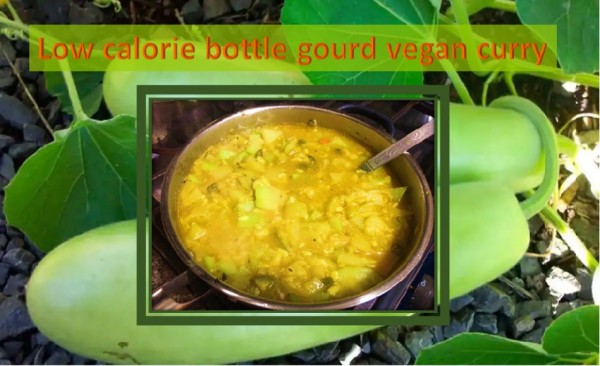
Bottle gourd weight loss curry

Bottle gourd vegan curry for weight loss

Bottle gourd is a good vegetable that promotes healthy weight loss. It is good for diabetic patients to combat thirst. It supports healthy digestion, combats flatulence, colic pain, stomach ulcer and constipation. Bottle gourd also prevents premature graying of hair and promotes hair growth.  It also promotes skin health. In Ayurveda it is highly recommended for reducing inflammation of liver.

Ingredients:

  1. Medium size bottle gourd -1
  2. Green chilli -1 or 2
  3. Chilli powder – ½ tsp
  4. Turmeric – 1 tsp
  5. For seasoning – curry leaves, cumin, mustard seeds
  6. Chopped cilantro – ½ cup
  7. Asafetida – pinch
  8. Water – 3 cups
  9. Salt – little
  10. Grated coconut – 1 Tbsp (optional)

Preparation steps:

  1. Wash and peel bottle gourd skin and cut it to small pieces,
  2. Heat 1 Tbsp oil in a vessel and prepare seasoning.
  3. Add cut bottle gourd pieces, slightly fry with cut green chilli and add one cup water. Let bottle gourd cook for 10 mins.
  4. Now add asafetida, salt and turmeric powder, chilli powder and continue cooking for 2-3 minutes.
  5. Turn off heat, add chopped coriander and grated coconut.
  6. Mix well and serve hot with chapatti, roti, puri, rice, bread or eat tasty curry as it is.

Author: Sumana Rao | Posted on: September 16, 2021
« »
« »

Recommended for you

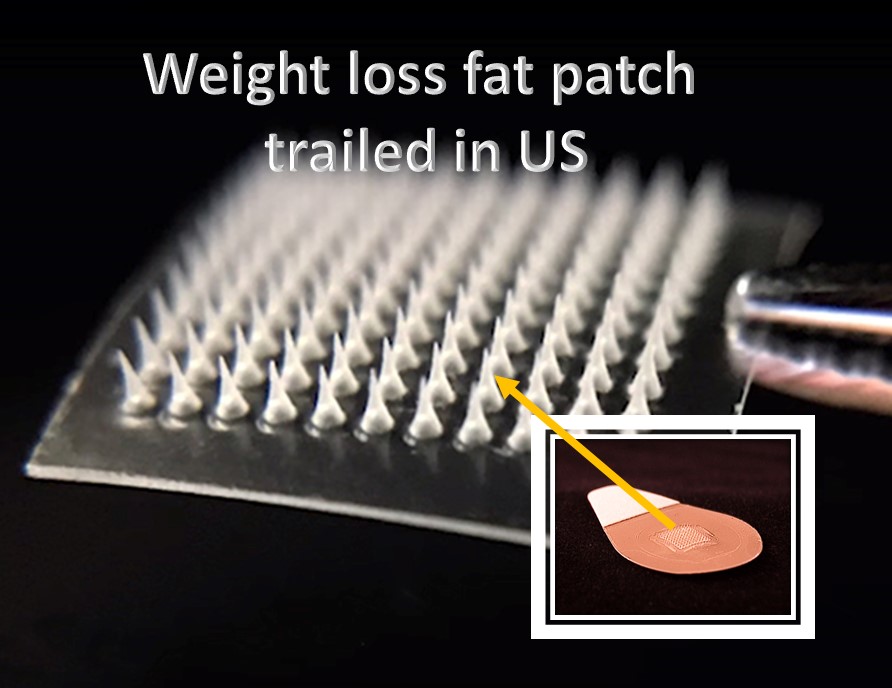
Weight loss Fat Patch is trialled in US

Weight loss Fat Patch is trialled in US

Want to get rid of unwanted fat without liposuction? Scientists have come up with a new invention “ needle covered patch”, weight loss fat patch that dissolves body fat wherever we stick it!

Hard to believe the news ?! Well, the medical patch developed by Columbia University and University of North Carolina Researchers. However, It does not do any good for cosmetic industry as it is more focused to help to fight obesity and diabetes types of conditions that are more prevalent today.

How the skin patch works?

The patch uses microscopic needles to inject nanoparticles of fat-burning drugs

Human body has two types of fat cells – White and brown fat cells. Brown fat is often considered /thought as good fat as it readily breaks down while producing heat. This is present in good amount in human newborns and helps in maintaining body temperature. In grown ups brown fat is present in less amount and white fat cells are more. White fat cells are used for long term energy storage and not easily burned. Many research in recent years focused on these two types of fat and how to convert energy storing white fat cells into energy burning brown fat. There are pharmaceutical drugs available that promote browning of white cells in the form of injections or pills. Exposing body to such drugs means inviting side effects associated with them such weight gain, bone fractures and stomach upset.

This is where this skin patch helps.  According to scientists skin patch appears to alleviate these side effect/ complications by delivering most drugs directly to fat tissue.

Skin patch grid contains microscopic needles which deliver browning drugs under the skin where the white fat is being stored. It means, drugs are encased in nanoparticles (measuring about 250 nanometers  in diameter) and delivered to cells. These nanoparticles are deployed then in the patch and when pierce the skin (it is painless), drug absorbed inside with dissolve in cells.

According to Biomedical Engineer Zhen Gu, the nanoparticles were designed to effectiel hold the drug and then gradually collapse, releasing it into nearby tissue in a sustained way instead of spreading it in throughout the body.

Experiment was conducted on obese mice using two types of drugs that help in browning of white fat 0Rosiglitazone and CL 316243. The results showed the patches containing either of these drugs produced 20% reduction in fat on animals when compared to empty nanoparticles patch. Fasting blood sugar level was under control !

Future work:

Currently the team is researching more on which drugs and combination of drugs that might work best to enable localized browning. The results are yet to be seen on humans. There is no firm plans to release the patch for use of people in near future as it needs more research work. But  It looks promising as it is noninvasive alternative to liposuction for reducing fat. It is also a safe and effective means of treating obesity and related metabolic disorders like diabetes.

Image credit and See more about weight loss skin patch here: https://www.youtube.com/watch?time_continue=7&v=uBHNeLoiuwo

Read more here:

https://www.sciencealert.com

https://www.medicalnewstoday.com/

http://www.telegraph.co.uk/


Author: Sumana Rao | Posted on:
« »
« »

Recommended for you

Kids fitness and health at home

Keep your kids fit and creative at home

This year worldwide kids are mostly home schooled and are staying home to be safe. Obviously, parents are not encouraging kids to play with friends or there is no playmate for kids due to ongoing pandemic scare. Kids may not like it as they miss their friends to play.  No matter what, parents need to focus on kids health and fitness. If you have not already, plan on it and act.

When kids cannot step out, you can use items on hands, at home to encourage kids to do some physical activity every day. If you don’t have physical activity equipment or tools, use the items that are at home and give an outlet for your kids to explore, play and enjoy.

  1. Physical activity bingo: Create a bingo with physical activities using kids games and exercise. Use yoga poses, squats, push-ups, running, hide and seek, jumping jacks etc using coins. When a kid has bingo, let other do a circuit workout with all those activities mentioned in bingo.
  2. Traditional games: Introduce kids to traditional mind games. Snake and ladder, Chess, ludo, carrom, pebble game, bead game (cheenemane, ali guli mane)- these games helps kids to think and act cautiously.
  3. Play relay: Within your yard, kids can play relay. To make it fun, have them dress up on top of their regular dress and ran back to starting point.
  4. Agility ladder: Make use of agility ladder concept. Prepare agility ladder using towel, rope etc and let kids play. This improves their speed, agility, strengthens legs and muscles. It improves brain health.
  5. Homemade paint: Give food colors, flour and water. Let them prepare different types of paints. Have them paint items like waste old boxes.
  6. Creative boxes: Have them make car, house, bird nest, pet house, mailbox etc. using cardboard boxes and old newspaper.
  7. Clay art: Get clay and play with it. Let them make something out of it. Leave it to their imagination and tell them to present it.
  8. Yoga poses: Kids body is flexible. If you introduce them to yoga at young age it helps them to stay balanced, healthy and fit. You can have them try different yoga poses every day.
  9. Weight lift: If you don’t have weights at home, no problem. Instead, have kids lift small soup cans, water bottles, books and walk around or do weigh lifting. This strengthens their week hands.
  10. Healthy snack preparation: Meal and snack preparation is an exercise. Let kid chose what he wants. Together you can cook or prepare healthy snacks.

To keep your child fit:

  • Reduce TV, screen time
  • Discourage screen time except for virtual classes and reading.
  • Let them get up and move around house every two hours.
  • Keep kids activities fun and have other family members join to make it enjoyable.

Image credit: Photo by Tatiana Syrikova from Pexels


Author: Sumana Rao | Posted on: September 15, 2021
« »
« »

Recommended for you

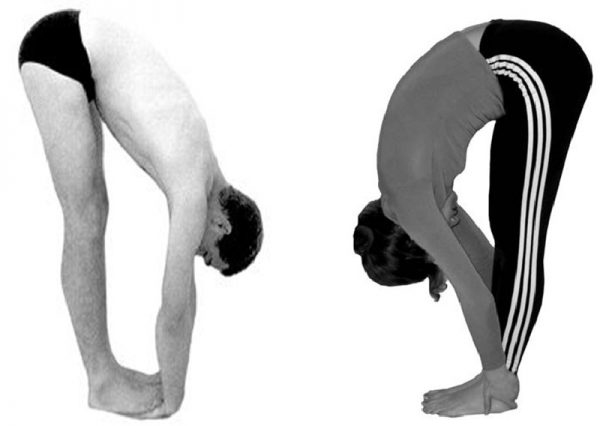
Padahastasana Forward bend pose

Practice Padahastasana & reduce belly

Padahastasana – Foot Hand Forward Bend is intermediate pose. It takes several practice to get into the pose. It is one of the best pose out there in yoga that helps to reduce belly and strengthens muscles.

In Sanskrit: Pah-dah-Hast-asana Pada=feet, hasta=hands

Benefits of the pose

  • Reduces belly
  • Stretches hamstrings, hip muscles and calves
  • Strengthens knees and thighs
  • Improves digestive organs and kidney function
  • Relaxes brain and promotes blood circulation to brain
  • Reduces anxiety and stress
  • Relieves insomnia
  • Good for menopause condition – improves mood
  • Relieves headache
  • Good for sinusitis, asthma and breathing problems

How To:

 1. Stand in mountain pose, place hands on hips (feet together or hip width apart). Exhale and slowly hinge forward from the hip joints (not from the waist). As you bend, draw the front torso out of the groins and open the space between the pubis and top sternum. Lengthen the front torso as you move more fully into the position.

 2. Bend your knees and place the hands under the feet (palms facing up), bringing the toes to meet the wrists. 

 3. Pull the navel into the spine and with an inhalation, straighten your arms and lift your front torso away from your thighs, creating a gentle concave in the back (Sit bones and heart lift). Hold for a few breaths, exhale and lengthen down bending your elbows out to the sides, framing the head. Lift the shoulders away from the neck and draw the shoulder blades down the back. Keep the weight evenly distributed through the feet and lift the sitting bones toward the ceiling. Turn the top thighs slightly inward.

4. With each inhalation in the pose, lift and lengthen the front torso just slightly; with each exhalation, release a little more fully into the forward bend. In this way the torso oscillates almost imperceptibly with the breath. Let your head hang from the root of the neck, which is deep in the upper back, between the shoulder blades. Stay in the position for 20 seconds.

 5. To come out of the pose, release the hands. Bring the hands to the hips and inhale, come up with a neutral back.

Note:

  • Legs should be perpendicular (90°) to the floor. Do not lean back and load weight on ankle.
  • Beginner: Bend knees to get into the pose. If not you might hurt your back and shoulder.

After:

  • Slight bend backwards in standing pose
  • Child pose 

Reference: Karnataka therapist handbook

Image credit: https://commons.wikimedia.org/wiki/File:Padahastasana.jpg, & https://commons.wikimedia.org/wiki/File:Ardha_padahastasana.jpg

Attribution: UmaPrykhodko / CC BY-SA (https://creativecommons.org/licenses/by-sa/4.0), Marcocarvalho / CC BY (https://creativecommons.org/licenses/by/3.0)


Author: Sumana Rao | Posted on: September 14, 2021
« »
« »

Recommended for you

Eat those veggies and fruits available in that particular season

Eat those veggies and fruits available in that particular season

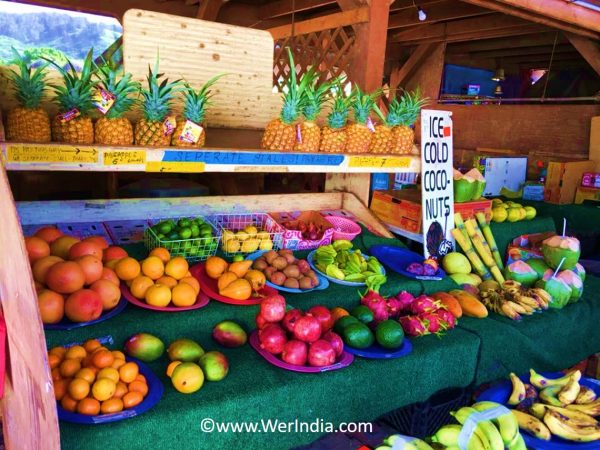
Our ancestors used to eat certain foods only when they were in season, things had changed to an extent where people could buy any type of food from the supermarket, irrespective of its seasonal availability. Today because of technology, all vegetables and fruits are available during all seasons. However, scientists and nutritionalists are asking us to eat what is available in that particular season. There are plenty of reasons for this.

1) Locally grown, easily affordable and hence cost is low

2) The nutrition levels of fresh, seasonal food is very high and it is proven that nutrition values goes down considerably, the longer the food stays unconsumed & stored. So, it’s a good idea to eat freshly picked fruit, or freshly harvested produce.

3) You support your local farmers and in return get good produce.

4) Supermarkets add gloss to their fruits and vegetables to keep them looking fresh and inviting. By gloss, we mean that supermarkets and huge food chains take pains to ensure that food is attractive even though it is not in season. To do this, they naturally compromise on the nutrition level of the food

5) Seasonal foods are more or less organic and if you’re going to be eating non seasonal foods, do keep in mind that they’re probably full of pesticides as well. Healthy eating goes down many notches when you give in to eating non-seasonal foods.

6) Seasonal foods are good for the environment. Not only do foods taste best when they are in season, they are far fresher since they haven’t been transported over long distances (which is why they are often picked prematurely, robbing them of their nutritional benefits).

7) Foods that are grown out of season are often sprayed with chemicals of all sorts because it requires a little bending of nature’s rules for these foods to survive the strange season in which they are brought into the world.

8) Nature has a cycle of its own for a very good reason. The foods that appear in winter are normally because they are of the heating type and keep you warm. Likewise, in summer you have cooling foods and these keep your body cool. If we revert this natural order, we’re likely to not receive any of nature’s benefits that were meant for us. What’s more, we could be doing more harm than good by eating foods that are clearly not in season.

9) The same vegetables or fruit produced in seasons in which they are not meant to be around, seem to have different nutritional values.

10) To keep produce fresh more  preservatives that are added to unseasonal foods, the more nutrients they lose and give you no health benefits and we will be paying for harmful preservatives and not for nutrition when you buy unseasonal foods.

11) The very important reason to buy the seasonal fruits and vegetables  is  because  they are full of antioxidants that are  good for health. What are these antioxidants? Antioxidants fight free radicals, keep us  young and keep diseases at bay.

12) Consuming season produces keeps us close to soil because we will be aware of what is happening in natures cycle.

Eating healthy is important because otherwise, you are doing your body a huge disservice. Eat seasonal and be healthy is the new age mantra indeed.

To keep yourself and your family health in good condition buy what’s available in abundance in fresh in your local market. Local markets are the indicators of fresh vegetables and fruits.

  1. In India:

January

vegetables :Brinjal, palak, tendli, tomatoes, cabbage, cauliflower, carrot, radish, beetroot, peas, broccoli, capsicum.

Fruits: Strawberries, grapes, guava, papaya, pomegranate, pineapple, passion fruit.

February

Vegetables:Cabbage, methi, carrot, radish, spring onion, capsicum, broccoli.

Fruits:Chickoo, musk melon, grapes, oranges, guava, papaya, pomegranate, pineapple, strawberries.

March

Vegetables :”Spinach, fenugreek, capsicum, carrot, parwal (pointed gourd), tindora (ivy gourd), pumpkin.

Fruits: Watermelon, mango — raw, Totapuri, Badami — grapes, orange, pineapple, banana, muskmelon, strawberries.

April

Vegetables :Lady’s finger, cucumber, doodhi, tendli, karela, chawli, beans, parwal, tindora, pumpkin.

Fruits: Same as March + jackfruit.

May

 Vegetables :Spinach, cucumber, doodhi, karela, beans.

Fruits:Mango — Alphonso, Kesar, raw — papaya, black jamuns, litchis, jackfruit, watermelon, muskmelon.

June

Vegetables: Spinach, lady’s finger, cucumber, chawli, gawar, corn, capsicum, sweet potato.

Fruits:Mango — Alphonso, Kesar.

July

 Vegetables :Same as June + round gourd, doodhi, snake gourd, karela.

Fruits:Mango — Kesar, Totapuri — cherries, peach, plum.

August

 Vegetables :Same as June.

Fruits:Same as June + custard apple.

September

 Vegetables :Same as June.

Fruits :Guava, papaya, pomegranate, custard apple, passion fruit.

October

Vegetables :Brinjal, tomatoes, dill, spring onions.

Fruits:Same as September.

November

Vegetables :Same as October + French beans.

Fruits:Orange, dates, guava, papaya, pomegranate, custard apple.

December

Vegetables :Same as October + radish, beetroot, yam.

Fruits: Strawberries, orange, sweet lime, fig, guava, custard apple, pineapple. 

Image :www.WerIndia.com

References:

  1. http://www.nourishinteractive.com/
  2. http://whole9life.com/
  3. http://katloterzo.com/

Author: Sumana Rao | Posted on:
« »
« »

Recommended for you

Plantain dosa

Plantain dosa

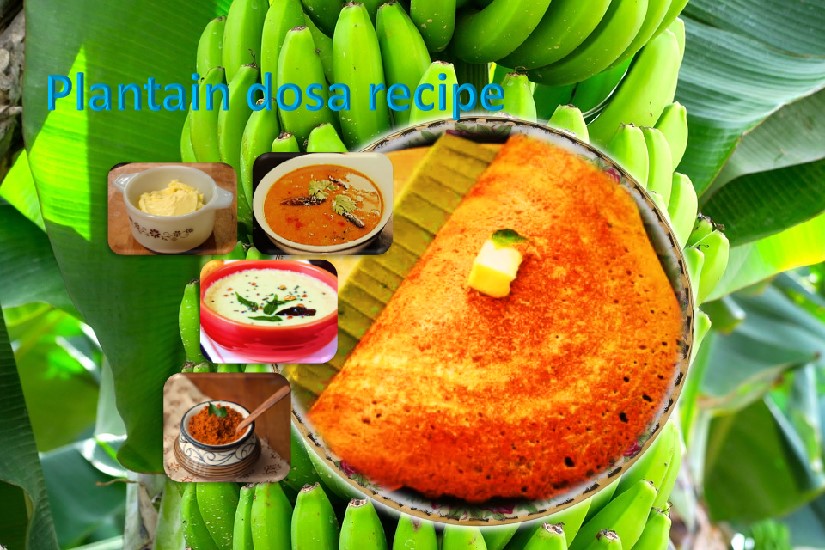
Plantain is close relatives of banana. Raw green big sized fruits, similar to banana. Plantains are more starchier and contains less sugar compared to banana. Plantain are also available throughout the year and easy to grow in tropical condition.

They are good cooking ingredients and can be used to prepare various types of dishes.

Apart from supplying good carbohydrates plantains also contain little amount of protein, vitamin C, A, B6, potassium, magnesium and iron.

One can prepare sambar, chips, curries, yogurt dishes and dosa using plantain. Plantain dosa recipe is provided below and it does not require fermentation process!

 Ingredients

  1. Plantains -2
  2. White rice – 1 cup
  3. Salt – as per taste
  4. Grated coconut – 1 Tbs
  5. Green chillis – 2 small
  6. Onion – ¼ cup
  7. Cilantro – 1 Tbs
  8. Cumin seeds – 2 tsp

 Preparation:

  1. Soak white rice for about 2 hours
  2. Peel plantain skin and cut into small pieces.
  3. Grind soaked rice using ½ cup water. Add plantain pieces, green chillis, grated coconut and grind to dosa batter consistency.
  4. Transfer batter to a container and add cumin seeds, chopped coriander leaves, salt and mix well.
  5. On medium flame heat skillet and spray little oil.
  6. Pour a ladle of dosa batter and spread it evenly on the skillet. Put little oil on and around dosa. Cover with a lid. Everytime when you pour dosa batter on skillet, make sure to mix the batter well.
  7. Remove lid and turn dosa to cook other side. Once dosa turns golden yellow color, remove from the heat.
  8. Serve hot dosa with chutney and sambar.

.

Reference: www.werindia.com


Author: Sumana Rao | Posted on: September 8, 2021
« »
« »

Recommended for you