
All posts by Sumana Rao

Don't worry about the people in your past; There's a reason they didn't make it to your future.
Stain removal from kids clothes

Easy ways to remove common stains from kids cloth

Kids often stain their clothes while eating, playing at home or at school. Sometimes they wipe hands on their dress to get rid of stains from little hands. Some stains are hard to remove using regular detergents. Some easy methods to remove different types of stain from your kids clothes are explained.

To remove chewing Gum:

  1. Use blow dryer to heat chewing gum stuck on cloth surface and scrape gum using a blunt knife that does not damage fabric
  2. Dip the gum portion of fabric in vinegar for few minutes and scrub the gum using a brush
  3. For few minutes place ice cubes on gum and scrape using blunt knife
  4. Apply little amount of toothpaste on chewing gum, leave it for couple of minutes and using brush scrub both gum and paste
  5. Place cardboard on ironing board, place chewing gum stained fabric on cardboard facing down on ironing board. Apply medium heat, once gum softens remove or peel the gum away from cardboard

To remove rust:

  1. To start with, remove excess rust using a brush. Then dilute rust stain rinsing under cold water with pressure. Soak cloth in a solution of baking soda and cold water for about 30 mins. Wash the fabric using detergent.

 To remove grease from clothes:

  1. Apply white chalk on the grease mark, leave it overnight. Next day wash clothes using detergent.
  2. Use dish soap, baking soda and hydrogen peroxide in 1:1:1 ratio and soak greased cloth in it for few hours, followed by a wash using detergent.,
  3. If the stain does not look tough, then scrub stain and wash using proper detergent and warm water.

To remove blood stain:

  1. For fresh blood, pour hydrogen peroxide on the blood stain followed by rinsing and washing in cold water
  2. For dry blood, use Pinesol or Hydrogen peroxide soaking method. Treat stain by soaking in one of these solutions for few minutes and then wash using cold water.
  3. Rinse fresh blood in cold water thoroughly and wash using detergent.

To remove ink stain:

  1. Soak cloth overnight in cold water containing detergent. Then wash the clothes
  2. For tough ink stain, dab with nail varnish remover and wash using detergent.

To remove poop stain:

  1. Wipe excess poop using baby wipe, rinse and scrub using detergent. Wash cloth and put it for drying under sun light
  2. Scrape excess poop using dish soap and scrub the stain using a soft brush followed by a wash using regular detergent

To remove grass stain:

  1. Using baking soda and few drops of hydrogen peroxide helps to remove grass stain from clothes. Soak, stained fabric portion  in this solution for half an hour and wash using cold water to scrub the stain and use detergent to wash.

To remove turmeric stain:

  1. Prepare baking soda paste using water and apply it on the turmeric stain. Let it sit for 15 to 20 minutes then, gently scrub in circular motion.
  2. You can try vinegar or lemon juice to remove turmeric stain. Mix vinegar or lemon juice with dishwashing liquid in a bowl. Soak stained fabric area in the mix for half an hour. Use cold water to rinse and wash using detergent.
  • For kids bleach solution is not good as it could cause allergies or sickness – do not use bleach solution to remove turmeric or any stains from clothes.

Image credit: Image by luciana_ferraz from Pixabay  (CC by 0)


Author: Sumana Rao | Posted on: June 7, 2022
« »
« »

Recommended for you

Recycle Newspaper

Tips to use old newspapers

If you do not read news online and still like to hold papers in hand to get updated news you might have lots of papers at home. Instead of throwing use grandma’s following tips to use old newspapers for household work. 

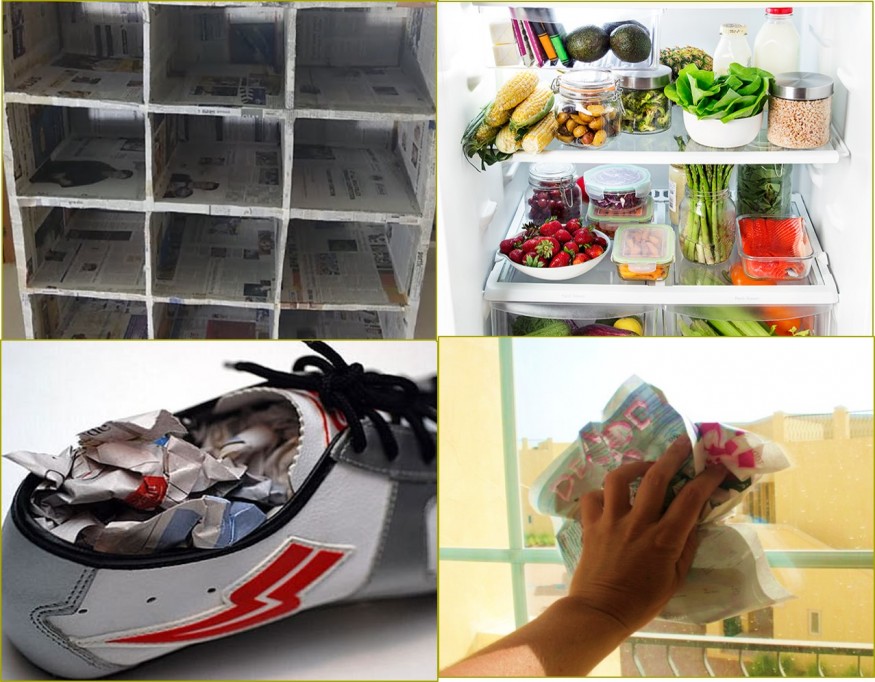
  1. Clean mirror, glass, and windows: Use crumpled newspaper to clean glass surfaces. Spray white vinegar on the surface and use newspaper to clean the surface. This does not leave any streaks behind
  2. Place under bottom of trash can: Trash can or garbage bins give bad odor. Before inserting garbage bags in trash can place newspaper at bottom and then insert garbage bags. Newspapers will absorb any leakage form bags.
  3. Use in refrigerator: Place newspapers in refrigerator bins where you store vegetables and fruits. Any spoiled vegetable liquid will be absorbed by newspaper and there will not be any odd odor.useoldnewspaper-healthylife-werindia
  4. Gift wrapping: Instead of spending money on gift wrappers, use old, clean newspaper to wrap gifts. Use colorful section to wrap & tie wraps using colorful hemp threads to give look.
  5. Sink cleaning: After cleaning kitchen sink, use newspaper to wipe inside the sink.
  6. For shipping: Instead of using plastic bubble wrap, use newspapers to wrap for shipping materials. Also, insert crumpled papers inside the box as shock absorber.
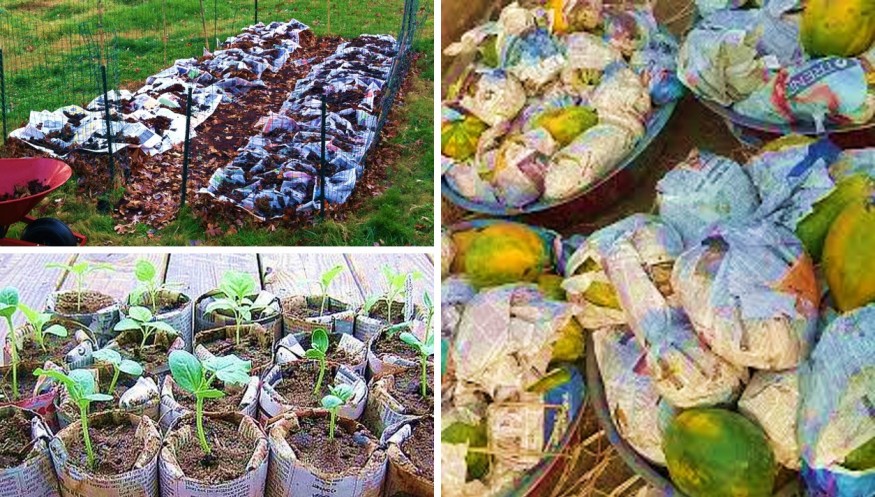
  7. Fruit ripening: Wrap mangoes, banana, chikkoo, papaya, pear, jackfruit, avocados types of fruits in newspaper. Fruits ripen faster with newspaper cover.newspapers-compost-healthylife-werindia
  8. Insert in shoes: Insert ball of newspaper in shoes that you do not wear often. This keeps shoes odor free and fresh to wear.
  9. Storage shelves: Spread newspapers on shelves and place storage boxes, grocery items, spice racks on it.
  10. For cloths: Cut and use clean old newspapers as insert in ironed sarees, blouses, and shirts. This keeps clothes wrinkle free
  11. Use it to clean after pets: Place old newspapers as lining in pet’s bed, under litter box, food bowls.
  12. Recycle: In many cities and towns there are people who buy and recycle newspapers. You will get small amount of pocket money by selling stack of newspapers
  13. Compost: Use clean, non-treated papers for composting. Most newspaper use plant-based inks and composting will be chemical free. If you have doubts clarify with newspaper company.
  14. Seed tape: Prepare flour sticky paste and place drops of paste on strips of newspaper. Place flower seeds and allow paste to dry. Place these seed tape in your garden for germination.
  15. Weed barrier: Spread newspapers in layers on the ground before planting. Use only toxin free papers. Place straw, mulch, grass clippings on newspaper. Weeds will not grow by this method.
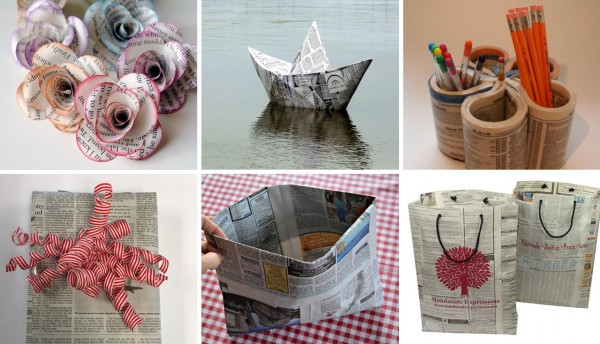
  16. Origami: Use old papers for kids origami practice.
  17. Art & crafts: Recycle newspaper for arts and crafts. You can make bowls, sculptures, pinatas, paper flowers, boats etc. Paper Mache is enjoyable craft that children love to do.

Image sources and idea credit: Pinterest boards, Instagram, www.werindia.com, freeart.com,  Creative Crafts & Up-cycling , bestoutofwaste.org


Author: Sumana Rao | Posted on: June 6, 2022
« »
« »

Recommended for you

Instant poha idli recipe

Instant lip smacking soft Poha Idli with filter coffee

Preparing delicious and healthy idlis takes time. There are other ways to prepare idlis at home without taking much time or fermentation process. Instant rava idli, instant rice idli are two recipes we can use when we feel like eating idlis. There is another way to prepare tasty recipes with or without using baking soda. It is instant poha idli or beaten rice idli recipe and yes, it does not need fermentation! 

Idli is healthiest breakfast one can ask for. Because it contains balanced carbohydrate, protein and fat ingredients in it and is recommended food for all conditions as it does not cause any side effects. Poha idlis are also healthy and tasty, very easy to prepare. Try poha idlis for good breakfast with hot filter coffee!

Ingredients:

  1. Thin Poha/ Beaten rice -1 cup
  2. Rice idli rava– 1 & 1/2 cups
  3. Sour curd -1 cup
  4. Salt- as per your taste
  5. Baking soda – a pinch (optional)

Preparation:

  1. Prepare poha powder using a grinder.
  2. Wash idli rava and remove water by squeezing the rava.
  3. Mix poha powder and washed idli rava. Add yogurt and mix well. The consistency of the mix must be like regular idli batter. Add salt, mix well again. If needed add water. Let the mix sit for 15 minutes so that, rava absorbs yogurt and water.
  4. After 15 mins, add baking soda to the mix and mix the contents once again.
  5. Apply oil to idli stand or plates. Pour batter and steam cook idlis for 10 minutes.
  6. Serve hot idlis, coconut chutney with hot filter coffee!

Author: Sumana Rao | Posted on:
« »
« »

Recommended for you

Helmet for kids

Helmet and Head Safety

Keeping your child’s head safe is very important. Even though, the children heads and brains are smaller, the entire infant skull is composed of numerous pieces that are essentially softer than the adult. Kids’ brains are organized differently than those of adults. It is definitely not a mini adult skull. Children fall and hit their head more often than the adults. This is one of the main reason for the children and teenagers end up in hospital.

Do you know? Not only is the infant skull less strong than the adult skull, but the areas where they skull bones come together (“bone sutures”) are also less strong.

Motorcycle helmets and bike helmets lessen the impact of hard surfaces that hit the head during a bike or motorcycle accident.

How helmets work to prevent injury? Yes, it does. Laws now require helmets in many areas.

In many cases, a helmet can make all the difference between serious injury and walking away from an accident unharmed.

In general, helmets are designed to:

  • help the head slow down more gradually
  • spread the impact of a knock or a fall over a larger area
  • prevent direct impact to the skull.
  • keeps brain and eye sight safe
  • stops any external or internal bleeding and injury

The right helmet can protect against head injury in the following sports and activities:

1. Skiing and snowboarding.

2. Playing contact sports, such as lacrosse, ice hockey, football

3. Riding a skateboard, scooter, or in-line skates

4. Batting or running on the bases during baseball or softball games

5. Riding a horse

6. Riding a bike

7. Sledding, skiing, or snowboarding

These are not the only sports that may benefit from helmet use. Many more activities see far fewer injuries when helmets are worn.

Some of the common reasons children (and adults) does not want to wear helmet are:

  • Less attractive
  • Hair falling and afraid of becoming bald
  • Not comfortable
  • Don’t want other friends and classmates seeing me in helmet
  • Nobody else wears helmets

According to Rush University Medical Center, helmets protect the head by absorbing most of the impact energy during a fall or collision, thereby reducing the risk of a serious brain injury or death.

Helmet features that prevent injury:

The materials and shape of the helmet are important features in minimizing the risk of injury.

  • Child helmets need ventilation in hot weather, since the foam holds heat in. Toddler heads vary in shape, so pay careful attention to fit. The helmet should sit level on the child’s head, and fit securely with the strap fastened.
  • Most helmets use foam or another crushable material. When your head hits something, your skull smacks into the foam and then slows down over a distance of a few centimeters. When the impact is over, the foam has deformed, but the skull and brain are much better off.
  • The shape of helmets has changed to improve fit and stability. Without a good fit, helmets do not work. If you or your child tried wearing a helmet previously, only to give it up because the helmet was uncomfortable or would not stay on, try adjusting the straps and padding or using a different helmet.

Types of helmets

Most sports have their own helmet design. Children should wear the right helmet for their activity: it is not safe, for example, to wear a bicycle helmet to play hockey or vice versa.

Despite differences in design, there are two broad categories of helmets for non-motorized sports:

1. single-impact helmets

2. multi-impact helmets

 Single- Impact Helmets:

  • Absorb impact with an inner stiff foam material of the helmet.
  • This foam does not bounce back after impact.
  • This means that the helmet must be replaced after a single impact.

Multiple Impact Helmets:

  • Any helmets that are designed for sports involving repeated hits are considered multiple impact helmets.
  • These helmets absorb impact with soft inner foam that does bounce back after impact.

Remember: Prevention is the best way to protect against head injuries. Your local sporting goods store, sports facility, or bike shop will be able to help make certain the helmet fits properly.

References:

  • http://www.helmets.org/childpam.htm
  • http://bicyclehabitat.com/articles/wear-a-helmet-pg31.htm
  • http://kidshealth.org/en/kids/bike-safety.html
  • http://childsafetylink.ca/

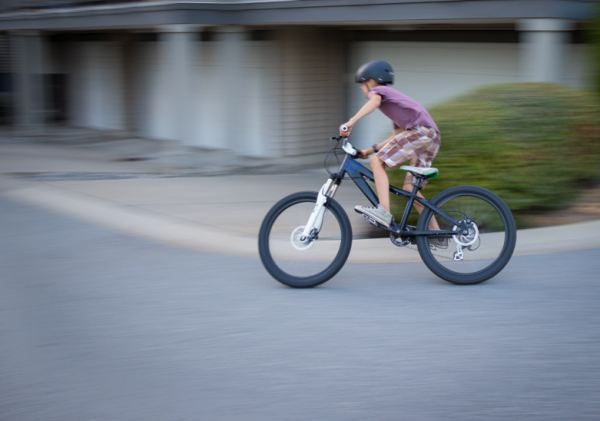
Image credit: Photo by Greg Rosenke on Unsplash (Free for commercial use)


Author: Sumana Rao | Posted on: June 3, 2022
« »
« »

Recommended for you

Toenail infection

Toenail fungal infection prevention tips

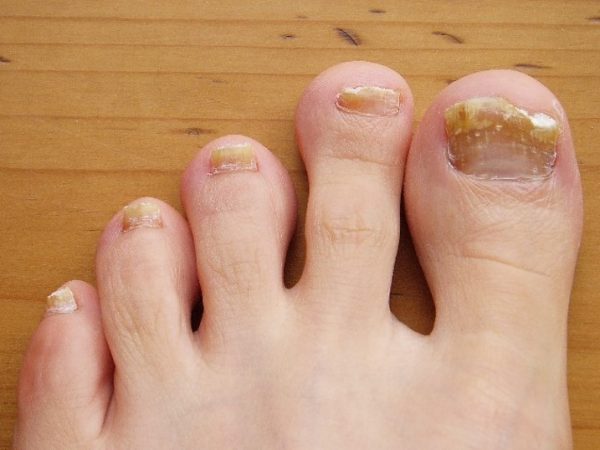
Fungal toenail infection is a common condition that affects millions. It is easy to get infected by fungus in foot. If the infection occurs in foot then the fungus can spread to nails. Anyone can get nail fungus however, some people are at higher risk of getting infected than others.

Medically toenail infection is known as onychomycosis or tinea unguium. It can be contagious and related to poor hygiene.

Symptoms:

  1. Initial symptom is part of the nail turns white, yellow or brown.
  2. It starts as a discoloration at the tip of the nail and without treatment discoloration covers the entire nail.
  3. Under the nail debris builds up and nail starts lifting up without attachment to base skin of toe
  4. Nail surface turns soft, dry and powdery.
  5. Eventually nail thins and nail can be scraped
  6. Sometimes nail can get thicken with discoloration and split
  7. Generally it is painless but if the fungal infection becomes severe in toenails, wearing shoes can be painful.

Causes:

Generally certain type of fungi are responsible for nail infection. When in skin to skin contact fungal infection spreads from person to person. Walking barefoot in moist, warm area and on dirty fitness floor can cause infection as fungi survive and thrive in such areas. In addition, any wounds, cuts and damage to nail can help fungus to get inside nail. Areas where there is moisture and warm with moist place fungus grows fast.

Lifestyle, age and health conditions can increase the chance of getting nail fungus.

Age: Adults get nail fungus more common than children. With health conditions and reduced immune system to fight infection adults’ body are more prone for microbial infection. In children it is very rare.

Health conditions:

  • People who suffer from Athlete’s foot can develop toe fungal infection. In addition, other conditions such as –
  • Cancer patients who are receiving chemotherapy
  • Diabetic conditions
  • Wounded nail or nail surgery
  • Psoriasis condition
  • Poor blood circulation
  • Weak immune system

Lifestyle: If someone is not following proper hygiene system it can result in fungal infection.

  1.  Wet feet or hands
  2. Sweating
  3. Smoking
  4. Spending lot of time in water – working in water, swimming etc
  5. Walking barefoot in humid and hot place like public shower, swimming pool
  6. Sports person and athletes in locker room, shower
  7. Wearing tight clothes, closed shoes with sweaty feet
  8. Wearing wet socks and not changing socks for many days
  9. Wearing sneakers that are not washed for longtime

Diagnosis:

Examine your nail and if you see any discoloration and other symptoms talk to your doctor. Sometimes athlete’s foot infection in skin can spread to toe nails. Doctors can tell what type of infection it is after proper examination and by collecting samples.

Treatment:  

Trimming and cutting infected nails where there is infection controls the spread. Doctor (dermatologist) might scrape the debris under the infected nail to get rid of some of the fungus.

Mild infections can be treated with low dosage medicines and nail will resume its growth. Toe nails will take about 12 to 18 months to grow back. Applying medicines properly and every day is best solution as controlling fungal growth takes approximately two weeks.

Antifungal cream and antifungal pills are recommended medicines for toe fungal infection. Usually it is two months treatments.

When the nail fungus is hard, combination of both antifungal pills and cream both are essential to get rid of tough infections. ‘

In extreme cases where there is severe infection and no treatment is effective, dermatologist might recommend techniques to get rid of infection where, nail will be removed by using chemical application or removal of nail through surgery. In both types nail will grow back. In rare cases where infections does not go away treating nail is an option where nail cannot grow back.

Maintaining hygiene is critical for fungus to not return on skin and nail.

Ways to control nail fungus: Prevention tips

  1. Wear flip flops or sandal when walking in warm moist areas
  2. Throw away shoes, boots and any other foot wear that have come in contact with your nail fungus
  3. Always wear clean socks. Sprinkle antifungal powder on foot and toes before wearing socks. This will absorb moisture too
  4. Think of buying moisture-wicking socks
  5. Always wear shoes that fit properly.
  6. Do not wear shoes that make your feet sweat and overheat. Dry out shoes by keeping under Sun
  7. Considering sprinkling antifungal powder in your shoes too
  8. Cut your nails short- while trimming nails make sure you are not damaging toenails. Keep your toenails shorter. It should be shorter than the end of toes to prevent fungi settling under nail.
  9. Never share your socks, towels, nail clippers and foot brush
  10. Always keep your feet dry – after washing legs, use towel to dry off your feet.
  11. If you have athlete foot infection, consider treatment as soon as possible. If not fungal infection can spread to toes and toe nails.
  12. Look for any discoloration in toenails and symptoms that are mentioned above. Examine under your feet for infection.

People who has conditions like diabetes, history of cellulitis, psoriasis and other skin conditions must often examine their feet and toenails for any signs of infection.

Toenail fungus is common and can stay for longtime. Cure is possible, however the infection also leads to removal of nails in severe cases.  Proper care and hygiene practice of feet, toenails and finger nails are the best solutions to prevent the fungal infection.

References:

https://www.aad.org

https://www.medicinenet.com/

https://www.cdc.gov/

Image credit: https://commons.wikimedia.org/wiki/File:Nagelpilz-3.jpg

Attribution: pepsyrock / Public domain


Author: Sumana Rao | Posted on: May 27, 2022
« »
« »

Recommended for you

Kids ask adults help

Kids – How to ask adults for help?

Kids, If you are facing a problem and cannot fix it on your own it is not a bad idea to ask an adult for help. Naturally, you might not trust anyone for that matter, however if you feel you must talk then find a right person whom you trust the most to share your fear/thoughts.

How talking to an adult helps?

Talking and expressing with adults often helps. It is better to express yourself loudly. It boosts your confidence and you will realize that you don’t need to face the world alone. Adults with their experience might be able to look at your problem differently and could give you new ideas on how to cope up with the problems. They might have gone through similar experiences themselves and might know what exactly they must do. Or they might direct you to someone who can help you with the matter.

Finding the right adult to talk to;

Always approach an adult whom you can trust and feel safe with. It might be a:

Parent, family member, friend’s parents, grandparents, teacher, your doctor, school counsellor or nurse, neighbor, coach or religious leader.

Always remember when you need help;

  • Choose someone you feel safe with
  • Plant what you want to say about – be clear, be prepared
  • Request for a time to talk, a good time to talk about the subject so that the person will not be distracted
  • You have control over how much you want to say and what you want to say. However be clear with your with the facts that your reveal

Preparation:

  • Planning what you want to say help you feel ready to start talking.
  • Note down your thoughts in points.
  • Do you want to say it all? Or you want to reveal some facts related ot the matter?
  • Give proper examples and explain how you feel.
  • Identify your subject and why it is important to talk to.

 Practice:

  • Go over what you want to express and say.
  • Practice in front of a mirror or just talk to yourself to be clear.
  • To feel confident, first be clear to yourself.
  • Your goal is to express yourself properly so that you get help and advice.
  • Be assertive and be clear.

Find right time to talk;

  • Ask the person what time is best time to talk. You should also be ready mentally to talk.
  • Try to get a time when the adult won’t be too busy or about to rush off to some place.
  • If you are talking to your parents, make sure they are not doing something like cooking, cleaning or helping someone.
  • You should feel important when you talk to the person. If they are distracted, you may feel neglected. So find out a time when both of you can really sit and talk.

When you express yourself:

  • Be honest and be true to yourself
  • Try to understand adults point of view – ask question or clarify your doubts

The goal here is to find a solution to your problem and getting help. Prepare and express yourself clearly and you might be able to address the situation and solve the problem.

References:

  • www.werindia.com
  • https://www.childline.org.uk
  • https://www.mentalhealth.gov

Image credit: Photo by CDC on Unsplash (Free for commercial use)


Author: Sumana Rao | Posted on: May 23, 2022
« »
« »

Recommended for you

HealthyLife next

Healthy habits for healthy life

“Healthy living” to most people, means both physical and mental health are in balance or functioning well together in a person. In many instances, physical and mental health are closely linked, so that a change (good or bad) in one directly affects the other. Consequently, some of the tips will include suggestions for emotional and mental “healthy living.”

Mental health:

  • Get enough sleep daily
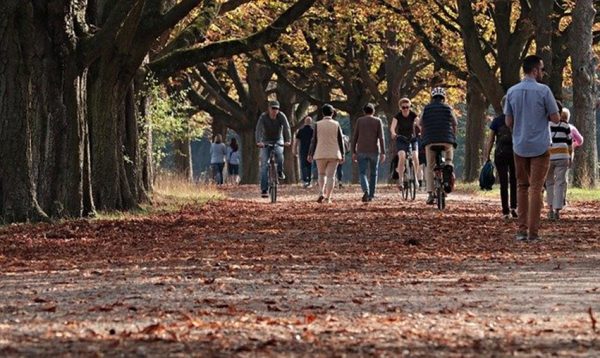
  • Take a walk and reflect on what you see and hear at least several times per week.
  • Try something new and often (eat a new food, try a different route to work, go to a new museum display).
  • Do some mind exercises (read, do a puzzle occasionally during the week).
  • Try to focus on a process intensely and complete a segment of it over one to several hours, then take a break and do something relaxing (walk, exercise, short nap).
  • Plan to spend some time talking with other people about different subjects.
  • Try to make some leisure time to do some things that interest you every week (hobby, sport).
  • Learn ways to say “no” when something occurs that you do not want to do or be involved with.
  • Have fun (go on a trip with someone you love, go shopping, go fishing; do not let vacation time slip away).
  • Let yourself be pleased with your achievements, both big and small (develop contentment).
  • Have a network of friends; those with strong social support systems lead healthier lives.
  • Seek help and advice early if you feel depressed, have suicidal thoughts, or consider harming yourself or others.
  • People taking medicine for mental-health problems should not stop taking these medications, no matter how “well” they feel, until they have discussed their situation with their prescribing doctor(s).

Eating:

  • Eat three meals a day (breakfast, lunch, and dinner); it is important to remember that dinner does not have to be the largest meal.
  • The bulk of food consumption should consist of fruits, vegetables, whole grains, and fat-free or low-fat milk products.
  • Choose foods that are low in saturated fats, trans fats, cholesterol, salt (sodium), and added sugars; look at the labels because the first listed items on the labels comprise the highest concentrations of ingredients.
  • Control portion sizes; eat the smallest portion that can satisfy hunger and then stop eating.
  • Snacks are OK in moderation and should consist of items like fruit, whole grains, or nuts to satisfy hunger and not cause excessive weight gain.
  • Avoid sodas and sugar-enhanced drinks because of the excessive calories in the sodas and sugar drinks; diet drinks may not be a good choice as they make some people hungrier and increase food consumption.
  • Avoid eating a large meal before sleeping to decrease gastroesophageal reflux and weight gain.
  • If a person is angry or depressed, eating will not solve these situations and may make the underlying problems worse.
  • Avoid rewarding children with sugary snacks; such a pattern may become a lifelong habit for people.
  • Avoid heavy meals in the summer months, especially during hot days.
  • A vegetarian lifestyle has been promoted for a healthy lifestyle and weight loss; vegetarians should check with their physicians to be sure they are getting enough vitamins, minerals, and iron in their food.
  • Cooking foods (above 165 F) destroys most harmful bacteria and other pathogens; if you choose to eat uncooked foods like fruits or vegetables, they should be thoroughly washed with running treated (safe to drink) tap water right before eating.

Regular exercise:

  • Regular exercise can prevent and reverse age-related decreases in muscle mass and strength, improve balance, flexibility, and endurance, and decrease the risk of falls in the elderly. Regular exercise can help prevent coronary heart disease, stroke, diabetes, obesity, and high blood pressure. Regular, weight-bearing exercise can also help prevent osteoporosis by building bone strength.
  • Regular exercise can help chronic arthritis sufferers improve their capacity to perform daily activities such as driving, climbing stairs, and opening jars.
  • Regular exercise can help increase self-esteem and self-confidence, decrease stress and anxiety, enhance mood, and improve general mental health.
  • Regular exercise can help control weight gain and in some people cause loss of fat.
  • Thirty minutes of modest exercise (walking is OK) at least three to five days a week is recommended, but the greatest health benefits come from exercising most days of the week.

References:

Image credit: Image by S. Hermann & F. Richter from Pixabay  (Free for commercial use)


Author: Sumana Rao | Posted on:
« »
« »

Recommended for you