All posts by Sumana Rao

Don't worry about the people in your past; There's a reason they didn't make it to your future.
Tips to control fleas

Tips to keep fleas away from pets

Fleas create problem not only for pets for owners too. Fleas are not good for pets and owner’s health. Fleas can cause itching, skin rashes, infections in both. When pets are infested with fleas, it can cause scratches, wounds, hair loss and infections – fleas transmit tapeworms and bacterial infections. There are different ways one can control and protect pets from fleas. Flea repellents will help. If you are looking for homemade flea repellents, then try these tips

  1. Mix one part of white vinegar with ten parts of water. Transfer to a spray bottle and spritz on pets’ fur. Do not spray on pets’ sensitive parts – eyes, genitals and nose.
  2. Boil two pieces of lemon or lime in one-liter water. Allow the mix to cool for couple of hours. Transfer the liquid into a spray bottle and spritz on pet. Do not spray on pets’ sensitive parts – eyes, genitals and nose.
  3. Apple cider vinegar is also a good flea repellent. Mix two parts of apple cider vinegar with one part of water. Spray on pet’s coat and let it sink in. Alternatively, you can dip the pet comb in the mix and comb pet’s fur. Do not spray mix on your pets’ eyes and sensitive parts.
  4. Neem oil is a good old traditional insect repellent. Dilute neem oil with olive oil or grape seed oil (1 part of neem oil to 10 parts of olive oil), apply it on tail, shoulders, head and flanks. Neem oil prevents not just fleas, other insects also.
  5. Fleas like other insects lay egg on carpet, furniture, area rug etc. While vacuuming sprinkle salt on the area and let salt sit for few hours. Vacuum the room and rug. Repeat this few times or often or till you feel fleas are gone.  
  6. Around pet bed or where your pet sleeps (like doghouse) draw a thick line of salt around in circle. Salt keeps flea away and in case there are ants, ants will be kept away too!
  7. Cedar chips, cedar block or cedar sawdust is good flea or insect repellent. Cedar odor is strong for fleas. You can keep cedar chips under pet’s bed or insert in pet’s pillow.
  8. If you are familiar with brewer’s yeast, then apply on pet’s fur. Brewer’s yeast repels fleas. Your pet might be allergic to brewer’s yeast. If so, then do not use brewer’s yeast on pet. 
  9. Pet safe essential oils are available. Light application of citronella, lavender, eucalyptus, tree tea oil on the collar around the neck and even on leash or pet muffler will keep fleas away.
  10. You can also light citronella oil candles around the room, that spreads the odor to keep fleas far away.
  11. Diatomaceous earth is another natural powder which is an abrasive powder obtained from diatoms (algae). Just like salt, apply diatomaceous earth powder on surfaces and areas where your pet sits and sleeps. Vacuum the powder after two to three days.
  12. Flea traps: Flea traps with on-off green light is helpful to trap fleas. Fleas respond to green light than other light wavelengths and using a glue board with green light traps fleas.

Take care of pet fleas’ problem. If your pet has hypersensitive skin, then it will need veterinary attention. If ignored, infestations can quickly spread with new eggs, larvae, pupae and new fleas.

Image credit: Image by Free-Photos from Pixabay  (Free for commercial use)


Author: Sumana Rao | Posted on: May 16, 2022
« »
« »

Recommended for you

Presbyopia aging eye

Protect your vision from Presbyopia or Aging eye

As we reach age 40, we might start noticing a difference in our eye sight when we might have to hold small print farther away to read. Our ability to focus up close might get weaker day by day. This phenomenon which is natural happens to everyone as we grow old. This condition of eye is commonly known as presbyopia or aging eye. Presbyopia is Greek word for aging eye.

When our conditions are age related, we need to understand that the when the conditions take over our body or before the conditions sets in we must take care of body and keep it healthy as much as possible. In presbyopia which is related to eye, one might need to consider getting eyeglasses or lenses. Sometimes surgery can be the option.

Before going to surgery, the first step one need to consider is going for an eye exam with optometrist or ophthalmologist. An annual complete eye exam after age 35 helps to understand the signs of disease that changes vision. If there is a condition that like diabetes, one must consider seeing an eye specialist much sooner to avoid any risk. People who have high blood pressure and a family history of eye vision deterioration must also see eye doctor often to make sure eye vision is not getting worse.

Refraction is a natural phenomenon that occurs with light (bending of light as it passes through one object to another). In the eye where the cornea and lens bend or refract, the light rays that comes through the pupil that focus directly on retina at the back of the eye.  The retina converts light into messages and sent through optic nerve to brain where images are interpreted. With age it becomes hard for eyes to precisely focus light onto retina and it focuses light behind retina and blurs eye vision. With presbyopia blur vision happens in addition muscle fiber within the eye weakness making it more difficult to focus on objects that are close.

After age 35, most of us face this condition. Apart from blurred vision, difficulty in reading – people will have headache and eye strain.

How to take care eye sight and presbyopia?

Eye examination: A painless procedure is dilation of eye followed by a thorough examination of retina for age related conditions. Examiner will ask us to read small print at a close distance to determine the degree of presbyopia and will suggest how to address the condition.

Eyeglasses: Reading glasses designed for close work are the common solution for presbyopia. Reading glasses or readers are available with varying strength in eye examination clinic, pharmacy or department stores. Before buying the reading glass, it is better to get eye examination done to understand the number or strength one might need for eye glass. If not any small difference can cause eye strain and headaches.

Bifocals: People who generally need eyeglasses can switch to bifocals with two different prescriptions – one lens separated by another with horizontal line. The top lenses corrects for distance vision, lower part for close vision.

Contact lenses: People who wear contact lens might need reading glass or can wear lens for distance vision in one of the eye and a lens for close vision in another eye (monovision).

Refractive surgery: Some people who do not want to depend on eyeglasses or contact lenses might choose surgery that involves reshaping of the cornea and to improve the presbyopia vision. LASIK is one the common laser surgery used to reshape cornea.

Taking care of eyes:

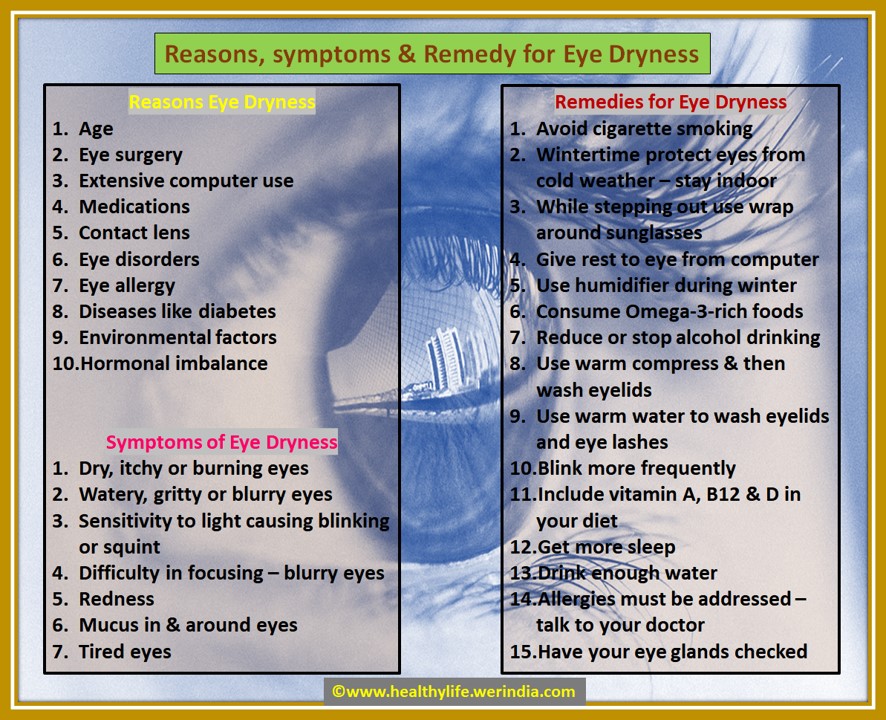
  1. Consider eye exercise
  2. Use slightly warm water to wash eyes in the morning
  3. To reduce strain on eyes, get good sleep.
  4. Stop smoking
  5. Wear sunglasses when stepping out in hot Sun – choose sunglasses that block 99 to 100% UVA and UVB rays
  6. Include vitamin A, C, leafy vegetables, antioxidant rich food in your diet.
  7. Use safety eyewear while working in hazardous or airborne materials – both at work and home
  8. Do not stare on mobile screen or computer screen for longer hours – it can cause trouble in focusing, eyestrain, blurry vision, headaches, neck and shoulder pain.
  9. Use a comfortable chair and position your head properly when working with computer
  10. Do not allow eyes to get dry – blink often and drink recommended amount of water
  11. Rest eyes every 20 minutes and look 20 feet away for 20 seconds.

Visit your eye doctor once or twice a year or based on your eye condition. Eye examination helps to find diseases like glaucoma, presbyopia, macular degeneration. Either ophthalmologists or optometrists will help to treat eye conditions, suggest general eye care or suggest specific treatment that you might need to restore your vision.

Image credit: Image by Free-Photos from Pixabay (Free for commercial use)


Author: Sumana Rao | Posted on: May 15, 2022
« »
« »

Recommended for you

Lemon leaf bud chutney

Lemon leaf bud chutney

To improve your taste buds after fever and sickness, homemade lemon young leaf (buds) chutney can be a cure. This is chutney helps to improve digestion and appetite.

Lemon leaves are highly aromatic and are beneficial. Lemon tree leaves (young) can be used for preparing tea, to wrap dessert and cheese (to get unique flavor).  

If you have access to lemon tree, then try this good, traditional recipe to improve your taste bud and appetite.

Ingredients:

  1. Lemon leaf buds – 1 cup
  2. Grated coconut -1/4 cupo
  3. Green chilli -2 or 3
  4. Black pepper – ¼ tsp
  5. Asafetida – Pinch
  6. Salt – As per taste
  7. Curry leaves – few
  8. Mustard – ¼ tsp
  9. Oil -3 tsp

Preparation:

  1. Wash and dry lemon leaf buds
  2. Place a frying pan on medium heat and  add one tsp of oil. Add lemon leaf buds, fry till the color turns brown. Transfer fried leaf buds to a plate
  3. Now dry fry grated coconut, green chilli, black pepper
  4. Grind fried contents with salt. Do not add water. Grind the contents dry.
  5. Get ready with seasoning on low heat. Add oil,  mustard, curry leaves and asafetida. To the seasoning add grinded material and mix well till the chutney appears like semi powder.
  6. Allow the chutney to cool. Transfer the dry chutney to air tight container and store in a cool place.
  7. One can have this with rice porridge, oats, chapati, upma, idli or mix with hot rice.

Author: Sumana Rao | Posted on: May 9, 2022
« »
« »

Recommended for you

Keep baby germ free and safe

Keep your baby germ free and safe

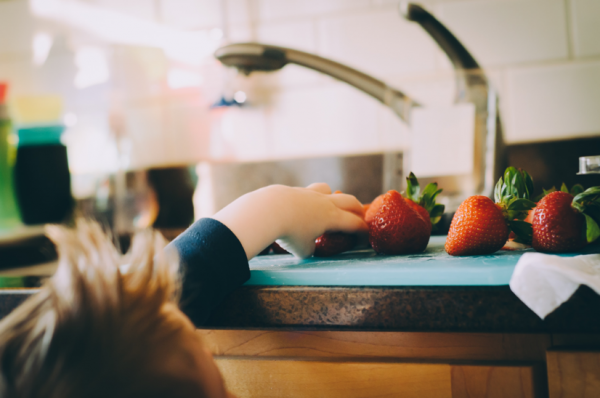
Little people while crawling inside house will stick their hands in germy, dirty things and put hands in mouth.  It is natural for mothers to freak out and worry about child’s health. Well, germs are unavoidable. However, one keep germs away from children as much as possible. That means it is time to clean the house as clean as possible to reduce the surface germs where the child crawls, tries to hold things or touch objects in their way. Here are general  tips to help keep a healthier home with a baby around.

Some of the items that children will come in contact everyday are listed below. These items generally carry germs on the surface. Make sure to clean the surface of these items as much as possible:

  • Remote control
  • Furniture
  • Phones
  • Doorknobs
  • Refrigerator handles
  • TV remotes
  • Toy storage bins
  • Light switches
  • Faucets
  • Dish washing machine surface
  • Dish towels
  • Toy baskets
  • Floors and carpets

Some general tips to clean baby’s surroundings are below:

1. Make sure you clean and disinfect: Living room things like furniture, TV remotes are place for children to play. While that remote control the baby just started playing with may look perfectly clean, it’s most likely teeming with germs that causes illness. And while you may be washing surfaces well with ordinary soap, those germs can still remain! Use proper cleaning surface like disinfectant wipes and clean the surface.

2. Clean as you go: With a new baby, time is of a premium. Make the most of every minute by spot cleaning and disinfecting throughout the day. Keep disinfectant wipes, cleaning cloths and hand sanitizer in rooms and where your child is unable to reach. So you can quickly clean and disinfect germy areas such as the changing table and diaper pail.

3. Keep floor and carpets clean: Babies who learn to crawl, sit and stand will use floors and carpet. Use vacuum cleaners to pick off the dust from the carpets, floor, hidden corners, etc. Mop the floor with floor cleaners and allow it to dry. Use baking soda while vacuuming and cleaning carpets.

4. Sanitize daily: Sanitize things that can be exposed to child. Use gentle sanitizers around babies, pets and food. Use sanitizers that does not have harsh chemicals or fumes so you can just spray and walk away.

You can make homemade cleaning products that are safe for children and the environment. Prepare a safe cleaner at home using: 1 cup distilled white vinegar, 1 cup distilled water, one-quarter cup hydrogen peroxide, six drops of tea tree oil and six drops of essential oil. Mix and pour this solution in a spray bottle and you have a great anti-bacterial spray that won’t hurt the baby.

5. Wash your hands frequently: When you come inside home, if you feel that you hands need a wash, don’t hesitate. Wash hands and pick up your child. This helps to avoid passing those germs on to your little bundle of joy. Using warm water and soap, scrub your hands together vigorously for at least 20 seconds.

6. Home deodorizer and dusting: You should generally dust off the dirt from the curtains, shelves, etc. You could also use a wet cloth to remove dust off the shelves, tables, lights, etc. Removing dust often keeps away allergies from the baby.

7. Baking soda helps: You can clean baby toys with baking soda and water. Baking soda acts as a natural deodorizer and use it to sprinkle on shoes.

8. Baby toys: White vinegar is the most useful product among different kinds of vinegar. White vinegar helps to clean baby toys and utensils like sippers or milk bottles.

9. Wiping baby’s hands or body: Baby wipes contain a mild antiseptic and are for use on skin. Disinfectant wipes may contain harsh chemicals and should not be used on skin. Always label each container. Use a permanent marker. Never mix cleaners. Keep all cleaners away from children.

Germs, dust all are part of growing life. Some illness happens for children. You cannot control children by restricting their activities. What is important is to make sure that cleaning the areas  and keep practicing hygiene in everyday helps for children to learn and they follow the instructions as they grow and go to schools and other public places.

Source: www.werindia.com

Image credit: Photo by Lubomirkin on Unsplash (Free for commercial use)


Author: Sumana Rao | Posted on: May 6, 2022
« »
« »

Recommended for you

Get optimal benefit from food

How to Get Optimal Benefit from Food Intake

Food should be our medicine and not the other way around. When we eat, we should feel healthy and not lethargic? Eating mindfully is very important to keep up good health. How to make sure that the food we eat every day is giving optimal benefit for our health?

Here are few suggestions to get maximum benefit from the food. These suggestions one can also see in Ayurveda the ancient medicine system.

  1. Know your food and what you eat: Before eating anything, make sure you know something about the food that you are going to eat. You should be aware whether the food you are going to put in your mouth suits your health or not.
  2. Eat in a pleasant mind: If you are angry, depressed and tensed, avoid eating food at that moment. Wait for your mood to improve. If you eat when your mind is stressed, your digestion system will not work properly, and you will end up sick. Your stomach itself like a mini brain and what you eat will have an impact on your digestion and other body system.
  3. No desire to eat, then don’t eat: If you are not up to eating something that you don’t like, then don’t eat. You should have desire to eat the food that is offered. Sometimes you might have to give a try to taste new dishes, but if you don’t have desire to eat even if you are familiar with dish then don’t eat as you could end up in bloating, indigestion, vomiting.
  4. Enjoy the taste of food: While eating eat slowly and taste the food. Try to find out through your taste buds what ingredients could be in the food. Enjoy the taste. Tasty food will increase happiness, digestion, nourishment of body, gives sense of satisfaction of feeding the body.
  5. Practice to eat fresh and warm food: When food is warm and fresh it tastes better. Try eating food within an hour of cooking. Warm food will properly absorb, and digestion will be proper too.
  6. Avoid reheating of food: Now a day’s modern kitchens are equipped with microwave and if the food gets cold, we will use microwave to reheat multiple times. We should not waste food either. If you are planning to reheat the food, then reheat once and eat. Reheating food multiple times takes away the nutrition and quality of the food.
  7. Do not miss breakfast: Breakfast is important meal of the day. Do not miss breakfast as it helps brain function properly and keeps us energetic throughout the day.
  8. Avoid eating multiple times: To avoid indigestion, inflammation, body ache, stop eating multiple times. Sometimes you might feel hungry and approach the food. The real reason could be your thirst, that might be making you eat too many times.
  9. Lunch and dinner: Always your dinner should be lighter than lunch. Lunch can be heavy with proper nutrients. Have dinner three to four hours before you go to bed.
  10. Seasonal selections: Buy the fruits and vegetables that are available in the season. Eating winter fruits or vegetables during summer is not good for health. Avoid cold and frozen food during cold season. During summer eat foods that are less spicy and have cooling effect on the body.
  11. Know ingredients: Take some time know the ingredients that are in your prepared food. Some ingredients in combination makes food taste better and has good impact on health. Some ingredients your body may not able to handle at certain levels. There are ingredients that could be allergic.   The ingredients in our kitchen cabinets work wonderfully on our health and are real medicines.
  12. Check for contamination: To avoid food poisoning, check for any microbial growth on food surface. You may find mold and other fungus on fruits and vegetables. Or you might see slimy growth on a day-old food that you are about to eat. During summer if food is sitting outside then, next day make sure to check for growth of bacteria or fungus on the surface.
  13. Eat with family: Always make time and eat together as a family. At least one meal of the day you should consider having with family as it brings positive effect on your eating habits. 

Image credit: Image by Shirley Hirst from Pixabay (Free for commercial use)


Author: Sumana Rao | Posted on: May 5, 2022
« »
« »

Recommended for you

Hepatitis – Understand the disease and act now

Hepatitis – Understand the disease and act now

The world Hepatitis day is on July 28th (WHO). The word Hepatitis is derived from Greek word “hepar” means Liver and “titis” means inflammation.

Hepatitis is an inflammation of the liver. The condition can be self-limiting or can progress to fibrosis (scarring), cirrhosis or liver cancer.

Hepatitis viruses are the most common cause of hepatitis in the world but other infections, toxic substances (e.g. alcohol, certain drugs), and autoimmune diseases can also cause hepatitis.

Do you know? The initial symptoms of hepatitis are like those of flu; fever, joint pain, fatigue, nausea, poor appetite, belly pain, a mild fever, or yellow skin or eyes (jaundice).

Other symptoms include: Dark urine, itchiness, mental state change, internal bleeding, light colored stool. Before visiting a country please check see the health caution/warning of the country and take extra care.

To read more about Hepatitis please visit: www.who.int

Image courtesy: www.who.int

https://pixnio.com/science/microscopy-images/hepatitis/digitally-colorized-transmission-electron-micrograph-revealed-the-presence-of-hepatitis-b-virions(CC by 0)

Hepatitis – One Name, Five unique types: Click here to know more

Hepatitis – One Name, Five unique types

.

Hepatitis A Facts: Click here to know more

Hepatitis A Facts

.

Hepatitis B Facts: Click here to know more

Hepatitis B Facts

Hepatitis C Facts: Click here to know more

Hepatitis C Virus

Hepatitis D Facts: Click here to know more

Hepatitis D Facts

Hepatitis E Facts: Click here to know more

Hepatitis E virus

How much you know about Hepatitis?: Click here to know more

How much you know about Hepatitis?

.

Hepatitis B image:  World Health Organization, For more information on Hepatitis please visit www.who.int

.


Author: Sumana Rao | Posted on: May 4, 2022
« »
« »

Recommended for you

Hepatitis – One Name, Five unique types

One Name, Five unique types of Hepatitis

Scientists have identified 5 unique hepatitis viruses, identified by the letters A, B, C, D, and E. Doctor’s has one name for all of them “Hepatitis”. While all cause liver disease, they vary in important ways.

These 5 types are of greatest concern because of the burden of illness and death they cause and the potential for outbreaks and epidemic spread. In particular, types B and C lead to chronic disease in hundreds of millions of people and, together, are the most common cause of liver cirrhosis and cancer.

Hepatitis A and E are typically caused by ingestion of contaminated food or water. Hepatitis B, C and D usually occur as a result of parenteral contact with infected body fluids.

Common modes of transmission for these viruses include receipt of contaminated blood or blood products, invasive medical procedures using contaminated equipment and for hepatitis B transmission from mother to baby at birth, from family member to child, and also by sexual contact.

The other two types of Hepatitis are Hepatitis G ( mild type) and Hepatitis X (unknown virus)

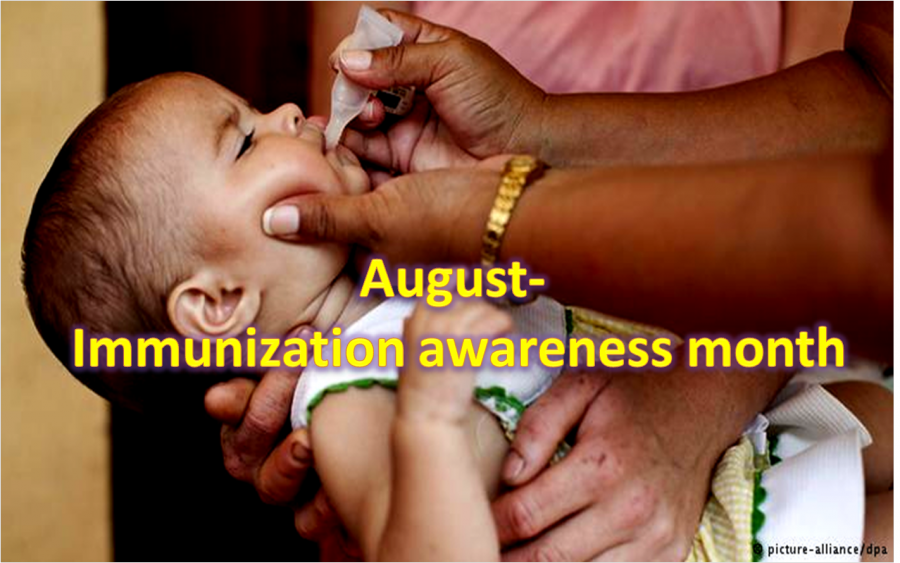
Treatment: Depends on which type of Hepatitis one have. Vaccination is one the important measure to prevent Hepatitis. However there are no proper vaccines for Hepatitis C yet and China has developed vaccine for Hepatitis E and is not available elsewhere. Vaccinations can prevent development of Hepatitis A and B and are available.

Image credit: https://www.theworldmedicalcenter.com/


Author: Sumana Rao | Posted on:
« »
« »

Recommended for you

Hepatitis A Facts

Hepatitis A Facts

Hepatitis A virus (HAV) is present in the faeces of infected persons and is most often transmitted through consumption of contaminated water or food.

  • Hepatitis A is a viral liver disease that can cause mild to severe illness.
  • The hepatitis A virus (HAV) is transmitted through ingestion of contaminated food and water or through direct contact with an infectious person.
  • Almost everyone recovers fully from hepatitis A with a lifelong immunity. However, a very small proportion of people infected with hepatitis A could die from fulminant hepatitis.
  • The risk of hepatitis A infection is associated with a lack of safe water, and poor sanitation and hygiene (such as dirty hands).
  • Epidemics can be explosive and cause substantial economic loss.
  • A safe and effective vaccine is available to prevent hepatitis A.
  • Safe water supply, food safety, improved sanitation, hand washing and the hepatitis A vaccine are the most effective ways to combat the disease.

* Certain sex practices can also spread HAV. Infections are in many cases mild, with most people making a full recovery and remaining immune from further HAV infections. However, HAV infections can also be severe and life threatening. Most people in areas of the world with poor sanitation have been infected with this virus. Safe and effective vaccines are available to prevent HAV.

Image courtesy: Medicaindiatourism.com


Author: Sumana Rao | Posted on:
« »
« »

Recommended for you