All posts by Sumana Rao

Don't worry about the people in your past; There's a reason they didn't make it to your future.
Diversity teaching tips

Tips To Introducing Kids To Diversity

Often many parents sense their child having issues when exposed to diversity. Teaching kids about diversity is essential for fostering inclusive and empathetic individuals who appreciate and respect differences in people. It is important to make children understand the meaning of diversity and how understanding diversity helps to coexist not just in school but elsewhere too.

Kids friendly diversity definition can be explained in simple differences between plants, animals and humans:

  • Diversity in plants means trees, bushes, flowers, grass, etc and they live happily.
  • Diversity in dogs means big dogs, small dogs, long and short haired dogs, different color dogs etc.
  • In humans it is  race and skin color, religion, age, disabilities, etc. and we must live in this world together.

Here are few tips and strategies for teaching kids about diversity:

Start Early:

Begin discussing diversity with children at a young age. Even toddlers can start to understand basic concepts of fairness and kindness.

Use age-appropriate language:

Tailor your discussions to the child’s age and comprehension level. Use simple and concrete language for younger children and gradually introduce more complex ideas as they grow.

Be a role model:

Children often learn by example. Demonstrate inclusive behavior, respect for others, and an open-minded attitude in your interactions with people from diverse backgrounds.

Explore different cultures:

Introduce children to various cultures through books, movies, music, and art. Visit cultural festivals, museums, and restaurants that celebrate diversity.

Storytelling:

Share books and stories that feature characters from diverse backgrounds. These stories can help children relate to and empathize with people who are different from them.

Encourage questions:

Create an environment where children feel comfortable asking questions about differences. Answer their questions honestly and age-appropriately.

Promote critical thinking:

Encourage children to think critically about stereotypes and biases. Discuss how these stereotypes can be harmful and inaccurate.

Celebrate differences:

Highlight the beauty of diversity by celebrating holidays and traditions from different cultures. Engage in activities that showcase various customs and cuisines.

Teach empathy:

Help children understand the feelings and experiences of others. Encourage them to put themselves in someone else’s shoes and consider how their actions might impact others.

Address Bullying and Discrimination:

Teach children about the negative consequences of bullying and discrimination. Encourage them to stand up against unfair treatment and report it when they witness it.

Create inclusive play environments:

Encourage diverse playgroups and friendships. Children learn valuable lessons about diversity when they interact with peers from different backgrounds. Have them celebrate festivals of various ethnicities.

Discuss current events:

As children get older, engage them in discussions about current events related to diversity, equity, and inclusion. Help them understand the complexities of these issues. Have a virtual tour activity of different parts of the world.

School and Community Involvement:

Support school programs and community initiatives that promote diversity and inclusion. Attend events that celebrate cultural diversity and promote unity.

Cook food from other culture:

It is a great way to highlight the culture and diversity. Foods attracts not just kids. It is also a great way to expose families for various cultures and diversity.

Encourage respectful language:

Teach children to use respectful and inclusive language. Discuss the importance of avoiding derogatory terms and stereotypes.

Be patient:

Understand that children may not fully grasp the concepts of diversity and inclusion immediately. Be patient and provide ongoing guidance and support.

Teaching kids about diversity is an ongoing process. By fostering an inclusive and open-minded mindset from a young age, you can help children grow into compassionate and accepting individuals who value diversity and promote a more inclusive society.

Image credit: Photo by Yan Krukau: https://www.pexels.com/photo/children-in-a-classroom-8613111/ (CC by 0)


Author: Sumana Rao | Posted on: January 6, 2025
« »
« »

Recommended for you

HMPV outbreak in china

After Covid-19 China Is Experiencing Surge in HMPV Cases

China is currently experiencing a significant surge in Human Metapneumovirus (HMPV) cases, leading to concerns about a potential health crisis reminiscent of the COVID-19 pandemic. HMPV is a respiratory virus that causes upper and lower respiratory infections, particularly affecting young children, older adults, and individuals with weakened immune systems.

Reports indicate that hospitals in China are overwhelmed due to the simultaneous circulation of multiple viruses, including HMPV, Influenza A, Mycoplasma pneumoniae, and COVID-19. This situation has led to an alarming increase in sudden deaths, particularly among individuals aged 40 to 80.

The surge in HMPV cases has been accompanied by a rise in pneumonia and “white lung” cases, especially in children’s hospitals. The Chinese government has stepped up monitoring of emerging respiratory diseases to manage the situation effectively.

Given the current situation, it is advisable to stay informed about the symptoms and preventive measures related to HMPV. Common symptoms include cough, fever, nasal congestion, and shortness of breath. Preventive measures include practicing good hand hygiene, wearing masks in crowded places, and avoiding close contact with infected individuals.

While the situation is evolving, it is essential to rely on information from reputable sources and adhere to public health advisories to mitigate the spread of HMPV and other respiratory viruses.

Human metapneumovirus (HMPV) infection primarily causes respiratory symptoms, which can range from mild to severe. The symptoms are like those of other respiratory viruses, such as the flu or respiratory syncytial virus (RSV).

Common symptoms:

Mild upper respiratory symptoms:

  • Cough
  • Nasal congestion or runny nose
  • Sore throat
  • Hoarseness or loss of voice
  • Sneezing

Systemic symptoms:

  • Fever
  • Fatigue
  • Muscle aches (myalgia)
  • Loss of appetite

Sever symptoms:

HMPV can cause more serious respiratory illnesses, particularly in vulnerable groups like young children, older adults, and those with weakened immune systems:

  1. Lower Respiratory Symptoms:
    • Shortness of breath or difficulty breathing (dyspnea)
    • Wheezing
    • Chest pain
    • Severe cough (may persist)
  2. Associated Conditions:
    • Bronchitis
    • Pneumonia
    • Bronchiolitis (inflammation of the small airways in the lungs)
    • Respiratory distress (in severe cases)

Groups at Risk for Severe Symptoms

  • Young children, especially infants
  • Older adults, particularly those with underlying conditions
  • People with weakened immune systems
  • Individuals with chronic lung diseases (e.g., asthma, COPD)

Treatment options:

There is no specific antiviral treatment or vaccine currently available for HMPV infection. Management focuses on supportive care to relieve symptoms and aid recovery.

1. Mild cases:

  • Rest and hydration: Ensure adequate rest and drink plenty of fluids to stay hydrated.
  • Over-the-counter medications:
    • Fever and pain relief: Acetaminophen (Tylenol) or ibuprofen (Advil) can be used to reduce fever and relieve aches.
    • Decongestants: May help alleviate nasal congestion, but avoid overuse, especially in children.
    • Cough suppressants: For managing cough, consult a doctor before use in children.

2. Severe cases or high-risk individuals: Patients with severe symptoms or those in high-risk groups (e.g., young children, elderly, or immunocompromised individuals) may require:

  • Oxygen therapy: To assist with breathing if oxygen levels drop.
  • Hospitalization: In cases of respiratory distress, pneumonia, or severe illness.
  • Mechanical ventilation: For life-threatening respiratory failure.

3. Preventive and adjunctive measures:

  • Nebulized Treatments or Inhalers: For patients with wheezing or asthma-like symptoms.
  • Antibiotics: Only if there is a secondary bacterial infection (e.g., bacterial pneumonia).

Home Care Tips:

  • Use a humidifier to keep airways moist and reduce congestion.
  • Encourage gentle nose blowing or use saline nasal sprays for children.
  • Isolate the infected person to prevent the spread to others.

When to seek medical attention?

  • Difficulty breathing or rapid breathing.
  • Persistent high fever that does not respond to medication.
  • Bluish skin, lips, or nails -a sign of low oxygen.
  • Signs of dehydration (like reduced urination, dry mouth).

While most HMPV infections resolve on their own within 7–10 days, complications like pneumonia can arise in vulnerable individuals. If symptoms like persistent high fever, rapid breathing, bluish skin, or severe difficulty breathing occur, seek medical attention immediately. If you or someone you care for falls into a high-risk category, consult a healthcare provider promptly.

References:

  1. https://www.ndtv.com/world-news/hmpv-outbreak-in-china-symptoms-spread-and-what-you-should-know-7389007?utm_source=chatgpt.com
  2. https://economictimes.indiatimes.com/news/international/global-trends
  3. https://www.hindustantimes.com/world-news/china-battles-new-mystery-virus-outbreak-five-years-after-covid-pandemic-101735892326018.html?utm_source=chatgpt.com
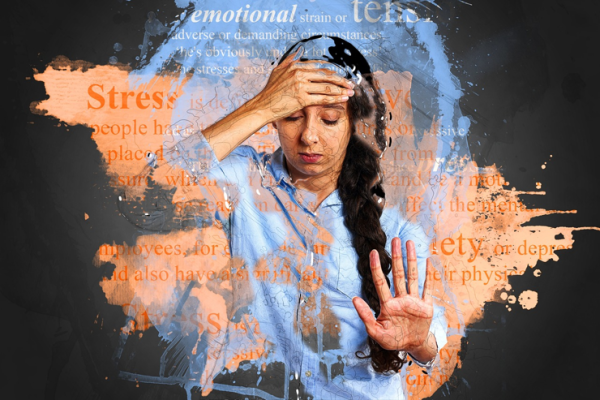
  4. Image credit: Image by Наркологическая Клиника from Pixabay (Free to use under Pixabay content license)

Author: Sumana Rao | Posted on: January 3, 2025
« »
« »

Recommended for you

Vinegar-baking soda cleaning mix

Vinegar Baking Soda Mix Cleaning Hacks

Mixing vinegar and baking soda creates a chemical reaction that produces carbon dioxide gas, water, and a type of salt (sodium acetate). This reaction has many practical uses in cleaning, science, and everyday life. The combination of vinegar and baking soda is a powerful, natural cleaning solution that can handle many household tasks. When vinegar (acidic) and baking soda (basic) mix, they react to form carbon dioxide gas, water, and sodium acetate. This fizzing action helps loosen dirt, grime, and buildup, making cleaning easier.

Ways to use vinegar-baking soda mix for household cleaning:

1. Unclogging drains

  • How to use:
    1. Pour 1/2 cup of baking soda down the drain.
    2. Add one cup of vinegar and let it fizz for 10–15 minutes.
    3. Flush with hot water.
  • Effect: Breaks up minor clogs and deodorizes the drain.

2. Cleaning tile grout

  • How to use:
    1. Sprinkle baking soda on the grout.
    2. Spray vinegar over it and let it fizz.
    3. Scrub with a brush and rinse with water.
  • Effect: Removes dirt and whitens grout lines.

3. Deodorizing garbage disposal

  • How to use:
    1. Add 1/2 cup baking soda to the disposal.
    2. Pour in one cup of vinegar and let it fizz for 5–10 minutes.
    3. Rinse with hot water.
  • Effect: Eliminates unpleasant odors and cleans the blades.

4. Cleaning and deodorizing toilets

  • How to use:
    1. Sprinkle baking soda into the toilet bowl.
    2. Pour in vinegar and let it fizz for 10–15 minutes.
    3. Scrub with a toilet brush and flush.
  • Effect: Removes stains and odors.

5. Polishing stainless steel

  • How to use:
    1. Sprinkle baking soda on the surface.
    2. Spray vinegar and wipe with a cloth.
    3. Rinse with water and dry.
  • Effect: Cleans and shines stainless steel without scratching.

6. Cleaning Ovens

  • How to use:
    1. Make a paste with baking soda and water; apply to oven grime.
    2. Spray vinegar over the paste and let it fizz.
    3. Scrub with a sponge and wipe clean.
  • Effect: Loosens baked-on grease and food residue.

7. Freshening carpets

  • How to use:
    1. Sprinkle baking soda on the carpet and let it sit for 15 minutes.
    2. Spray lightly with vinegar to activate.
    3. Vacuum thoroughly after it dries.
  • Effect: Removes odors and refreshes carpets.

8. Cleaning showerheads

  • How to use:
    1. Mix equal parts vinegar and water in a bag.
    2. Add a tablespoon of baking soda and secure the bag around the showerhead.
    3. Let it soak for 1–2 hours, then scrub and rinse.
  • Effect: Removes mineral deposits and clogs.

9. Freshening laundry

  • How to use:
    1. Add baking soda to the detergent compartment.
    2. Pour vinegar into the fabric softener compartment.
    3. Wash as usual.
  • Effect: Brightens clothes, removes odors, and softens fabrics.

10. Cleaning fridge

  • How to use:
    1. Wipe fridge surfaces with a paste of baking soda and water.
    2. Spray with vinegar, let it fizz, and wipe clean.
  • Effect: Removes grime and neutralizes odors.

Precautions

  • Do not store the mixture: The reaction releases gas, so storing it in a sealed container can cause pressure to build up.
  • Avoid certain surfaces: Test on small areas first, as vinegar’s acidity can damage natural stone, wood, or some metals.
  • Not for heavy-duty grease: This mixture is great for light cleaning but may not be strong enough for industrial grease or stains.

This natural cleaning combo is eco-friendly, safe, and cost-effective!

Do you know you can use this mixture in science experiments?

  • Volcano projects: It is often used in educational demonstrations to mimic volcanic eruptions because of the bubbling reaction.
  • Gas production: The reaction demonstrates chemical changes and gas release in chemistry lessons.

This reaction is safe, but it is best to avoid sealing the mixture in a container, as the gas buildup can cause pressure and may lead to an explosion.

Image credit: Photo by Ali Dashti: https://www.pexels.com/photo/close-up-of-a-spray-bottle-17735355/ (Free for commercial use);

Vinegar-baking soda: https://www.flickr.com/photos/jessicamullen/4431643843 (CC by 2.0)


Author: Sumana Rao | Posted on:
« »
« »

Recommended for you

Propolis of Honey bee benefits

Propolis From Honey Bees Has Many Medicinal Properties

Propolis is a resinous substance produced by bees from the sap on trees, which they mix with beeswax and their own enzymes. It is used to seal small gaps in the hive and protect against intruders and infections. Propolis has been recognized for its medicinal properties and is widely used in traditional and modern medicine.

Composition of propolis itself is unique. Apart from pollen, it contains resins, wax, essential oils and other substances.

Components of Propolis:

  • Resins and Balsams (50-60%) : These are collected from tree buds and are the main components of propolis. They contain a variety of phenolic compounds, including flavonoids, phenolic acids, and their esters.
  • Wax (30-40%) : Beeswax is secreted by bees and mixed with the resins. It provides the structural component of propolis.
  • Essential Oils (5-10%) : These volatile oils give propolis its aromatic properties and contribute to its antimicrobial activity.
  • Pollen (5%): Pollen grains collected by bees provide proteins, vitamins, and minerals.

Organic Compounds in propolis:

  • Flavonoids: Such as quercetin, pinocembrin, galanin, and chrysin. These compounds have antioxidant, anti-inflammatory, and antimicrobial properties.
  • Phenolic Acids: Like caffeic acid and ferulic acid. They contribute to antioxidant and anti-inflammatory activities.
  • Terpenes and Terpenoids: Contributing to antimicrobial effects.
  • Amino Acids and Proteins: Including enzymes that may aid in propolis’ biological activities.
  • Vitamins: Especially B vitamins and vitamin C.
  • Minerals: Such as magnesium, calcium, and potassium

There are several ways propolis is useful for human health:

Antimicrobial properties: Propolis has demonstrated broad-spectrum antimicrobial activity against bacteria, viruses, and fungi. This makes it useful in treating and preventing infections:

  1. Bacterial Infections: Propolis can inhibit the growth of various bacteria, including Staphylococcus aureus and Escherichia coli.
  2. Viral Infections: It has shown efficacy against viruses like the herpes simplex virus (HSV) and influenza.
  3. Fungal Infections: Propolis can also inhibit the growth of Candida species, making it helpful in managing yeast infections.

Anti-inflammatory effects: Propolis contains compounds that can reduce inflammation:

  1. Chronic Inflammation: It may help manage conditions characterized by chronic inflammation, such as arthritis and inflammatory bowel diseases.
  2. Wound Healing: By reducing inflammation, propolis can promote faster healing of cuts, burns, and other skin injuries.

Antioxidant properties: Propolis is rich in antioxidants, which can help protect the body from oxidative stress and damage caused by free radicals:

  1. Cell Protection: Antioxidants in propolis can protect cells from damage, potentially reducing the risk of chronic diseases like cancer and heart disease.
  2. Anti-Aging: These properties may also contribute to anti-aging effects, helping to maintain healthy skin and overall vitality.

Immune system support: Propolis can enhance the immune response, helping the body to fight off infections and diseases more effectively:

  1. Immune Modulation: It can modulate the immune system, promoting a balanced immune response.
  2. Cold and Flu Prevention: Regular use of propolis may help prevent common colds and flu by boosting the immune system.

Wound healing and skin health: Propolis promotes the healing of wounds and supports healthy skin:

  1. Topical Application: Applying propolis to cuts, burns, and sores can speed up healing and reduce the risk of infection.
  2. Skin Conditions: It may help manage conditions like eczema, psoriasis, and acne due to its anti-inflammatory and antimicrobial properties.

Oral health: Propolis is beneficial for maintaining oral hygiene and preventing dental problems:

  1. Dental Caries: It can help prevent cavities by inhibiting the growth of bacteria that cause tooth decay.
  2. Gum health: Propolis can reduce inflammation and promote healing in the gums, helping to prevent gingivitis and periodontitis.
  3. Mouth ulcers: It can aid in the healing of mouth ulcers and reduce associated pain.

Anti-Cancer properties: Some studies suggest that propolis may have anti-cancer effects:

  1. Tumor growth inhibition: It may inhibit the growth of various cancer cells, including those of breast, skin, colon, and prostate cancers.
  2. Apoptosis induction: Propolis can induce apoptosis (programmed cell death) in cancer cells, helping to limit the spread of tumors.

Usage and forms: Propolis can be used in various forms, including:

  1. Tinctures and extracts: Alcohol-based or water-based extracts are commonly used for internal or topical application.
  2. Capsules and tablets: For convenient oral consumption.
  3. Topical creams and ointments: Applied directly to the skin for treating wounds, burns, and skin conditions.
  4. Mouthwash and toothpaste: For maintaining oral health.

Safety and precautions: While propolis is generally considered safe, there are some precautions to consider:

  • Allergic reactions: People allergic to bee products should avoid propolis, as it can cause allergic reactions.
  • Pregnancy and breastfeeding: Consult a healthcare provider before using propolis during pregnancy or breastfeeding.
  • Interactions with medications: Propolis may interact with certain medications, so it is important to consult with a healthcare provider if you are taking other treatments.

Propolis offers a wide range of health benefits, making it a valuable natural remedy for various conditions. However, it is important to use it responsibly and consult with a healthcare provider when necessary.

Image credit: Hadi, CC BY-SA 4.0 <https://creativecommons.org/licenses/by-sa/4.0>, via Wikimedia Commons


Author: Sumana Rao | Posted on: December 27, 2024
« »
« »

Recommended for you

Tips to use corn starch

Ways To Use Corn Starch For Various Purposes At Home

If you have cornstarch at home you can use it in many ways. Corn starch which is a fine white powder derived from the endosperm of corn kernels, has a wide range of cooking and non-culinary uses due to its unique properties. Do you know – corn starch body powder is highly recommended for rashes?

Here are some of the benefits of cornstarch:

  1. Thickening agent: Cornstarch is a common thickening agent used in cooking and baking. When mixed with liquid and heated, it forms a smooth, clear, and lump-free consistency, making it ideal for thickening sauces, soups, gravies, and pie fillings.
  2. Gluten free: As cornstarch is naturally gluten-free it is a suitable alternative for those with celiac disease or gluten sensitivity in recipes that traditionally call for wheat-based thickeners like flour.
  3. Texture enhancement: In baking, cornstarch can be used to create lighter and more delicate textures in cakes, cookies, and pastries. It helps tenderize and produce a finer crumb structure.
  4. Binding agent: Cornstarch can be used as a binding agent in recipes in fritters, cutlets or add to curry to help hold ingredients together.
  5. Gravy and sauce clarity: When added to gravies, sauces, and clear soups, cornstarch can improve clarity and give them a glossy appearance.
  6. Dessert fillings: Cornstarch is commonly used to make custards, puddings, and fruit pie fillings, as it thickens without imparting a noticeable flavor.
  7. Frying coating: It is often used as part of a batter or coating for frying foods. Cornstarch can create a crispy, golden exterior when frying.
  8. As body powder: Cornstarch is used as a natural and soothing body powder to help absorb moisture and reduce friction, making it useful for preventing chafing and diaper rash.
  9. First aid: Cornstarch can be used to help soothe minor skin irritations, such as sunburn, insect bites, and rashes. It can provide relief by absorbing excess moisture and reducing friction.
  10. Homemade playdough: Cornstarch is an essential ingredient in many homemade playdough recipes, creating a smooth and pliable texture.
  11. Cleaning agent: Cornstarch can be used as a natural cleaning agent for polishing furniture, cleaning windows, and even removing carpet stains.
  12. Shoe deodorizer: It can be used to absorb odors in shoes and as a natural alternative to commercial shoe deodorizers.
  13. Fire extinguisher: In some fire safety applications, cornstarch can be used as a non-toxic fire extinguisher for small kitchen fires involving grease or oil.

Store cornstarch in a cool, dry place and keep it tightly sealed to prevent moisture absorption, which can cause clumping. While cornstarch offers numerous benefits, it should be used in moderation in cooking and should not be considered a dietary staple due to its low nutritional value and high carbohydrate content.

Image credit: Marco Verch Professional Photographer | Flickr ; https://www.flickr.com/photos/30478819@N08/49940893976/in/photostream/  (Free to use for commercial purpose -CC by 2.0)


Author: Sumana Rao | Posted on:
« »
« »

Recommended for you

Eyelid health

Protect Eyelids Health To Protect Your Eye Health

The eyelid plays an essential role in protecting your eyes and maintaining eye health. Eyelids are fold of skin that closes over both eyes to protect them from any type of injuries. There are upper and lower eyelids. Eyelid health can range from mild irritations to more serious conditions that require medical attention.

Functions of the eyelid:

  1. Protective barrier: Shields the eyes from dust, debris, and injury.
  2. Moisture maintenance: Spreads tears evenly across the eye to prevent dryness.
  3. Light regulation: Helps block excess light, aiding in vision and sleep.

Signs that may require medical attention:

  1. Swelling or redness: If your eyelid is persistently swollen, red, or painful, it could indicate an infection (e.g., cellulitis or a stye) or an allergic reaction.
  2. Drooping eyelid (Ptosis): If one or both eyelids suddenly droop, it may signal a nerve or muscle issue, potentially linked to conditions like myasthenia gravis or a stroke.
  3. Persistent lump: A small lump (e.g., a chalazion) that does not go away or grows larger may need medical evaluation.
  4. Painful bumps or blisters: Painful lesions or blisters could indicate shingles (herpes zoster) or other viral infections.
  5. Vision changes: Blurry vision, double vision, or vision loss alongside eyelid issues can suggest a more serious underlying problem (e.g., orbital cellulitis or thyroid eye disease).
  6. Discharge or crusting: Yellow, green, or excessive discharge, especially with swelling or redness, could indicate conjunctivitis (pink eye) or another infection.
  7. Bleeding or trauma: If your eyelid was injured or is bleeding without an obvious cause, this warrants medical evaluation.
  8. Persistent twitching (Myokymia): Occasional twitching is normal, but constant twitching might suggest nerve irritation or fatigue.
  9. Skin changes: New growths, dark patches, or irregularities on the eyelid skin might be a sign of skin cancer or another dermatological issue.

Common minor conditions:

  1. Dry eyes or blepharitis: Often linked to flaky skin, irritation, or clogged oil glands. These can usually be managed with warm compresses and proper hygiene.
  2. Styes: Small, red, and painful lumps often resolve on their own or with warm compresses.

Self-care tips for eyelid health:

  1. Maintain eyelid hygiene: Use warm compresses to clean and unblock oil glands. Gently clean with diluted baby shampoo or a lid scrub.
  2. Avoid rubbing eyes: Prevents irritation and reduces the risk of infection.
  3. Remove makeup: Always remove eye makeup thoroughly before sleeping.
  4. Monitor for irritants: Avoid allergens or harsh chemicals near your eyes.

    When to see a doctor?
  • If symptoms persist beyond a few days despite home care.
  • If pain, redness, or swelling worsens.
  • If you experience any of the vision-related symptoms above.

Image credit: Photo by MART  PRODUCTION: https://www.pexels.com/photo/a-close-up-shot-of-a-person-with-colorful-eyeshadow-7290731/ (Free to use)


Author: Sumana Rao | Posted on: December 23, 2024
« »
« »

Recommended for you

How to Choose The Right Meditation Style

How to Choose The Right Meditation Style

Choosing the right meditation style depends on your goals, preferences, and lifestyle. There are many techniques to explore, and each offers unique benefits.

Identify your goals!

  1. Do you want to reduce stress and anxiety?
  2. Are you looking to improve focus and concentration?
  3. Do you want to enhance emotional well-being and compassion?
  4. Are you seeking spiritual growth or self-awareness?
  5. Do you want to improve your sleep or manage physical pain?

Which type of meditation one can follow?

  • For beginners: Try mindfulness or guided meditation.
  • For stress relief: Consider loving-kindness, yoga nidra, or body scan meditation.
  • For spiritual growth: Explore Vipassana, Zen, or chakra meditation.
  • For active minds: Walking or sound meditation may be better options.

Tips for a successful practice

  1. Be patient: Your mind may wander, and that is okay. Gently bring your focus back to your body.
  2. Start small: Begin with a 5–10-minute scan and gradually increase the duration.
  3. Breathe naturally: Let your breath flow without forcing it.
  4. Stay non-judgmental: Allow sensations to come and go without trying to change them.

Author: Sumana Rao | Posted on: December 17, 2024
« »
« »

Recommended for you