All posts by Sumana Rao

Don't worry about the people in your past; There's a reason they didn't make it to your future.
Bilva leaves chutney

Bilva leaves chutney for diabetes

Bilva or bael is a middle-sized tree native to India. It is considered as a sacred tree and used for religious purposes.  Bilva leaves and fruits are used for medicine preparations as wells as cooking. Bilva is used in Ayurvedic preparation for gastrointestinal diseases, piles, jaundice, obesity etc.   In addition bilva is known to reduce urinary problems and helps in easy digestion. Bilva plant is good remedy for inflammation and cools system. One of the easy recipe for diabetic patients is bilva leaves chutney. Bilva chutney can be served with chapati for those who have high blood sugar.

Bilva (bael) leaves chutney

Ingredients:

  1. Bilva young leaves-  10-15
  2. Red chillis – 6-8
  3. Grated coconut – ¾ cup
  4. Tamarind – 2 inches
  5. Seasme – 1 tsp
  6. Salt – as per taste
  7. Asafetida – pinch
  8. For seasoning: Mustard, curry leaves, split black gram

Preparation:

  1. Collect good bilva leaves and wash in water.
  2.  Place a frying pan on medium heat and dry fry bilva, red chillis and sesame. Allow contents to cool
  3. Grind fried ingredients with grated coconut, tamarind and salt. Add little water to grind and grind contents to paste.
  4. Prepare seasoning using oil (coconut oil is preferred), mustard, curry leaves, asafetida and one red chilli.
  5. Add seasoning to grinded bilva chutney.

You can mix bilva chutney with hot rice. On the side have onion pieces and chutney rice will taste yummy. You can also have bilva chutney with dosa, chapati or other Indian types breads.


Author: Sumana Rao | Posted on: September 9, 2020
« »
« »

Recommended for you

Edible oil adulteration

FSSAI launches drive against Adulteration in the Edible Oil

Edible oil used for cooking, salad dressing, frying, food formulation etc. adds important nutritional value in our daily diet. The demand for edible oil is always high both in national and international market and for this reason adulteration in oil is a major issue.

Like any other food adulteration, adulteration of edible oils can cause severe health issues in consumers. For example, argemone oil adulteration in Mustard oil can lead to gall bladder cancer, glaucoma, loss of eyesight and could also lead to epidemic dropsy. Another common adulteration of cooking oils – coconut oil, sunflower oil and groundnut oil with refined palm “super olein”, argemone oil, castor oil etc. that could lead to damage to heart, liver, stomach problem or cancer.

Olive oil which is expensive and known for its multiple health benefits often adulterated with inexpensive oil. This can pose problem to people who have food allergies.

This offence of adulteration is always in the form of mixing pure edible oil with cheap and unhealthy oil has negative health issues and affects the quality of the cooking oil.

In order to combat the edible oil adulteration, FSSAI of India conducted a survey by distributing samples of edible oils drawn from various sources like grocery stores, national and International brand from different cities. The survey results will be used to find “hot spots” of adulteration. Recently, FSSAI released a press report – Healthy Life

Food Safety officials of India and other countries often seize cooking oil due to adulteration.

New Delhi, August 28, 2020: Food safety regulator, FSSAI has decided to intensify crackdown against the sale of adulterated Edible Oil with a Pan-India surveillance of Edible Oil (both for the branded and unbranded oil samples). A quality survey has been conducted across the country between 25th to 27th August 2020 across all the States/ UTs. This nation-wide survey, carried out for the first time with over 4500 samples covering a total of 16 varieties of edible oil including mustard, coconut, palm, olive and blended oil. Various hilly as well as difficult terrains including Ladakh, Arunachal Pradesh, Daman & Diu as well as Andaman (UT) have been strategically included to be a part of this exercise so as to represent a holistic distribution of the sample size across the country. The samples have been drawn from supermarkets/ supermarkets as well as retail and grocery stores and include national and local brands.

The survey has been conducted by the State Food Safety department officials. At least 50 samples were collected from the metro cities – Delhi, Mumbai, Bengaluru, Chennai and Kolkata and 6-8 samples each in cities and districts, other than the metros. FSSAI had shared the detailed guidelines and SOPs for conducting the survey as well as procedure of sample collection with the Commissioners of Food Safety in all States/ UTs. A video conferencing facility was organized to appraise them on the process and safeguards to be followed diligently at the States/UT level. A 24by7 communication facility via a common WhatsApp group was also created for the ease of officials involved.

A comprehensive strategy for testing of these samples through the State Food Testing Laboratories or FSSAI notified food testing labs (including private NABL accredited) to analyze various parameters including Fatty Acid composition as well as adulteration of any other oils or harmful or extraneous substance/ chemical has been developed. The test results are expected in a month’s time.

The final survey results will help in identification of the key hot spots for adulteration of edible oils in different parts of the country and will strengthen efforts at the States/UT level in devising targeted enforcement drives in the coming months. The whole exercise is aimed at ensuring availability of pure and safe mustard and other edible vegetable oils in the country.

Reference: Press release from https://www.fssai.gov.in/

Image credit: Image by Jill Wellington from Pixabay  (Free for commercial use)


Author: Sumana Rao | Posted on: September 7, 2020
« »
« »

Recommended for you

Foods for reducing joint pain

Foods that help to release joint pain

After certain age both men and women suffer from joint pain. Arthritis is one of the leading cause for joint pain. Connection between the bones forms joints. Joints support our body while we move. Any injury or age-related factors can cause pain in joints.

Apart from injuries, osteoarthritis, bursitis, gout, strain on body, rheumatoid arthritis and or sprains can cause pain in joints. Most people experience joint pain in their lifetime. One of the most common joint pain is knee pain that adults and elderly people experience. Hip, shoulder pain, wrist pain, ankle are other joints where one can experience pain for various reasons.

With proper medications and food intake we can reduce joint pain. Some of the foods that act as natural medicines to protect joints are;

Cherries: Cherries that are red and orange in color contain anthocyanin pigments. This makes cherries anti-inflammatory food. Apart from cherries, blueberries, blackberries, raspberries, strawberries can help to protect joints by reducing the inflammation. Berries contain quercetin and rutin- both are phytochemicals give plenty of health benefits to humans.

Oils: Daily oil that we use for cooking or adding onto salad help us to protect the joints. Olive oil contains oleocanthal which is again an anti-inflammatory agent. Its action is like a pain killer and reduces inflammation and pain. Sesame oil which is another oil which has been popularly used in traditional medicines, helps to treat arthritis and is a strong anti-inflammatory oil. It contains zinc and copper- both these metals have anti-inflammatory properties. Sesame oil also contains calcium that are needed for strengthening bones.  People who suffer from rheumatoid arthritis can use these oils to massage joint and muscles to reduce pain.

Grains: Whole grains such as oatmeal, quinoa, brown rice, whole wheat grains are good for joint health. Whole grain can help to reduce joint inflammation by lowering CRP protein level that is known to be associated with rheumatoid arthritis condition. C-reactive protein which is released by liver into blood raises in blood when there is inflammation in the body. Whole grains help to reduce CRP level in blood and thus protect joints.

Spices: Consuming ginger, cinnamon, clove, sage, cayenne, rosemary, cumin and turmeric reduces inflammation. Include turmeric in your diet. Add turmeric to curry, soup or drink turmeric golden chai. Turmeric is recommended from centuries for reducing pain and inflammation in body. Studies have shown that turmeric is one of the spices that effectively reduces joint pain.

Beans and lentils: These are best source of protein, fiber and minerals. Both lentils and beans have anti-inflammatory as well as antioxidant properties. Include black beans, chickpeas, soy and lentils in your diet. They supply anthocyanins that helps to reduce joint inflammation.

Garlic: Studies have shown that garlic can enhance and strengthen immune system. Eating garlic everyday could reduce the risk of osteoarthritis. It is a strong anti-inflammatory food and decreases levels of chemicals responsible for joint pain.

Walnuts: Nutrient dense walnuts also will help to reduce joint inflammation. Omega-3-fatty acids in walnuts shown to reduce arthritis symptoms and associated pain.

Other foods one should consider are spinach, kale, other types of nuts rich in omega-3-fatty acids, broccoli and grapes. All these foods known to have anti-inflammatory property and help to reduce joint pain.

Daily walk, cardio and focusing on good diet is critical for maintaining healthy joints.

Image credit: Joerg https://www.flickr.com/photos/13435397@N06/31494462063 (CC by 2.0)


Author: Sumana Rao | Posted on: August 27, 2020
« »
« »

Recommended for you

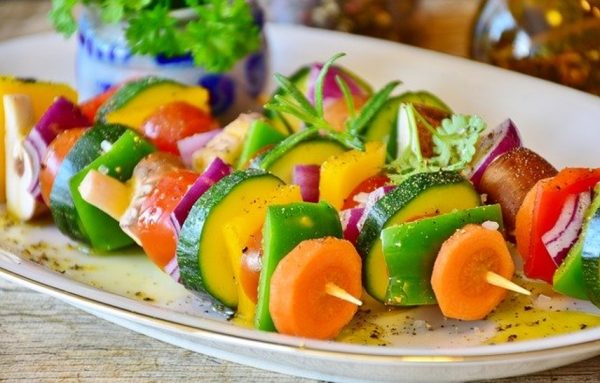
Tips to grill vegetables

Tips to grill vegetables

Grilling vegetables is easy. It is an easy and better way to consume vegetables.

However, one should know how to grill vegetables properly.

Under or over grilled vegetables does not taste good.

Here are tips to grill vegetables.

  1. Use grill basket or a skewer for small vegetables and small cut vegetable pieces: If you grill cherry tomatoes, small radish, zucchini rounds or mushrooms handling them can be challenging as they easily roll around. Pierce them on skewer and place them in grill basket or aluminum foil (fold in the form of a basket) to prevent them falling.
  2. Cut vegetables: If you are grilling eggplant, squash, larger onions or any other large vegetables cut them into long thin pieces. This will help you to grill them fast.
  3. Cook vegetables in packets: Waiting for vegetables to grill needs some patience. When you have dense vegetables like potatoes, corn, sweet potatoes, place them in aluminum foil. Spray little oil and cover them individually or in bulk. While covering leave bit of opening on one side like a pocket. Place on grill and cook. Check in between.
  4. Kebabs: If you are planning to grill kebabs – pair soft vegetables together in a pocket and hard vegetables together in another one.
  5. Temperature: Always pre- heat grill 15 to 20 minutes prior you start grilling vegetables. Ideal temperature is 400-450 F. Brush of grill rack before using it. This way any residue that is sitting from previous cooking will go away.
  6. Seasoning: Try different seasonings – chilli and lime, chilli, garlic and soy, Garlic and thyme, spice orange – these seasoning go well for grilled vegetables. You can also coat veggies in light olive oil and sprinkle salt and pepper before placing in grill.
  7. Oil: Before placing vegetables on the grill, oil vegetables lightly and coat them. Do not use too much oil to avoid greasy smell. Applying oil helps the seasoning to stick to vegetables uniformly.
  8. Charcoal vs gas grill: Charcoal grill is traditional type and contributes a different flavor for grilled vegetables. People prefer the taste of smoke. It produces more carbon monoxide and ash. If you want tasty grilled vegetables go with charcoal. Use additive free lump charcoal or charred wood. Use a chimney starter to initiate flame. Gas grill is easy to clean and taste may not be that good.

Enjoy your summer with outdoor grilling!

Image by RitaE from Pixabay (Free for commercial use)


Author: Sumana Rao | Posted on:
« »
« »

Recommended for you

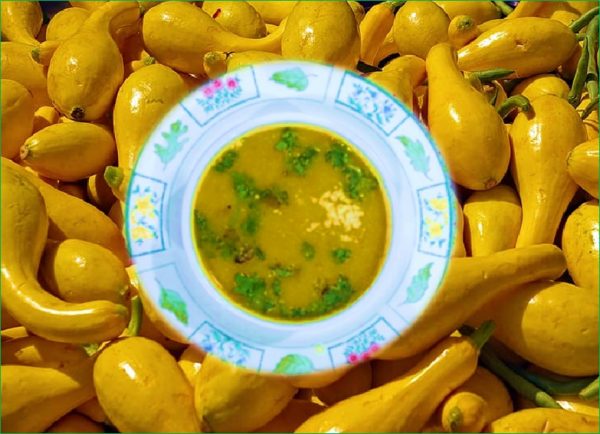
Yellow squash sweet potato soup

Yellow Squash Sweet Potato Soup

Even though restaurants are opening and carry out is available, many are not ready to take risk of visiting restaurant for pickup. This delicious, homemade yellow squash sweet potato combination soup is perfect to lift your mood on a gloomy day and will give you the same feeling of having restaurant soup. This recipe has fewer ingredients and very easy to prepare.

Both yellow squash and sweet potato are good foods that are recommended in weight loss diet. Yellow squash is high in Vitamin B6, C, and A. It has folate, magnesium, riboflavin, potassium and phosphorous. It is packed with good nutrients to boost bone strength and immunity.

Sweet potato contains fiber, Vitamin A, B and C, calcium, iron, carotenoids and selenium. It is anti-inflammatory vegetable. Unlike potatoes, sweet potato is recommended for diabetic condition because of its low glycemic index and essential fibers. In addition, it is stress buster veggie because of high magnesium content.

Ingredients:

  1. Yellow squash – 3 small size
  2. Sweet potato – 1 medium size
  3. Onion – 1 medium size
  4. Tomato – 1
  5. Zinger – 1 inch
  6. Cumin- ½ tsp
  7. Black pepper – ¼ tsp
  8. Cilantro – 1 Tbsp
  9. Cinnamon – 1 tsp
  10. Salt – as per taste

Preparation:

  1. Wash and peel yellow squash skin. Cut yellow squash to small pieces.
  2. Wash and cut sweet potato to small pieces.
  3. Chop onion and zinger. Cut tomato to small pieces.
  4. Place a deep vessel on medium heat. Add 2 tsp oil and add cumin, black pepper, chopped onion and zinger. Saute onion till it turns brown. Add cut tomato and continue mixing (if you prefer little more spice, add one or two green chilis).
  5. Add cut yellow squash and saute few minutes. Add sweet potato pieces and continue to mix all ingredients.
  6. Now add one cup water and close the lid. Let the contents cook for 5-10 minutes.
  7. Once sweet potato and yellow squash cooks turn off heat and allow content to cool.
  8. Transfer the contents to a grinder and grind to paste. You can little more water if needed.
  9. Now transfer the paste to a vessel, add cinnamon powder, salt and little more water to get soup consistency.
  10. Before serving sprinkle chopped cilantro and then serve hot soup.

Image : © www.werindia.com


Author: Sumana Rao | Posted on:
« »
« »

Recommended for you

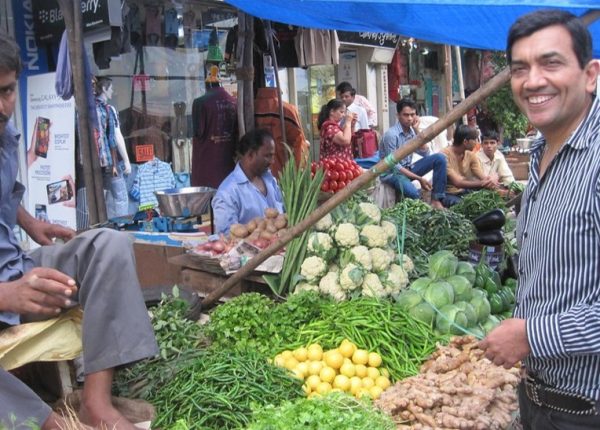
Farmers Market for better health

Improve health by connecting to Farmers’ markets

Do you have Farmers markets in your town? Then you must visit and buy produces from the local farmers for all good reasons.

If you are looking for seasonal as well as staple food look in your community market. Farmers’ market is where you get locally grown vegetables and fruits. It helps your health in a big way and promotes the local markets.

In many countries due to a reduction in agriculture and farmland foods must be imported from far distances. In USA alone food travels an average of 2000 miles to get onto people tables. Shipping fruits, vegetables, and many such foods contribute to environmental degradation by pollution and excessive use of resources. Food available at the local farmers market is traveled from shorter distances and varieties of foods that are grown locally have minimum impact on the earth.

Why we should look at Farmers’ market for food?

Our visit and buying food from farmers market supports and helps local farmers and you will encourage farmers and their families to grow fresh vegetables and fruits. Meeting local farmers and learning about the food they grow will help in strengthening the community.

We all need good nutrient-rich food. Fresh foods that are available in local markets and mills contain a rich amount of nutrients without much process. Long-distance import could damage and deteriorate the food by the time it reaches your table. Also, the number of pesticides, preservatives, wax, and chemical sprays that are used to protect the produces during shipping can cause harm to health.

The nutrition value that we get from the local food market is far better than the foods that traveled across countries or continents. Minimally processed and locally grown produces are more nutritious and do good to health.

Freshly picked fruits or vegetables will have fresh flavor and nutrients. The fresh package of produce will retain phytochemicals and antioxidants that are crucial for our survival.

Locally grown foods are seasonal, and we should rely on them. Consuming seasonally available foods will help to protect our immune system and fight against infections.

Farmers’ market will help kids to understand about food and culture that they are growing. When you take your kids to pick fruits, vegetables to help prepare meals, kids will understand the value of the food as well as nutrition. It is a great way to introduce them to healthy nutrition and lifestyle.

Another advantage of the farmers market is most farmers’ markets offer the foods that are as guided by the government nutrition guidelines. For example, it will supply the foods that fit with the choosemyplate or Government nutrition model designed for people.

Besides, local farmers also  provide fresh dairy, grain, bread, baked foods and protein products to build a healthy community.

Many farmers also will guide us with recipes that preserve the nutrition value of fresh fruits and vegetables.

Even though we may feel familiar with local fruits or vegetables, many times it is not so. Many farmers’ markets offer lesser-known vegetables and fruits. They supply many medicinal herbs (fresh and dry), herbs that we can grow at home, fruit trees that are pest resistance and survive harsh weather.

In many countries, supplemental nutrition assistance programs are known as SNAP available for mothers, infants and young children. Through this program, people can get educated about nutrition and nutritious recipes in the farm of samples in the market itself.

Apart from all the above-mentioned positive benefits, farmer’s markets are always reliable and available at your place with easy accessibility.

Image credit: ShashiBellamkonda With Chef Sanjeev Kapoor at the Ville Parle vegetable market in Bombay-  https://www.flickr.com/photos/drbeachvacation/5990855062 (CC by 2.0)


Author: Sumana Rao | Posted on: August 24, 2020
« »
« »

Recommended for you

Indoor allergy during lockdown

Are you experiencing indoor allergy during the lockdown

It has been several months, people are spending more time indoors with fear of Coronavirus. Generally, people are taking extra precautions to stay away from those who are sick. Simple cough or cold brings unintended fear in mind about Covid-19. If not the pandemic, we would not give much importance to cold, sneezes, or coughs. Because we know sneezing and coughing can be triggered because of indoor or outdoor allergens.

While we are going through lockdown, there is a chance that we might experience symptoms of allergies behind closed doors due to indoor allergies. These indoor allergies could be because of common items that are sitting around the house.

Not all our symptoms are due to COVID. It could be due to allergy. If we know the symptoms of covid-19, then we should compare common allergy symptoms to Covid symptoms to make sure that we are not neglecting our health.

Do you know being inside can result in worst allergy sufferings than being outside? Poor indoor air quality is one of the allergy reasons. Sources for common allergy during lockdown could be due to following allergen sources:

Pets: If you own a pet, then pet allergies are common. Pet fur as well as the proteins present in their saliva, dander and urine could disperse in indoor air and settle on furniture, counter tops, bed, and other places. It can result in allergy reaction. In a study conducted by British technology company Dyson, it showed that our of 1500 New Zealanders tested, 22 percent of them suffered from asthma and 38 percent from hay fever. These people owned dogs and or cats. Keep your pets out of the bedroom and furniture. Keep a separate bed for your loving pet. Vacuum house regularly.

Pollen food allergy: Also known as Pollen Fruit and pollen oral allergy syndrome. It is caused by cross-reacting allergens found in both pollen and raw vegetables, fruits and nuts. If you feel itchiness after eating a certain food, then it could be due to PFAS. Not everyone suffers from PFAS. After eating an apple, almond celery, kiwi, peach, cherry, melons, oranges, tomato, cucumber, sunflower seeds, etc. some might experience this allergy. Next time when you consume raw fruits and vegetables, if you experience any allergic reactions then make a note of it and talk to your doctor.

Detergents and cleaning liquids: One thing that we learned from the pandemic is, we should sanitize and clean our hands, wash our clothes and clean our house often and regularly. However, the harsh chemicals present in cleaners, detergents and sanitizers could react and give itchiness and rashes on our skin. Wear gloves and protective masks when you must use these harsh chemicals.

Duvet and other cloth covers: Keeping house closed all the time may not let dust get in. But, the dust mites which are inside house will settle on duvet and could give allergy reactions with scratch throat and itching eyes. Solution? Keep changing duvet or any other covers and wash them.

Mold: During lockdown, we have gone through part winter, spring, summer and soon fall season. If our house is not exposed to Sunlight air and proper dryness, then you could end up in a damp and mold wall. Damp wall results in mold development that produces spores. Mold spores are known to cause nasal congestion. Once they found a spot in shower, bathroom wall, garage wall or toilet, they must be taken care and destroyed. If not spores will multiply. If you don’t have a dryer after washing clothes put them out in Sun to dry. Damp clothes can also end up having mold.

Furniture, carpet etc : Dust mites can be present in furniture, carpet, area rug, under fridge or kitchen stove. This could cause problem while breathing. The solution is good wet and dry vacuum cleaning. This removes dust mite, dead skin, pet hair and any other dust particles settled. If not addressed, it could give you a runny nose, sneezing and cough!

Indoor plants: House plants bring nature inside the home and provide health benefits for both mind and body. However, some plants do not go well with our immune systems. These plants may not cause that much allergy as outdoor plants, still, they can cause reasonable itchiness and sneezing. Palms, orchids, African violets, weeping fig, yucca, some of the bonsai trees like birch and plants that are overwatered could lead to allergy.  These plants can carry dust mites, pet hair, pollens, spores, fuzzy leaves, etc can cause asthma or hay fever! Keep plants dust-free, clean and away from human contact.

Any allergy that we might have can result in mucus and fluid accumulation and makes our system vulnerable to COVID-19. Take care of indoor allergies in the best way possible to stay safe and healthy during this pandemic.

Image credits;

  • Plant: https://www.needpix.com/photo/1350717/(Free for commercial use)
  • Cat Image by Светлана Бердник from Pixabay (Free for commercial use)

  • Duvet image: Image by JamesDeMers from Pixabay (Free for commercial use)

  • Washing liquid; Image by ds_30 from Pixabay (Free for commercial use)

Author: Sumana Rao | Posted on: August 19, 2020
« »
« »

Recommended for you