All posts by Sumana Rao

Don't worry about the people in your past; There's a reason they didn't make it to your future.
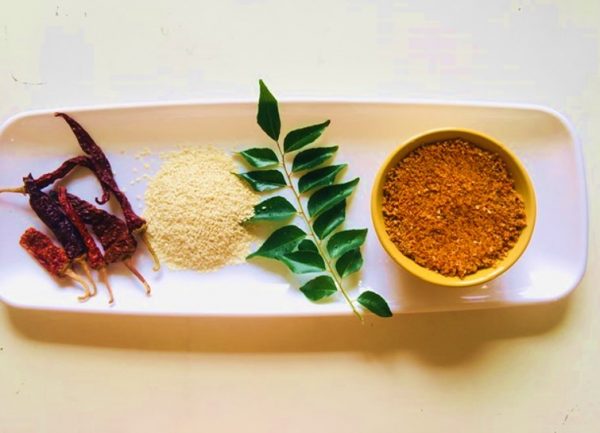
Sesame Powder

Sesame Powder

Sesame seeds add a nutty taste and a delicate, almost invisible, crunch to many dishes. It is also the main ingredient in many vegetarian dishes like sesame rice (puliyogare), sesame tikki and tahini (sesame seed paste).  Sesame seeds may be the oldest condiment known to mankind. These seeds are highly valued for their oil which is exceptionally resistant to rancidity. Sesame powder is an Indian traditional powder similar to chutney powder but made of sesame (ellu) and red chillies. The traditional value of the powder is because of the calcium content that sesame powder carries.

Sesame known to contain calcium which is needed for stronger bones.  It is good for women who is undergoing menopause. People who do not like sesame sweets can make this powder, mix with rice and have. One can prepare sesame powder within 20 minutes and store it in airtight container for months.

Ingredients:

  1. White sesame seeds – 1 cup
  2. Red chillies -6-7
  3. Curry leaves – 10
  4. Salt to taste

Preparation: 

  • Dry fry sesame seeds in a pan without oil, till seeds starts cracking or pop or one can also use raw white sesame seeds.
  • If you are frying sesame seeds then, allow seeds to cool.
  • Dry fry red chillies in a pan and keep chillies aside to cool.
  • Dry fry curry leaves and allow leaves to cool.
  • Transfer all ingredients in to ginder and prepare coarse powder
  • Add salt to sesame powder and mix well.
  • Store in tight container. Whenever feel like having sesame powder, prepare fresh rice, add little ghee or oil and mix well. Have sesame powder rice with pappad and plain yogurt on the side.

Image: ©www.werindia.com


Author: Sumana Rao | Posted on: August 18, 2020
« »
« »

Recommended for you

Breathing type

Nasal breathing is good for long term memory

What is special about breathing through nose? To survive we must breath through nose and that is what is nose made for! But when we smell and breath through nose it increases brain network and memory power, a new study says.

A research report published  (October 2018) emphasizes on how breathing only through nose helps us increase our long-term memory by improving the transfer of information from the senses to the brain storage network.

According to the research conducted by group of scientists led by researcher Artin Arshamian, Department of Clinical Neuroscience at Karolinska Institutet in Sweden (The journal of Neuroscience), if we breathe through the nose rather than the mouth after trying to learn a set of smells, we remember them better.

This is the first time someone proved the results- says Arshamian.  “our study shows that we remember smells better if we breathe through the nose when the memory is being consolidated – the process that takes place between learning and memory retrieval”.

Previously this phenomenon was not available to study because most common lab animals like mice and rats cannot breathe through their mouths. In this study researchers used 24 Swedish men and women aged between 19 and 25. They were presented with twelve different smells – six each on two separate occasions. First session with familiar fragrances such as strawberry and second session with six unfamiliar one like pungent alcoholic scent. People were either asked to breathe through nose or mouth for one hour. Mouth tapes and nasal clips used in the experiment. After a consolidation period, participants were presented with the old and new set of twelve smells and asked to answer if each smell one was from new or old session.

Results revealed that participants remembered smells better when they breathed through noses between the time of learning and recognition.

Highlight of the study:

  • Breathing through nose increases memory
  • It improves transfer of events we experience in daily life & stores in brain
  • Inhaling through nose (rather than mouth) enhances cognition
  • Neural mechanisms responsible may appear from nasal respiration
  • Nasal respiration is responsible for strengthening and reactivation of memory

Respiration plays vital role in behavioral and neural mechanisms. Respiration affects consolidation stage. Nasal respiration stimulates neural oscillation and enhances encoding and recognition process. Processing of recognition of smells in mammals are first happens in olfactory bulb inside the nose and runs along the bottom of brain. This has direct connection to brain areas that are implicated in memory the hippocampus. Hippocampal rhythms responsible in the transfer of information between sensory and memory networks – as per Dr. Arshamian. Bypassing nasal breathing through mouth abolishes rhythms and impacts encoding and recognition process thereby reducing memory power.

This research published in Journal of Neuroscience follows an earlier study by team of scientists in US. According to the study ‘one strong inhale through the nose sharpens memory’. In the study individuals were able to recognize a fearful face more quickly when they encountered it while breathing in (compared to breathing out) and effect disappears when mouth did breathing!

The idea of breathing affects our behaviors is nothing new. Thousand years old traditional knowledge originated in India talks about the importance of breathing and breathing patterns. In Yoga practice, meditation and breathing technique has always talked about how breathing helps us to get relief from stress and anxiety.  When we practice breathing it affects the brain cells in positive way that it calms down the system.

This research will help us not only in understanding the importance of meditation, breathing practice and actual breathing through nose also, how long-term memory storage can be improved in brain. Previous researches also suggested that a fading sense of smell is one of the first signs of Alzheimer’s diseases.  This finding is important because by practicing breathing, with age we can slow down the process of memory loss – dementia and Alzheimer’s condition.

References:


Author: Sumana Rao | Posted on: August 17, 2020
« »
« »

Recommended for you

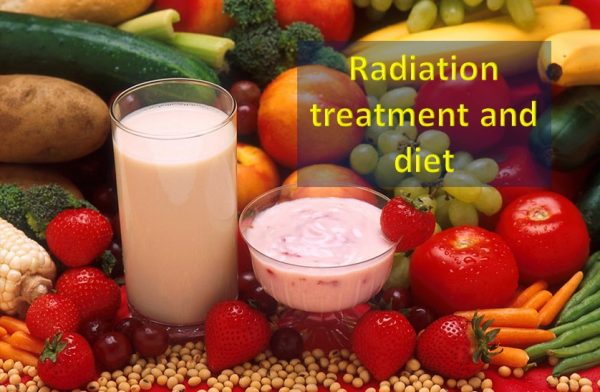
Radiation treatment and diet

Radiation treatment and diet

Depending on cancer stage, position of tumor and type of cancer, people with cancer might receive chemotherapy or radiation therapy or both.

Radiotherapy helps to shrink the tumor and to kill cancer cells. It slows growth of the tumor. When radiation is given, healthy tissues around the radiation area may get destroyed. Radiation treatment involves delivering high doses of radiation to cancerous tumors. Beams of radiation will pass through the skin and target tumor. It damages the DNA of the cancer cells, causing cancer cells death. Radiation treatment is painless. However, it could result certain side effects leading to loss of vital nutrients and the strength.

During radiation and after radiation treatment, taking care of proper diet and bringing immune system to normalcy is critical for cancer patients. For this focus should be given to nutritious diet and choice of food. Healthy eating helps to recover from the sickness.  Most importantly body needs good calorie and protein intake to maintain health and to regenerate new tissues. This will help to reduce impact of radiation side effects.

Side effects of radiation:

  • Mouth sores and throat issues: Irritation of mouth lining, throat and gums area common side effects of radiation. This will make it hard to eat and swallow any foods. Soft and easy to chew food makes it easier to get the nutrients that patient needs. Liquid foods – sauce, broth, soup, soft bread, soft rice, porridge, sucking ice chips and foods served at room temperature might feel good.
  • Stomach bloating: Fluid retention and gas results in stomach bloating. Patient might experience bowel edema. Patients must avoid eating beans, broccoli, cauliflower, cabbage, leafy green vegetables – that cause bloating. Soda and carbonated beverages are not good either. Best is to opt for lower dietary fiber foods.
  • Diarrhea or constipation: Bowel habit change is common in cancer patients. Radiation results in irregular bowel movement. It could either cause diarrhea or constipation. In case of diarrhea, patient tend to lose lot of essential nutrients. Constipation can results in loss of appetite and loss of taste and in turn food intake reduces causing weight loss. Increasing or avoiding dietary fiber food intake, or changing diet based on patient condition will help.
  • Other side effects:  Nausea, vomiting, Lack of appetite, dehydration and weight loss.

Diet change during and after radiation treatment involves changing to bland diet. Avoiding spicy food is strongly suggested. Stock up health, nutrient foods and making changes in food habits to avoid further complications.

Protein: Protein helps repair body tissue and good immune system. Additional (extra intake) protein (especially if the patient undergone surgery, chemotherapy and radiation. Good protein includes – soy foods such as soymilk, tempeh, edamame, tofu, protein shake, protein powder, protein biscuits, lentils, beans, dairy products – yogurt, cheese, milk.

Carbohydrates and Fats: Most calories come from carbohydrates an fat to maintain weight. This include all types of fruits, starchy vegetables like potato, sweet potatoes, corn, cereals, beans, grains (oatmeal, quinoa, rice, wheat), honey, nuts, omega-3-fatty acids etc.

Vitamins and Minerals: For blood regeneration, tissue repair and to keep immune system strong both minerals and vitamins are essential. Consuming foods that contain potassium, zinc, iron, calcium are very much essential for cancer patients. Vitamin B, B12 is needed for strengthening nervous system. Vitamin D helps to bring strength and reduces inflammation. Before taking any supplements consult your doctor and nutritionist.

Both radiation and chemotherapy treatments results in side effects. Dietary recommendations can vary depending on type of cancer and severity of symptoms of side effects.

Response of the patient for radiation varies. The general advice for patients who undergo radiation treatment is to:

  1. Monitor side effects of the treatment
  2. Getting ready to change the diet
  3. Focus on health, nutrient dense foods intake.
  4. Avoid junk food, salt, sugar, alcohol
  5. Eating smaller portions throughout the day or more frequently
  6. Staying hydrated by drinking water, coconut water and other suitable liquids.
  7. Focus on eating high fat foods as fats supply more calories than protein or carbohydrate.
  8. Discussion with radiotherapy team or dietitian will help to choose food and supplements.

References:

www.treatcancer.com

https://www.ucsfhealth.org/

https://www.cancerresearchuk.org/

Image credit: https://www.flickr.com/photos/usdagov/8453554475 (CC by 2.0)


Author: Sumana Rao | Posted on:
« »
« »

Recommended for you

King of bitters

Benefits of King of Bitters

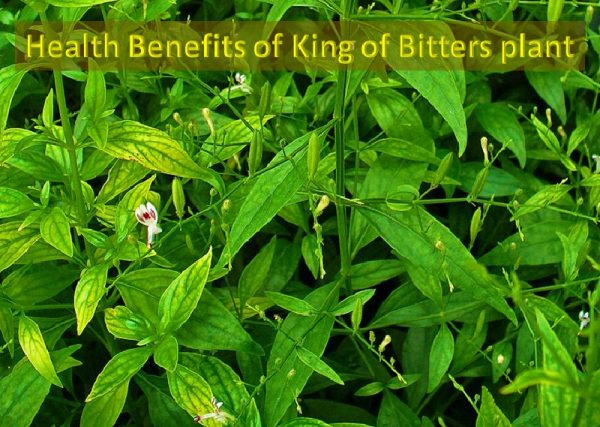
Commonly known as King of Bitters, Indian Echinacea or cold and flu plant of South Asian Countries grows abundantly in parts of India and Sri Lanka. Andrographis paniculata is the scientific name for the plant. Stem and leaves of the plants are used in traditional medicines and in Ayurveda.

Andrographis plant parts –stem, leaves, flowers and root are useful for many conditions. Both leaf and stem taste bitter and hence the name King of Bitters! Degree of bitterness almost matches Indian bitter gourd fruits. This herb believed to prevent and used in treating flu and common cold. It is believed that during 1918-1920 flu epidemic in India, medicine and home remedies prepared using this plant helped to cure many.

The main chemical constituent that is responsible for medicinal properties of Andrographis is andrographolide. It’s main application and use is in controlling cold and fever. Research say that it is as good as Tylenol (acetaminophen) tablet.

Kirta, Chirreta, bhunimba are other names for Andrographis. Plant is used for many conditions including;

  • Digestive conditions – Intestinal gas, diarrhea and stomach pain, loss of appetite, cure for intestinal worm condition
  • Liver conditions- Jaundice and enlarged liver
  • Infections – Pneumonia, gonorrhea, syphilis, malaria, leprosy, cholera, rabies, sinusitis
  • Skin conditions- Ulcer, itchiness and wounds.
  • For cold – sore throat, fever, tonsils problems, bronchitis and related allergies
  • Heart conditions – such as atherosclerosis where arteries harden
  • Diabetes – for high blood sugar problem and reduces high cholesterol
  • Apart from above mentioned conditions Kirta is used for insect and snake bite cure.
  • Plant is an immune system booster and improves white blood cell count and help fight above mentioned several conditions. It builds resistance to infections and cold.  It is also recommended for urinary tract infection, women UTI, herpes and inflammatory bowel syndrome.

Plant parts used:

  • Whole Plant is used for snakebite and insect sting treatment, to treat influenza, dysentery, malaria and for respiratory infections.
  • Leaf for: Fever, colic pain, loss of appetite, diarrhea, cold, cough, fever, hepatitis, tuberculosis, mouth ulcers, bronchitis, gastro-intestinal disorder and throat sore
  • Aerial part: both leaf and young stem for Common cold, hypertension, diabetes, cancer, malaria and snakebite, urinary tract infection.            
  • Root is for stomach problem and fever.

Home remedies of Andrographis:

  1. Whole plant either fresh or dried form can be used for treating fever.
  2. Fresh leaves cut and soaked in overnight water is useful in controlling cold.
  3. Plant khashayam helps to control burning sensation in palm and sole of the feet.  
  4. Paste of stem and root with mustard added to milk taken internally controls intestinal worms infestation.
  5. Powdered herb mixed in oil can be applied externally for gonorrhea.
  6. External application of leaf and stem paste on wounds cures wounds and prevents infection.
  7. Herbal paste prepared with turmeric powder is also effective in external application, on skin.

If you are pregnant, because of the bitterness of leaves and stem, before consuming or using Andrographis seek your doctor’s advice. Those who suffer from high blood sugar condition must consume this plant part carefully as it can result is low sugar. It is not good for people who suffer form autoimmune diseases as it boosts immune system.

Image Attribution: https://commons.wikimedia.org/wiki/File:Andrographis_paniculata_001.JPG

 H. Zell / CC BY-SA (https://creativecommons.org/licenses/by-sa/3.0)


Author: Sumana Rao | Posted on: August 14, 2020
« »
« »

Recommended for you

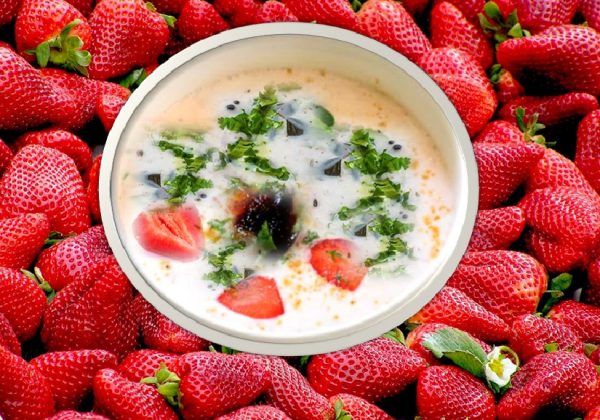
Strawberry raita recipe

Strawberry Raita Recipe

Strawberries are rich in antioxidants, vitamin C and fiber. Strawberries are also source of Vitamin B9 (Folate), manganese and decent amount of potassium. The bright red ripened strawberries are juicy and taste sweet than sour. Either one can eat them as they are or can be used in jam, jellies and varieties of desserts including baking. Strawberry yogurt is kids favorite dessert. With slight modifications and adding spices like Indians, you can prepare delicious and healthy strawberry raita. This is good for summer and hot season.

Ingredients:

  1. Strawberries – 8 (sweet ones)
  2. Grated coconut – ¼ cup
  3. Green chili – 2 or 3 (based on your spice requirement)
  4. Cumin- ½ tsp
  5. Mustard -1/2 tsp
  6. Jaggery- 2 inches
  7. Yogurt – ½ cup
  8. Curry leaves – few
  9. Chopped cilantro – 1 Tbsp
  10. Red chili – 1 or 2
  11. Salt – as per taste
  12. Oil – for seasoning
  13. Urad dal -1/4 tsp
  14. Asafetida – a pinch

Preparation:

  1. In ¼ cup water, dissolve jaggery and salt
  2. Wash and cut strawberries into small pieces.
  3. Keep jaggery and salt water to cool.
  4. Grind coconut, cumin, mustard, green chili with little water.
  5. Add coconut paste to cooked strawberry and mix well so that strawberry crushes.
  6. Whisk yogurt and add to strawberry-coconut mix. Adjust consistency according your taste.
  7. Prepare seasoning using oil, urad dal, curry leaves, red chili and if you prefer then add pinch of asafetida. Cool and transfer seasoning to strawberry raita.
  8. Serve strawberry raita with pulav, jeera rice or as a side dish.

Image credit : www.WerIndia.com 


Author: Sumana Rao | Posted on: August 6, 2020
« »
« »

Recommended for you

Breast feeding week

Support breastfeeding for a healthier planet

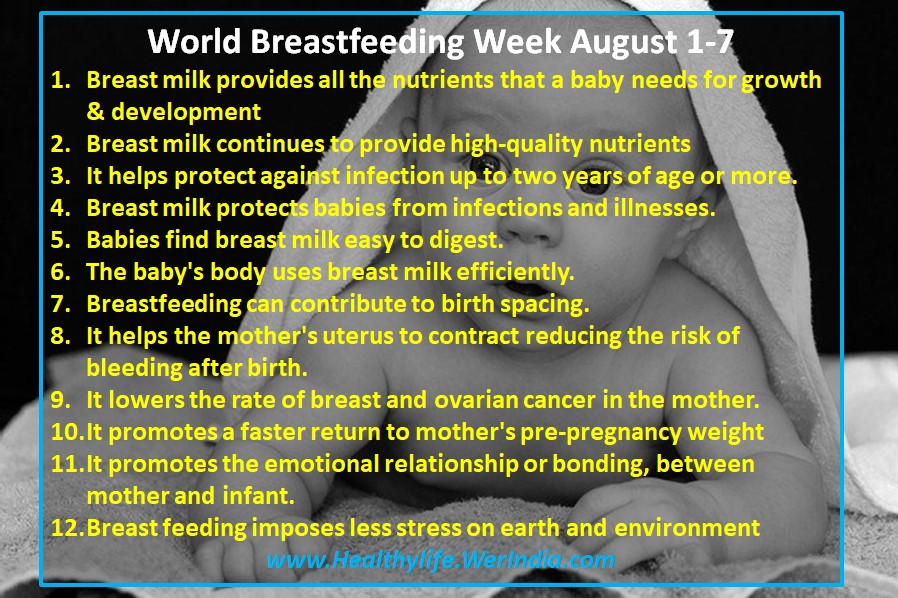
This week August 1-7th is celebrated as World Breastfeeding Week to support breastfeeding for a healthier planet. The theme of World Breastfeeding week is “Support breastfeeding for a healthier planet” (WHO).

On this noble occasion, UNICEF and WHO are calling all governments to protect and promote mother’s access to skilled breastfeeding counselling, a critical component of breastfeeding support. The World Health Organization (WHO) strongly recommends breastfeeding a baby within one hour after a baby is born to minimum six months of age.

Breastmilk is renewable, natural food of mother produces and delivered to baby without any waste or pollution. Breast milk is the purest form of milk that helps to grow the baby with all necessary ingredients. Protecting and supporting breastfeeding mother will help us to reduce the impact on environment. There is no plastic or pollution involved in the process. It also protects our future generation.

Breastfeeding is most sustainable way to feed infants and toddlers. It provides food security, stability in growth and developments of babies and young ones in any circumstances. Breast feeding is the best possible start of babies. It is a way to deliver good health, nutritional and emotional benefits to both mother and child.

Skilled Counseling Service for breastfeeding (WHO)

Breastfeeding is not always easy. It needs support while a mother starts feeding baby and further to sustain breastfeeding during baby’s development. World Health Organization has released a message regarding the assistance of skilled counselling service for breastfeeding. Skilled counselling services can ensure families and mothers to receive the support, along with information, advice and reassurance to nourish babies well.

Women might need help to successfully feed babies. It is important for them to learn the skill and get out of the stigma and fear associated with it. The counseling will help to understand:

·         Breastfeeding techniques

·         Encouragement and support

·         Shared problem-solving

·         It gives clear view about he advantages and benefits of breastfeeding for both mother and baby

·         Demonstrates how to breastfeed a baby – positioning and attachment

·         Explains the opportunities for HIV infected mothers to breast feed and improve HIV-free survival of their baby.

Counselling service can empower women to overcome challenges that she faces while feeding and caring. It helps to stops interference of provision of unnecessary foods, liquids and breastmilk substitutes for babies and young children. Skilled breastfeeding can be provided by healthcare professionals, lactation counsellors, nutritionists, peer support providers through health facilities and home visits or through community outreach.

In the current pandemic situation, it is more important to find innovative solution to give undisrupted access to mothers and families for breastfeeding counseling. For this, both WHO and UNICET are calling on Governments to:

·         Invest: To ensure availability of counselling to every mother by financing breastfeeding programs and implementation of policies, program and services.

·         Train: Health care workers to deliver skilled breastfeeding counselling to mother and families

·         Ensure: Counseling available as part of regular health and nutrition checkups

·         Partner: Collaborate with health professionals and community to build a strong counseling system

·         Protect: Health care workers from the influence of baby food corporations and industry.

This pandemic year is making everyone’s life difficult. Delivering and feeding baby is a big task for all mothers. Supporting breast feeding mothers is critical to bring up healthy generation.

References:

https://www.ncbi.nlm.nih.gov/books/NBK304199/

https://www.who.int/news-room/detail/

Image credit: Photo by Laura Garcia from Pexels (Free for commercial use)


Author: Sumana Rao | Posted on:
« »
« »

Recommended for you