
All posts by Sumana Rao

Don't worry about the people in your past; There's a reason they didn't make it to your future.

Tomato Flu Infection, Symptoms And Treatment

Tomato fever also called tomato flu is found in few states of India in children below 5 years of age. Health officials have warned that the virus can infect anybody and preventive methods must follow to avoid getting sick.

Person who is infected with this virus will have red rashes similar to color of tomato, hence the name tomato flu. Eating tomato does not cause this disease! It is a rare form of infections that is noticed in children. It is non-life threatening disease.

The disease said to be caused by a variant of hand, foot and mouth virus (HFMD). Hand foot and mouth viral infection is common in younger children because of their weak immune system. According to CDC Hand, foot, and mouth disease, is a very contagious disease caused by the coxsackievirus that spreads easily through an infected person’s nose and throat secretions, poop, and fluid from blisters and scabs that can form from the virus. Thus, tomato flu virus spreads similarly in humans. So far it is noticed in Southern states of India, in particular Kerala and Odisha states.

Symptoms of ‘Tomato fever’:

  • Fatigue and tiredness
  • Skin irritation and dehydration.
  • Discoloration of legs and hands
  • Blisters, rashes in the body
  • Body ache
  • Nausea, diarrhea, vomiting, stomach pain, abdominal cramps
  • Pain in joints
  • High fever
  • Runny nose, sneezing, coughing and could be wheezing.

Tomato fever symptoms are similar to dengue, chikungunya. It is contagious and precautions to be taken to avoid contact with infected person.

How the virus spreads?

Three common ways the disease transmits are:

  • Direct contact
  • By fecal and oral route
  • From saliva or through mucus (nasal mucus)
  • Secretion from blisters can be infectious too.

How to prevent tomato fever?

  • Stay hydrated, drink boiled, warm water
  • Do not scratch blisters (avoid touching them)
  • Keep distance and avoid contact from person who is infected
  • Maintain personal hygiene
  • Keep surrounding clean
  • Use warm water for bathing or take sponge bath.
  • Avoid touching the utensils and tools of the infected person.
  • Increase fluid intake.

Tomato flu treatment:

Diagnosis and treatment of the patients depends on age, signs and symptoms, severity of rashes and sores. Doctor will do swab test or collect stool specimen for further investigation. Early detection will help to prevent spreading of the disease.

According to experts, tomato fever is self limiting, means proper care at home should help. There is no specific drug or medicine to control. A well-balanced diet with plenty of rest will help the fever to subside and the person will start recovering. Warm water bath helps, and person feels better.


Author: Sumana Rao | Posted on: August 31, 2022
« »
« »

Recommended for you

Reasons & Remedies for Nose Bleeding

Reasons and remedies for nose bleeding

Nose bleeding (epistaxis, nose bleed) is a common problem people face during summer season.

Reasons and remedies for nose bleeding: Weather, exercise, sneezing, having cold etc. can cause bleeding from nose. If a person has high blood pressure  it may also cause nose bleeding.

Dry air is the most common cause of nose bleeds. Living in a dry climate and using a central heating system can dry out the nasal membranes, which are tissues inside the nose.

How to handle nose bleeding:

  1. Sit upright in a chair and stay quiet as possible. Let the blood flow from nose instead of through throat.
  2. Don’t lie down during a nosebleed. Instead keep your head elevated and above your heart. Breathe through your mouth.
  3. Sit up straight with your head tilted slightly forward. Using your thumb and index finger, pinch the soft part of your nose below the bony bridge. Do this for 5 to 10 minutes. During this time, breathe through your mouth. Release the pressure gently and sit quietly for 5 minutes.
  4. Apply cold compresses or ice cubes above the nose to control bleeding. Apply an ice pack to your nose and cheeks.
  5. Put a thin layer of a saline- or water-based nasal gel, such as NasoGel, or an antiseptic nasal cream inside your nose.
  6. Take a warm shower and breathe deeply to get moisture into your nose.
  7. Stop smoking – smoking increases bleeding
  8. Do not expose yourself to dryness. Keep an air conditioner or humidifier in your room.
  9. Keep away from sour, salty and pungent taste food as they may aggrevate the problem.
  10. To keep the mucous membranes moist, drink an ample amount of water each day.

Home remedies:

  • Soak 20 gram of dried aamla in water and strain it after few hours. Drink this water. Apply aamla paste on the forehead and nose.
  • Add equal parts of red sandalwood, liquorice and nagakesara to a glass of milk and drink.
  • Eat ripe figs with honey or jiggery.
  • Drink pomegranate flower tea.
  • Add a pinch of salt to ½ cup of water and stir well. Put a few drops of this solution into your nose to moisten the inner lining of the nasal passages.
  • Chew some fresh basil leaves thoroughly. This will calm the body and soon the bleeding will stop.
  • Add equal parts of coriander, adhatoda leaf, raisin, aamla to water. Add honey and drink twice a day.
  • Eat foods high in vitamin C and bio-flavonoids to keep the blood vessels in top form.
  • Increase the intake of iron in your diet to increase your hemoglobin level.
  • Include zinc-based foods like brown rice, whole wheat bread and air-popped popcorn to maintain the blood vessels in the body.
  • Avoid spicy and fried foods that can irritate inner linings of the nose.
  • Include cow’s milk and ghee in your dietary regimen
  • To keep nose moist, put a small amount of petroleum jelly on your finger and apply it to the inside of your nose.
  • Drink juice made of crushed onion and durva (Cymbopogon).
  • Put a few drops of coriander oil or fresh coriander juice onto the inner nose lining and soon the bleeding will stop.
  • Soak a small cotton ball in apple cider vinegar and place it lightly into the nostril. Leave it in place for at least 10 minutes and the bleeding will stop.
  • Cut 1 onion into thick slices. Press 1 slice under your nose and inhale the fumes. The bleeding will stop within minutes.

Fortunately, most nosebleeds are not serious and usually can be managed at home, although sometimes medical intervention may be necessary.

If you have frequent nosebleeds, you could have a more serious problem. If you are over 50 and there is nose bleeding, then contact your doctor immediately. Nose bleeding above certain age can happen due to high blood pressure.   Anyone can get a bloody nose occasionally. But if you’ve noticed that your nose bleeds frequently, or an unusual-looking blood spot has suddenly appeared on your skin, it’s time to seek medical help. These symptoms might indicate a rare blood vessel disorder known as hereditary hemorrhagic telangiectasia, or HHT. There are several treatments for patients who have chronic and recurrent nosebleeds. For example, an ear, nose and throat specialist can treat lesions with lasers, or sometimes take a patch of skin and sew it into the nose so that it doesn’t bleed.

References:


Author: Sumana Rao | Posted on: August 26, 2022
« »
« »

Recommended for you

Chavutti Thirumal Traditional Foot massage

Chavutti Thirumal Traditional Foot massage

To keep body and mind in harmony we all need physical activities. To increase flexibility, strength of joints, muscles, and ligaments and, to increase inner fluidity of the body “traditional” yoga helps. There are different yoga poses and different forms of yoga one can learn to reach inner peace and balance.  During 12th Century AD warriors from Kerala (Southern India) developed a type of special massage called Chavutti Thirumal which means Massage by Foot Pressure.

Chavutti Thirumal is an ancient Kalari martial art that has been used from over 2000 years ago.  brings wellbeing of mental, emotional, spiritual, and physical aspects of life. During peacetime Kerala warriors practiced Chavutti Thirumal along with yoga, Ayurveda and Kathakali dance to stay flexible and fit. This massage helps to keep fluidity of the body while increasing the flexibility and strength of muscle, ligaments, and joints. It differs from other massage types because of the practitioner uses feet for most of the treatment. The powerful stroke of feet helps to get good massage. Flowing strokes helps to iron out knots and kinks in muscle and helps to relax.  The main aim of this ancient therapy is to restore overall balance of the body. Chavutti massage is gaining popularity because of its health benefits.

During the chavutti massage, feet is used to apply pressure instead of hands. While holding a rope for support therapist hangs down and move over client’s body with controlled pressure using feet in long sweeping movements. The key is, execution of specific amounts of pressure on various parts of the body in this massage. Special oils are used to enhance the therapy benefit.

Reason for using feet is- feet and leg has more strength than hands. Initially it might feel uncomfortable, but the outcome of this massage is very relaxing and tension free mind and body.  Chavutti is done while client lying on floor or mat.

Benefits of Chavutti Thirumal:

  • It releases tension in the entire body.
  • Any tension in muscle and back releases with the feet massage.
  • Releases stiffness in joints and any type of restricted movement that raised from too little or too much of physical activities.
  • Increases energy flow and body circulation
  • Aids body in detoxification and encourages self-healing
  • Improves quality of sleeps
  • It helps in breakdown of cellulite
  • Increases flexibility and improves body image
  • Improves lung activity, reduces chronic cardiac problems
  • It strengthens muscle, opens hips and thoracic area.
  • Increases energy channels of the metabolism
  • Releases muscle tension, releases mental stress and stimulate metabolism – all these three are essential for one to feel good about oneself. This has positive impact on body image, boosts confidence and improves quality of life.

Chavutti Thirumal is a specialized massage. It is recommended for athletes, dancers, people who work in fields with heavy tools, for those who are do desk jobs and travel a lot in addition to those who need to keep energy level and stay focused.  It is not recommended for people who are suffering from broken bones, pregnant women, cancer patients and different serious conditions. Only qualified and licensed massage therapist must perform the massage. Therapist will use hands only to apply oil and to give finishing touch after massage. At the end the Chavutti Thirumal therapy leaves one feel happy, relaxed, energized, and focused.!

Image credit: https://commons.wikimedia.org/wiki/File:Chavittithirumal.jpg

Attribution: Kerala Tourism from India / CC BY-SA (https://creativecommons.org/licenses/by-sa/2.0)


Author: Sumana Rao | Posted on:
« »
« »

Recommended for you

Real benefits of consuming Salicornia

Real benefits of consuming Salicornia

The quality of Salicornia comes from the plants ability to store minerals and it gives a high nutritional value.

·         Nutrients in Salicornia are: Vitamin B3, Vitamin C, Magnesium, Calcium, Iodine, Potassium, Chlorophyll

·         It exhibits antioxidant, anti-inflammatory, anti- diabetic, anti-tumor and immune boosting activities

·         It also known to prevents arterial hypertension problems.

·         Studies have shown that Salicornia green slat does not have any hypertension and oxidative stress activities.

·         It is useful as vegetable, bio-salt, fodder, oil extracted from seed, in cosmetic products and used as biodiesel.

·         Seeds and stems are used for making bread and used in salad.

·         The large amount of water present in this plant has a diuretic effect on body.

·         Good amount of fiber in the plant helps in maintain health bowel.


Image credit: Imagen de andy ballard en Pixabay (CC by 0)


Author: Sumana Rao | Posted on: August 23, 2022
« »
« »

Recommended for you

Tastes and Ingredients of Salicornia salt

Tastes and Ingredients of Salicornia salt

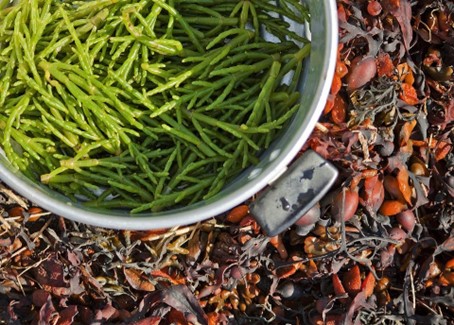
Salicornia green salt tastes not only delicious also has a savory flavors. Those who love barbecue taste will love green salt because it gives umami taste. Best part of including green salt in the food is, it does not contain MSG.  In fact, equal amount of salt and Green Salt have same saltiness.

·         It contains like other green plants Chlorophyll in addition to Vitamin B3, Vitamin C, Vitamin A, Potassium, iodine, iron and Magnesium. These natural unprocessed minerals and vitamins help blood pressure control and normal function of our immune and nervous systems.

·         Some of the low-sodium salt substitutes contain potassium chloride that give bitter taste food and can be harmful to kidneys. In green salt Potassium content is safe for people with kidney disease.  Potassium content is about 10mg for every ¼ tsp of green salt. It does not taste bitter either.

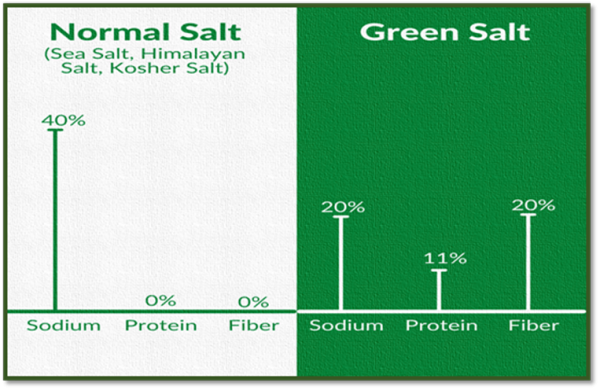
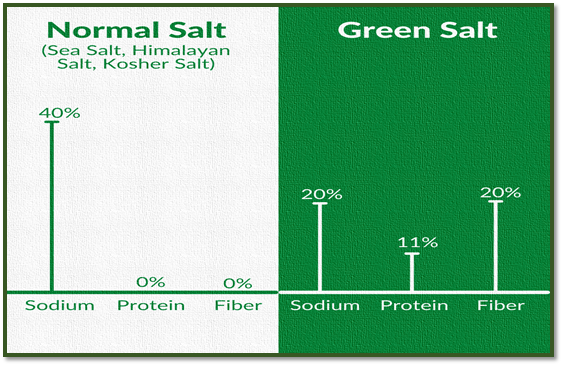
·         Green salt has 135mg sodium per 1/4 tsp.


Image credit: https://www.trygreensalt.com/ ( for more information on green salt )


Author: Sumana Rao | Posted on:
« »
« »

Recommended for you

More about Salicornia

More about Salicornia

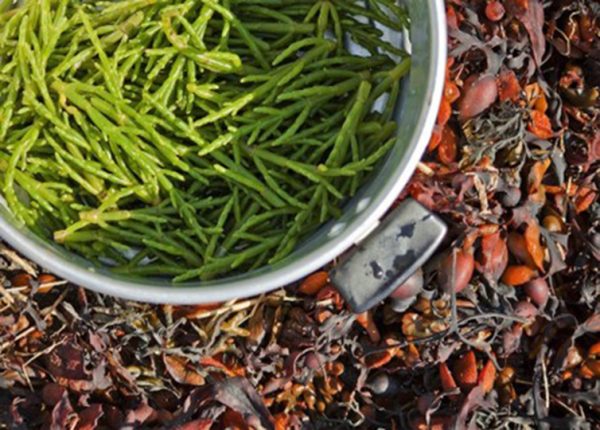
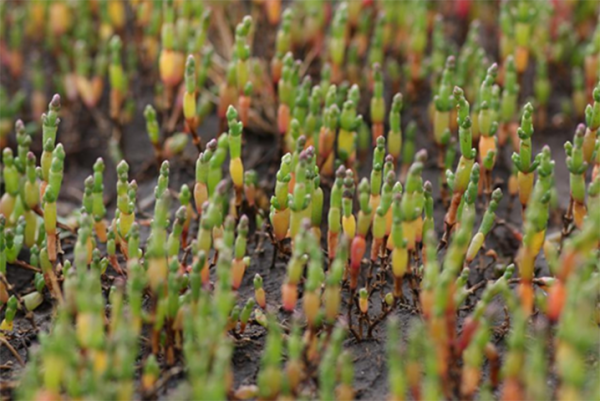
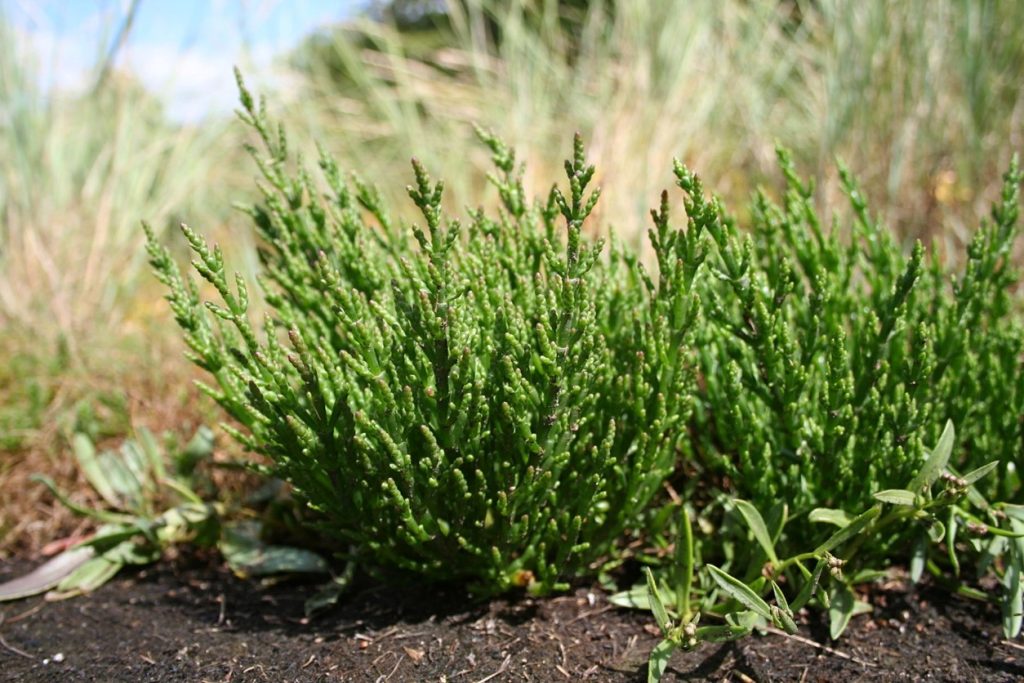
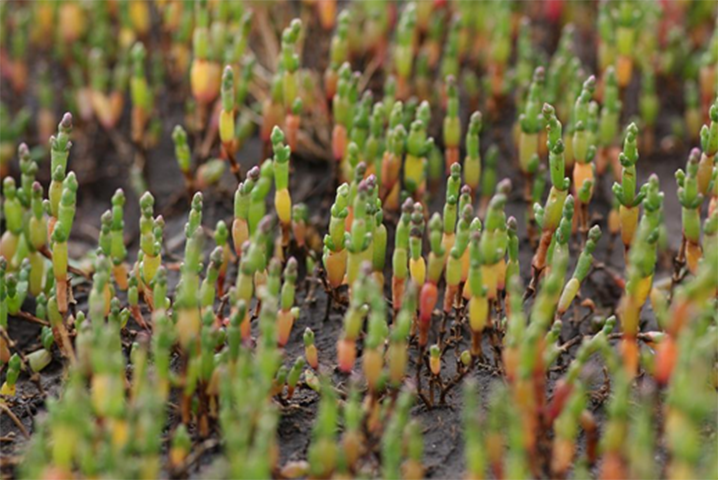
It resembles asparagus plant without leaves on the coastal region of central Asia, South Africa, Europe and North America. Grows about 25 to 30 cm tall.  During autumn plant turns red otherwise it is green plant with cholrophyll. Hence the salt obtained from the plant appears green. It is crunchy, salty and tastes delicious.  It is commonly known as Crows’ foot, sea bean, sea asparagus, pickle grass, marsh samphire. In restaurants menus of Europe it appears in the name of sea beans, sea asparagus or samphire green.

Salicornia has been consumed for centuries in both Asian and European countries. In fact, chefs use them for garnishing the food. Centuries ago, sailors used to consume Salicornia to boost their immune system.

This green salt plant is used for stomach problems and to treat diabetes, to lower blood pressure and as an alternative to salt in Korean traditional medicines.


Image credit: Imagen de Ylloh en Pixabay (Cc by 0)


Author: Sumana Rao | Posted on:
« »
« »

Recommended for you

Green salt An Alternative to Sea Salt

Green salt An Alternative to Sea Salt

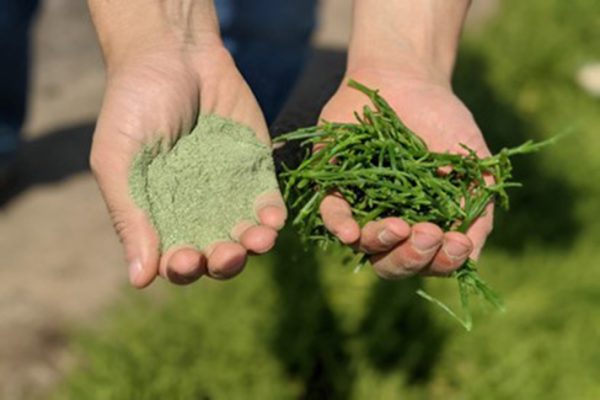
There is an alternative for salt called Green salt that is obtained by a plant namely Salicornia is now a days gaining popularity and is used as replacement of regular salt in many parts of the world. This green salt contains less sodium and has many health benefits.

Food tastes delicious with salt and we all are mostly used to salt taste in our daily foods. Chemical composition of salt is 60% chloride and 40% sodium. Salt is used as a preservative, binder and stabilizer. Even though salt acts as a preservative (like in pickle) or good for people who suffer from low BP, higher sodium consumption could lead to high BP, weight gain and has negative impact on health. People suffer from several such conditions just by sodium intake and according to health experts, an average person consume 50% more of sodium daily than it is required and recommended. Sometimes too much salt can damage the heart, aorta, and kidneys without increasing blood pressure, and can impact bone health too.

Salicornia, the Green Salt Superfood

More about Salicornia

Tastes and Ingredients of Salicornia salt

Real benefits of consuming Salicornia

Fiber

References:

·         https://knoji.com/

·         https://www.hsph.harvard.edu/

·         https://hortadospeixinhos.com/en/salicornia/

·         https://www.newfoodmagazine.com/

·         https://www.trygreensalt.com/

Image credit: Imagen de andy ballard en Pixabay (CC by 0)


Author: Sumana Rao | Posted on:
« »
« »

Recommended for you

DIY citrus face wash

Simple And Effective DIY Daily Face Wash Recipe For Skin Protection

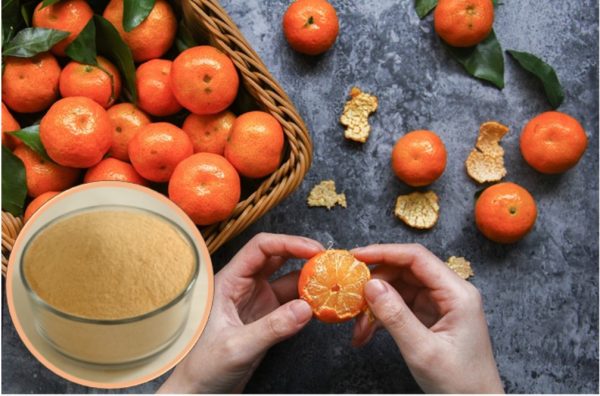
Many of the natural skincare products contain these three ingredients -citrus peel, oatmeal and besan.

Citrus fruits contain antioxidants that help in detoxifying skin by removing free radicles. Including citrus fruit peels in your daily skin care helps in improving skin texture. Orange, lime, lemon fruit peels are also great source of minerals and vitamin C. These peels help in getting rid of black spots, acne and any sort of pigmentations or dark patches.

To use dry citrus fruit peels in your skin care regime prepare a simple powder recipe by adding besan powder and oats. Besan is an absorbent for oily skin and helps in getting rid of acne. It also brings skin moisturizing effect. Oats on the other hand acts as exfoliant and keeps moisture intact. Oatmeal is pH buffer, balances skin’s ideal pH. It is good for nourishing stressed, sensitive or irritated skin.

Instead of discarding citrus peels cut into small pieces, dry and store in dry bottle. Use them whenever your skin need nourishment.

How to prepare citrus peel face wash at home?

Ingredients:

  1. Dry orange peel – 2 cups
  2. Dry lemon peel – 1 cup
  3. Oats – 2 cups
  4. Besan – 2 cups

Using dry grinder first grind citrus peels (orange and lemon) to powder. Grind oatmeal to coarse powder as it is exfoliant for skin. In a container add besan powder, powdered citrus  peel and oatmeal coarse powder. Mix well and store in an air tight container. Daily wash face twice a day using 1 tsp of the powder. Take powder in palm, add little water, mix to prepare paste, apply on face and gently scrub face. After a couple of minutes wash face using warm water. You can use this powder in place of soap.  To see the effect of the powder you need use it daily for 2-3 weeks.

Image credit: Image by Yi-Hsin Wei from Pixabay (CC by 0)


Author: Sumana Rao | Posted on: August 19, 2022
« »
« »

Recommended for you