All posts by Sumana Rao

Don't worry about the people in your past; There's a reason they didn't make it to your future.
PRACTICE YOGA TO RELIEVE THYROID PROBLEMS

Practice Yoga to Relieve Thyroid Problems

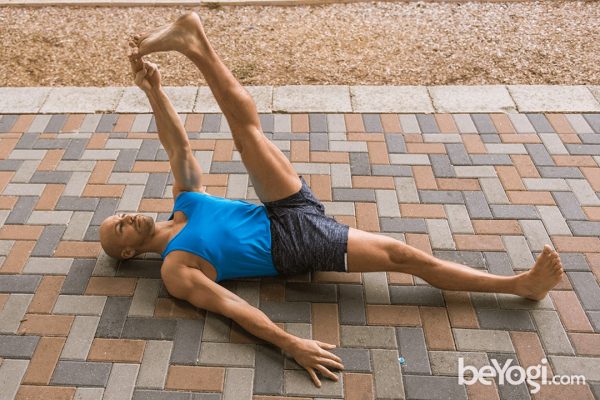
By practicing yoga one can benefit a lot. People who have thyroid problems can stimulate thyroid glands and balance the hormone to bring back normalcy in thyroid gland by practising some of the yoga poses on day-to-day basis. Here are few yoga poses that helps to control thyroid conditions.

  • Ustrasana (Camel pose): This asana also give stretch to the neck.
  • Surya Namaskar (Sun Salutation), Surya Namaskar and Kapalbhati are very beneficial to reduce the symptoms of thyroid.
  • Setubandh sarvangasana (Bridge formation pose): This is one of the important yoga for thyroid disorder. While performing Setubandh sarvangasana, if the practitioner success in forming a good bridge, the neck get ample amount of stretch, which is good for thyroid gland.
  • Sarvangasana (Shoulder stand pose): Srvangasana is the most important pose to stimulate thyroid gland and control thyroxin. This is the most effective yoga pose where blood flow from legs to head region due to its inverted condition thereby helps in curing of thyroid.
  • Viparitakarani (Inverted Pose): The meaning of Viparita is ‘reverse’ and Karni means is ‘by which’. Viparitakarni helps to balance the functioning of thyroid and eases the complication caused by hypoactive thyroid. This is also one of the important asanas for thyroid disorder.
  • Halasana (Plough pose): Hala means plough. The pose resemble to Indian plough hence it is called halasana. This yoga exercise gives compression to the neck and stimulates the thyroid glands.
  • Matsyasana (Fish pose): In this asana take the form of fish. Hence the name is Matsyasana. Matsyasana provides adequate stretching to the neck region thereby stimulate the thyroid gland.
  • Bhujangasana (The cobra poses): There are some sorts of compressing and stretching in the neck while performing advanced Bhujangasana, which helps in regulating thyroid glands.
  • Sirshasana (Headstand pose): Sirshasana is one of the finest Yoga postures to manage thyroid gland. Sirshasana acts directly on the thyroid glands, helping to balance the metabolic functions and bring about wakefulness and alertness, but without excessive nervousness. Malfunctioning of the thyroid can result in many ailments either directly or indirectly. Sirshasana helps to bring perfect health to this vital organ.
  • Dhanurasana (The Bow pose): The bow pose massage the thyroid gland effectively and compel the gland to produce required amount of hormone to control thyroid.

References:

  1. www.curejoy.com
  2. www.ayurveda.com
  3. www.yogapoint.com
  4. http://www.indiaparenting.com/


Image credit; Photo by Maryjoy Caballero on Unsplash


Author: Sumana Rao | Posted on: December 18, 2019
« »
« »

Recommended for you

Chilblains

Treatment for Chilblain

Exposure to harsh winter and repeated cold causes chilblains in many.  Exposure of body parts to the cold can damage tiny blood vessels (capillaries) in the skin, resulting in redness, blisters, itching and inflammation. Generally, the itching, swelling and blistering red patches may occur on the toes, fingers, ears and nose. Chilblains are a localized form of vasculitis that occurs when a predisposed individual is exposed to cold.

Symptoms of chilblains :

  • Small, itchy red areas on your skin, often on your feet or hands
  • Red color may turn to purple due to poor blood circulation.
  • Possible blistering or skin ulcers
  • Swelling of your skin
  • Burning sensation on your skin
  • Changes in skin color from red to dark blue, accompanied by pain and tenderness
  • The blood supply to areas of skin may become very slow due to constriction in tiny blood vessels under the skin
  • In some cases skin over chilblain may develop blister which may delay healing

Did you know? Chilblains most commonly affect women, children and the elderly. People whose homes are draughty and cold (not well insulated), tobacco smokers, very lean individuals, people who have chronic lupus, poor blood circulation and other blood vessels problems leads to chilblains during winter and cold season.

Chilblains in children may recur each winter for a few years and then clear up. Chilblains in elderly people have a tendency to get worse every year unless precipitating factors are avoided.

Other causes for chilblains:

  • Peripheral vascular disease, due to diabetes, smoking, hyperlipidaemia
  • Low body weight, or malnutrition, eg anorexia nervosa
  • Hormonal changes: chilblains can improve during pregnancy and menopause
  • Bone marrow disorders can increase chilblains due to weakening in immune system

Following body parts generally gets chilblain symptoms: Backs and sides of the fingers and toes, heels, lower legs, thighs, babies wrists, on any fatty lumps that are tender, nose, ears

Prevention and treatments for chilblains:

Doctors say that signs and symptoms will usually go away within a couple of weeks on their own if the patient avoids exposure to cold winter. More rarely, recovery may take months.

  1. Keep your hands and feet warm when you are stepping out in cold weather. Use warm gloves and socks.
  2. Consider using special gloves and socks that keep you more warm.
  3. Wear shoes that protect your feet from snow, cold and freezing rain and water.
  4. Do not walk bare foot on cold concrete, floor and do not stand in cold water for longtime.
  5. Wearing several loose layers of cloths is ideal to trap body heat.
  6. Keep yourself dry as much as possible.
  7. After being in the cold, do not heat the skin quickly with hot water or do not sit in sauna. Wait for few minutes in room temperature and then enter sauna.
  8. Stop smoking – as smoking makes chilblains worse. Reason for this is nicotine constricts the blood vessels.
  9. Some people find that placing cotton wool between their toes helps circulation.
  10. Avoid wearing particularly tight shoes as this can further restrict blood vessels.
  11. Exercise at least four times a week as this helps maintain good circulation. Vigorous indoor exercise helps in keep body warm for longer period.
  12. Keep your ears and neck warm – use scarf, muffler, winter caps/ hats to protect head, ear, neck.

Home remedies:

  • Rubbing onion under the feet or keeping a slice of onion in the socks when going to bed.
  • Consuming hot and warm food helps body to be warm.
  • Apply calendula oil on the chilblain-affected parts of the body.
  • To 2 Tbs of warm sesame oil, add a tsp of black pepper powder and strain the mixture. Apply this oil under feet and other parts of chilblain-affected area.
  • Apply Aloe vera gel and massage the area.
  • Cayenne pepper and sesame oil mix helps too. Care should be taken that if there are cracks and soreness avoid applying this mix.
  • Cut and boil couple of potatoes. Cool and apply the water on the affected areas.
  • Some believe Vitamin D and calcium supplements can ease symptoms, but this has not yet been scientifically proven.

Remember: Steroid creams are not recommended for chilblains anymore. Full recovery can be expected within a couple of weeks. The best method to avoid chilblains is to wrap up warm and keep body warm during cold season.

References:

  • http://www.medicalnewstoday.com/
  • http://www.nhs.uk/
  • http://patient.info/health/chilblains

Image credit: Image by Elena Mullagaleeva from Pixabay    (Free for commercial use)


Author: Sumana Rao | Posted on: December 15, 2019
« »
« »

Recommended for you

Weight loss tips from Grandma

Weight Loss Tips From Grandma

Weight can become a problem at any age.  It is important to reduce weight according to your age.  Over weight of a person can create several health issues – including back pain, leg pain, diabetes, blood pressure etc.  There are many diet plans. Naturally, one can reduce the weight by moderate food intake and by being active. It is important to make sure that we get good nutrients when we are on diet and it is equally important to be active while reducing weight. Yoga, Pilates, dancing, fitness mantras are all very helpful to tone the body and to reduce weight. Some natural tips to reduce weight are given below.

Horse gram: Grandma’s recommendation to a woman would be horse gram in any form. Horse gram is a popular south Indian bean and it promotes weight loss and slimming when taken continuously is any of the following forms. It is also very good in controlling and reducing cholesterol, like the popular flax seed.

1. Horse gram rasam popularly known as kollu or kulith rasam in south Indian languages is a soup made with horse gram. Refer to south Indian cookery websites or blogs to learn the procedure to make it. This can be eaten with rice or just as a soup in a soup bowl. Incidentally kollu rasam is very good for cough and cold also. It is a great relief. (Refer to my post on cough and cold for home remedies for cold).

2. Horse gram sprout is another way of consuming it. Just like any other bean, soak in water and sprout. Sprouts always have more vitamins. If it is difficult to eat a bowl full of plain horsegram sprouts, then some salad veggies can be added to it along with salt and pepper. This is best for controlling and reducing cholesterol.

3. There are so many other ways in which the horse gram can be consumed. Refer to internet for various recipes.

4. If you do not like the taste of any of the recipes, then just dry roast a small quantity of horse gram. Roast it till you get the nice aroma of the horse gram. Grind to make a fine powder. Eat 1 tablespoon of this with just water or mix it with a soup or just mix it with any food of your choice.

Garlic:

Use garlic in your foods. Garlic reduces bad cholesterol and builds up good cholesterol.

1. Chew one clove of garlic every day morning in empty stomach and drink water.

2. Dry roast garlic and consume couple of roasted cloves every day.

Cinnamon:

Cinnamon contains antioxidants and cinnamaldehyde. It helps in lowering blood sugar level and is an anti-inflammatory agent. Cinnamaldehyde boosts the metabolism and helps in reducing fat contents.

1. To every day tea, add couple of pinch of cinnamon powder and drink. Or while boiling water add an inch of cinnamon stick.

2. Drink a cup of cinnamon tea with little honey.

3. When you add spice to your food, do not forget to add one or two pinches of cinnamon powder to get benefits for your health.

Lemon juice-honey and cinnamon-lemon- honey:

  • To warm water add 1 tsp of lemon juice and 1 tsp of honey. Mix and drink in empty stomach every morning. This helps to reduce the weight.
  • Drink cinnamon tea with honey and lemon. This reduces your cholesterol and weight.

Drink water:

Drink enough water to keep yourself lean. The minimum water required is about 9 oz per day. If you are active then, you need more water. Understand how much water your body needs to keep it hydrated.

Try these….

1. Throw spinach, cucumber, tomato and ginger to a blender. Extract juice and have once a day.

2. Mix a bunch of wheat grass, one apple and an inch of ginger and blend it with little water. Strain and drink the juice.

3. Add black pepper in your diet. It breaks fat cells and increases metabolism.

4. Have green salad – mix lettuce or cabbage with carrots, olives, dry fruits and flax seeds.

5. Cucumber, cabbage, carrot salad is another best bet to reduce weight.

6. Drink cucumber and ginger water. Throw few cucumber pieces and an inch of ginger to 8 oz water. Drink to reduce weight.

7. Add few lemon pieces in water and drink throughout the day.

8. Have green tea – tulsi tea, mint tea, chammomile tea, cinnamon tea, rose hip tea – all these are good to reduce body weight.

9. Add turmeric (1 tsp), few pieces of pineapple, inch of ginger, cucumber, cabbage, carrot, celery and spinach to a blender. Add water and blend for few minutes. Drink this juice to reduce stubborn belly fat.

10. Ginger, cucumber, mint and lemon juice – add all these to a blender. Add little water, blend and drink the juice to increase metabolism!

11. Drink one cup of buttermilk everyday. Avoid adding salt or sugar in the butter milk. Instead, add few crushed black pepper and drink.

Salt and sugar intake:

  • If you are serious about your losing weight then, take control on sugar and salt intake. Sugar increases calories and salt increases weight by retaining water in the body.

Yoga and fitness:

There are many other forms of yoga evolved over the years. Power yoga, hatha yoga, vinyasa flow etc. Practice the yoga which seems to be beneficial for you.  Practice traditional yoga that helps to tone the body. It also keeps your mind focused. Yoga not only strengthens your body, it gives flexibility and helps to understand who you are when it comes to understanding your body. (See yoga poses in our mind and body section).

Moderate food intake:

Take control on your food intake. Introduce more vegetables and fruits in your diet. Eat moderately. There is no harm in consumption of white rice but you should reduce the amount. Similarly, reduce sugar, ghee, cream and butter intake. Whatever you eat – eat moderately. Do not go overboard on any foods. Snack on dry fruits, fresh vegetables and very little numkins and sweets.

Grandma says it is important to be active and work out. Work out not necessarily going to gym but also cleaning the house, gardening, walking, dancing etc. helps in weight reduction. In other words, do not lead a sedentary life. Be active and use your body muscles to work hard and play hard!

Read more at: Healthylife.werindia.com

Photo by PIXNIO


Author: Sumana Rao | Posted on:
« »
« »

Recommended for you

21 Yoga poses to boost kids confidence

Best yoga poses for kids

As we are aware yoga provides positive effect for our body. Recent days kid’s yoga and meditation both are taking schools by storm. Bringing yoga to schools is helping and benefiting children a lot.

As a parent or teacher if you are into yoga and want your children to practice yoga, then best way to bring your kids to yoga poses is practicing around them. They will look at you and imitate you to get into the pose.

Children body is so flexible and before they grow up to an adult they master the poses and can get into flexible body. Their anxiety, fear and sadness will disappear and joy will fill their mind by practicing yoga.

Which are some poses that really can help children to get stronger, flexible and boost their confidence? Best is to use poses that are named after animals and plant parts. Kids will enjoy this as it is fun to get into these poses.

.

  1. Camel pose: A back bend that stretches whole front of the body. It helps in deeper back bend and makes spine strong too. Sanskrit: “ustra asana”
  2. Cat-cow pose: Helps to warm up the body and brings strength to spine. It is a combination of two poses – cat and cow Sanskrit: Marjaryasana & Bitilasana
  3. Wheel pose: Entire body bends backwards, increases flexibility and strengthens hamstring. Sanskrit: Chakrasana
  4. Dancer pose: Balancing pose, strengthens legs and feet. Sanskrit: Natarajasana
  5. Dolphin pose: Similar to downward dog, instead on palms one must use the forearms to reach the earth. It helps in strengthening shoulder, core and legs. Sanskrit: Ardha pincha Mayurasana
  6. Downward dog pose: You will be on four corners of feet and palms. Helps in strengthening entire body, strong arms and legs – you will be lifting your body! Sanskrit: Adho mukha shvanasana
  7. Bridge pose: For strength of lower back, thighs and shoulder – Sanskrit: Sethu bhandasana
  8. Warrior 3 pose: Standing on one leg and balancing entire body in T pose – brings confidence to core! Sanskrit: Virabhadrasana III
  9. Tree pose: Balancing, focusing and concentration – learn from Tree pose. Sanskrit: Vrikshasana
  10. Eagle pose: Twist the body from top to bottom to get more flexibility and balance. Sanskrit: Garudasana
  11. Flower pose: Gives strength to pelvic area. Sanskrit: Chandrapushpasana
  12. Frog pose: Stretches hips, groins and inner thighs, Sanskrit: Mandukaasna
  13. Pigeon pose: Strengthening the core, legs, shoulder and back and, a hip opener pose Sanskrit: Eka paada Rajakapotasana
  14. Plank pose: Challenging pose to build immune system and strengthen the whole body. Sanskrit: Phalakasana
  15. Bow pose: Bending backwards while on floor- arching helps in strengthening chest, removes and congestion and gives flexibility to arms and legs. Sanskrit: Dhanurasana
  16. Plough pose: Helps in rejuvenating nervous system while stretching the spine and shoulder. Sanskrit: Halasana
  17. Upward dog pose: Brings the mind to present, most yogi’s like to do this pose in their Vinyasa flow and Sun Salutation. It helps in focusing on present. Sanskrit: Urdvamukha svanasana
  18. Chair pose: Core and thigh strengthening. Builds energy in the system. It is one of the powerful yoga pose. Sanskrit: Utkata asana
  19. Tortoise pose: Toning abdominal organs along with strengthening the back and core. Sanskrit: Kurmasana
  20. Crane pose: Focusing and balancing – another challenging pose. It takes few days to months to get into this pose. An enjoyable pose. It is an arm balancing pose that strengthens hands. Sanskrit; Bakasana
  21. Cobra pose: For exercising internal organs, digestive system this is one of the best pose. It is a heart opener pose. Sanskrit: Bhujangasana

After yogasana practice don’t forget to teach kids shavasana to relax their fragile body and mind!

.

Image courtesy: WerIndia collections

Reference: www.werindia.com


Author: Sumana Rao | Posted on: December 14, 2019
« »
« »

Recommended for you

Best cooking oil for children

Which Cooking oil is good for children

Children need fat in their body for their development. Toddlers need fat for their brain and body to grow and develop well.

Parents should not avoid or restrict fat intake for toddlers and should not be afraid to feed child recommended amount of fat.

If you chose healthy fat then children will not exceed weight for their age and their development will be normal.

Going for unsaturated fat and limiting tans and saturated fat is key for children health.

How fat helps children body?

  • Fat helps in absorption of vitamins A, D, E, and K that are fat soluble
  • Fat helps in hormone production.
  • Fat helps in brain development and growth
  • Insulates nervous system

What type of oil is good for child?

You can include edible oil in your child’s food if they are aged 3 and above. Below three, consult your pediatrician for best suited oil for your child’s growth. Some fat needed for child’s development for the reasons mentioned above. Oils that generally recommended for children are :

  1. Canola oil: When you have to saute or stir-fry vegetables use canola oil. Replace butter use with canola oil. To prepare pancakes, dosa, upama, muffins use canola oil. It is unsaturated fat and is rich in omega-3-fatty acids. Canola oil does not give odd flavor and will go well with most types of food.
  2. Olive oil: Olive oil contains antioxidants and helps in heart functioning. If your child prefers eating salad, add one tsp of olive oil to salad.  Use olive oil as a dip for cut vegetables like carrot, celery, broccoli. Or when you bake something use olive oil in place of butter. Some children might not like direct taste of olive oil as they might feel the flavor is little intense for the tongue.
  3. Sesame oil: In India and other Asian countries sesame oil is used for frying and cooking. It has little nutty flavor and children love to eat sesame oil fried food. It also contains omega fatty acids. Use sesame oil in lesser quantity. Cook vegetables, pancakes, breakfast items in sesame oil. It also helps in strengthening bone and helps little one’s heart.
  4. Peanut Oil : Before using peanut oil, make sure your toddler is not allergic to peanut. Peanut oil also will give similar reactions if your child is allergic to peanut. Otherwise peanut is good as it contains Vitamin E, antioxidants. Use peanut oil to sauté vegetables. Peanut oil is not that good for deep frying when comes to children. It goes rancid faster than other types of oil. Use peanut oil in smaller amount.
  5. Flax seed oil : It is recommended for children aged 3 and above. But use flax seed oil in very small quantity. Because children body does not produce enough amount of an enzyme that converts Omega-3 fatty acid ALA that is present in flax seed oil. This Omega-3 fatty acid ALA should convert to DHA for the absorption by cells, by enzymes and these enzymes are produces in negligible amount.
  6. Coconut oil: Coconut oil contains lauric acid and helps to prevent infection. It nourishes children skin. It also a good teething pain reliever. Applying coconut oil on baby’s skin helps in preventing sun burn and it acts as a sunscreen. Coconut oil is good source of fat and supplies calories for baby and is safe at certain level and after 5 months age. It helps in brain development. If you are going to use coconut oil in your baby’s diet, make sure baby is not allergic to coconut oil. It can be mixed in cereal, breakfast or while cooking vegetables as tolerated and depending on your infant’s feeding stage.
  7. Sunflower oil: Obtained from Sunflower seeds. It is rich in Vitamin E and supplies antioxidants. It has high smoking point and is good for deep frying purposes and snacks preparation. It is widely used for preparation of chips, samosas and cooking vegetables. It is also good for children for their heart and brain development.
  8. Vegetable oil: Most cooking oils that are labelled as vegetable oil are made from soybean. It is also used as an ingredient for margarine, salad dressing etc. It provides fair amount of omega-3 fat but less when compared to canola oil. It is bland and can be added while cooking vegetables and preparing breakfast.

Don’t feed too much oily food or food containing saturated fat to your child. For better health of heart and brain children need better oil. Talk to your pediatrician and get recommendation.

www.werindia.com

Image credit: Photo by Christian Mukala on Unsplash & Photo by Joanna Kosinska on Unsplash (Free for commercial use)


Author: Sumana Rao | Posted on:
« »
« »

Recommended for you

Spiritual Science reasons behind body piercing

Spiritual Science reasons behind body piercing

Often body piercing is done for aesthetic reasons without understanding the science and spiritual reasons. Some body piercing done at inappropriate place and can cause harm to body. What we need to understand is, piercings when done properly also triggers acupressure points for body and mind’s positive balance and health.

According to Ayurveda, body piercing should be done in appropriate body parts. Appropriate body parts because our nervous system connects in our body in a specific manner and influences certain organs.

Traditionally, body piercing is done on one or both sides of nose, both ear lobes. These are acupressure points that once triggered have positive effect on overall health. For example, piercing nose on left side has a spiritual benefit.

Piercing left side of the nose results in reducing the distressing energy that has negative influence on our system.  In women, it helps in improving reproductive organs and reduces infertility.

Other reasons for nose piercing around specific node and wearing jewelry on left side– a belief that it reduces labor pain during delivery and it reduces menstrual cramps. Nerves that run from left nostril is linked with female reproductive organs! In addition, nose piercing does not cause heavy infections.

Similarly, ear lobe piercing helps in improving digestive system. Also, it improves brain’s activity and alertness and memory. According to acupressure therapy, the nerves connecting the brain passes through ear lobes. In many religions, this is the reason ears are pierced for babies after few days of birth or months. This triggers the good development of brain.

Piercing middle of ear lobe is tradition in many tribal groups. This piercing helps in controlling over bleeding during menstrual cycle in women. Piercing ear helps men at younger age is a practice in many religions. This benefits men and improves sperm quality and improves immune system.

Another advantage of ear piercing is, the acupressure point helps in improving accuracy of eye sight and hearing. Early age piercing of ears corrects the impairment related to throat, eyes, tongue and ears – this is the belief and from several centuries this is a practice.

In tribal groups, it is a custom to pierce lip. They believe that it makes their ancestors spirits happy. It is also a status symbol and are signs of femininity and beauty for women.

Why body piercing should not be done in certain body parts?

We see people have body piercing done in eye brow, tongue, mouth, belly button, etc. Piercing in these parts attracts distressing energy or negative energy.  According to the article published in Spiritual Science Research Foundation piercing eye brow increases a person’s ego and awareness of the body.

This art of body piercing has become a fashion and expression of rebelliousness. This is one of the main reason, many pierces their body in inappropriate places. Just visiting a salon to get body pierced might result in infection and can cause health issues. Before deciding to get body pierced it is better to consider the reasons behind and which part of the body should be pierced.

Body piercing and wearing jewelry creates Satvik vibration in individuals. Our ancestors did not practice piercing just to show off. Rather it was done for health benefits.  It also creates a positive energy and brings soothing effect to mind and body. It is believed that it also gives protection from distressing energies that are existing in the environment.

References:


Author: Sumana Rao | Posted on: December 13, 2019
« »
« »

Recommended for you

Calories in Indian Sweets

Calories in Indian Sweets

It is festival time and of course, we cannot say no to sweet. Navarathri means ladoos, halwa, kheer for everyday offerings. Then, the festival of light Diwali (Deepavali) is in the corner with varieties of sweet boxes -Gulab jamun, rasamali, jilebi, laddoo, peda halwa and so on.  Eating sweet is okay, but we need to be cautious about the quantity that we consume. Some sweets are so delicious that we cannot stop just after one piece.  In addition, those sweets will supply high calories to our body. All these Indian sweets are  have ingredients like wheat, rice, clarified butter (ghee), sugar, coconut, condensed milk, dry fruits ! All these ingredients together make these sweets very rich in calories.  This adds up to nothing less than 100-150 calories per small piece or per small bowl.

Low-fat cakes made of whole wheat, honey and jagerry can be healthy. Also, peanut laddoos and nuts chikki are nutritious dessert options. However, anything in excess can go against your health, so it is best to consume desserts occasionally and to not be a victim of its harmful effects. See how much calories are in your favorite sweets.

Gulab Jamun:

Gulab Jamun is a popular Indian dessert made with fried dough and milk. Rolled into balls, the dough is then chilled in sugar syrup.

Ingredients: A dough made of milk solids (khoya), sugar syrup, cardamoms for flavour.

Method: Deep-frying in oil, and then soaking in sugar syrup.

CALORIE COUNT: Two medium size gulab jamun balls have about 387 calories.  Fat – 15gms. Cholesterol – 31mgs.

How to burn calories?:  Jumping rope for 45 minutes will help burn about 400 calories,

Jalebi

Keeping with the trend of deep-fried goodness, jalebi is also fried wheat flour (twisted into swirls or pretzel shapes) and dipped in sugar syrup. It gets its bright orange colour from food colouring.

Ingredients: Batter made with flour, yeast, sometimes yogurt and sugar.

Method:  The batter is deep-fried

CALORIE COUNT: One piece (100 gram) is about 200 calories. Fat – 24gms. Cholesterol – 7mgs.

BURN IT: Ballywood dancing for 25 minutes can burn up to 150 calories. 

Laddu (Or Ladoo)

Laddo is a ball-shaped dessert that is made from flour and sugar. They come in different colours, including yellow and orange.

Ingredients: Basin (gram flour), dry fruits, sugar syrup,

Method: Deep frying followed by adding sugar syrup

CALORIE COUNT: One medium piece (100 gm) has about 185 calories.

BURN IT: Going up and down on steps 20 minutes (12 steps staircase) can burn up to 185 calories.

Ras Malai

Ras malai is usually made with powdered milk, eggs and flour, then moulded into balls and served with sugar, cream and milk.

Method: Round balls made of powdered milk and flour dipped in heavy sugar syrup!

CALORIE COUNT: One piece (100 gram) has about 250 calories. Fat 1 gram

BURN IT: Rake for about 30 minutes and spend 15 minutes cleaning up the leaves — you can burn about 200 calories

Peda

Peda is made with thickened milk, sugar and flavorings like pistachios, cardamom and saffron.

CALORIE COUNT: One piece has about 82 calories.

BURN IT: One round of cleaning for 20 minutes (including sweeping) can burn up to 80 calories, according to eHow.com.

Halwa

THE DISH: Halwa is typically made with a flour base or nut base and often contains semolina. Halwa can be made with carrots, pistachios or almonds.

Ingredients: Vary by region – moong, wheat, semolina (sooji) etc., with sugar, dry fruits. The primary ingredients are flour, sugar and oil.

Method:  Constant combination of water, sugar and ghee with flour, till the flour separates.

CALORIE COUNT: One piece has about 100 calories.  Fat – 23gms. (Calories – 360 per small bowl). And

 Gajar ka halwa or carrot halwa 1 bowl = 237.4 cal

BURN IT: You need minimum 20 minutes workout to burn 100 calories.

Kheer

Kheer is the South Asian version of rice pudding, made with milk, sugar and toppings like almonds and cashews.

CALORIE COUNT: One serving has 270 calories. Fat -30 grams,

BURN IT: Running about 10 kms (6 miles) can burn up to 270 calories.

Kaju Barfi

Kaju katli is made from ground cashews and sugar. The sweet is topped with an edible silver foil.

Ingredients: Condensed milk, sugar, other variants include gram flour (besan), pistachios, cashews (kaaju).

Method: Grinding cashew and condensing under low flame while adding sugar, ghee etc.

CALORIE COUNT: One piece has about 100 grams = 145 calories.  Fat – 6gms. Cholesterol – 15mgs.

BURN IT: Walk on thread mill for 20 minutes at hiking mode and you will burn that 125 calories.

Karanji (Somasi)

Karanji is a dough pastry filled with coconut or sugar and fruit.

Ingredients: Coconut, sugar

CALORIE COUNT: One serving has about 224 calories.

A combination of steps, toe-taps and mountain climbers for 20 minutes can burn off 225 calories, according to Fitness Magazine.

Cham Cham (Chum Chum)

Cham Cham, or Chum Chum, is a popular Bengali dessert made with flour, sugar and coconut flakes.

CALORIE COUNT: One piece has about 175 calories.

BURN IT: One round of kick boxing (for about 15 minutes) can burn up to 175 calories.

Kulfi:

Made of milk, pista or mango or safron and sugar

CALORIE COUNT: 100 gm has about 500 calories !

BURN IT: Go for zumba for an hour or run for an hour or walk on thread mill for an hour.

References:

  1. www.livestrong.com
  2. www.indiatimes.com
  3. www.ejyoti.com
  4. www.southindianfoods.in

Author: Sumana Rao | Posted on:
« »
« »

Recommended for you