All posts by Sumana Rao

Don't worry about the people in your past; There's a reason they didn't make it to your future.
Loading Dishwasher

Tips To Load And Use Dishwasher

If you are new to a dish washer and puzzled about how to organize dirty dishes for washing, then you are not alone! Even for those who own dishwashers for many years, many times dishes do not wash properly for wrong way of loading the dishes.

Here are some tips to keep dishes clean, stain free and soap free.

1.       Never overload dish washer. Overloading makes it hard for water to reach all vessels properly.

2.       If your run out of dishwasher detergent, never think of using regular dish washing soap in place. You will end up in big mess as the foamy sud can damage the pipeline and cause damage. Dishwashing detergents are formulated to use specifically for dish washing machine.

3.       Before loading dishes, scrape the food off from plates and cooking vessels and give a pre-rinse. In case you have a quick rinse option then use it instead of scraping the food. This saves water too.

4.       While loading the dishes, make sure the dirty part of all dishes gets water sprayed.

5.       Never stack the dishes one above other in both racks.

6.       Load dishes in lower shelf along sides and back so that they face middle of dishwasher for good wash.

7.       Place coffee cups, plastic wares, small bowls and drinking glasses on top rack. Water pressure on bottom rack is more and could break glasses. To avoid breaking glasses place them in upper rack.

8.       Keep glasses and coffee cups upside down between tines. Bowls can be placed sideways. This will avoid collecting water inside these dishes.

9.       Spoons, knives, forks and other cutleries can go inside the bin/basket. Mix spoons and forks. Do not separate them. This will give better wash for the cutleries.

10.   Place knives with handle up, so that you will not get hurt while unloading the knives. Forks can be placed with tines up for proper washing. Be careful while unloading sharp edged utensils and vessels.

11.   Place dirty plates and larger bowls in between the racks.

12.   Place cutting board and trays in the bottom rack at the outer edge of the rack for clean wash.

13.   Use proper dishwasher liquid to clean the dishes. Depending on how hard your water source is, dishwashing detergent can be chosen. Between dishwashing detergent, gel or powder – you need to decide which one works best for cleaning dishes. When you buy detergent it should be fresh, if not it will not work properly.

14.   Pour dishwashing detergent or powder in the dispenser. Do not throw the powder or pour gel under the bottom rack. It will not work.

15.   While unloading the dishes, always remove lower rack dishes first. If you remove the dishes from upper rack any water that might be collected in dishes by chance, can drop on dry dishes in the lower rack.

16.   Clean dishwasher once a while. Without loading the dishes, run empty with dish detergent

Image credit:  anamoly23 https://www.flickr.com/photos/13985356@N05/1698572640 ( CC by 2.0)


Author: Sumana Rao | Posted on: October 16, 2020
« »
« »

Recommended for you

Hangnails home remedies

Home remedies for hangnails

Hangnail means, it is formation of a small pieces of skin that comes up or tears away from your finger just by nail bed. It is that small, tiny skin that can be quite painful and sometimes bleeds especially when there are many hangnails.

Why hangnail happens?

Hangnails are not part of nail. These are skin cells that form projections near bed of nail, separated from surface of skin but remains attached at the base. People who have dry skin get hangnail often. Hangnails can occur when a person has habit of biting nails or due to dry skin.

Other reasons for hangnails formation:

  • Not keeping fingers and nails moisturized
  • Not using gloves during cold weather
  • Using harsh detergent or dish soap
  • Not taking care of cuticles in fingernails
  • Not cleaning and taking care of nails
  • For hurting cuticle near nails
  • Bad manicure
  • Waterlogged condition of nails like staying in swimming pool for longtime or washing clothes, dishes for longtime

Stop picking hangnail!

If you get hangnail, never attempt to pick or remove hangnail. Because, the tissues beneath the hangnails gets inflamed. The blood vessels and nerve ending in the area that are sensitive will get hurt and one will feel the pain and moreover skin can get infected. In case you get hangnail carefully remove with following methods-

  1. Soften the fingertips by soaking in warm water and olive oil and then using fine scissor cut the hangnail. Use moisturizer and massage the skin after cutting hangnail or use a bandage and cover it.
  2. Another way is to use fine clippers and cut the hangnails without harming the skin. Then apply moisturizer or put bandage on it.
  3. Apply petroleum jelly around the hangnail and leave it for few minutes. It will get softened. Use a nail clipper to cut off the hangnail.

If the hangnail is inflamed, then use antibiotic or apply turmeric to reduce pain.

Symptoms of infected hangnails:

  • Red spots, inflammation, pain, torn skin and warm feeling in finger.

Home remedies of hangnails

  1. Petroleum jelly: Applying petroleum jelly or lip balm before going to bed on fingernails helps. This will moisturize the fingers throughout the night and you will feel better in the morning.
  2. Oatmeal scrub: Oatmeal is a gentle exfoliator and helps to soften the skin. Mix oatmeal in warm water and apply on hand at night. It makes hand soft and give moisturizing effect.
  3. Honey: Honey has antibacterial property and is also anti-inflammatory. It prevents infections. Apply honey on affected nail throughout the day. It protects skin by softening it and reduces hangnail formation
  4. Vitamin E oil: Vitamin E oil application on affected are few times a day helps to reduce hangnail. Mix vitamin E with your choice of oil like coconut, castor or olive oil and apply on fingernails. Slowly gave massage for all fingers.
  5. Almond oil and honey: Almond oil is great for skin. Mix almond oil and honey in equal proportion and, apply on affected fingers. Do this treatment before going to bed to get full benefit.
  6. Aloe vera gel: Aloe vera is great for skin and skin friendly herb. Mix Aloe vera gel and turmeric to form pasted. Apply on hangnail area, leave it for few minutes. Wash using normal water and apply olive oil.
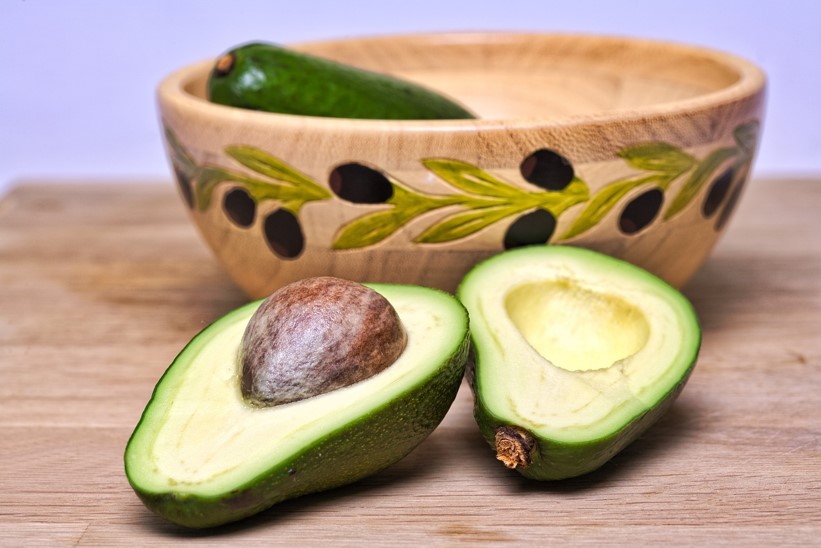
  7. Avocado: Mash avocado and mix with olive oil or coconut oil. Apply this mix during night before going to bed. Do this treatment few times a week.
  8. Yogurt, honey and turmeric: Mix fine turmeric powder, honey and yogurt. Apply this on fingers and hangnails. This is a great skin pack that is great remedy for dry skin.
  9. Aloe vera mix: To 1/2 tsp Aloe vera gel, add ½ tsp castor oil or coconut oil, one vitamin E capsule. Mix well and apply this mix on your nails. Leave it overnight to get clean, soft skin. Repeat this treatment 2-3 times a week.
  10. Take care of cuticle: Do not damage cuticle in fingers. Use proper manicure methods or use petroleum jelly, Vitamin E oil or Aloe vera gel with honey to give a massage. This keeps cuticle intact by protecting it from drying and cracking.

If you have infection in hangnail and pain is unbearable then contact your doctor.

Image credit: https://commons.wikimedia.org/wiki/File:Daumennagel_mit_Nagelhaut_und_Niednagel.jpg

Attribution: Standardizer / CC BY-SA (https://creativecommons.org/licenses/by-sa/3.0)


Author: Sumana Rao | Posted on: October 14, 2020
« »
« »

Recommended for you

Students to learn to end hunger

Students to Learn and Help to End World Hunger

How does a world look like without hunger? It will look like ‘everyone enjoying nutritious meals that they need’. Food banks, charitable organizations or temples cannot get there alone. All these organizations, including Government, need support and help. Hunger Now is a program that is going to teach students about world hunger and how they can help.

No doubt the current pandemic has introduced us to a new challenge, unlike natural disasters, catastrophic events, or war. Coronavirus has not shown any type of description while infecting people around the globe.

The major problem the world is facing is still hunger. Millions of kids are going hungry day by day. The impact of Covid-19 on families has caused devastation. People losing jobs, closing businesses, and farmers having problems with labors, labors trying to return to their natives – all these shows lots of suffering and people going hungry with families. Poverty and struggle to earn money in this pandemic year have been outgrowing in numbers. For people existing amidst famine, poverty, and hunger, life is posing challenges, and day to day life is a huge struggle.

Students around the world can help bring about change by learning and contributing to the “Hunger Now” project!”

Hunger now is a program to find a solution to famine and hunger. Recently, Larry and Jane Levine of KIDS (KidsCanMakeADifference) and their commitment to Finding solutions to the Hunger project added worksheets in KIDS Teacher guide that will expand teaching tools for a global understanding of hunger. KIDS and iEARN partners are publishing teacher guides for educators to teach students about poverty and inequality. These new lessons from KIDS aim to help students around the world understand the root causes of hunger.

This step will help students to understand how they can get involved and participate to help those who need food. As we are aware, schools in many parts of the world either opened or will open sometime soon either in a person or virtually. When students return to classrooms in person or by virtual means, they will learn the best practices that exist and needed to combat hunger and will also include in classroom activities.

According to KIDS, few of the International Organizations are participating in helping students to understand their role and these organization will help to explore the resources of the committed group whose focus on classroom activities and outreach strengthened commitment and inspiring both students and teachers. These International organizations are:

United Nations (UN), World Savvy, Oxfam, Food tank, Global Citizen, and WhyHunger.

In order to act against hunger, these organizations will find ways to collaborate and share efforts to outreach together. By participating in these program students will understand the history of hunger and with help of teachers will be able to bring changes.

As they say, ending hunger requires more than just giving one or two meals. It is important to address the root cause of hunger. The root cause of hunger that is poverty – that is increased this year due to the pandemic. Hunger will continue if the poverty continues. In many countries’ development assistance programs are taking place to reduce poverty and to grow economically. These programs are not only limited to agriculture, but it is also extended to other fields like health, education, environment, governance, and other aspects of human life. Students learning about hunger, poverty, and helping those who need food to sustain for many more years will benefit the community, society, and nation(s).

References:

• https://kidscanmakeadifference.org/

• www. careusa.org

• www.hungercenter.org

• www.endhunger.com

https://foodtank.com/

Image curtesy: Feed My Starving Children (FMSC) https://www.flickr.com/photos/fmsc/16206308111/ (CC by 2.0)


Author: Sumana Rao | Posted on: October 13, 2020
« »
« »

Recommended for you

Eczema enhances food allergy

Eczema enhances food allergy in children

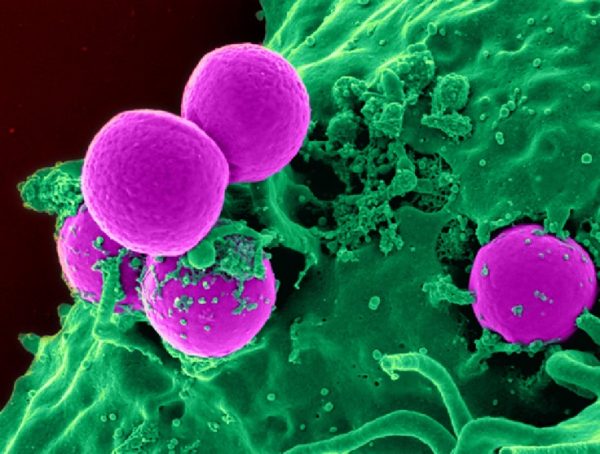
A study cautions parents regarding kids eczema infection that results in severe food allergy and vice versa. A bacterium called Staphylococcus aureus or commonly known as SA bacterium is reason for kids eczema. According to the new study when kids develop severe eczema due to SA it could also lead to severe food allergy!

Eczema enhances food allergies in children – Eczema and food allergies are common in children, with eczema affecting about 20 percent of children and up to 5 percent adults in developing countries. In children symptoms of both conditions develop in the first year and as they grow old, they outgrow these symptoms. However, in about 11 percent people the eczema doesn’t appear until adolescence or adulthood.

An article published in Journal of Allergy and Clinical Immunology revealed that, SA is the bacterium that can be present in the skin and nose of healthy individual.  And, the same bacteria is more common in people who suffer from severe eczema. When kids have allergy, their immune system mistakes certain substances as intruder and overreacts with allergy response. Kids body produces Immunoglobin E or IgE in response to intruder. IgE encounters encounters intruder and releases histamine that cause allergic reaction.

About one third of children with eczema also might have severe food allergies. If the child has food allergies, eczema can also get worse. In young children who suffer from eczema who are infected with SA produce more IgE against certain foods. This include peanut, egg, milk, soy, wheat and other nuts. In these children egg allergy persists at age of 5 or 6 years when compared to children those who does not have SA in their system.  

For this reason, both food allergies and eczema are the atopic march in which the eczema, food allergies often occur together. In addition, what parents also must know that, these conditions have a genetic component that often runs in the families as well.

Common food allergies associated with eczema:

Milk allergy: It is common in children. This is different that lactose intolerance

Eggs: One the most common allergy associated with eczema

Soy allergy: Rash and hives are common when kids take soy product and it also can lead to life threatening anaphylaxis and angioedema.

Wheat allergy: It is not gluten intolerance but it is allergy to wheat itself and can be severe if kids has eczema.

Peanuts: A small quantity of peanut or exposure to peanut environment can be life threatening to kids and cause severe reactions in kids and flairs eczema

If your kids suffer from eczema, avoid food that contain these above ingredients. Apart from these foods, several other foods can enhance eczema in kids – citrus fruits, tomatoes, vanilla and egg plant.  Having an EpiPen can save your kids life in case you don’t know the ingredients when you eat outside with family.

Parents can try eliminating certain foods from kids diet. Before making any such changes contact your pediatrician. If you think your child’s eczema is worsening because of food allergy, talk with doctor. Doctor will suggest, if any testing need to be done to help kids condition to bring control.

References: 

  • https://www.sciencedaily.com
  • https://www.verywellhealth.com
  • www.healthylife.werindia.com
  • https://acaai.org/allergies/
  • Image credit: https://www.needpix.com/photo/download/814389


Author: Sumana Rao | Posted on: October 9, 2020
« »
« »

Recommended for you

Kukkutasana pose

Arm balance pose Kukkutasana Rooster Pose

Kukkutasana is an ancient yoga pose, that has been in yoga practice from thousand years. It is one the advanced yoga pose that require hand strength and focusing.  This pose is also known as rooster pose because the posture looks like cockerel. Another name for the pose is sthambhasana. In ancient texts of yoga, result of performing Kukkutasana is described as ‘ on performance, the matter of earth and water in the body will get reduces and the matter of air and fire will get increased’.

This pose is practiced in Ashtanga yoga practices as a challenging pose for yogis and it offers multiple health benefits.

Kukkutasana Benefits:

  • Strengthens whole body by using biceps, triceps, core, pelvic floor muscles and gluteus.
  • It improves digestion and tones abdominal muscles
  • Helps to focus, brings stability to body and improves balance
  • Promotes self confidence
  • Increases flexibility in legs, arms, hips
  • Helps to stimulate adrenal gland give sense of accomplishment.
  • Brings down stress and improves mood, helps to remain calm
  • Brings awareness to body by acting on central nervous system, keeps body alert and in good health.
  • It creates awareness in Muladhara chakra and brings yogi close to spiritual path that helps to keep mind and body focused on the present.

Women who are pregnant should avoid this posture. People who have pain in shoulders and joints, sciatica pain and lower back pain, osteoporosis must avoid trying this pose.

How to perform Kukkutasana?

  1. Sit in lotus posture. Insert arms in between thighs and calves as close as to knees
  2. Place both palms on floor, fingers pointing forward
  3. Lift your body by pressing palm on floor. Arms should be in straight line
  4. Straighten head and back. Focus on an object that does not move infront of you.
  5. Take three breaths in the pose
  6. To come out from the pose, slowly release the lotus pose, bring bottom on the floor, release both arms.
  7. If you feel comfortable doing the pose, alternate leg in lotus posture and repeat the  pose slowly, steadily by focusing front.

Follow up poses after kukkutasana are:

Image credit:

Kennguru / CC BY-SA (https://creativecommons.org/licenses/by-sa/4.0)


Author: Sumana Rao | Posted on:
« »
« »

Recommended for you

Pumpkin dosa

Pumpkin Dosa recipe

It is pumpkin harvest season, which means it is time to enjoy delicious pumpkin recipes. Pumpkin is nutritious with Vitamin C, A, lutein and zeaxanthin. It is good for eye sight. It helps to fight chronic conditions by boosting immune system. Pumpkin is also suggested for weight loss diets as it is low in calorie.

Pumpkin dosa tastes delicious just like jackfruit dosa or masala dosa.

Ingredients:

  1. Ripened pumpkin –1 – 1.5 cup – grated
  2. Rice – 2 cups
  3. Urad daal- ½ cup
  4. Jaggery powder – 1 Tbsp
  5. Grated coconut – about ½ cup
  6. Salt- as per taste
  7. Ghee

Method:

  1. Wash and soak rice and urad daal for 4 hours.
  2. Wash and remove pumpkin pulp and grate.
  3. Grind rice, Urad daal, grated pumpkin and jaggery together. Add salt and mix well. Transfer batter to a vessel and keep it for fermentation.
  4. After good fermentation, use fermented batter to prepare dosa for breakfast
  5. Place an iron skillet or tava on medium heat and sprinkle little oil evenly on tava.
  6. Once the tava heated, pour a ladle of dosa batter and spread it evenly in circular motion.
  7. Apply oil or ghee and cover it using a lid.
  8. After couple of minutes remove the lid and turn the dosa to cook other side. If needed apply little oil. Let dosa turn yellow to golden brown in color.
  9. Remove pumpkin dosa and serve hot with ghee and coconut chutney.

Image : https://commons.wikimedia.org/wiki/File:Dosa_and_ghee.jpg

Charles Haynes / CC BY-SA (https://creativecommons.org/licenses/by-sa/2.0)


Author: Sumana Rao | Posted on: October 6, 2020
« »
« »

Recommended for you

Immune system changes in older people

Immune system response in older people

Have you ever wondered why elderly and older people get more sick? Why many older people cannot survive with Covid-19 infections? What makes their system so fragile?

As we age our immune system slows down resulting in weakening immune system. The immune system is essential for body’s defense against foreign invaders such as microorganisms like Covid-19 viruses, cancer cells, parasites such as worms and to transplanted organs and tissues. The same defense system that protects our body for longtime changes as we age.

While defending the body, immune system distinguishes self from non-self. It eliminates harmful molecules and foreign invaders from the body. Any molecule that Immune system recognizes are called antigens.

Our skin, cornea and mucosa are body’s first line of defense and these three physical barriers also have active immune function. In case, any molecules breach these systems then our body further triggers two types of immune response called: Innate and acquired.

Innate immune system does not require prior exposure to an antigen to be effective and responds immediately for a foreign invader. Innate immunity recognizes antigens that are broadly distributed in our system. 

Whereas, acquired immunity requires prior exposure to an antigen and takes time to develop after the initial encounter with a new molecular. It remembers past exposure and its response is antigen specific. It contains two components called T and B cells.

In newborns, immune system will not be fully developed. Those antibodies present in newborns are transported from mothers through placenta and through breast milk. The function of the antibodies is to help newborn from infections until the immune system fully develops.

Why elders are more susceptible for infections and diseases?

Low-grade chronic inflammation is linked to many conditions in older age including, diabetes, heart conditions, dementia and cancer. Chronic inflammation plays a major role in certain autoimmune conditions that adults experience as they age. With age, immune system also adapts and changes in different ways that leads to sickness.

  • Immune system will not be able to clearly distinguish between self and foreign antigens. As a result, in elderly people infections and autoimmune disorders becomes common.
  • There are specialized cells that play a role in immune system called macrophages function of which is to ingest microorganisms, cancer cells and foreign antigens. Macrophage activity slows down with age.
  • There will be fewer WBC production and these WBC cannot respond to antigens and defending becomes difficult.
  • Less number of lymphocytes to fight new antigens.
  • T Cells of acquired immune system responds slowly to antigens. The function of T Cells is to encounter and respond to antigens by remembering them.
  • There will be lesser production of antibodies. This results in infections such as pneumonia, flu, tetanus and other serious infections. Sometimes there will be recurrence of herpes or shingles like conditions. These infections could be fatal to older people.
  • Vaccines becomes less effective due to less antibody production capacity.
  • Elderly people with preexisting conditions such as diabetes, heart issues, kidney and liver problem etc. will already have a weakened immune system. This makes it nearly impossible for them to fight deadly infections and diseases.

How to strengthen immune system?

Studies from Harvard University suggests that practicing yoga and meditation and, good diet helps to fight diseases like Covid-19. By following good diet and practicing exercise practice one can protect immune system.

  1. Consume yogurt to maintain healthy gut
  2. Consume enough water
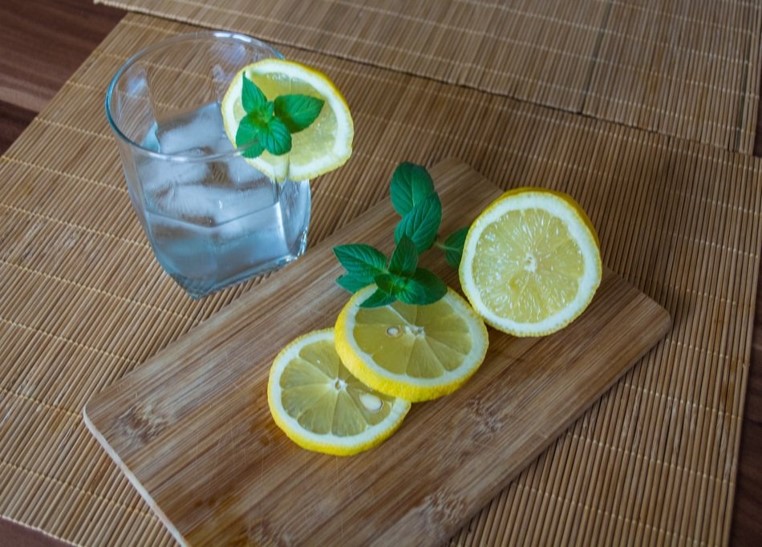
  3. Include citrus fruits to get Vitamin C that helps to prevent developing cold and infections
  4. Include good green vegetables in daily diet like broccoli, spinach, khale, Brussels sprouts, cabbage.
  5. Consume required amount of fiber that your body needs for your age.
  6. To prevent development of infections include barley and oats. Beta glucan in these foods helps to fight flu type of infections.
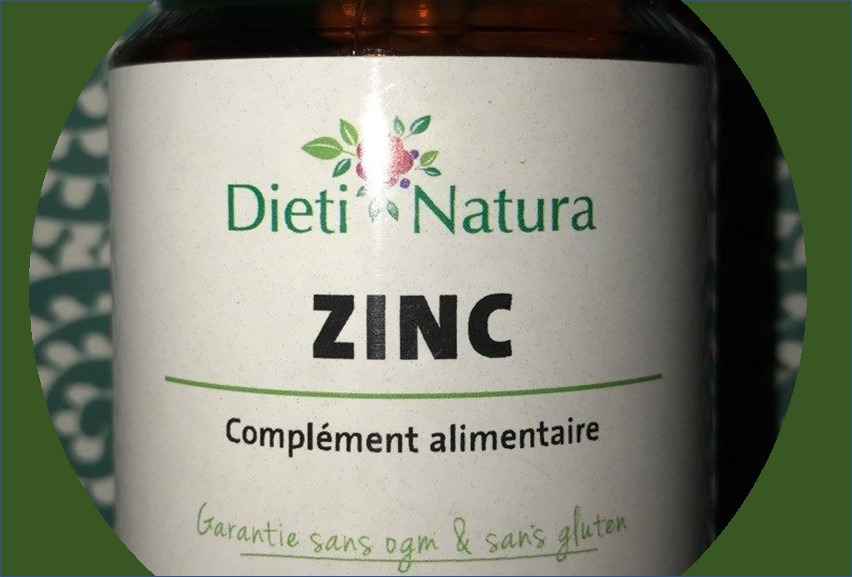
  7. Almonds and dry fruits that supply proteins and vitamin E and fresh fruits with manganese, zinc and potassium helps to maintain the vital essentials of the body.
  8. Get regular vaccines as suggested by your doctor.
  9. Limit intake of alcohol and do not smoke.
  10. Daily exercise must be part of your life. Practice meditation and yoga, Pilates for peaceful mind and body helps to maintain strong immune system.

References:

https://www.medicalnewstoday.com/

https://www.activebeat.com/

https://immunityageing.biomedcentral.com/

https://medlineplus.gov/

Image curtesy: Image by Josep Monter Martinez from Pixabay (Free for commercial use)


Author: Sumana Rao | Posted on:
« »
« »

Recommended for you

Childcare during pandemic

Parental Guide To Childcare Facility Hygiene and Safety During Pandemic

Pandemic lockdown is lifted in many places and daycare facilities are opening. If you are a parent of young child and thinking of dropping off child at the facility then, as a parent you must know how childcare is taking care of hygiene of the facility and safety of children to assure your child’s safety.

Recent reports show that most children suffer from mild or asymptomatic form of Covid-19. However, the number of kids testing positive to Covid-19 increased in recent days. One reason for this, more children are getting tested for coronavirus than earlier. Couple of months back testing was limited to adults, seniors and sick patients. As of early July, fewer than 5% of infections are in children under the age group 15. Children who showed mild symptoms were not tested for Covid-19. These numbers still a fraction of infections.

In most cases children who got sick is due to transmission of disease from an adult within their household. Most day cares/childcare facilities and schools were closed in past several months. Now lockdown and restrictions are removed in many places, parents are heading back or ready to head back to work. Parents who are thinking of dropping off children at the daycare must take necessary precautions.

Make sure your childcare facility is taking action to curtail infections. Before sending child to day care facility check for following safety information.

  1. Implementation of proper social distancing strategies
  2. Good cleaning and disinfection practice is a must
  3. Proper drop off and pick up facility and policy
  4. Implementation of screening procedure upon arrival of children
  5. There should be an adequate ratio of staff to children to ensure the safety and protection of kid.
  6. If there is new child caregiver, then make sure to that the person has enough working experience in childcare.
  7. They must also follow safety procedures – wearing masks for staff members and older children a must. Babies and toddlers- under age two should not be asked to wear masks.
  8. Hand hygiene stations, use of disposable gloves, well maintained and clean toilet and changing facilities must be available for child.
  9. Staff must assist child in hand washing including infants who cannot wash their own hands
  10. Facilities must have scheduled cleaning and disinfecting procedures.
  11. For babies and toddlers – diaper and cloth changing areas must be available. All changed clothes of children must be put in separate bags or washed in washing machines.
  12. Toys and games must be sanitized. All cleaning materials must be stored in secure place. You don’t want your child to encounter chemicals in facility.
  13. Meal service for children in the facility should be handled properly. Check what procedures are involved and how staff will serve meals. It must satisfy you.
  14. Any symptoms of sickness, childcare personnel must notify parents immediately. Before dropping off to and after return from childcare check your child’s temperature.
  15. Check whether facility has your contact number, emergency contacts
  16. If you have a disabled child and need special care, inform the daycare staff what are the requirements.
  17. If your child has underlying or preexisting condition talk to your doctor before approaching childcare facility

If your have an option of working from home, then consider it. You will know your child is protected and safe with you. If you cannot work from home, then before dropping off your child in day care facility give a visit and understand that necessary precautions are in place.

Image credit: Photo by Naomi Shi from Pexels (Free for commercial use)


Author: Sumana Rao | Posted on: October 5, 2020
« »
« »

Recommended for you