
All posts by Sumana Rao

Don't worry about the people in your past; There's a reason they didn't make it to your future.
Kitchen is new castle

Is the kitchen being your newfound castle

Work, study, exercise, and cook at home! During the pandemic, the world has changed in various sense and ways. New rules, new ways, a new world, rebuilding a broken relationship, and new bonding are happening everywhere. So also, a newfound relationship with food happened and happening everywhere! The tiny Covid-19 virus has made people chose the life that they were never used to. Families who are living together due to pandemic are spending quality time during meals.

One of the best ways to stop reducing the pandemic is to stay home, work from home, exercise at home, and cook at home. In the past year during the pandemic one place where people spent more time is the home kitchen. While businesses told employees to work from home, people migrated from cities to small towns and villages. Even though people wanted to eat out, they could not do so for a long time. We can get ready to eat food from a store but that does not last long. We can get food delivered at home, but it could be expensive. Hence home-cooked food and experiment in trying new tastes have become a habit.

Is the kitchen being your newfound castle for many?

To overcome stress, boredom or to make life more interesting, the kitchen has become an “expression” through a newfound passion for cooking and trying newer recipes and, of course, quality meals.

The quick and easy are terms used in many recipes. While working from home, a realization has come to many that cooking cannot happen easily. The word easy is moved first – ahead of quick. It means experiments on easy and quick recipes are happening in most kitchens. An easy recipe that can be completed quickly within 10 to 20 minutes, that involves less panicking, less concentration is becoming popular. Consumers are searching on YouTube videos, recipe blogs, and social media for recipes that save time and the same time have restaurant quality and taste.

Instead of cooking multiple items and making a mess in the kitchen “one pan, one pot” policy has been set in most houses. And this is extending to one bowl and one plate phenomenon in most working days!

Cooking meals at home is also teaching people the value of food and not to waste food. Apart from learning cooking, how to store the food, the way of cooking an ingredient, the efforts it takes to prepare a dish, and the final task of cleaning the kitchen – all these other teachings are happening in the newfound castle kitchen in most consumers house. 

When there is time, like weekends, world cuisine is also appearing on the family dining table! Those who wish to travel and try varieties of foods are trying their hands with various ingredients to cook those foods that they wanted to try all along. Consumers who are missing restaurant foods are willing to taste the food cooked in restaurant style but at home from a family member. This is not only bringing out cooking skills of a person also family gather to cook and taste the food. This is newfound joy and entertainment in many people life. Discussion about ingredients, calories, health aspects of the food they are trying is giving more insights into food that they should be consuming to avoid unhealthy choices and for a better healthy life.

Image credit: https://pxhere.com/en/photo/1626697 (cc by 0)


Author: Sumana Rao | Posted on: February 2, 2021
« »
« »

Recommended for you

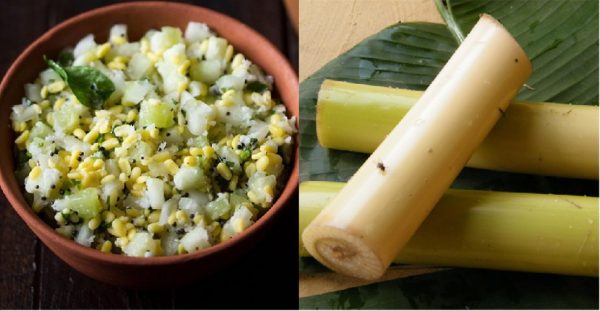
Banana stem salad

Healthy Banana Stem Salad Recipe

Feel like detoxifying your body? Want to improve your digestion? Then include banana stem in your diet. It helps to flush out toxins as well as helps to reduce weight! Banana stem gives several health benefits including in treatment of UTI, removal kidney stones, reduces blood pressure, cholesterol, gastric problem.

Banana stem like its fruits is rich in potassium and vitamin B. Cooked or eaten raw (like today’s recipe) the fiber content of banana stem is good for health. There are many other varieties of dishes one can prepare using banana stem – banana stem salad, fritters, sambar, varieties of curries, juice to name a few!

Learn how to make banana stem salad using simple ingredients. Cutting banana stem to small pieces is key for this salad recipe.

Ingredients:

  1. Small cut banana stem -1.5 cups
  2. Soaked moong dal – 2 Tbsp
  3. Chenna dal- 2 tsp
  4. Grated carrot -1/4 cup (optional)
  5. Chopped cilantro- ¼ cup
  6. Grated coconut – 2 Tbsp
  7. Curry leaves – Few
  8. Grated ginger – ¼ tsp
  9. Mustard  seeds -1/4 tsp
  10. Cumin -1 tsp
  11. Urad dal – 1 tsp
  12. Asafetida – a pinch
  13. Salt – as per taste
  14. Lime juice
  15. Oil for seasoning

Preparation:


  1. Apply little oil on both palms and remove out layer of banana stem. This to avoid blackening of palms. Transfer the inner portion of the stem to water.
  2.  Cut inner tender portion of banana stem into very small pieces and transfer into fresh water. Add little lime juice and cover the lid. This will soften the banana stem. Leave it for 10 to 15 mins.
  3. Grate carrot, slit green chillies, chop cilantro
  4. In a pan, get ready with seasoning using cumin, mustard, urad dal, curry leaves, green chilies, grated ginger and asafetida.
  5. Drain water from cut banana stem. Make sure there is no water left. Add soaked moong dal, grated carrot, chopped cilantro and salt. Mix well.
  6. Add seasoning to the banana stem salad and mix well. Before serving add lemon juice and serve.

Image credit: Salad image: https://krvcaterers.com/sides/ ( Balepet, Bangalore: visit for side dishes and food)

Banana stem: https://commons.wikimedia.org/wiki/File:Posola.jpg, Footage at English Wikipedia, CC BY-SA 3.0 <https://creativecommons.org/licenses/by-sa/3.0>, via Wikimedia Commons


Author: Sumana Rao | Posted on: January 28, 2021
« »
« »

Recommended for you

Mold and mycotoxins

Impact of Mold and Mycotoxins on Health

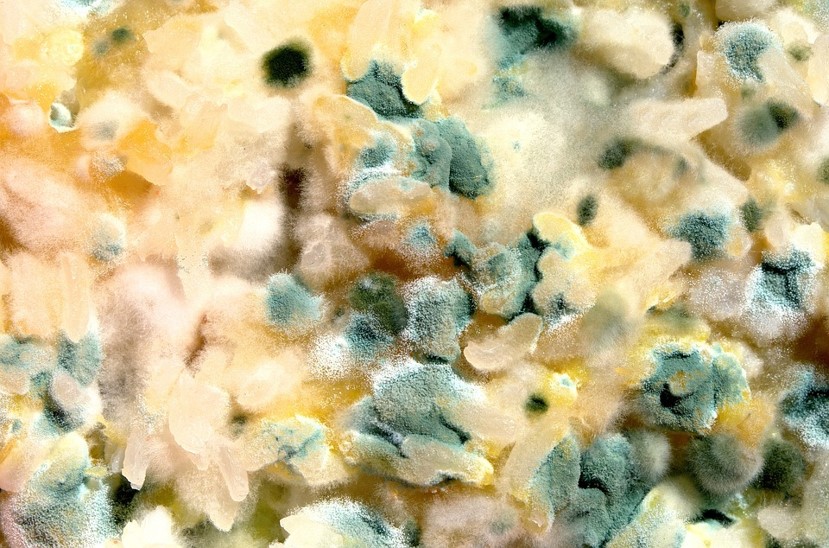
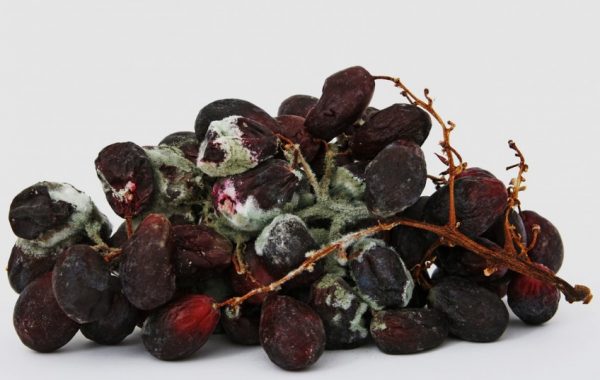
Often, we observe growth of molds on the food that we eat. Molds can grow on fruits, bread, cereals, old food, spices, nuts under warm and humid conditions. Molds are nothing but fungi and these molds produce and secrete toxic chemicals, if consumed can result in adverse health conditions and could be a serious threat.

The threat could be both for humans as wells as for livestock. Consuming mold infected food can result in weakening of immune system and weak immune system means, our body will succumbed to different health conditions including cancer.

To monitor the mycotoxins, World Health Organization WHO jointly with FAO  – Food and Agriculture organization of United Nations convened JECFA organization. Based on JECFA’s assessment, international standards and codes of practice to limit exposure to mycotoxins from several foods that are established by the Codex Alimentarius Commission.

In most countries there are strict rules and legislative limits are set for all most all the mycotoxins that are present in many food and feed stuffs to protect both humans and animals.

References:

Types of common mycotoxins : Read more

Types of mycotoxins

What are the concerns and effect of Mycotoxins? : Read more

Effect of mycotoxins

Aflatoxins Mycotoxin: Read more

Aflatoxins Mycotoxin

Ochratoxin A Mycotoxin : Read more

Ochratoxin A

Patulin Mycotoxin: Read more

Patulin mycotoxin

Mycotoxins produced by Fusarium: Read more

Fusarium mycotoxin

Ergot alkaloids Mycotoxins : Read more

Ergot alkaloids

Author: Sumana Rao | Posted on: January 25, 2021
« »
« »

Recommended for you

Types of mycotoxins

Types of common mycotoxins

Molds can produce mycotoxins that are chemically stable toxins either before harvest or after harvest of crop, during storage, in or on the food itself often under warm, damp and humid conditions. Most mycotoxins survive food processing and are chemically stable. Hot, humid climate and temperate zones are favorable environment for mold growth.

Exposure to mycotoxins generally happens by direct consumption of infected food or indirectly from animals that are fed with mold infected food.

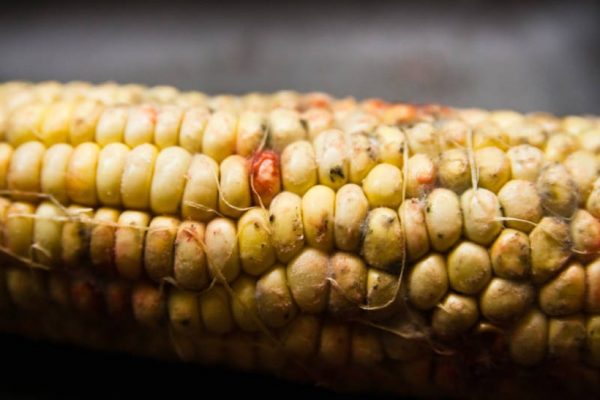
There are many types of mycotoxins are present in fungi world. The most commonly present and observed mycotoxins that are harmful upon consumption for both humans and livestocks are: Aflatoxins, Ochratoxin A, Patulin, Fumonisins, Zearalenone, Nivalenol Ordeoxynivalenol, Tremorgenic toxins, and Ergot alkaloids.

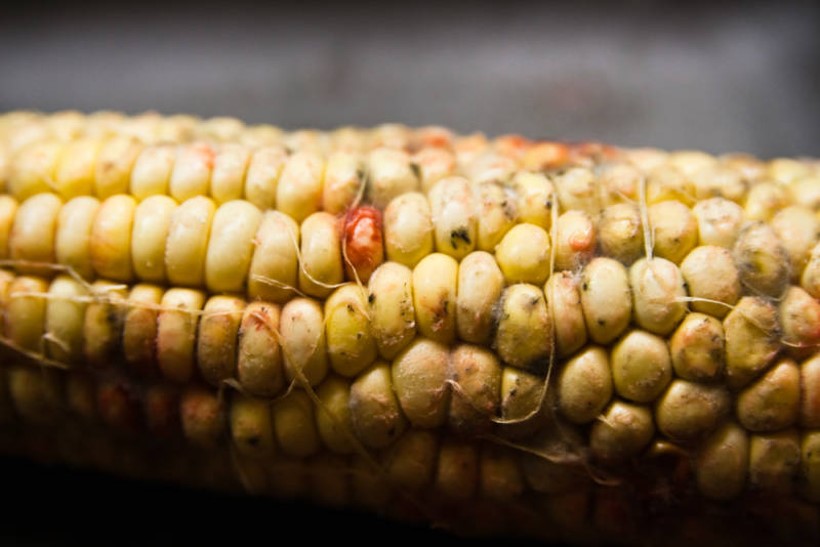
Image credit: a Moldy Ear of Corn Vegetable by Steven Depolo/Flickr (CC BY 2.0)


Author: Sumana Rao | Posted on:
« »
« »

Recommended for you

Aflatoxins Mycotoxin

Aflatoxins Mycotoxin

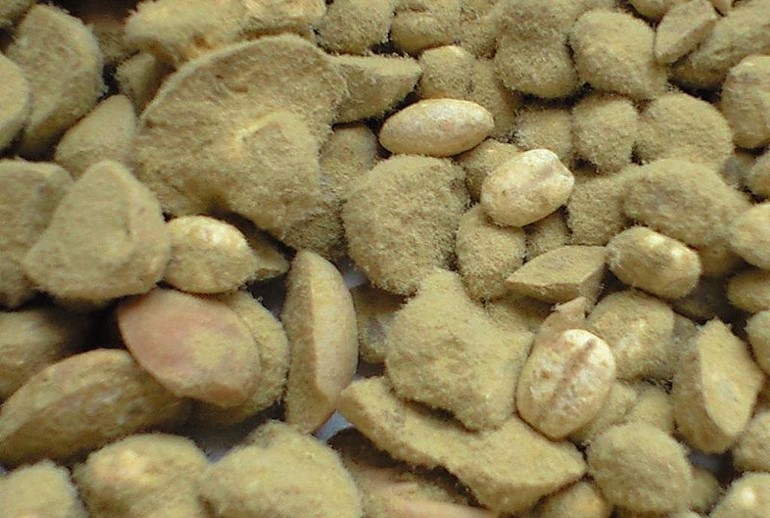
Aflatoxins (AF) are most poisonous toxins. These are produced by specific fungi called Aspergillus. Two species of Asptergillus A. flavus and A. prasiticus that grow in soil , hay, grains, decaying matters are responsible for aflatoxin production. Types of aflatoxins are: B1, B2, G1, M1 and G2. Aflatoxin B1 is considered the most toxic aflatoxin as it metabolizes in liver and produces secondary toxins!

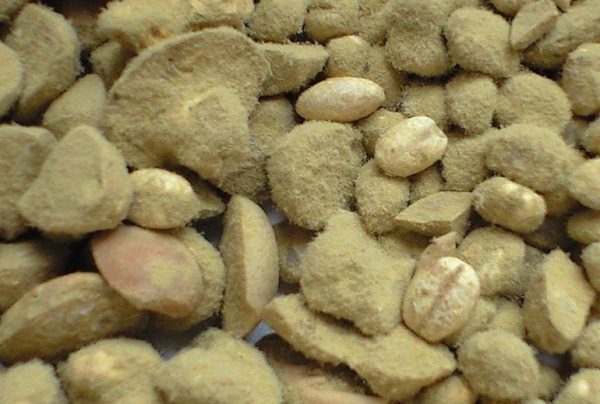
Aspergillus produce aflatoxin in soybean, sunflower, cotton seeds, peanut – all oil seeds.

In crops – paddy, sorgum, corn and wheat

Tree nuts – almond, walnut, pistachio and even in coconut!

These toxins can be present in milk and dairy products. When the dairy animals are fed with Aspergillus infected feed, toxin called Aflatoxin M1 can transfer to milk and other dairy products.  Impact of aflatoxin: Consumption of aflatoxin could be life threatening; it could damage liver. These toxins can damage DNA and can cause cancer. Impaired blood coagulation, immunosuppression are other serious threats.  Evidences suggest that aflatoxin can cause liver cancer in humans. Mild symptoms of aflatoxin poisoning include – nausea, headache, rashes.

Image credit:

https://commons.wikimedia.org/wiki/File:Shoyukoji.jpg

ウェルワィ, CC BY-SA 3.0 <https://creativecommons.org/licenses/by-sa/3.0>, via Wikimedia Commons


Author: Sumana Rao | Posted on:
« »
« »

Recommended for you

Ochratoxin A

Ochratoxin A Mycotoxin

Ochratoxin A (OTA)  is produced by species of Penicillum and Aspergillus –  Aspergillus ochraceus, A. carbonarius, A. niger and Penicillium verrucosum.

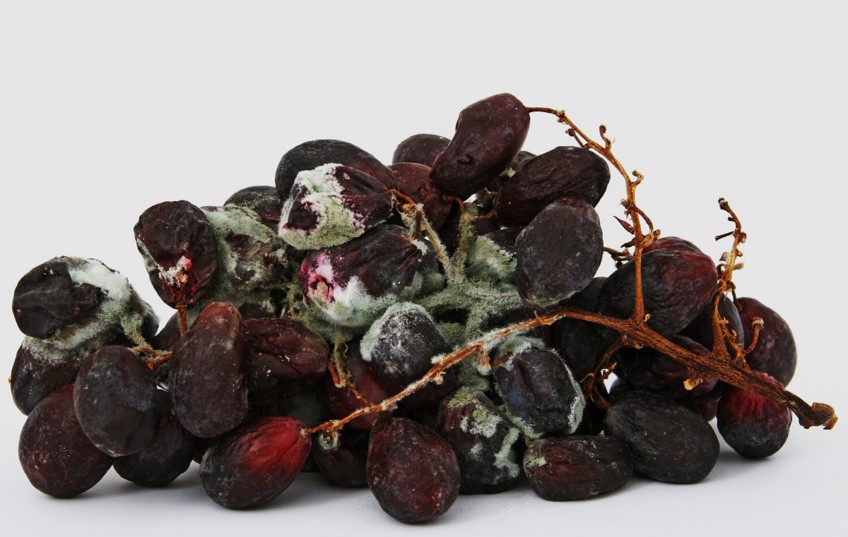
These are most common food contaminating molds and produce Ochratoxin.  These mycotoxins can be present in cereals, cereal products, dry fruits, coffee beans, tomatoes, mangoes, strawberry, melons etc. Ochratoxin is also can be noticeable in wine, grapes, spices and liquorice.

These molds contamination generally happens as a result of poor storage of food commodities and suboptimal agricultural practices especially during the drying of foods.

The common symptoms of ochratoxin poisoning include: Kidney damage, immune suppression and in pregnant women can interfere in fetal development. Different studies have linked OTA exposure with the human diseases Balkan endemic nephropathy (BEN) and chronic interstitial nephropathy (CIN), as well as kidney diseases.

Image credit: https://pxhere.com/en/photo/1048596 (cc by 0)


Author: Sumana Rao | Posted on:
« »
« »

Recommended for you

Patulin mycotoxin

Patulin Mycotoxin

Patulin is produced by variety of molds including Aspergillus, Penicillium, Paecilomyces  and Byssochlamys.

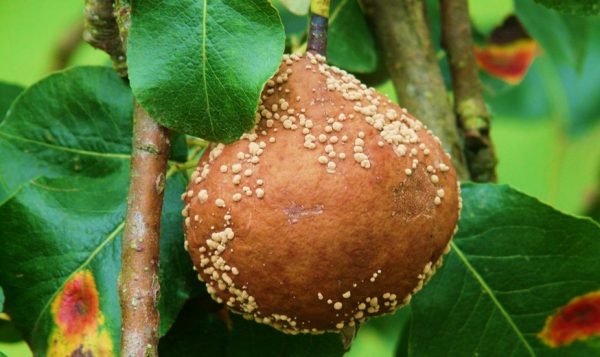
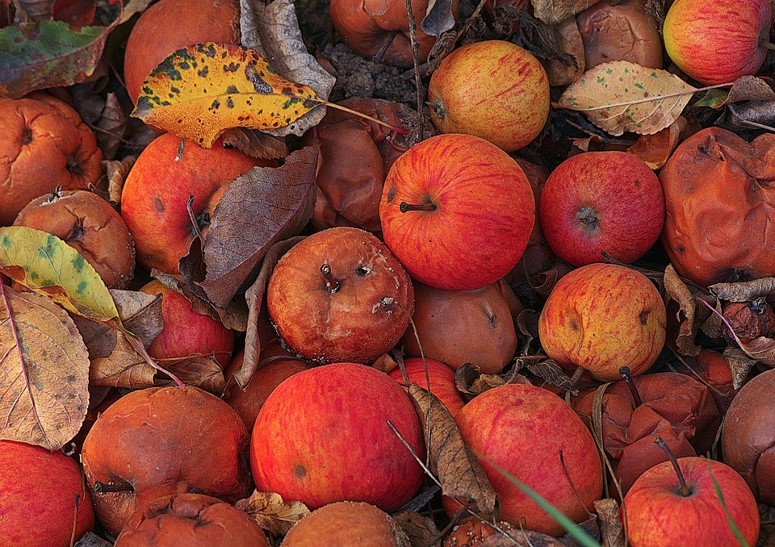
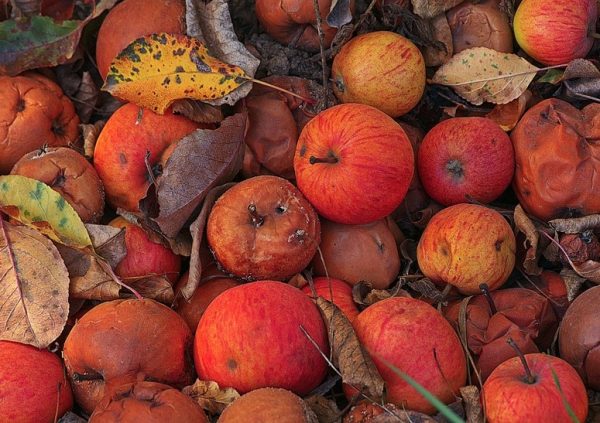
These molds produce patulin most commonly in apple and apple products. Rotting apples and apple products are source of patulin poison.  Patulin poisoning can also occur in various moldy fruits, grains and other foods.

Exposure to Patulin mycotoxin could results in liver damage, neurological disorder functioning, spleen and kidney damage and toxicity to the immune system. For humans, nausea, gastrointestinal trouble and vomiting are other symptoms.

Assessment of risks to humans has led many countries to regulate the patulin amount in food.

Image credit: Image by Wolfgang Eckert from Pixabay  (CC by 0)


Author: Sumana Rao | Posted on:
« »
« »

Recommended for you

Fusarium mycotoxin

Mycotoxins produced by Fusarium

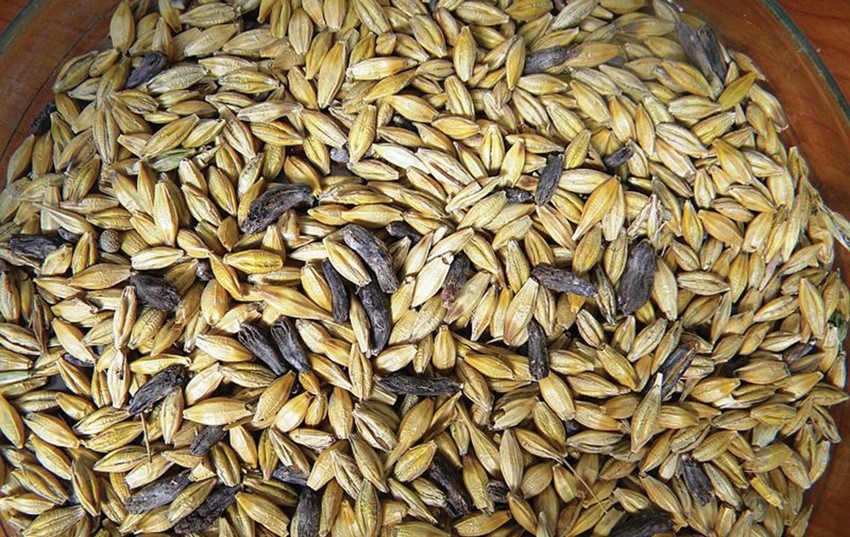
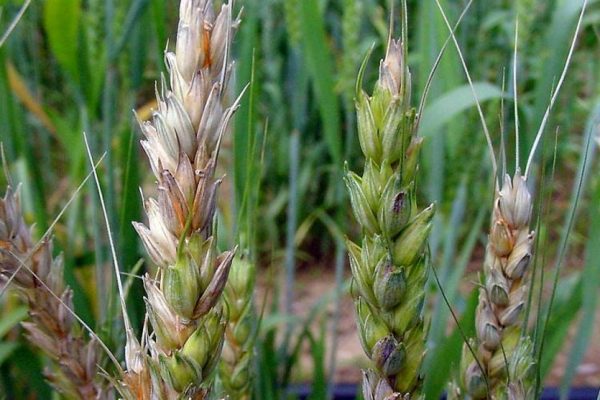
Fusarium fungi produces different types of mycotoxins. The common toxins include trichothecenes namely Deoxynivalenol (DON) ), nivalenol (NIV) and T-2 and HT-2 toxins, as well as zearalenone (ZEN) and fumonisins.

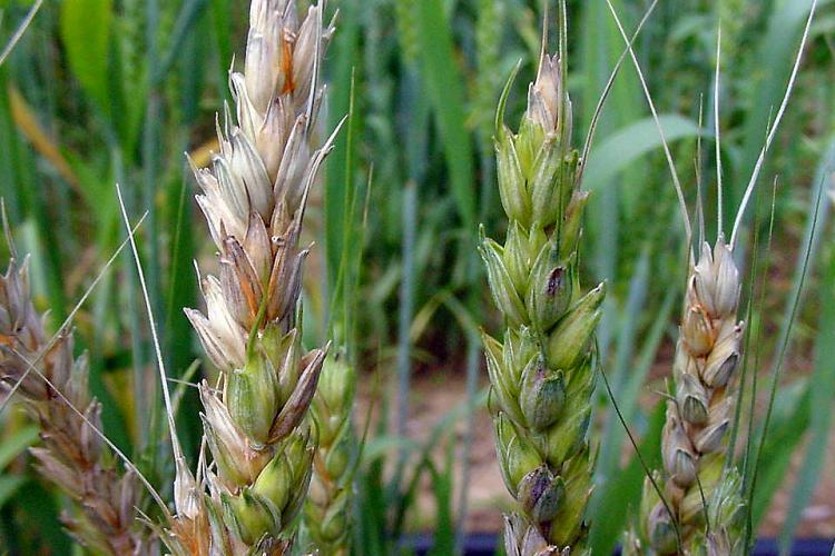
Depending on type of foods for examples variety of cereal crops, species of Fusarium produce different types of toxins. Both Deoxynivalenol and zearalenone are  produces in wheat. Toxins HT-2 and T-2 are produces in oats, in maize it is fumonisins.

Fusarium toxins can cause severe symptoms in humans. This include severe and rapid skin irritation, intestinal mucosa followed by diarrhea. Suppression of immune system, infertility risk, cancer, kidney and liver damage can happen at certain level.

Image credit: Thanks to Kentucky University https://news.ca.uky.edu/sites/news.ca.uky.edu/files/


Author: Sumana Rao | Posted on:
« »
« »

Recommended for you