All posts by Sumana Rao

Don't worry about the people in your past; There's a reason they didn't make it to your future.
Negative body image and social media

Focusing on oneself negative body image

Some people go on Instagram post selfies and post stories about what is happening in their life  almost every day. These also have a habit of comparing themselves to others. The more time they spend on thinking and reading about what others saying or commenting, more you try to impress people. Spending more time on these platforms than with real friends could lead to breakup in relationship. Staying away from the media for few hours will cause anxiety and anger because there will be a constant thought of others having more fun than me by participating on social media accounts.

It just does not stop there. Those who constantly post about themselves and investigate others response, will unfavorably compare themselves with others. Constantly taking selfies and posting it on social accounts to see what others say and comparing with posts by others will cause tension and anxiety  If there are less likes, few comments, it could lead to negative body image and result in low self-esteem.  To improve body image, one might end up in  eating disorders which  is a result of mental stress.

Image credit: Photo by Josh Rose on Unsplash (Free for commercial use)


Author: Sumana Rao | Posted on: October 12, 2022
« »
« »

Recommended for you

Cyberbullying and social media issue

Cyberbullying and mental health issues

Cyberbullying is what could cause more damage in one’s life. We don’t have much control on what others say about us in real life, then how can we control what others write or post on us on social media? Because most teens and young adults have smartphone access anytime one can experience bullying by virtual means.

When someone repeatedly picks on, harasses, intimidates, humiliates at any time of the day or night one will feel like defending oneself. Sometimes the cyberbullying is anonymous, and one cannot do anything, feeling helpless. Kids or adults who go through cyberbullying will avoid talking to family and friends, will be withdrawn at school and home. These individuals will not be able to concentrate, have no sleep, feel angry, depressed, might start using drugs, say meaningless things, false smile and often talk about suicide. These are mental health issues that come up due to cyberbullying.

Image credit: Photo by James Sutton on Unsplash (free for commercial use)


Author: Sumana Rao | Posted on:
« »
« »

Recommended for you

Behavioral changes and social media

Behavioral changes and mental challenges

To get more likes, followers and comments a person can constantly be on social media. 

To be in limelight on social media, one can engage in risky behavior. To gain more shares, likes, smiley face, heart, share and care – one can post unrealistic things, could play dangerous pranks, could put others down, posting embarrassing things, being mean to others, cyberbullying peers and picking on weak personalities. Other behavioral change could be rash driving, making video while driving or in spots which could be a risk to one’s life and put life in risk in unsafe situation – all just prove how great I am and to get more likes.

Such behavioral change is also mental illness. It increases anger, causes depression, anxiety, makes a person unhappy and mood out. It does not allow an individual to grow as a normal person. Everything a person do is to gain popularity and it limits inner growth.

Image credit: Photo by Christian Erfurt on Unsplash (Free for commercial use)


Author: Sumana Rao | Posted on:
« »
« »

Recommended for you

Communication issue & sleep disorder

Sleep disorder and communication problem

Sleep disorder and mental strain:

Those who spend time on social media before going to be, while on bed and even waking up to see what is happening obviously get less sleep.  Light from the devices disrupt sleep and will have serious impact on mental health.

Those who are already suffering from mental health issues might suffer more and the condition could further worsen. Instead of boosting the mood, lack of sleep could increase depression, anxiety, stress and even can elevate negative feelings. After using social media for longer hours, one could also feel lonely and depressed.

Sleep deprivation could lead to dementia and early memory loss.

Social interaction and communication problems:

Those who visit social media platform (other than work related) might use social media a security blanket. Many use social media while sitting in a group, with family over dinner or gathering or when with friends to avoid interaction.

Using social media as a security blanket to avoid interacting with others will cause and increase the problem of communication. To avoid feeling awkward, anxious, lonely and to avoid talking people will investigate posts constantly. Such negative interaction denies one’s development, decreases communication skills and reduces self- esteem. Not trying to mingle with others could have huge negative impact on a person’s life. Before noticing and acting on it, one could be already withdrawn from surroundings, feel isolated and lonely. They may feel unhappy and unwanted causing severe depression.

Image credit: Photo by Antenna on Unsplash (free for commercial use)


Author: Sumana Rao | Posted on:
« »
« »

Recommended for you

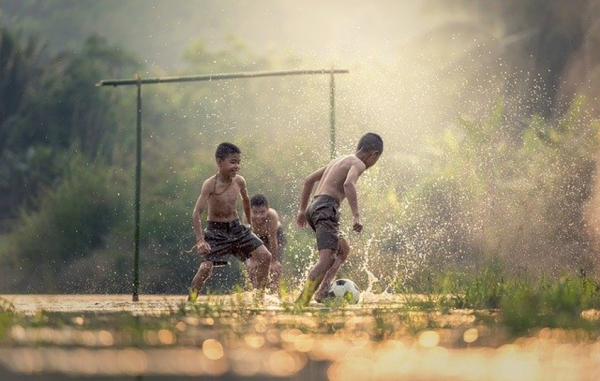
Children playing in mud

Let your children play outside in dirt

Dirt is a prescription for health and happiness. Allow your child play outside in garden and dirt. Don’t worry about child’s clothes getting dirty. There are many positive benefits a child gets while playing outside in yard.  Playing outside is important for children’s growth and development.

According to epidemiologist David Srachan, children raised in clean environments , who are exposed to very little to outer microbial environment that are generally found in soil and mud are more likely to develop allergies. Children who are raised in farms are significantly less likely to develop allergies as compared to those who are raised not in green environment and exposed to dirt.

Dirt is good for your child. Here are reasons you should allow your child to play outside.

Children who don’t spend time outside run the risk of serious health issues, such as obesity (CDC, 2008), myopia (Reuters, 2009), and vitamin D deficiency (AAP, 2009). The good news is that outdoor activities kids love, like running, jumping, climbing, playing games with friends, and taking nature walks are a great strategy for keeping children healthy (NWF)

For stronger immune system: Do you know there are good microbes outside in dirt? Studies show that children who play in dirt will have good intestinal microbiota. Visiting garden and greenery in general helps their intestine to have gut friendly microbes. It helps their immune system. When kids play outside in yard, gravel and garden their immune system boosts and their T-cells increases! This means, their system is stronger to fight diseases!

Exposure to Vitamin D: Vitamin D gives many health benefits. Playing outside means exposure to Sunrays and vitamin D. Vitamin D is essential for bones and to protect the system. Not getting enough Sun exposure is unhealthy for both children and adults.

Lower level of stress: Kids when play outside in yard or greenery, it is fun for them as there is no structured playtime. It is just like adults going for hiking or walks in park. Playing outside will improve their mental health, removes worries and stress. Their performance in school and studies takes positive turn. A study from American Journal of Public Health reported that symptoms of ADHD lessened in children who played in greenery!

Socializing and happiness: Playing outside with other children improves socializing skills of child. They will make friends, look forward to play and this brings happiness and you will notice the smile on your child’s face.

Helps to be active: Instead of spending time on TV, smart phone and video games playing in dirt helps them to be physically active. Running, playing, crawling, jumping – all these activities are essential for the body development.

Allow your child to play in mud, dig trenches, build something out of clay, pick up dirt, leaves etc. This is natural play that improves health. Make it a habit of taking and allowing child to exposed to dirt for better health and development of child.

References:

https://www.nwf.org/

https://www.parentmap.com/

https://www.sciencealert.com/daycares

Image credit: Image by Sasin Tipchai from Pixabay  (CC by 0)


Author: Sumana Rao | Posted on: October 11, 2022
« »
« »

Recommended for you

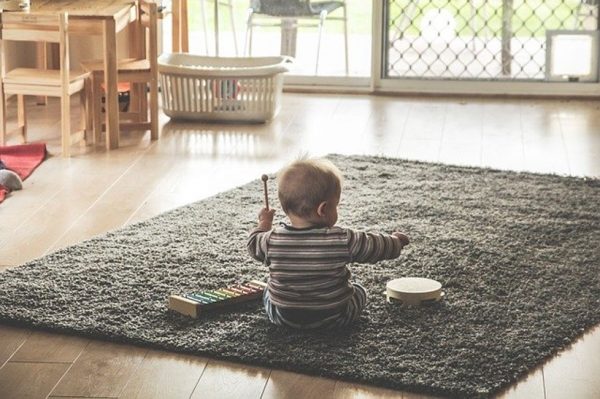
Music therapy

Music Therapy for Autistic Children

Music is one of the best way of communication. It brings people together.  Beyond the boundaries world is united under various types of music. It is a “universal language” that crosses all cultural lines. Music is a basic human response, spanning all degrees of ability/disability. Music holds universal appeal. It provides a bridge in a non-threatening setting between people and/or between individuals and their environment, facilitating relationships, learning, self-expression, and communication. Music captures and helps maintain attention. It is highly motivating and may be used as a natural “reinforce” for desired responses.

Music is a complex amalgam of melody, harmony, rhythm, timbre and silence in a particular (intended) structure.

What is Music Therapy?

Children show curiosity towards instruments and sound. They like rhythmic beatings and singing. This behavior of children has been in use in treating children who have difficulty in communication and who has autism. Music Therapy is the clinical and evidence-based use of music interventions to accomplish Individualized goals within a therapeutic relationship by a credentialed professional who has completed an approved music therapy program. It is a well-established allied health profession that uses music therapeutically to address behavioral, social, psychological, communicative, physical, sensory motor, and/or cognitive functioning. Because music therapy is a powerful and non-threatening medium, unique outcomes are possible.

The treatment includes the use of behavioral, biomedical, developmental, educational, humanistic, adaptive music instruction, and/or other models. Music therapy enhances one’s quality of life, involving relationships between a qualified music therapist and individual; between one individual and another; between the individual and his/her family; and between the music and the participants. These relationships are structured and adapted through the elements of music to create a positive environment and set the occasion for successful growth.

Why Music Therapy?

Music therapy may address several needs simultaneously in a positive and exciting medium: it may provide pleasurable learning that promotes success. Furthermore, music therapy can greatly enhance the quality of life of the young child and his/her family. Music is often the first thing to which a child relates.. Music occurs naturally in our environment in many settings and is a socially appropriate activity and leisure skill. Music provides a predictable time-oriented and reality-oriented structure while offering opportunities for participation atone’s own level of functioning and ability. Not only may music activities be opportunities for a child to “shine,” but they may also be used to reinforce non-musical goals. Most people, especially children, enjoy music – therefore, music therapy can be the therapy that reinforces all other therapies.

How Does Music Therapy works?

Music therapy enhances the quality of life. It involves relationships between a qualified therapist and child; between one child and another; between child and family; and between the music and the participants. These relationships are structured and adapted through the elements of music to create a positive environment and set the occasion for successful growth.

How Does Music Therapy Make a Difference with Young Children?

Through music, children take an inner experience and move it into a shared creative experience. Group music releases energy which can be channeled in creative, productive directions. Children learn about themselves and others by playing music together and by listening to each other. Music is perfectly designed for training children’s listening skills. Good listening skills and school achievement go hand in hand. The literature reports that most individuals with ASD respond positively to music. Children with ASD often show a heightened interest and response to music, making it an excellent therapeutic tool for working with them.

The development and the remediation of speech of an autistic child are carried out by music therapy. The communication deficit that is observed in autistic children may include expressive speech which may be impersonal or nonexistent. Speech can range from complete silence to grunts, humming, cries, explosive shrieks as well as guttural sounds.

Musically intoned vocalizations along with consonant-vowel combinations may be used and this is a classy mix of babbling words that are  recognized vaguely. This may also seem like a foreign sound that is new to a child.

  • Music stimulates all of the senses and involves the child at many levels. This “multimodal approach” facilitates many developmental skills.
  • Quality learning and maximum participation occur when children are permitted to experience the joy of play. The medium of music therapy allows this play to occur naturally and frequently.
  • Music is highly motivating, yet it can also have a calming and relaxing effect. Enjoyable music activities are designed to be success-oriented and make children feel better about themselves.
  • Music therapy can help a child manage pain and stressful situations.
  • Music can encourage socialization, self-expression, communication, and motor development.
  • Because the brain processes music in both hemispheres, music can stimulate cognitive functioning and may be used for remediation of some speech/language skills.

References:

  • http://www.musikgarten.org/
  • http://www.musictherapy.org/
  • http://www.coastmusictherapy.com/free-resources/
  • http://www.therhythmtree.com/
  • Image credit: Image by thedanw from Pixabay (Free for commercial use)

Author: Sumana Rao | Posted on:
« »
« »

Recommended for you