
All posts by Sumana Rao

Don't worry about the people in your past; There's a reason they didn't make it to your future.
Keep Vagus Nerve Happy And Healthy For Better Mental And Physical Health

Keep Vagus Nerve Happy And Healthy For Better Mental And Physical Health

The vagus nerve is one of the most important nerves in the human body because it serves as a key communicator between the brain and various organs. Vagus nerve is the longest nerve that starts from the brain and ends in colon. Its proper functioning is essential for maintaining physical and emotional health.


Importance of Vagus nerve:


Connects the brain and body: The vagus nerve is the primary component of the parasympathetic nervous system (PNS), often called the “rest and digest” system. It connects the brainstem to vital organs, including the heart, lungs, digestive tract, liver, and kidneys, regulating their functions.


Helps managing stress: The vagus nerve plays a critical role in counteracting the “fight or flight” response of the sympathetic nervous system. Activating the vagus nerve helps the body relax, lowers stress hormones (like cortisol), and restores balance.


Regulates the heart and breathing: It helps slow down the heart rate and regulate blood pressure, ensuring cardiovascular health. The vagus nerve is involved in calming breathing patterns, especially during stress or physical activity.


Image credit: Anatomy, Head and Neck: Anterior Vagus Nerve (CC BY-NC-ND 4.0) ( http://creativecommons.org/licenses/by-nc-nd/4.0/ )

References:


Digestion, Healthy Gut And Anti Inflammatory Action of Vagus Nerve

 

Digestion, Healthy Gut And Anti Inflammatory Action of Vagus Nerve


Emotional Well Being, Organ Health And Healing Influenced By Vagus Nerve

 

Emotional Well Being, Organ Health And Healing Influenced By Vagus Nerve


What is Vagal Tone And Factors Influencing Vagal Tone

What is Vagal Tone And Factors Influencing Vagal Tone

 

Ways To Stimulate Vagus Nerve


Ways To Stimulate Vagus Nerve


Gargling, Meditation And Yoga Activates Vagus Nerve

 

Gargling, Meditation And Yoga Activates Vagus Nerve


Laughter, Massage And Guided Imagery Exercises Helps Vagus Nerve

 

Laughter, Massage And Guided Imagery Exercises Helps Vagus Nerve


Eating Gut Friendly Food Supports Vagus Nerve
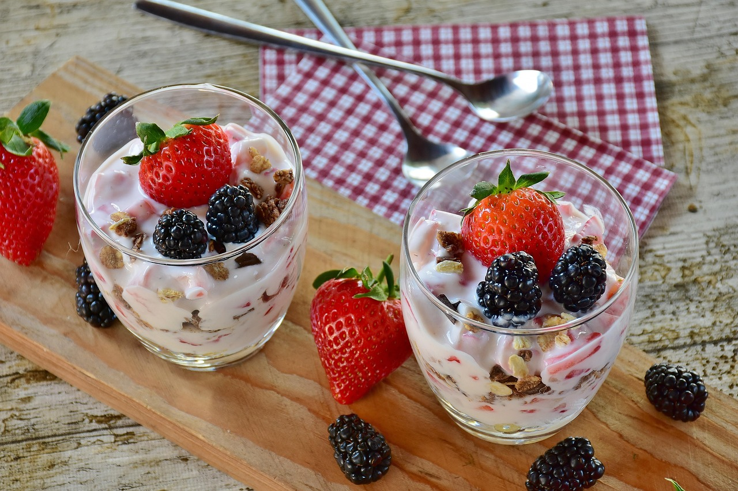
 

Eating Gut Friendly Food Supports Vagus Nerve


Author: Sumana Rao | Posted on: May 30, 2025
« »
« »

Recommended for you

Clove home remedies

Ways To Use Clove In Home Remedies

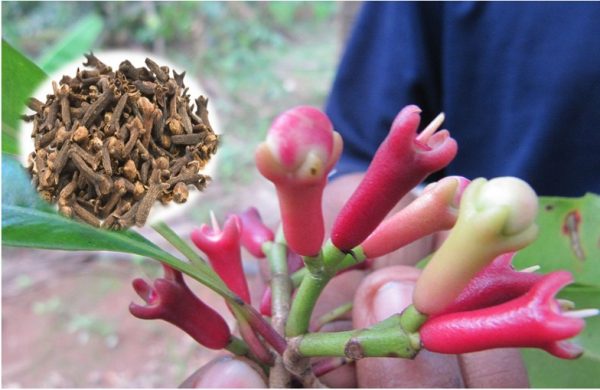
Clove is a powerful spice widely used in Indian home remedies for its antibacterial, antifungal, anti-inflammatory, and analgesic properties. Do you know it belongs to the same family as Guava and Eucalyptus! Clove is a fragrant spice commonly used in culinary, medicinal, and therapeutic practices. It comes from the flower buds of the clove tree and is rich in bioactive compounds that contribute to its powerful health effects.

What makes clove unique in-home remedies? Different chemical compounds present in clove exhibit various curing properties.

  1. Eugenol: Primary active compound (~70–85% of clove oil). Anti-inflammatory, analgesic, antiseptic, antioxidant, and antimicrobial.
  2. Beta-caryophyllene: Anti-inflammatory and may interact with cannabinoid receptors (known as CB2).
  3. Tannins: Astringent and antimicrobial; contribute to digestive support.
  4. Flavonoids: Like kaempferol, quercetin are present in clove responsible for its antioxidant and anti-inflammatory properties.
  5. Saponins: Immune-boosting and cholesterol-lowering potential.
  6. Triterpenoids: Preliminary studies show that clove is also an anti-cancer agent and helps in boosting liver function.

1. Clove for toothache: The main active compound in clove – Eugenol is a natural anesthetic and antiseptic.

  • You can keep one clove on affected tooth and bite it slow and gently. Or crush a clove and put it in cotton and place it in affected tooth.
  • Alternatively, apply clove oil (diluted with a carrier oil like coconut oil) directly to the aching area.

2. Clove for cold and cough: Clove helps in relieving throat irritation, acts as an expectorant, and has antimicrobial properties.

  • Dry roast 2–3 cloves and crush them. Mix with a spoon of honey and take it before bedtime.
  • Or boil cloves in water with a pinch of turmeric and drink when it is warm.

3. Clove for bad breath (halitosis): Clove kills odor-causing bacteria and freshens breath.

  • Chew 1–2 cloves after meals or use clove-infused water as a natural mouthwash.

4. Clove for respiratory relief (asthma, bronchitis): For those who suffer from asthma or bronchitis clove acts as a natural decongestant and has bronchodilator effects.

  • Boil cloves with few Tulsi leaves (holy basil), ginger, and black pepper to make an herbal tea.

5. Clove for indigestion and bloating: Reason is, Clove stimulates digestive enzymes and helps reduce gas.

  • Mix clove powder with a little honey and take it after meals.
  • Or add few cloves while brewing herbal teas like cumin-coriander-fennel tea.

6. Clove for fever: Do you know clove helps reduce inflammation and boosts immunity?

  • Mix clove powder with honey and black pepper. Take it twice daily during mild fever or viral infections.

7. Clove for skin infections and acne: Clove is antibacterial and helps reduce inflammation.

  • Apply a paste of clove powder and honey to pimples.
  • Dilute Clove oil with coconut or other carrier oil (1 drop clove oil and 10 drops of carrier oil) can also be dabbed on acne spots.

Precautions:

  • Always dilute clove oil before using it on skin or gums. And
  • Avoid overuse, especially in children or during pregnancy.
  • Consult a healthcare professional for persistent or serious conditions.

Image credit:

  • Image by abuyotam from Pixabay (Dry cloves: Free to use under Pixabay content license)
  • AmonHeijne, CC BY-SA 3.0 <https://creativecommons.org/licenses/by-sa/3.0>, via Wikimedia Commons (clove flower buds)

Author: Sumana Rao | Posted on: May 29, 2025
« »
« »

Recommended for you

Covid Variant J1

Return Of Covid-19? Resurgence of Covid-19 Variant JN.1 Is Reported In Many Countries

According to WHO and CDC and other health reports, there is a resurgence of Covid-19 also known as Coronavirus, mainly in Asian countries. The JN.1 variant informally referred as J1 is a subvariant of the Omicron lineage of the COVID-19 virus (SARS-CoV-2).

Apart from Singapore, Thailand, China and Hong Kong – India also reported 257 active Covid-19 cases with Kerala state reported most number of cases. According to reports, so far the patients are exhibiting mild symptoms of Covid.

JN.1 is highly transmissible, which has led to its rapid spread in several countries.

Current spread of JN.1 :

Singapore: Weekly COVID-19 cases surged from 11,000 in late April to over 14,000 in early May. Subvariants LF.7 and NB.1.8, descendants of JN.1, now account for more than two-thirds of sequenced cases.
Thailand: Reported a sharp increase in cases, from 6,000 to over 33,000 within a few days.
Hong Kong: Test positivity rates more than doubled in four weeks, from 6.21% to 13.66% between early and mid-April.
China: The Chinese CDC noted a jump in COVID-19 positivity among patients with flu-like symptoms, rising from 7.5% to 16.2% between March 31 and May 4.
India: As of May 19, 2025, India reported 257 active COVID-19 cases, with the majority detected in Kerala, Maharashtra, and Tamil Nadu.
United States: As of January 5, 2024, the JN.1 variant accounted for approximately 62% of all circulating SARS-CoV-2 variants.

 Factors contributing to the surge:

  • Waning immunity: Many individuals have not received booster vaccinations in over a year, leading to decreased immunity.
  • Increased transmissibility: JN.1 is more transmissible than previous variants, contributing to its rapid spread.
  • Public gatherings: Increased travel and public gatherings have facilitated the spread of the virus.

Key characteristics:

Highly transmissible: Even more than previous Omicron subvariants.
Immune evasion: Shows increased ability to escape immunity from vaccines and past infections, though not completely.
Mild to moderate illness: For most people, especially those vaccinated or previously infected, the symptoms tend to be similar to other Omicron variants (cold-like).

Symptoms: Apart from regular Covid-19 symptoms those who were infected exhibited intense exhaustion. Common symptoms include –
·       Sore throat

·       Runny nose

·       Fatigue

·       Cough

·       Fever

·       Headache

·       In some cases: shortness of breath or gastrointestinal issues

Vaccine effectiveness

  • Vaccines still help: They continue to provide good protection against severe illness, hospitalization, and death.
  • Updated boosters: Fall 2023 and 2024 boosters (monovalent XBB.1.5-based) offer some cross-protection against JN.1, although slightly reduced.

 Public health perspective

WHO classified JN.1 as a variant of interest (VOI) in December 2023. Variant was closely monitored due to its rapid spread and mutation profile. Precautions remain same as Covid pandemic time:

  • Masking in crowded areas
  • Staying home when sick
  • Vaccination and boosters
  • Good ventilation
  • Good hygiene practice

Public health response:

  • Preventive measures: Authorities recommend wearing masks in crowded areas, maintaining hygiene, and getting booster vaccinations.
  • Surveillance: Health agencies are closely monitoring the situation and conducting genomic surveillance to track the spread of JN.1 and its subvariants.
  • References:

1.       https://economictimes.indiatimes.com/news

2.       https://navbharattimes.indiatimes.com/lifestyle/health/

3.       https://www.indiatimes.com/trending/

4.       World Health Organization (WHO)

5.       https://www.cnbctv18.com/india/healthcare/covid-19-resurgence-in-asia-all-about-jn-1-variant-19606478.htm

Image credit: Image by Julián Amé from Pixabay (free to use under Pixabay content license)


Author: Sumana Rao | Posted on: May 22, 2025
« »
« »

Recommended for you

Cabinets cleaning tips

Tips To Remove Grease From Cabinets

Grease can build up on the cabinets and it is a common problem. If we do not clean regularly, grease can spoil the cabinets. Here are some effective tips to clean greasy kitchen cabinets, especially around cooking areas where grease tends to build up and also in cabinets in bathrooms and other areas of the house.

Reasons for build up on cabinets:

  1. Cooking oil
  2. Food particles settling down
  3. Dust
  4. Frequently touching the surface with oily and dirty hands
  5. Mold and mildew development due to moisture

What you need to remember before cleaning the cabinets?

  • Always dry thoroughly to avoid moisture damage.
  • For wood cabinets, avoid soaking and use gentle circular motions.
  • To prevent grease buildup once in two weeks dust and wipe down cabinets.
  • Clean range hood filters regularly to reduce airborne grease.
  • For wood cabinets use a wood conditioner to protect the surface
  • Use cotton swabs or a soft toothbrush to get into corners or trim edges.

General tips to clean cabinets:

1. Use a vinegar and water solution – It is natural and gentle

  • Mix one-part white vinegar to 1-part warm water.
  • Spray on greasy areas and let sit for 2–3 minutes.
  • Using soft cloth or sponge wipe the mix.
  • Add a few drops of dish soap for extra power.

2. Baking soda paste – This is great for tough spots:

  • Mix one tablespoon baking soda with 1–2 teaspoons water to make a paste.
  • Gently scrub with a soft-bristled brush or sponge.
  • Clean using damp cloth.

3. Dish soap and warm water – this is recommended for everyday cleaning

  • Mix few drops of grease removing dish soap in a bowl of warm water.
  • Wipe using a microfiber cloth or sponge.
  • Rinse and wipe with clean water and dry with a towel.

4. Commercial degreasers – If you have heavy buildup:

  • Look for citrus-based or non-toxic degreasers.
  • Always spot test first to avoid damaging cabinet finishes.
  • Wipe off with a damp cloth afterward.

 5. Oil and baking soda – this is effective for wood cabinets

  • Mix one part vegetable oil or coconut oil with two parts of baking soda.
  • Using a toothbrush or soft cloth gently scrub the surface.
  • With damp clothes, break down old grease while conditioning wood.

6. For glass cabinets -use a streak-free glass cleaner

  • Use a dry microfiber cloth to remove dust, fingerprints, or cobwebs.
  • Spray a glass cleaner -like Windex or a vinegar solution onto a cloth, not directly on the glass to avoid dripping into the frame or cabinet contents.
  •  Mix 1-part white vinegar with 1 part distilled water for a natural solution.
  • Wipe in circular or zigzag “S” motions to prevent streaks.
  • Finish with a dry microfiber cloth to buff the glass and eliminate streaks or water spots. Avoid abrasive cleaners or paper towels—they can scratch the glass.
  • For sticky spots, dab with warm soapy water, then wipe clean.
  • Clean on a cloudy day or in the shade to avoid quick drying that causes streaks.

 For more tips on cleaning kitchen cabinets read https://healthylife.werindia.com/online-grandma/grandma-tips/tips-clean-kitchen-cabinets

Image credit: Image by Anna Lisa from Pixabay (Free to use under Pixabay content license)


Author: Sumana Rao | Posted on:
« »
« »

Recommended for you

Radish raita recipe

Cooked Radish Raita Recipe

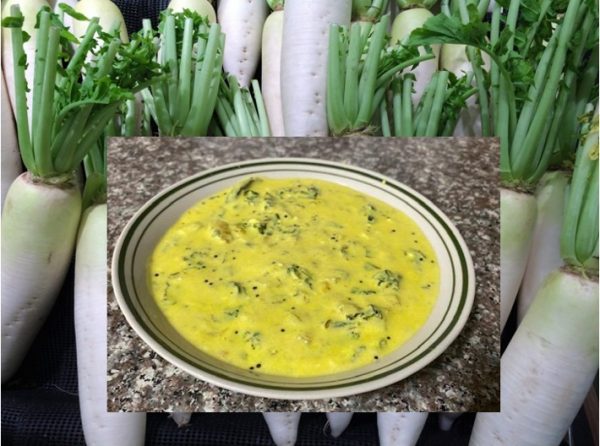
Radish is a low-calorie vegetable, rich in fiber and a gut friendly vegetable. Adding radish in diet helps in weight loss and keeps digestive system in good condition. One can eat tender raw radish or can prepare curry, sambar, parotta or raita using curd. Here is a simple recipe to prepare radish raita.

Ingredients:

  1. Radish – Small cut- 2 cups
  2. Red onion – 1
  3. Green chilies -3
  4. Coriander – ½ cup
  5. Cumin – 1 tsp
  6. Turmeric –1/2 tsp
  7. Asafetida – a pinch
  8. Salt – as per taste
  9. Curd – 1cup
  10. Water -1/2 cup
  11. Seasoning – mustard, red chili, urad dal, oil

Preparation:

  1. Wash and peel the radish skin and cut into small pieces.
  2. Slit green chili into halves.
  3. Crush cumin, green chili and coriander and add it to cut radish. Mix well.
  4. Place a frying vessel on medium heat, add oil. To heated oil, add mustard, urad dal, red chili, and curry leaves.
  5. Now add cut onion and fry. Add prepared radish mix. Continue cooking in oil for a minute. Now, add turmeric, salt followed by ½ cup water, close the lid. Let radish cook a little. Do not cook radish too much, for raita it should be a little crunchy. Turn off the heat and allow mix to cool.
  6. Once the mix is cooled, add curd and little water to get raita consistency. Adjust salt as per your need.
  7. Serve radish raita with rotis or rice dishes.

Image credit:

https://pxhere.com/en/photo/548106 (CC0 Public Domain)

www.werindia.com (Copyright -Raita image)


Author: Sumana Rao | Posted on: May 20, 2025
« »
« »

Recommended for you

Bio flocculants to remove microplastics

Extracts From Okra And Fenugreek Can Remove Most Microplastic From Water

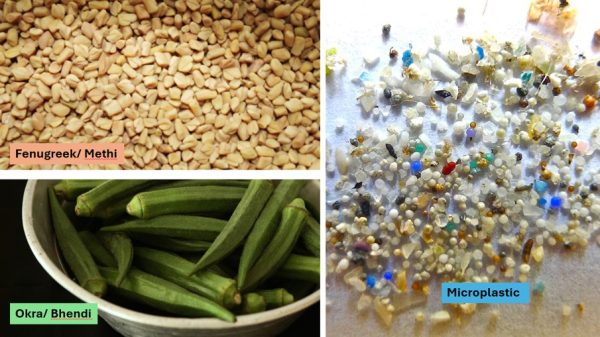
Recent research has demonstrated that natural polysaccharide extracts from okra and fenugreek can effectively remove microplastics from water, offering a sustainable and non-toxic alternative to conventional chemical flocculants.

Before proceeding to research details, it is important to understand what these plant-based flocculants and how they work.

Plant-based flocculants are natural substances derived from plants that help remove suspended particles—like microplastics, sediments, or contaminants—from liquids, especially water. They do this by causing the particles to clump together (a process called flocculation), making it easier to filter out or settle.

Characteristics of plant-based flocculants:

  • Natural origin: Made from polysaccharides (complex sugars), proteins, or other biopolymers found in plants.
  • Eco-friendly: Biodegradable and non-toxic, unlike many chemical flocculants such as aluminum sulfate or polyacrylamide.
  • Safe for drinking water: Suitable for use in water purification for human consumption.

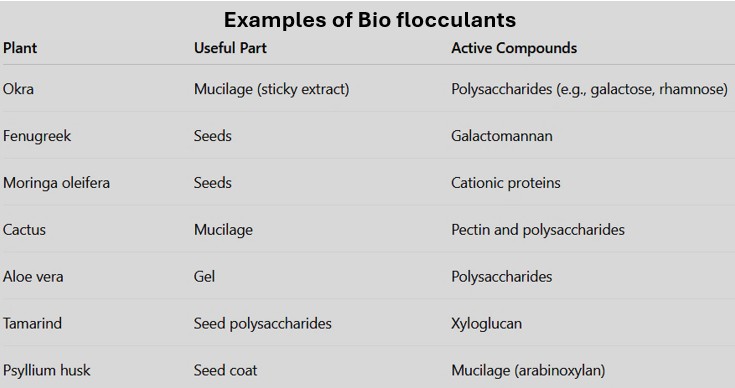
Common sources of plant-based flocculants:

Bio flocculants examples

How do flocculants work?

  1. The flocculant is added to turbid water.
  2. It binds to fine particles (like microplastics or silt).
  3. The particles clump together into larger “flocs.”
  4. These flocs are heavy enough to settle out or be filtered easily.

Benefits of using flocculants:

  1. Sustainable alternative to chemical flocculants.
  2. Reduce environmental toxicity.
  3. It can be sourced locally in many regions, lowering treatment costs.

Research on Okra and Fenugreek as flocculants:

Researchers at Tarleton State University, led by Dr. Rajani Srinivasan, tested polysaccharide extracts from various plants—including okra, fenugreek, tamarind, Aloe vera, cactus, and Psyllium species—for their ability to capture microplastics in water.

Dr. Rajani Srinivasan: “The whole treatment method with the non-toxic materials uses the same infrastructure, we don’t have to build something new to incorporate these materials for water treatment purposes.”

Optimal combinations:

  • Sliced okra and fenugreek seeds were used in this research.
  • A combination of okra and fenugreek extracts was most effective in removing microplastics from ocean water.
  • Okra paired with tamarind extracts worked best for freshwater samples.
  • These natural polymers performed better than synthetic ones.

Mechanism of action: The plant-based polysaccharides function as flocculants, binding to microplastic particles and causing them to aggregate and settle out of the water. Dried extracts of okra and fenugreek removed 67% and 93% microplastics respectively, in an hour. A combination of both resulted in 70% removal of microplastics in 30 mins.

Compatibility with existing infrastructure: These natural flocculants can be integrated into current water treatment systems without the need for new equipment or processes.

The research team plans to further refine the ratios and combinations of plant-based flocculants to optimize microplastic removal across various water sources, including ocean water, estuaries, freshwater, and groundwater. They also aim to scale up the process for field studies and eventual industrial application.

References:

  1. https://springwise.com/sustainable-infrastructure/water-and-sanitation/removing-microplastics-from-water-with-okra/
  2. https://www.tarleton.edu/news/tarleton-researchers-work-to-remove-microplastics-from-wastewater/
  3. https://www.waterworld.com/wastewater-treatment/press-release/14270277/food-grade-plant-extracts-remove-microplastics-from-wastewater
  4. https://www.makewaterfamous.com/news/scientists-cook-up-novel-way-to-remove-microplastics-from-water

Image credit: https://pxhere.com/en/photo/674746  & https://pxhere.com/en/photo/4818 (both images are CC0 For Public Domain), Microplastic: Oregon State University, CC BY-SA 2.0 <https://creativecommons.org/licenses/by-sa/2.0>, via Wikimedia Commons


Author: Sumana Rao | Posted on: May 16, 2025
« »
« »

Recommended for you

Potassium rich foods

Potassium Rich Food Help To Lower Blood Pressure

Include Potassium rich food in your daily diet if you are suffering from high blood pressure. Because Potassium-rich foods help reduce blood pressure by addressing several key physiological processes in the body.

How does Potassium rich food act on the body to help lower blood pressure?

1. Balances sodium levels: High sodium intake is a major contributor to high blood pressure. Potassium helps counteract sodium’s effects. Too much sodium causes the body to retain water, increasing blood volume and pressure. Potassium helps your kidneys excrete sodium through urine, lowering sodium levels in the bloodstream. Less fluid in blood vessels means lower blood pressure.

2. Relaxes blood vessel walls: Potassium helps regulate signals in muscle cells, including those in your blood vessels. It reduces tension in blood vessel walls, making them more flexible and less constricted. Easier blood flow means reduced blood pressure.

3. Supports overall fluid balance: Potassium works with sodium to maintain the balance of fluids in and out of cells. This balance helps prevent fluid overload, which can raise blood pressure.

4. Improves heart function: Potassium is essential for normal heart rhythm and helps prevent arrhythmias. A healthy, steady heartbeat reduces stress on the cardiovascular system, lowering the risk of high blood pressure and stroke. Potassium aids in relaxing the walls of blood vessels, improving blood flow.

Evidence based insight: Diets like the DASH (Dietary Approaches to Stop Hypertension) diet, which emphasize potassium-rich foods (fruits, vegetables, legumes), have been shown in studies to significantly reduce blood pressure, especially in people with prehypertension or stage 1 hypertension.

Potassium-rich foods that help to lower blood pressure levels:

Potassium-rich foods can help lower blood pressure. Potassium helps your body get rid of excess sodium through urine and eases tension in blood vessel walls—both of which help reduce blood pressure.

Fruits:

  1. Bananas
  2. Pomegranate
  3. Oranges and orange juice
  4. Apricots (especially dried)
  5. Cantaloupe
  6. Avocados
  7. Kiwis
  8. Prunes

Vegetables:

  1. Sweet potatoes
  2. Spinach
  3. Beet greens
  4. Potatoes (with skin)
  5. Swiss chard
  6. Tomatoes and tomato products (watch sodium in canned versions)
  7. Zucchini
  8. Legumes & Beans:
  9. Lentils
  10. Kidney beans
  11. Black beans
  12. Soybeans (edamame)

Other sources:

  1. Curd
  2. Nuts and seeds (especially pistachios and almonds)
  3. Coconut water
  4. Whole grains like quinoa and bran

Too much potassium can be harmful for people with kidney problems, so it is important to consult with a healthcare provider if you have kidney disease or are on potassium-sparing medications.

Image credit: Image by Marijana from Pixabay & Image by Adriano Gadini from Pixabay (Both images are free to use under Pixabay content license)


Author: Sumana Rao | Posted on: May 15, 2025
« »
« »

Recommended for you

Regular Exercises Helps Skin To Glow

Regular Exercises Helps Skin To Glow

Exercise can be incredibly beneficial for skin health in multiple ways.  

  1. Boosts circulation: Physical activity increases blood flow, which delivers oxygen and essential nutrients to skin cells. This boost in circulation helps with cell repair and regeneration, giving the skin a healthy glow. 
  1. Detoxification through sweat: Sweating helps to flush out impurities from the skin, such as dirt and oil, which can clog pores. However, it is essential to cleanse the skin after exercising to prevent these impurities from settling back onto the skin. 
  1. Reduces stress and cortisol levels: Exercise can lower cortisol (the stress hormone) levels in the body. Since high cortisol levels are linked to breakouts and other skin issues, regular exercise can indirectly reduce the likelihood of skin problems associated with stress. 
  1. Supports collagen production: Exercise promotes the production of collagen, which keeps the skin firm and helps prevent sagging and wrinkles. This collagen boost helps maintain skin elasticity and resilience. 
  1. Improves sleep quality: Good-quality sleep is essential for skin repair. Exercise can improve sleep patterns, allowing the skin to heal and renew itself more effectively. 

Regular exercise, combined with a healthy skincare routine, can enhance your skin’s natural glow, and make it more resilient over time. 

Image credit: Image by Kungfah pootawonsup from Pixabay (CC0 – Free to use under Pixabay content license) 


Author: Sumana Rao | Posted on: May 13, 2025
« »
« »

Recommended for you