
All posts by Sumana Rao

Don't worry about the people in your past; There's a reason they didn't make it to your future.
Steaming idli

The Hidden Dangers Of Using Plastic Sheets In Steaming Food

Steaming is one of the healthiest cooking methods, preserving nutrients and flavors without the need for excessive oils. However, if you are using plastic sheets in the steaming process, you might be exposing yourself to harmful chemicals that can leach into your food. Let us explore the risks and discover safer, eco-friendly alternatives.

Steaming idlis using plastic?! Karnataka state in India is known for its easy affordable and quality foods. Restaurants in Karnataka serve best foods and amongst Idlis are popular breakfast item. While preparing idlis in idli stand traditionally idli batter is poured on banana leaves or muslin cloth that is placed as liner on idli stand. Purpose of this is to easy removal of steamed idlis. Recently use of plastic for steaming idlis in some restaurants reported to FSSAI (Food Safety and Standards Authority of India). Taking serious cognizance of reports concerning the use of plastic sheets in the steaming process of idlis in some restaurants in Karnataka, the FSSAI has issued instructions to the Karnataka State Food Safety Department to submit a report at the earliest and take immediate action against violators.

The State Food Safety Department was asked to take immediate necessary action on the issue and implement strict measures against Food Business Operators (FBOs) or hotels found using plastic in food preparation. The authority is closely monitoring the situation and is committed to ensuring the safety of consumers. The practice of using plastic sheets raises significant food safety concerns due to the potential leaching of harmful chemicals from plastic into the food.

 “The use of low-quality or non-food-grade plastics in food preparation, particularly under high temperatures, poses a serious health risk,” stated Shri G Kamala Vardhan Rao, CEO at FSSAI.

Why is steaming with plastic sheets dangerous?

1. Chemical leaching into food:

When plastic is heated, it can release toxic compounds such as Bisphenol A (BPA) and phthalates, which can seep into food. These chemicals have been linked to:

2. Microplastics contamination:

Plastic exposed to hot temperatures can degrade and release microplastics into food. Consuming microplastics over time may lead to inflammation, digestive issues, and potential organ damage.

3. Release of dioxins and other toxins:

Certain plastics can release dioxins and other harmful compounds when exposed to heat. Dioxins have been associated with:

  • Cancer risks
  • Immune system damage
  • Liver and kidney issues

4. Not all plastics are food-safe:

Many plastic sheets are not designed for food use, meaning they could contain industrial chemicals that break down when exposed to heat. Even plastics labeled “microwave-safe” or “BPA-free” can degrade over time and release harmful substances.

Safer, eco-friendly alternatives for steaming

Instead of plastic, opt for these sustainable and non-toxic materials:

  1. Banana leaves – A traditional and biodegradable option that enhances flavor.
  2. Parchment paper – Heat-resistant and food-safe, perfect for steaming dumplings or fish.
  3. Cotton or muslin cloth – Used for steaming buns, tamales, and other dishes.
  4. Bamboo steamers – Naturally non-toxic and reusable, widely used in Asian cuisine.
  5. Glass or stainless steel containers – Safe and heat-resistant for steaming foods in pots.

Using plastic sheets for steaming is not just a health risk, it also contributes to plastic waste and pollution. As food activists and conscious consumers, we should advocate for sustainable cooking practices that protect both human health and the environment.

Small changes in our cooking habits can lead to a healthier, plastic-free future. Let us choose nature friendly alternatives and reduce our exposure to harmful chemicals.

Image credit: Image by mcthrissur from Pixabay (Free to use under Pixabay content license)

References:

FSSAI – India Press release


Author: Sumana Rao | Posted on: March 12, 2025
« »
« »

Recommended for you

okra benefits and uses

How to use okra for various conditions

Okra is one of the most loved vegetables. In Indian cooking okra dishes takes front seat! Many varieties of okra (also known as bhindi or lady’s finger) dishes taste delicious. It can be curry, sambar, fried, baked – all dishes taste good. One reason that makes okra a preferred vegetable is, its digestive fiber that is smooth on system. After consuming okra system feels better as it removes unwanted toxin from the body.

Okra is rich in nutrients. It is packed with many nutrients including Fiber, magnesium folate, Vitamins A,C, K and B6. Vitamin C which is water soluble helps to boost immune system. In addition, okra contains no fat, less carbohydrates and some amount of protein. Okra is packed with antioxidants that provides us many other health benefits.

There are different ways one can use okra to get its unlimited benefits. Whole okra, okra peel, okra seeds and okra leaves – all provide different health benefits.

For skin: Cut okra into small pieces and grind. Apply the gel on skin, leave it for few minutes and wash using normal temperature water.

For sun burn: Apply gel on affected area and leave it for half an hour

For boils on skin: Prepare paste of few okra leaves by grinding into paste. Apply this paste and cover with soft cloth or gauze. Repeat this few times till the boils reduce.

For toe nail fungus: Apply okra leaves paste and cover with a bandage.

For arthritis: To reduce arthritis symptoms, boil 4-5 okra in water, strain and drink water for few weeks.

Joint pain: Apply okra leaves paste on joint and cover with bandage cloth.

For diabetes: Slit and soak two okra in 2 cups water overnight. Drink the water morning to reduce sugar. It stabilizes blood sugar level.

For constipation; Okra curry with couple of green chilis helps to reduce constipation. Digestive fiber in okra helps to release constipation.

For cholesterol: Including okra in daily diet helps to reduce bad cholesterol.

For weight loss: After eating okra one feels full for many hours. It means, there will not be an urge to snack in. Less or no calorie in okra helps to reduce weight.

Diuretic: Okra is diuretic and consuming it helps to remove unnecessary toxins from the body soon.

For cancer patients: Okra believed to give support in fighting off free radicals that disrupts the cells. It helps to build immune system by improving gut system.

For fertility and healthy pregnancy: Since the folate content is good in okra, it is believed to support fertility and promotes healthy pregnancy.

For kidney health: Including okra in daily diet reduces kidney damage and improves kidney health overtime.

For hair: Like hibiscus leaves, okra leaves and okra fruits have slimy mucilage. Mix and apply this mucilage with lemon juice helps to reduce dandruff and gives bouncy hair.

Good for brain: Okra is a good food for nervous system, and it is good for brain cells.

Anti-inflammatory: Antioxidants in okra is good for lung inflammation, irritable bowel syndrome and sore throat! It is good for healing peptic ulcers.

For eye health: Presence of both vitamin A and C makes okra a recommended vegetable for eye health improvement. It reduces risk of both cataracts and macular degeneration.

Notes:

  • Cooked okra tastes really yummy. While cooking okra, closing lid can lead to releasing more slimy water and okra cooks more. Instead keep lid open for few minutes, till okra becomes tender.
  • Adding lemon juice reduces mucilage while cooking.
  • Adding a tsp of besan flour (chick pea flour) for okra curries also helps to reduce mucilage.
  • Okra cooking time depends on the varieties and how mature the fruit is.

Image credit: Photo by Elianna Friedman on Unsplash (Free for commercial use)


Author: Sumana Rao | Posted on:
« »
« »

Recommended for you

Maximizing Benefits: Pairing Prebiotics And Probiotics

Maximizing Benefits: Pairing Prebiotics And Probiotics

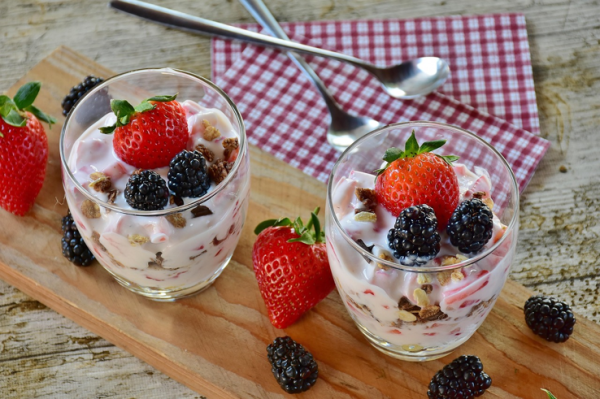
For the best gut health results, combine probiotics and prebiotics to create symbiotic, which work together to boost beneficial gut bacteria. Here are some easy food pairings:

Yogurt + flaxseeds + berries
Kimchi + miso soup
Sauerkraut + whole grain sourdough toast
Water kefir + a handful of almonds

Including prebiotic and probiotic foods in your daily diet at the right time can enhance digestion, strengthen immunity, and support overall well-being. Start your morning with probiotics and incorporate prebiotic fiber throughout the day to maintain a thriving gut microbiome.

How to Incorporate Prebiotic and Probiotic in Your Daily Diet

  • Start your day with idli, dosa, moong dal, oats and bananas for a prebiotic boost.
  • Enjoy a smoothie with yogurt, flaxseeds, and berries in between meals.
  • Add fermented vegetables (kimchi, sauerkraut) to meals. Eat lentils, fiber rich foods and curd.
  • Drink miso soup. Use miso paste in soups or salad dressings. Drink buttermilk for easy digestion.

Image credit: Image by AS Photograpy from Pixabay (Free to use under Pixabay conent license)


Author: Sumana Rao | Posted on: March 11, 2025
« »
« »

Recommended for you

Prebiotics: When to Eat Them?

Prebiotics: When to Eat Them?

Prebiotics are fiber-rich foods that function as fuel for probiotics. Since they are not affected by stomach acid, they can be eaten at any time. However, consuming prebiotic foods with meals enhances digestion and supports beneficial gut bacteria throughout the day.

Best Time: Anytime, Preferably with meals

Best prebiotic food options:

  • Breakfast: Oats, flaxseeds, bananas
  • Lunch/Dinner: Garlic, onions, asparagus, legumes.
  • Snacks: Nuts, apples, berries

Imagecredit : Couleur from Pixabay ( Free to use under Pixabay content license)


Author: Sumana Rao | Posted on:
« »
« »

Recommended for you

The Best Time To Eat Prebiotic And Probiotic Foods For Optimal Gut Health

The Best Time To Eat Prebiotic And Probiotic Foods For Optimal Gut Health

Maintaining a healthy gut is essential for digestion, immunity, and overall well-being. Prebiotic and probiotic foods play a vital role in supporting gut bacteria, but when is the best time to consume them? Let us explore the optimal timing for these gut-friendly foods to maximize their benefits.

Probiotics: When to take them?

Probiotics are live beneficial bacteria that need to survive stomach acid to reach the intestines. Taking them on an empty stomach or 30 minutes before a meal helps improve their survival rate. Some people find it helpful to take probiotics with a small meal to buffer stomach acid.

Best time: Morning or Before Meals

Best probiotic food options:

  • Coconut or almond yogurt with live cultures
  • Kombucha or water kefir before lunch
  • Miso soup as a starter
  • Naturally, fermented sauerkraut or kimchi

Image credit: Image by -Rita-👩‍🍳 und 📷 mit  from Pixabay ( Free to use under Pixabay content license)


Author: Sumana Rao | Posted on:
« »
« »

Recommended for you

Best Prebiotic and Probiotic Foods That We Must Consume

Best Prebiotic and Probiotic Foods That We Must Consume

Prebiotics are found in fiber-rich plant-based foods, including:

  1. Vegetables: Garlic, onions, leeks, asparagus, artichokes
  2. Fruits: Bananas (especially green ones), apples, berries
  3. Whole Grains: Oats, barley, flaxseeds
  4. Legumes and nuts: Lentils, chickpeas, almonds
  5. Other: Dandelion greens, amaranth, spinach, seaweed

Probiotic-rich foods contain live bacteria that benefit gut health:

  1. Fermented vegetables: Sauerkraut, kimchi, pickles (naturally fermented)
  2. Dairy-Free yogurt: Coconut yogurt, almond yogurt with live cultures
  3. Fermented drinks: Kombucha, water kefir
  4. Miso and tempeh: Fermented soy products (vegetarian-friendly)
  5. Sourdough bread: Contains natural probiotics from fermentation.


Image credit: Image by annquasarano from Pixabay (Free to use under Pixaby content license)


Author: Sumana Rao | Posted on:
« »
« »

Recommended for you

Without Pre And Probiotic Foods Gut Suffers

Without Pre And Probiotic Foods Gut Suffers

If we do not eat prebiotic and probiotic foods, our gut health can suffer over time, leading to various health issues like-,

1. Poor digestion and bloating: Without probiotics, gut bacteria may become imbalanced, leading to digestive discomfort, bloating, and irregular bowel movements (constipation or diarrhea).
Lack of prebiotics means the beneficial bacteria do not get the fuel they need to thrive.

2. Weakened immune system: Without a balanced gut microbiome, we may become more susceptible to colds, infections, and inflammation.

3. Increased risk of gut dysbiosis: Gut dysbiosis occurs when bad bacteria outnumber healthy bacteria, leading to digestive disorders, inflammation, and even food intolerances.

4. Mood and mental health issues: The gut and brain are linked through the gut-brain axis. A lack of beneficial bacteria may contribute to increased stress, anxiety, and depression.

5. Higher risk of chronic diseases: Poor gut health is linked to long-term health issues like- irritable bowel syndrome (IBS), obesity and metabolic disorders, heart disease and diabetes, autoimmune conditions.

6. Poor nutrient absorption: Our gut bacteria help to break down food and absorb nutrients. Without them, our body may struggle to absorb essential vitamins and minerals like B vitamins, calcium, and magnesium.

7. Increased Inflammation: A lack of prebiotics and probiotics may lead to chronic inflammation, which is linked to various diseases, including arthritis and skin conditions like acne and eczema.

Image credit: Image by Pete Linforth from Pixabay (Free to use under Pixabay content license)


Author: Sumana Rao | Posted on:
« »
« »

Recommended for you

Prebiotic And Probiotic Foods Play Major Role In Gut Health And Overall Well Being

Prebiotic And Probiotic Foods Play Major Role In Gut Health And Overall Well Being

Prebiotic and probiotic foods are gaining more popularity than before. The reason for this is gut health. We all know “We are what we eat and what we eat reflects our entire health.”  However, do you know that around 70% of our immune system is in our guts? Skipping prebiotic and probiotic foods can throw the gut health off balance, leading to digestive issues, a weakened immune system, and even mental health struggles. Including these foods regularly can help maintain a strong microbiome, support digestion, and promote overall well-being.

What is the difference between Prebiotics and Probiotics?

  • Prebiotics: These are non-digestive food components like high fiber foods that feed the beneficial bacteria called probiotics in the gut. These foods help probiotics thrive and support digestion. Examples – whole grain, green banana, onions, green leaves etc.
  • Probiotics: Foods that contain live beneficial bacteria and yeasts that support gut health by maintaining a balanced microbiome. Examples – curd/yogurt, fermented foods, sauerkraut etc.

Benefits of Prebiotics and Probiotics:

Improves digestion – Supports gut flora, aiding in digestion and nutrient absorption.
Boosts immunity –
A healthy gut microbiome strengthens the immune system.
Reduces inflammation –
May lower chronic inflammation, which is linked to various diseases.
Enhances mood –
Gut health is connected to brain health through the gut-brain axis.
Supports weight management –
May help regulate appetite and metabolism.
Improves skin health – Can reduce acne and eczema by balancing gut bacteria.

Image credit: Image by Andreas Lischka from Pixabay (Free to use under Pixaby content license)

References:

  1. https://pmc.ncbi.nlm.nih.gov/articles/PMC4626640/#:~:text=Kefir%20grains%20are%20a%20kind,g)%20that%20stick%20to%20a
  2. https://www.gerdhelp.com/blog/prebiotics-vs-probiotics-for-gut-health/
  3. https://www.medicalnewstoday.com/articles/323490
  4. https://longevity.stanford.edu/lifestyle/2024/04/08/probiotics-prebiotics-and-postbiotics-what-are-they-and-why-are-they-important/
  5. https://www.sciencedirect.com/science/article/pii/S1756464624003396

Without Pre And Probiotic Foods Gut Suffers

Without Pre And Probiotic Foods Gut Suffers

Best Prebiotic and Probiotic Foods That We Must Consume

Best Prebiotic and Probiotic Foods That We Must Consume

The Best Time To Eat Prebiotic And Probiotic Foods For Optimal Gut Health

The Best Time To Eat Prebiotic And Probiotic Foods For Optimal Gut Health

Prebiotics: When to Eat Them?

Prebiotics: When to Eat Them?

Maximizing Benefits: Pairing Prebiotics And Probiotics

Maximizing Benefits: Pairing Prebiotics And Probiotics

Author: Sumana Rao | Posted on:
« »
« »

Recommended for you