Don't worry about the people in your past; There's a reason they didn't make it to your future.
Vajrasana or Diamond Pose
Improper digestion leads to hair loss. Constipation and indigestion lead to loss of nutrient in the body. This will cause hair fall and results in unhealthy and dry hair too. Practicing diamond pose or vajrasana after Shirsasana helps to bring digestion process in order and promotes nutrient supply to hair.
Vajrasana also helps to prevent acid reflux and stomach ulcers. Acid reflux causes hair loss. Diamond pose is one of the highly recommended pose to reduce the stress which is one of the major reasons for hair fall in many.
Vajrasana is a very simple pose. If you have knee problem, you will find it difficult to sit. Otherwise,
Sit straight on the floor. Stretch legs and keep spine straight.
Fold both legs by bringing the calves under the thighs.
Place both hands on upper thighs.
Sit and relax. Focus on breathing. Inhale and exhale for 5-7 breath.
After one practice stretch both legs and give them a shake.
Breadfruit is a tropical fruit and available in many countries including India, Central America and parts of US. It belongs to jackfruit family and fruit texture resembles jackfruit except it is small in size. It is fibrous and it tastes like plantain and potato! It is a versatile fruit can be roasted, baked, fried, boiled to make varieties of delicious recipes. It is gluten free and contains sources dietary fiber, iron, magnesium, Vitamin A and C and is high in carbohydrates. In recent days, breadfruit gluten free flour is gaining popularity.
Steam cook breadfruit pieces in a pressure
cooker. Allow it cool and smash the
pieces
Mix smashed breadfruit with cilantro, chopped
onion, scallion leaves, chopped green chilli, cumin, asafetida, curry leaves,
chilli powder, turmeric and garam masala powder followed by chickpea flour. Add
salt as per your taste. Mix well.
Prepare small patties using the above mix.
Place a tava on medium heat. Place patties on
the tava and put little oil on each patties. Cook them till both sides turn
golden brown.
Serve hot breadfruit patties with green chutney
or tomato ketchup.
One can deep fry the breadfruit patties. Since
it takes too much oil, healthy way to is to use less oil and cook patties on
tava using very little oil.
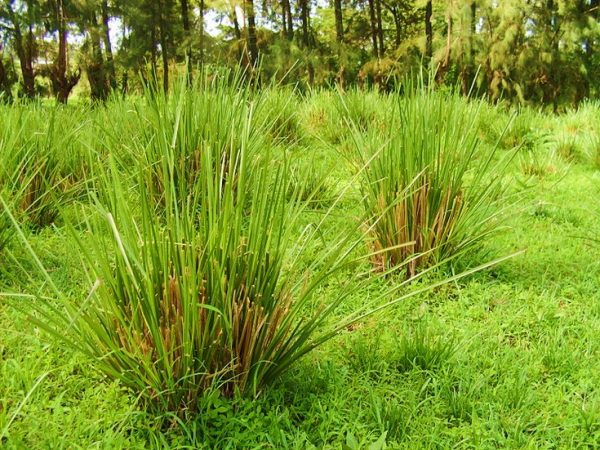
Khus root infused water has a cooling property and served in villages in many parts of India. If you have not tasted khus water, try it once! Khus grass is commonly known as Vetiver grass that grows in tropical countries and is extensively cultivated and used for medicinal purposes.
Vetiver is a perennial grass known for its fragrant root. Vetiver also is known by other names such as Khas Khas, cuscus grass, khus khus, Ramacchum, Lavancha, and the Botanical name is Andropgoan muricatus.
The vetiver plant looks like a lemongrass plant. In lemongrass leaves gives smell similar to lemon. In Vetiver, the highly branched root has a very specific fragrance that is soothing for the system.
Vetiver root has many health benefits.
For nerve-related problems, roots are used as a cure.
It has antidepressant property as well as antibacterial too.
Vetiver therapy is used for relaxation and to bring balance to the exhausted mind and body. Steam distilled vetiver essential oil is used in therapy. Essential oil blends well with bergamot, lavender, lemon, patchouli, sandalwood, and other herbs such as black pepper, turmeric, and nutmeg.
The essential oil of vetiver is also used in natural perfumery because of its unique aroma. It is gentle on the skin and supports skin health.
Applying vetiver oil before bedtime helps to get better sleep.
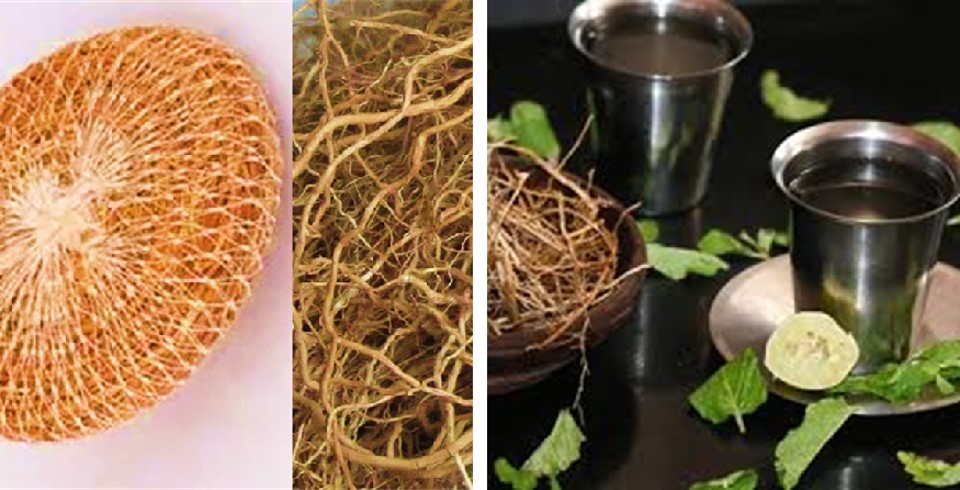
Do you know? Vetiver roots are used in handloom industry. Handwoven baskets, summer hand fans, bags, purses, toys etc are prepared using vetiver roots!!
Vetiver root remedies:
For fever: Vetiver root as an ingredient in kashayahelps to control fever. Drinking boiling water with little vetiver root gives the aromatic water that controls temperature.
For boils: Applying vetiver and sandalwood paste helps to control skin boils during summer. Prepare a paste using these two ingredients using coconut wateror coconut milk and apply on skin boils.
For better sleep: Warm coconut oil or sesame oil and add few roots of lavancha or you can also add dried lavancha powder. Store in a bottle. Use this oil to apply on the head. This not only gives better sleep but also reduces if one has a burning eye sensation.
To reduce burning urinary sensation: To little vetiver dry root (50gram) add coriander seed (20 gram), cumin seeds (10 gram) and prepare powder. Add one teaspoon of this to boiling water to prepare kashaya. Strain, add little milk, and drink to get relief.
Vetiver root scrub: Roots can be used as a body scrub. Bath soap containing vetiver root oil helps to reduce infections. It is an ingredient in many Ayurvedic babies bath soaps.
Vetiver infused water: Add vetiver root, cumin, pepper, cardamom, tulsi leaves to boiling water. Boil for a couple of minutes and turn off the heat. Allow it to cool or drink it hot. It will help to relax and energizes the system!
Vetiver water reduces vomiting sensation, relieves bad odor, relieves thirst, and removes toxins from the body. It is also a good remedy for bloating, constipation, and nerve-related pain.
To reduce excessive thirst and sweat one can daily drink vetiver infused water! Prepare fresh vetiver infused water and drinking it helps to reduce sweat.
Dry root powder paste can be used for treating burn wounds, treating skin disorders, and improving skin complexion.
Vetiver essential oilmixed with a proper carrier oil can be used for external application for those who suffer from sprain, arthritis, and rheumatism.
Fragrance of vetiver roots lasts longtime. Keeping the roots in places where pest infestation occurs, helps to reduce pests and other insects.
Who cannot use the Vetiver root?
Pregnant women and nursing mothers should not use vetiver. And people who have preexisting condition must not use vetiver without consulting a doctor.
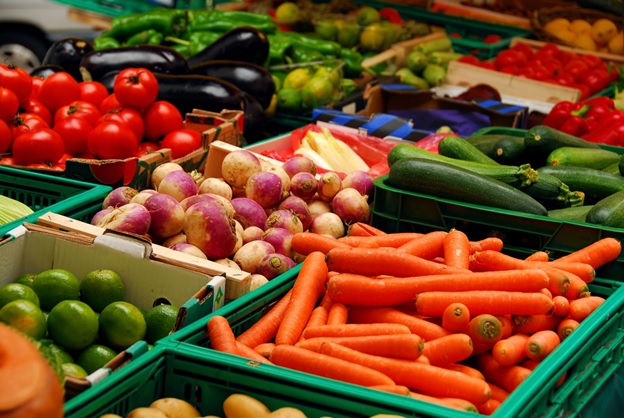
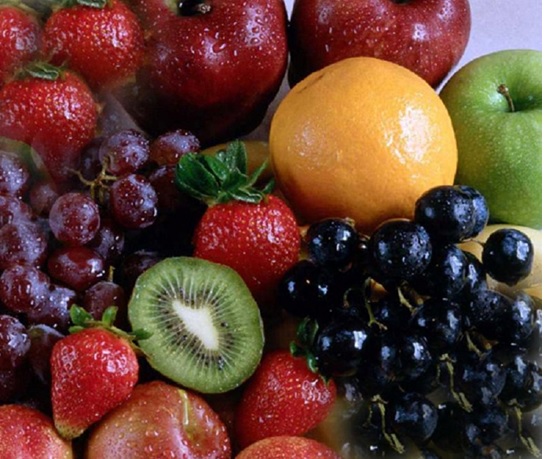
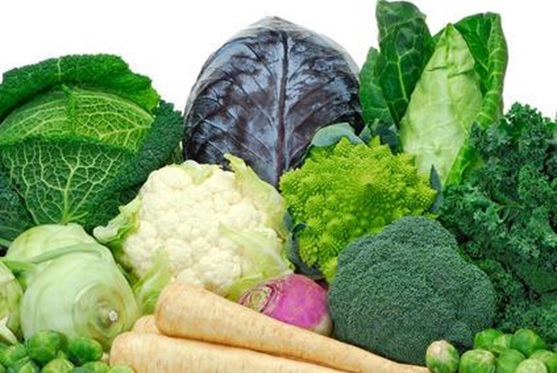
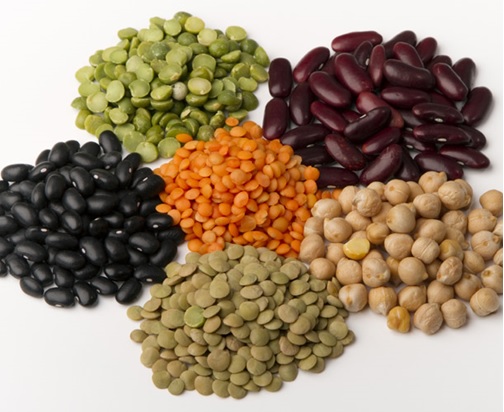
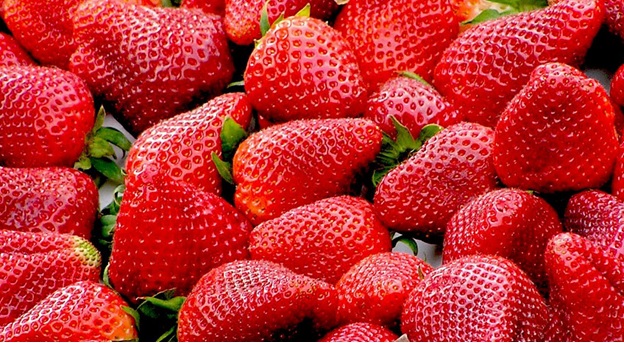
If you are looking to boost your immune system, then don’t forget add colorful natural plant foods in your diet! There are more than 25,000 phytonutrients are found in plant foods. Phytonutrients are compounds found in plants. They serve various functions in plants, helping to protect the plant’s vitality. Not only do phytonutrients award benefit to the plants but they also provide benefits to those who enjoy plant food. That’s because they have health-promoting properties including antioxidant, anti-inflammatory, and liver-health-promoting activities. Phytonutrients can also provide significant health benefits for humans who eat plant foods. Phytonutrient-rich foods include colorful fruits and vegetables, legumes, nuts, green and herbal tea, whole grains and many spices. They affect human health but are not considered nutrients that are essential for life, like carbohydrates, protein, fats, vitamins and minerals.
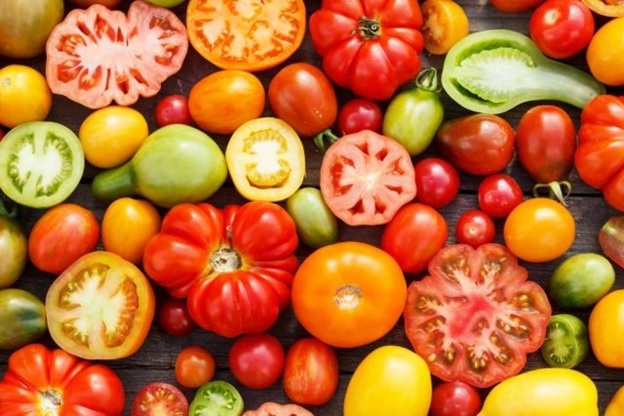
Lycopene is a naturally occurring chemical that gives fruits and vegetables a red color. It is one of a number of pigments called carotenoids. Lycopene is found in watermelons, pink grapefruits, apricots, and pink guavas. It is found in particularly high amounts in tomatoes and tomato products. In North America, 85% of dietary lycopene comes from tomato products such as tomato juice or paste. One cup (240 mL) of tomato juice provides about 23 mg of lycopene. Processing raw tomatoes using heat (in the making of tomato juice, tomato paste or ketchup, for example) actually changes the lycopene in the raw product into a form that is easier for the body to use. The lycopene in supplements is about as easy for the body to use as lycopene found in food.
Lycopene is a powerful antioxidant that may help protect cells from damage. This is why there is a lot of research interest in lycopene’s role, if any, in preventing cancer. People take lycopene for preventing heart disease, “hardening of the arteries” (atherosclerosis); and cancer of the prostate, breast, lung, bladder, ovaries, colon, and pancreas. Lycopene is also used for treating human papilloma virus (HPV) infection, which is a major cause of uterine cancer. Some people also use lycopene for cataracts and asthma.
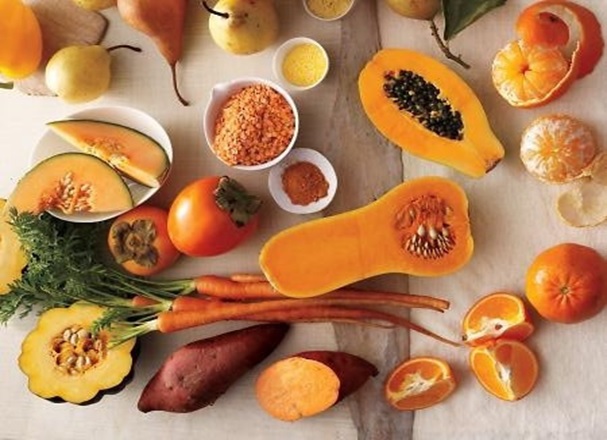
Carotenoids also act as antioxidants in the human body. They have strong cancer-fighting properties, Some carotenoids are converted by the body to vitamin A, which is essential to vision and normal growth and development. Carotenoids also have anti-inflammatory and immune system benefits and are sometimes associated with cardiovascular disease prevention. Carotenoids are plant pigments responsible for bright red, yellow and orange hues in many fruits and vegetables. These pigments play an important role in plant health. People who eat foods containing carotenoids get protective health benefits as well. Carotenoids are a class of phytonutrients (“plant chemicals”) and are found in the cells of a wide variety of plants, algae and bacteria. They help plants absorb light energy for use in photosynthesis. They also have an important antioxidant function of deactivating free radicals — single oxygen atoms that can damage cells by reacting with other molecules, according to the Linus Pauling Institute at Oregon State University. Carotenoids are present in carrots, yams, sweet potatoes, papaya, watermelon, cantaloupe, mangos, spinach, kale, tomatoes, bell peppers and oranges are among the fruits and vegetables in which carotenoids can be found.
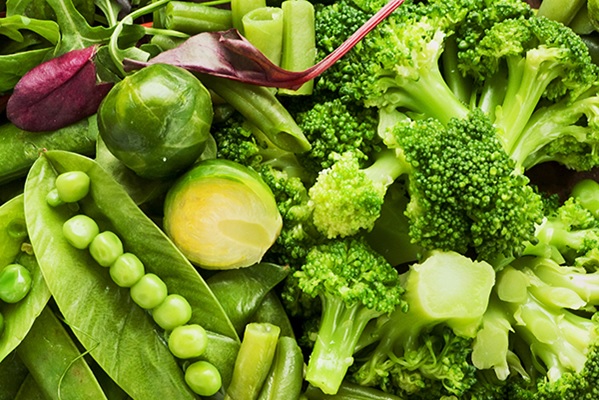
These may help protect you from cataracts and age-related macular degeneration, which are two types of eye problems. In nature, lutein and zeaxanthin appear to absorb excess light energy to prevent damage to plants from too much sunlight, especially from high-energy light rays called blue light. In addition to being found in many green leafy plants and colorful fruits and vegetables, lutein and zeaxanthin are found in high concentrations in the macula of the human eye, giving the macula its yellowish color. In addition to important eye and vision benefits, lutein may help protect against atherosclerosis (buildup of fatty deposits in arteries), the disease that leads to most heart attacks. Good sources of these phytonutrients are greens such as: Spinach, Kale, Collards
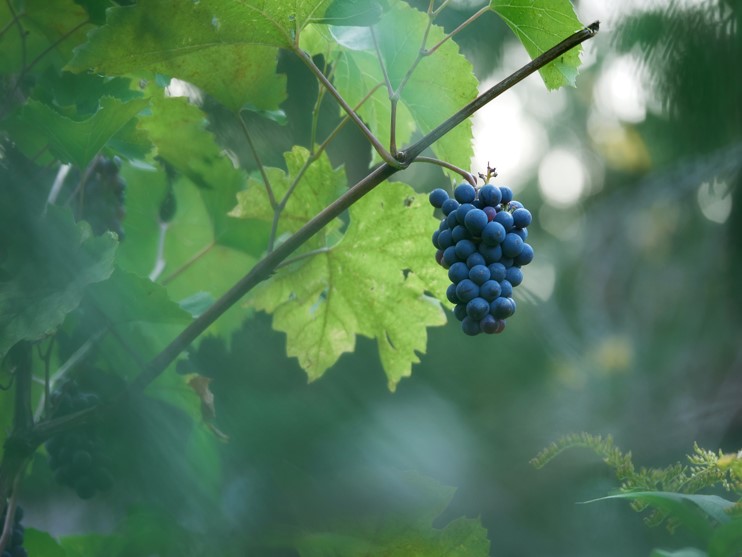
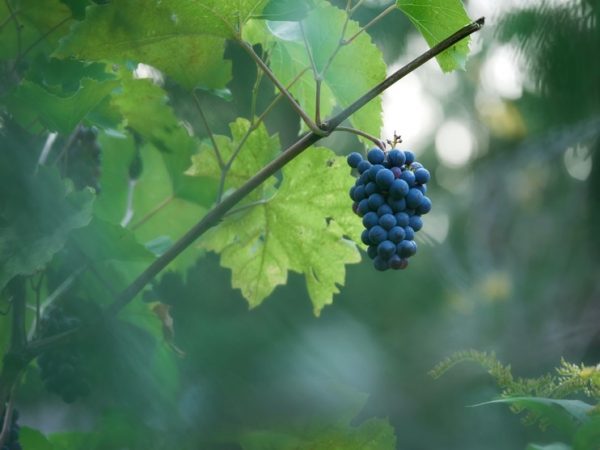
Resveratrol is a natural compound found in red grape skin, Japanese knotweed (polygonum cuspidatum), peanuts, blueberries and some other berries. It is a powerful antioxidant produced by some plants to protect them against environmental stresses. Antioxidants neutralize free radicals, which are believed to be the cause of aging. Japanese knotweed is the plant source with the highest resveratrol content. Resveratrol protects a cell’s DNA. It is a powerful antioxidant. Antioxidants can help prevent cell damage caused by free radicals. Free radicals are unstable atoms caused by pollution, sunlight and our bodies natural burning of fat that can lead to cancer, aging and brain degeneration.
Source of resveratol: A large amount of resveratrol is produced in the skin of grapes to protect the plant against fungal diseases and sun damage; therefore wine has higher levels of resveratrol compared to other natural food. Overall, red wine contains small amounts of resveratrol, less than 1 to 2 mg per 8 ounces of red wine. However, red wine has more resveratrol than white wine because red wines are fermented with the grape skins longer than white wines. Hence, many of the antioxidants including resveratrol that are naturally present in the grape skins are extracted into the wine.
Image credit: Photo by Michał B on Unsplash (Free for commercial use)