All posts by Sumana Rao

Don't worry about the people in your past; There's a reason they didn't make it to your future.
Made from real fruit

Made with real fruit claim on label

Many fruit drinks or jams, snacks claim made with real fruit or fruit juice. This claim means very little.

Products also will show fruit pictures on the product to attract consumers. According to CSPI (Center for Science in the Public Interest), food companies does not need to disclose the percentage of ingredients, such as fruits and whole grain. If a product says it is made with real fruit and fruit juice does not believe it. Pictures of fruits on the package does not mean that fruits are used. It is puree concentrates as ingredients or powdered form. Similarly if strawberry fruit picture is on the label, it is not strawberry fruit itself used and it could be concentration or strawberry flavor.

The best source of fruit are whole fruit. When you feed kids give them fresh fruits like apples, bananas, strawberries, plums, pear and grapes. These will have natural ingredients and good for kids digestive system too!

Image credit: theimpulsivebuyhttps://www.flickr.com/photos/theimpulsivebuy/10734202586 (CC by 2.0)


Author: Sumana Rao | Posted on: November 17, 2021
« »
« »

Recommended for you

All natural food claim

All natural claim on label

All natural is another attraction for consumers to buy the food product. The natural food labels offer less clear meaning and could be misleading to consumers.

There are examples of foods that say natural when it has ingredients that are not so natural.

What it means? If a food labeled natural it may contain preservatives, injected sodium and potassium sorbate, sodium benzoate that are made from industrial chemicals. Some of the vegetable oil manufacturers who use pure and 100% natural use genetically modified crops like soybeans. Some food manufactures use hexane an air pollutant in “natural” food product.

Similarly, caramel coloring was reported in one of the root beer products. The coloring is noted as an artificial ingredient by FDA.

Sometimes food companies take advantage of loophole in the Govt. standards and mislead consumers. As a consumer we should understand the label and get familiarized with words that are displayed on food labels.

References:

https://www.cbsnews.com/

https://www.sneb.org/

Image credit: https://pixy.org/3504743/ (Free for commercial use)


Author: Sumana Rao | Posted on:
« »
« »

Recommended for you

Multigrain claim on label

Multigrain claim on food label

Multigrain is another attractive term for consumers. Multigrain means use of more than one type of grain in the product. Multigrain bread will have wheat, caraway, rye etc.

Multigrain does not mean whole grain. It can contain refined grains means that nutritious outside bran, which is fibrous portion of grain could be removed. Made with whole grains- another term that can mislead. Product will have whole grain as well as refined grains.

It is not enough to say made with multigrain or with whole grain on the label.  As a consumer if you are looking for whole grain then look for product that contains 100% whole grain on packaging label.

The advantage of buying whole grain foods, these foods will contain more fiber and other essential nutrients that are required by our system. Brown rice, oatmeal, whole wheat flour, popcorn etc are examples of whole grain. Refined grains are processed and stripped off those essential nutrients.

Image credit: Photo by Gil Goldman from Pexels (Free for commercial use)


Author: Sumana Rao | Posted on:
« »
« »

Recommended for you

Low fat claim

General guidance to remember terms and claims on food label

Some terms on food packages like free, very low, low, fortified, enriched, extra, no trans fat can appear to be healthy choices. Before buying such foods understand what exactly these words mean.

  • “Free” means a food has the least possible amount of the specified nutrient.
  • “Very Low” and “Low” means the food has a little more than foods labeled “Free.”
  • “Reduced” or “Less” mean the food has 25% less of a specific nutrient than the regular product.
  • “More,” “Fortified,” “Enriched,” “Added,” “Extra,” or “Plus” means the food has 10% or more of the Daily Value (DV) than the regular product. May only be used for vitamins, minerals, protein, dietary fiber, and potassium.
  • Made with extra fiber: It does not mean ‘excellent source of fiber”. The food has to supply minimum 5 gram of fiber per serving. And, the fiber is obtained from one type like cellulose, inulin or  frucans. Natural fibers are mixed type and are beneficial for health.
  • No trans fat : Trans fat are not good for health. If a product says no trans fat, don’t believe totally. According to policy, if a serving has less than 0.5 gram of trans fat then it can claim as no trans fat. According to the Ameri­can Heart Association, trans fat should supply less than 1 percent of or daily calories and is not more than 2 grams per day for 2,000 calories.

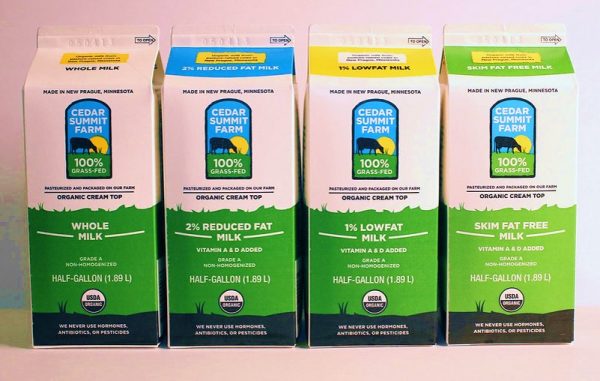
Image credit: Cedar Summit Farm https://www.flickr.com/photos/77144381@N05/8737765173/ (CC by 2.0)


Author: Sumana Rao | Posted on:
« »
« »

Recommended for you

Barley water

Why barley is good for you

Why barley is good for you? Being one of the oldest grain on earth barley provides several nutrients to our body. It is  one of the most suitable food during sick conditions for both adults and children. Barley contains beta glucan that slows down absorption of sugar into blood. This makes it safe for people who has diabetes condition.  Barley water is what we should be drinking when we are sick, tired or to boost energy.

How to make barley water?

Take a cup of barley and soak it for an hour or so. For one cup barley add 3 cups water and boil. Let it cook completely. Using finger tips squeeze barley to test whether it is cooked or not. Cooked barley squeezes completely between finger tips. Some varieties of barley takes little longer to cook. This is when the soaking might help.

After cooking barley, remove from stove and strain and collect the barley water using a strainer. Collect barley water completely.  If you use pressure cooker, remove cooked barley from pressure cooker and transfer it to a normal vessel. Add another 2 cups of water and bring it to boil, strain and collect the water.

  • One can drink barley water as it is or can add lemon juice, salt and asafetida in it.
  • Another way to make barley water interesting to drink – prepare seasoning using little oil, mustard, salt and asafetida. Add this to barley water followed by chopped cilantro. Mix well and drink.
  • You can also add diluted buttermilk to barley water (it should be cool) with salt, ginger, chopped mint and cilantro along with asafetida.

Benefits of drinking barley water:

Barley reduces burning sensation during urination and being diuretic it helps pass urine properly.

  1. It keeps body cool during summer by increasing sweating.
  2. Having barley water after eating spicy food helps burning system. It reduces acidity.
  3. Barley also contains some amount of digestive fiber and helps to reduce cholesterol in blood.
  4. Barley helps in reducing kidney stones. Drinking barley water everyday helps to dissolve kidney stones.
  5. It reduces risk of gallbladder surgery by preventing gallstone development in gall bladder.
  6. Including barley in your diet program is good because it helps in weight reduction. It supplies minimal or zero fat and cholesterol. It also contains good amount of dietary fiber
  7. Like rice water, barley water is good for skin. Washing face using barley water helps to rejuvenate the skin and gives good complexion.
  8. When running with fever and throat infection, drink hot barley water and consume barley porridge. It gives back strength by making you feel better.
  9. Barley water also acts as detoxifying agent. It reduces bloating and removes unwanted substances from system. Drinking barley water with lemon juice helps in detoxification of body.
  10. Barley helps in balancing gut bacteria. Consuming barley based foods helps to keep gut in healthy shape by eliminating unwanted bacteria.
  11. Barley whole grain helps to improve insulin production and reduces blood sugar level. This is the reason it is good for diabetic condition.
  12. Consumption of barley on regular basis, helps colon and reduces chances of getting colon cancer.

Barley is affordable food and we need to understand the benefits that we get from consumption of barley. Instead of eating pasta, white rice, processed foods – try barley and get balanced health.

Image credit: https://commons.wikimedia.org/wiki/File:Starting_lunch_with_a_traditional_clam_juice_shot.jpg, Attribution: Sarah Stierch / CC BY (https://creativecommons.org/licenses/by/2.0)


Author: Sumana Rao | Posted on:
« »
« »

Recommended for you

Kraunchasana Heron pose

Krounchasana Heron Pose For Legs Strengthening And Body Toning

It is important to stretch our feet, ankles, joint and muscles of the legs  after exercising and hard work. Krounchasana, Heron pose is one such pose by practicing which we can strengthen feet, ankle and leg muscles while strengthening the joints. This is an advanced yoga pose, that needs many years of practice and one must understand how to get into the pose. Krounchasana helps to tone the body and improves digestion. It brings stability and helps to calm the system by reducing stress and anxiety– Healthy Life

Krounchasana Heron Pose

LEVEL :Advanced

Anatomy : Abs, Chest, Hamstrings

Pose Type :Seated

Sanskrit : Krounchasana (crown-CHAHS-anah) krouncha = heron

BENEFITS:

  • Increases strength and flexibility in the leg joints and muscles
  • Tones the core
  • Stimulates the digestive system
  • Stretches the front of the ankles and hamstrings

CONTRAINDICATIONS

  • Knee, hip, or ankle injuries
  • Low back pathologies
  • Menstruation

HOW TO

  1. Kneel down on your left leg, and extend your right leg in front of you.
  2. Inhale, lift out of the torso while firming the abdominals, and lengthen the spine.
  3. Exhale and sit back toward your left heel, settling onto your sitting bones. Make sure your left foot is on the outside of your left hip.
  4. Bend the right knee and draw the heel in toward your sitting bones. Clasp your hands under the right foot. Inhale and begin to extend the knee, lifting the foot toward the sky.
  5. As you exhale, work toward keeping firm abdominals and draw the leg closer to the torso.
  6. Hold this pose for 5-10 slow breaths.
  7. To exit, inhale and draw the abdominals in for support. Exhale and slowly lower the lifted leg. Placing your hands on the floor, roll slightly to your right sitting bone and sweep your left leg around to meet the right. Follow with Paschimottanasana (Seated Forward Bend). Then set up on the opposite side and repeat.

MODIFY OR REPLACE

  • Use a block or bolster for support under the sitting bones.
  • Loop a strap around the foot of the extended leg instead of holding it with your hand.
  • Feel free to come in and out of the pose.

SEQUENCING TIPS

Before:

  • Ardha Matsyendrasana (Half Lord of the Fishes pose)
  • Janu Sirsasana (Head to Knee pose)
  • Upavishta Konasana (Wide-Angle Seated Forward Bend)
  • Virasana (Hero pose)

After:

  • Parivrtta Janu Sirsasana (Revolved Head to Knee pose)
  • Paschimottanasana (Seated Forward Bend)

TEACHING CUES

  • Keep the upper and lower spine lifted through the torso and firm your abdominals.
  • Draw the entire leg toward the torso, hollowing out the belly, on every exhale.
  • If you feel knee pain or strain at any time, immediately release from the posture.
  • Be cautious of your low spine and avoid rounding.

VARIATIONS

  • Revolve the posture by grabbing the outside of your right foot with your left hand, and placing your right hand on the floor behind you for support. Lengthen the spine on an inhale and slowly twist on your exhale.

WATCH OUT FOR

  • Pain/ strain in the hamstrings or knees
  • Rounding of the back and chest

This article and image published here with prior permission from Beyogi.com For more poses & teaching clues visit beyogi.com


Author: Sumana Rao | Posted on: November 12, 2021
« »
« »

Recommended for you

Hair dyeing tips and care

Hair dyeing precautions

Hair dyeing is fashionable and is a good idea to cover up the gray hair. But, hair dyeing should be done properly. Choosing a proper hair dye is very important for the skin, hair and eyes. Hair dyeing is a common practice in both men and women. The chemical make up hair dyes varies. Most of the time people who use hair dyes get exposed to chemicals through the skin contact. The three types of (main) hair dyes are:

Temporary hair dye: These cover the surface of hair but do not penetrate in to hair shaft. This type will last till one or two hair washings.

Semi-permanent dyes: These penetrate the hair shaft and typically last for about five to ten hair washings.

Permanent hair dyes: Also known oxidative hair dyes cause lasting chemical changes to hair shaft. These types are most popular because once applied to hair, the color change last until the hair replaced by new hair growth. These are also known as coal-tar dyes. Chemical composition of these dyes includes phenols and aromatic amines.

Both semi-permanent and permanent dyes pose concern of cancer risk. Darker the dyes, more chemical ingredients that might cause cancer.

.

How people exposed to hair dyes?

By hair dyeing, some of the chemicals present in can be absorbed through the skin or inhalation of fumes. Even the hairdressers and hair stylists who are exposed to hair dye while handling customers are also exposed to hair dye fumes.

Some of the risks or using hair dye or dying hair are:

  1. Allergies: Presence of Paraphenylnediamine which is one of the components in hair dye is an allergen. People who suffer from eczema and psoriasis must opt out of hair dyes that contain this allergen. It causes itching, redness, skin irritation and sometimes swelling.
  2. Asthma: Hair dyes with persulfate can aggravate asthma thus causing breathing problem, coughing and asthma attacks. Those who suffer from asthma should check the label for such ingredients that could cause attacks.
  3. Skin rashes and irritation: Itching, discomfort, burning sensation, rashes are due to dye reaction with skin. If there are any allergens in the hair dye that can cause reaction to your skin, stop using it.
  4. Hair quality: Repeated use of permanent dye could cause damage to hair. The texture of hair could spoil and change in pH of scalp can result in dry hair as well as hair fall.
  5. Cancer: Researches have looked at the link between hair dye and the risk of leukemia and lymphomas as well as bladder cancer. According to cancer research, over the years hair dye composition has changed and all hair dyes does not have same composition. Early hair dyes that had aromatic amines as one of the ingredients were found to cause cancer in lab animals. Over the years composition of hair dyes changed by manufacturers. Studies carried out in people revealed that- people who are exposed to hair dye constantly (like hair stylists, hair dressers and barbers) are at increased risk of bladder cancer. Studies on leukemia and lymphomas have revealed, women who use darker dyes could be at risk of developing non-Hodgkin lymphoma or leukemia. Presence of resorcinol in certain hair dye can lead to breast cancer.
  6. Conjunctivitis: When dye comes in contact with eyes it could cause inflammation in eye and could result in itchiness and eyes turn red and person can experience pain in eye. The risk of infection is high with allergic reaction. It can harm the eyes and can cause blindness.
  7. Skin irritation: Both skin and nails can show reaction to hair dye. Skin discoloration is a possibility. Nails can get brittle.

Precautions:

  1. Use semi-permanent or temporary hair dyes to prevent side effects of hair dyes
  2. Before buying hair dye – understand the hair dye composition. Check the label for allergens and get to know your allergens.
  3. Do a patch test on the skin before using hair dye
  4. Use gloves while applying the hair dye
  5. Don’t leave the hair dye on your hair any longer than recommended time
  6. Rinse and wash your scalp using water after dyeing hair.
  7. Follow the instructions in the box. If you develop any reactions, contact your doctor.
  8. Do not mix different hair dyes as it could cause severe chemical reactions.
  9. Do not dye your eyebrows and eyelashes.
  10. If your scalp has wounds, then avoid coloring hair. Some hair dyes contain lead acetate that could cause irritation.
  11. If you are pregnant, talk to your doctor about precautions and hair dyeing. 
  12. Use natural colors such as Henna and amla (Indian gooseberry) powder, tea, cumin coloring, lemon and honey (for lightening the hair), carrot and beetroot juice, black walnuts (to cover gray hair) – are some of the safe and natural ways to color the hair.

Over the years compositions of the hair dyes has been changed. However, the chemicals or ingredients present in hair dyes could be still strong for our system. Understanding chemical compositions, taking precautions before coloring the hair could help in preventing any adverse side effects.

Image credit: Photo by Tim Mossholder on Unsplash

References: www.werindia.com, www.instylie.com


Author: Sumana Rao | Posted on: November 11, 2021
« »
« »

Recommended for you

Pancreatic cancer awareness

November is Pancreatic Cancer Awareness Month

November month is Pancreatic Cancer Awareness Month and the third Thursday, 18th of November is World Pancreatic Cancer Day. To educate, inspire and empower people regarding the pancreatic cancer this month is chosen as pancreatic cancer awareness month.

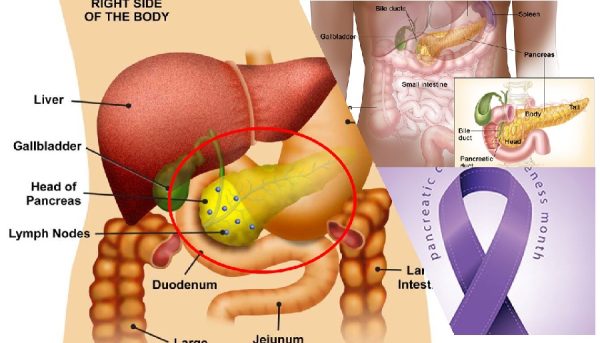
Pancreas is a gland that produce hormones such as insulin and enzymes that are essential for the body to digest food. Pancreas looks like tadpole with a head on right side and a tail that is wider. Pancreas measures about six inches and extends across abdomen, behind stomach and in front of the spine.

Pancreatic adenocarcinoma is the most common type of pancreatic cancer. Pancreatic neuroendocrine tumors (NETs) are a less common type. Adenocarcinoma starts in the exocrine cells that lines the pancreas ducts. Ducts are tiny tubes through which fluid passes through and enzymes are synthesized in ducts. Pancreatic cancer also starts in endocrine cells, where hormones are produced. This is called pancreatic neuroendocrine tumor or PNET.

There is no recommended routine screening to detect pancreatic cancer. It is often found during a blood test and regular imaging test. There are no specific symptoms to say that it is pancreatic cancer.

What are the possible symptoms of pancreatic cancer?

There are many medical conditions one can be suffering from. Symptoms a pancreatic cancer patient could be like many medical conditions. If any such symptoms one is experiencing, it is better to consult doctor for further diagnosis.

  1. Chronic pain in abdomen and back pain
  2. Weight loss
  3. Jaundice
  4. Nausea
  5. Bloating and floating stools
  6. Indigestion
  7. Feeling depressed

What Causes Pancreatic Cancer?

Cancer appears because of irregular growth of cells. When there is such abnormal growth and genetic mutation occur in endocrine and exocrine cells of the pancreas it results in cancer and ultimately tumor appears.

The risk factor for pancreas cancer is:

  1. Obesity
  2. Smoking
  3. Too much alcohol, coffee
  4. Certain infections of stomach – like ulcer causing bacteria Helicobacter pylori.
  5. Stress and depression
  6. Pesticides and asbestos type of chemicals
  7. Poor diet and unhealthy lifestyle
  8. Diabetes
  9. Chronic inflammation of pancreas Chronic pancreatitis
  10. History of other cancers such as – breast, ovarian or prostate cancers.
  11. Heredity could be the reasons too

Sometimes the patient might not have exposed to above mentioned risk factors and cancer could appear

Risk factors that cannot be changed:

  • Age of the person – as we age chances of getting cancer is more
  • Gender – Men more likely to develop pancreatic cancer than woman
  • Race – Certain race are more vulnerable for pancreatic cancer like African Americans and Asians
  • Family history – If cancer runs in family history, then inheritance of the cancer is more likely the reason and cannot be changed.

Prevention of pancreatic cancer:

  • Watch your diet
  • Maintain healthy weight
  • Be physically active
  • Avoid too much of alcohol
  • Limit chemical exposure at workplace
  • Practice meditation to manage stress

How pancreatic cancer is treated?

  • Surgery
  • Ablation of embolization treatment
  • Radiation
  • Chemotherapy
  • Immunotherapy
  • Pain control for cancer

Based on where and how much cancer has spread cancer treatment will be decided. If the cancer spreads, then the next treatment will be based on what treatment one already has gone through and once desire to get treatment – these are the few factors decides patient’s pancreatic cancer treatment.

After completing the treatment, follow-up appointments will help to answer any side effects caused by the treatment. A survivorship care plan will help to schedule meetings and tests. Pancreatic cancer causes severe weight loss and weakness due to poor nutrition. Guidance by a nutritionist is essential to address nutrition problems, get energy back and to gain healthy weight. Friends and family support, support groups, counselors can help to address emotional issues caused by cancer.

Pancreatic cancer is hard to detect and there are no proper screening methods. If any symptoms that are not going away and lingering for long time, contact your doctor to make sure it is not cancer. Take control of your diet, chose and implement healthy habits, healthy lifestyle to keep cancer away.

References:

Image credit: https://www.cancer.gov/


Author: Sumana Rao | Posted on: November 10, 2021
« »
« »

Recommended for you