
All posts by HealthyLife

HealthyLife is a part of www.WeRIndia.com, an all India – centric website (https://healthylife.werindia.com) and is solely owned and operated by WeRIndia.com. It is a Indian nutritional portal providing educational articles.This nutritional port was launched on February 5th, 2015.
Essential Oils

Healing 7 Chakras by Essential Oils

Plant essential oils has been in use for many centuries in traditional systems for healing purposes. Healing of body from outer and inner stress through essential oil is possible because of the divine nature of essence produced by plants.  Aromatherapy, crystal therapy, massage therapy and cosmetic industry – use essential oils for various reasons. The pure quality essential oils can be used for healing the seven chakras of our body. Chakras represents  our vital energy centers of the body.  Depending on the purpose, condition, stress level chakras are cured and balanced using various essential oils. When all of the chakras are balanced in their expression, the expression of physical, mental and spiritual well being is manifested.

*Do you know? You can apply essential oils while practicing yoga and use simple yoga poses to balance the chakras: forward bend for the root chakra, triangle pose for the sacral chakra,  mountain pose for the solar plexus chakra, cobra pose for the heart chakra, shoulder stand for the throat chakra, crescent pose for the third eye chakra and tree pose for the crown chakra!

Essential oils are renowned for their ability to promote spiritual focus, enhance mental clarity, and emotional well-being. One way to apply essential oils on chakras is direct application on chakra areas. One can also inhale the oils that diffuse throughout our system. Put a small amount of oil on hand and rub the hands and inhale slowly and deeply.

1. The Root Chakra: Sanskrit: Muladhara Chakra: Located at the base of spine in tailbone area, this is where our sense of security lies.

The root Chakra essential single oils: Vetiver, Sandalwood, Patchouli, Cedarwood, Ginger, Cyprus.

Where to apply? On souls of the feet.

What effect these oils have? They help to create a sense of stability and security. Cyprus oil is purifying, soothing, invigorating, strengthening and centering. It calms the nervous system and eases stress; helping with anxiety, perfectionism & rigidity, and forcing or controlling tendencies.

2. Sacral Chakra: Sanskrit: Vadhistana Chakra: The lower abdomen, about 2 inches below the navel and 2 inches in — our creativity and sexuality. Sacral Chakra, is symbolized by a lotus with six petals and corresponds to the color orange. Sacral chakra is like water and free flowing. Ylang Ylang and sandalwood both act as an aphrodisiac to aid in our sexual and reproductive energies.

Sacral Chakra Essential Oil Singles: Ylang Ylang, Clary Sage, Rose, Rosemary, Patchouli  and Jasmine

Ylang Yalng can help release feelings of tension and irritation, allowing emotional healing to flow naturally and bring joy back into the heart. It heightens sensitivity, self confidence and a sense of creativity. It develops the inner feminine and is balancing, purifying and calming.

Where to apply? Below naval region

3. Solar Plexus Chakra: Sanskrit: Manipura Chakra: It is also known as power chakra. The upper abdomen, in the stomach area — our self-esteem and confidence. Use cinnamon to help heat up this power center, or peppermint to cool any excess fire in the system.

Solar Plexus Chakra Essential Oil Singles: Juniper, Basil, Lavender, Bergamot, Geranium, Ginger, Lemongrass

The Manipura is the center of self-esteem,  willpower, self-discipline, as well as warmth in the personality. Balancing the Manipura allows us to feel cheerful, vital, strong & alive.

4. Heart Chakra: Sanskrit: Anahata Chakra: Located in the center of chest just above heart. The scent of rose is related to our heart, and enhances romance and love. It is also helpful for alleviating depression and insomnia.

Heart Chakra Essential Oil Singles: Rose, Geranium, Jasmine, Cedarwood, Ylang Ylang, Eucalyptus

5. Throat Chakra : Sanskrit: Vishudha Chakra: Located in the throat — the center for self-expression.Use eucalyptus to help clear sinuses and cure a sore throat or coughing, allowing this passageway to become free and clear for self-expression.

Throat Chakra Essential Oil Singles: Eucalyptus oil, Roman Chamomile, Tea Tree, Lavender, Lemon, Patchouli, Hyssop

Where to apply? On throat region.

Eucalyptus  oil helps to open, clean and in clearing lungs and airways. This oil improves breathing function and provides the body with rich antioxidants. It allows for a feeling of safeness to embrace life through the breath and be open to all experiences.

6. Third Eye Chakra: Sanskrit: Ajna Chakra: At the forehead and in between the eyes is the gateway to our intuition. Lavender oil is incredibly calming and great for headaches; a common occurrence whenever your third eye is blocked.

Third Eye Chakra Essential Oil Singles: Lavender, Rosemary, Clary Sage, Patchouli, Helichrysm,

The Ajna is associated with intuition (or sixth sense), and governs how the rest of the chakras function. When third eye is functioning well, you have insight and you trust your inner wisdom to face life’s challenges and choices.

Orange oil helps to bring confidence by calming the body & mind, while focusing attention. It relieves tension and doubt while increasing intuition, self-assurance & creativity.

Where to apply? The space between the eyebrows.

7. Crown Chakra: Sanskrit: Sahasrara Chakra: The very top of the head is our universal connection to beauty and spirituality. When it is open it helps us relate to spirituality and helps us in understanding beyond our physical body who we are. Frankincense is the divine oil that one should use on crown chakra to balance and bring back the clarity.

Crown Chakra Essential Oil Singles: Frankincense, Sacred Frankincense, Myrrh, Lavender, Jasmine

Frankincense is one of the most spiritually-charged oils. It has been around for thousands of years, and brings us mental peace and clarity.

Where to apply? On the top of the head.

With busy and fast life we all get stressed and we look for some inner peace. Nature has gifted us a powerful method to overcome the stress in the form of plant essential oils. Just the thought of flowers, leaves and the fresh scent helps us to calm down. Understanding and noticing where and how we are disturbed with respect to chakra and applying respective essential oils on chakras is a simple method that helps us to achieve inner peace, empowerment, confidence, happiness and balanced life.

Reference:

  • https://www.auracacia.com
  • http://inmysacredspace.com/
  • https://www.fengshuiaccents.com
  • http://www.mindbodygreen.com/

Author: HealthyLife | Posted on: December 9, 2016
« »
« »

Recommended for you

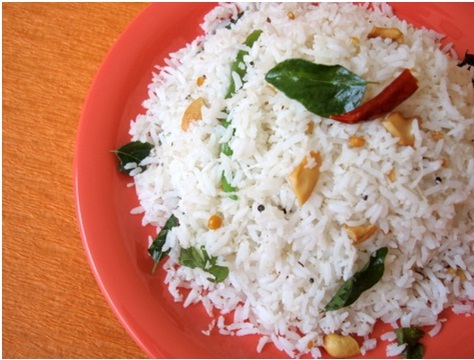
Pepper Rice

Pepper Rice For Winter

For this cold winter try something new – a traditional black pepper rice.  It can be a lunch item too.

Black pepper is a fruit and it an economically important cash crop. It has several health benefits. Ayurvedic system widely uses black pepper as a remedy for several such diseases.

It gives relief from respiratory disorders, coughs, the common cold, constipation, indigestion, anemia, impotency, muscular strains, dental disease, pyorrhea, diarrhea, and heart disease.

Try black pepper rice which is tasty and healthy this cold winter!

Ingredients:

1. White rice (your choice) 2.5 cups

2. 1 Tbs clarified butter (ghee)

3. 2 tsp black pepper

4. 2 tsp channa dal

5. 3 tsp urad dal

6. Grated coconut – 2 tsp

7. Asafoetida – as per your requirement

8. 1 string of curry leaves

9. 1 tsp mustard seeds

10. 1 Tbs broken cashew nuts

11. 1 Tbs ground nuts

12. Salt to taste

13. Coriander leaves – chopped 1/4 cup

 Preparation:

1) Cook rice in a rice cooker – rice should not be too soft.

2) In a pan heat clarified butter (ghee) and roast black pepper.

3) Allow pepper to cool and prepare powder.

4) In a deep pan heat ghee and add channa dal, urad dal, curry leaves, mustard seeds, cashew nuts, ground nuts and asafetida. Fry the ingredients till the aroma comes out! Turn of the flame.

5) Add rice, pepper powder and salt and mix well . While mixing add little more ghee.

6) Garnish with grated coconut and coriander leaves and serve hot.

*Do not add more pepper as it will be very spicy. Little amount as mentioned in ingredient list should be sufficient. One can always add more  crushed pepper if they want.

Recipe by:  www.werindia.com


Author: HealthyLife | Posted on:
« »
« »

Recommended for you

Most of what we know about vitamins resulted from research that occurred

  • over 2400 years ago in Greece during the time of Hippocrates
  • during the 1600’s in Europe
  • during the early 1900’s
  • in 1943 when the Recommended Dietary Allowances were established

The answer is: During the early 1900's


Author: HealthyLife | Posted on: December 5, 2016
« »
« »

Recommended for you

Raw Mango Recipe

Raw Mango Bhoota Gojju and Mango Chutney

You might find raw mangoes in the market. If so and if you like spicy foods then try these two delicious and tasty recipes- Mango bhoota gojju from North Karnataka, India and Mango chutney. Mangoes supply vitamin C and fiber. Mangoes are also good for bowl movement and helps in reducing constipation!

The two recipes given below tastes much better during rain and cold seasons!!

Mango bhoota gojju909

Ingredients:

  1. Raw mango -1
  2. Garlic – 3-5 cloves
  3. Green chilli – 2 to 3
  4. Coconut oil or cooking oil – 1 Tbs
  5. mustard seeds
  6. Curry leaves
  7. Salt to taste

Preparation:

  1. Cook mango till it becomes tender.
  2. In a pan add oil and fry garlic cloves. Add mustard seeds and curry leaves.
  3. Grind green chilli and mango pulp – transfer to a vessel and add salt. Boil this content.
  4. Add garlic, mustard and curry leaves and continue boiling for couple of minutes more.
  5. Serve mango bhoota gojju with rice. One can mix the rice with gojju – add little oil or clarified butter for taste.

Raw Mango Chutney

Ingredients:

  1. 1/2 tsp oil
  2. 4 tsp channa dal
  3. 2 tsp black gram dal
  4. 4 to 5 dry red chilies
  5. 1/2 tsp fenugreek seeds
  6. 1/4 tsp asafetida
  7. 1 cup coconut
  8. 1 medium raw mango, peeled
  9. Salt per taste

For seasoning

  1. 2 tsp oil
  2. 1/2 tsp mustard seeds
  3. 1 sprig curry leaves
  4. 1/4 tsp asafetida powder

Preparation:

  1. In a heavy bottomed pan, heat 1/2 tsp oil dry roast channa dal, black gram dal, red chillis and fenugreek seeds.
  2. Add coconut and asafetida and continue to roast for one more minute. Turn off the flame.
  3. Allow the mix to cool and add raw mango pieces – mix and transfer to a wet grinder.
  4. Add water and grind the mix to coarse paste. Transfer to a vessel.
  5. In a pan – heat the oil and add mustard seeds, curry leaves and asafetida. Prepare seasoning and transfer the seasoning to above mango chutney.
  6. Add salt and mix the content.
  7. Serve mango chutney with rice, chapati, idli, dose or mix with rice and serve.

Recipe: www.werindia.com

Image: Google


Author: HealthyLife | Posted on:
« »
« »

Recommended for you

Dakota Access Pipeline

Obama Denies Permit For Dakota Access Pipeline !!

On Sunday, approximately twenty thousand activists and water protectors gathered at the Sacred Stone Camp near Cannon Ball, North Dakota, in protest of the Dakota Access Pipeline. Cheers rang out as news spread of the US Army Corps announcing that it would not approve permits for construction of the Dakota Access Pipeline (DAPL).

Here comes the victory!

It is being reported that Barack Obama has denied the final permit for the Dakota Access Pipeline. The Secretary of the Army Corps of Engineers has told the Standing Rock Sioux Chairman David Archambault that the route for the Dakota Access pipeline has been denied.

The statement just released said:

“Today the Army Corp of Engineers announced its decision not to grant the easement to the Dakota Access Pipeline crossing the Missouri immediately above the Standing Rock Sioux Reservation, and to study alternate routes.”

David Archambault said of the breaking news announcement:

“I am thankful there were some leaders in the federal government that realized something was not right even though its legal. For the first time in history native American, they heard our voices. This is something that will go down in history and is a blessing for all indigenous people. I heard the army corp of engineers will not grant the easement and they will reroute. I would say that is it over.”

The decision essentially halts the construction on the 1,172-mile oil pipeline about half a mile south of the Standing Rock Sioux Reservation. The decision is also a victory for the thousands of demonstrators across the country that flocked to North Dakota in protest.

“Our prayers have been answered,” National Congress of American Indians President Brian Cladoosby said in a statement. “This isn’t over, but it is enormously good news. All tribal peoples have prayed from the beginning for a peaceful solution, and this puts us back on track.”

The DAPL will no longer be routed underneath a dammed section of the Missouri River that the Standing Rock Sioux tribe says sits near sacred burial ground. Concern for the pipeline’s development also includes the risk it could pose to the Indigenous peoples’ – and future generations’ – water supply.

Dakota-access-protest

However, as The Young Turks have been reporting over the past hour, even though this is a historic victory, we must all remain vigilant in continuing to oppose this pipeline entirely as well as promote wind and solar energies that are so needed at the moment.

Additionally, it must be remembered that Donald Trump has money in this pipeline working out and so the pressure must remain when he becomes President in late January.

This news comes on the day when over 2,000 military veterans have arrived at Standing Rock to help protect the water protectors. Included in the wave of veterans is Hawaii Democrat House Representative Tulsi Gabbard, who has long opposed the pipeline.

Read more here:

  • http://www.trueactivist.com/
  • http://www.npr.org/
  • http://thefreethoughtproject.com/
  • http://themindunleashed.com/

Author: HealthyLife | Posted on:
« »
« »

Recommended for you

African-Americans often need to pay special attention to the amount of salt in their diet because they have a much greater chance of developing:

  • cancer.
  • hypertension.
  • cardiovascular disease.
  • diabetes.

The answer is: Hypertension


Author: HealthyLife | Posted on: December 3, 2016
« »
« »

Recommended for you