Don't worry about the people in your past; There's a reason they didn't make it to your future.
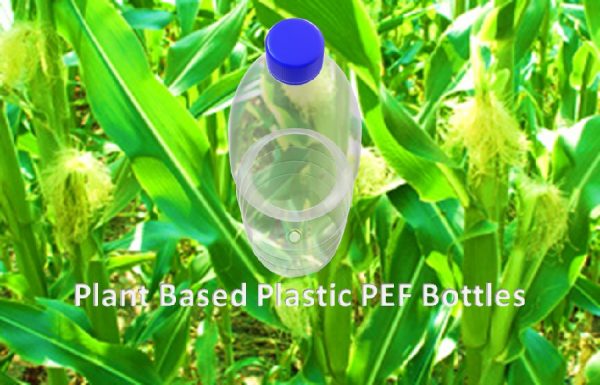
Plant Based Biodegradable PEF Plastic Bottles
There are many efforts to put an end to single use of plastics. If bigger companies take part in this effort it could be a role model and inspire others. Recently, many big companies like Coca Cola, L’Oreal have come together in support of projects for manufacturing of plant based biodegradable bottles.
There is a tremendous increase in single-use plastic and over the past five decades the production has nearly doubled. Beverage companies like Pepsi and Coca Cola are great contributors for single use plastic bottles and just beverage company’s production alone produce over 500 billion single use plastic in a year.
Coca Cola, Carlsberg, Danone and L’Oréal are the companies that are supporting the “Paper Bottle Project,” executed by Dutch renewable chemicals company Avantium, paper packaging developer BillerudKorsnäs, and bottle manufacturers ALPLA. The project will use plant-based sugar rather than fossil fuels to make bottles.
Carlsberg is one the four largest breweries in the world. It has been associated with Paper Bottle Company from longtime which is an organization that is committed to reduce plastic waste. Together with Carlsberg, Paper Bottle company has come up with project on developing the world’s first paper beer bottle made from sustainable sourced wood fiber that is both 100% bio-based that contain plant-based polymer PEF (polyester polyethylene-furanoate) which makes these bottles fully recyclable”.
The Netherland’s renewable chemicals company Avantium got support from beer-maker Carlsberg to make and sell it pilsner in cardboard bottles with inner layer lining of plant plastic. Says Avantium’s CEO, Tom Van Aken – “he hopes to get major investment for the world -leading bioplastics plant in Netherlands by end of this year”. Company wants to make plastics from plant sugars. This project has backing of Coca Cola and Danone. These companies want to tackle the damage caused by plastic bottles on the environment.
“This plastic has very attractive sustainability credentials because it uses no fossil fuels and can be recycled – but would also degrade in nature much faster than normal plastics do,” said Avantium chief executive Tom van Aken.
This plant PEF reportedly has better thermal barrier
properties than the standard PEF. Unlike other plastics, plant-based polymers
are 100% recyclable and degradable. One can rot them in a composter or reuse
them if they wish.
PEF could replace PET in applications like films, fibers and
bottles for the packaging of food and non-food products, juices, soft drinks,
water and alcoholic beverages.
Every now and then turn up your mouth corner into a smile! Humans need good laugh to get through the stress. Stress is part of our lives. Sometimes it can prolong long like Pandemic lockdown stress, stay home orders, job loss stress or relationship stress. In these situations, humor and laughter can take your stress away.
Stress and anxiety have great influence on our health, and well-being. However, managing stress is a skill and humor is not everyone’s cup of tea! Sometimes, we all need help to understand how to manage stress before situation goes out of our hands and we end up in illness. One way to manage stress is, by improving sense of humor and laugh more!
Laughing and improving sense of humor will help you to
reduce and eliminate stress. If you do not have sense of humor, you can learn!
Once you develop sense of humor, you will find things are not stressful as you
think.
How humor and laughter help relieving stress?
Your muscle feels relaxed and buoyant
It helps you to stay resilient
Improves immune system and makes it stronger
Relieves chronic pain
Helps you to communicate and get along with
others
Improves mood and relieves anger
Will help to get out of depression
How to improve sense of humor:
If you are not a pro at understanding humor, learn it. It is easy.
What makes you chuckle? Grab old and new photos, memories with siblings and friends, comics, greeting cards, childhood toys that brings smile and make you chuckle. Keep them or hang them in close vicinity. Funny wording, reading jokes, funny movies, funny cartoons (something like all-time favorite Tom and Jerry cartoon!) will boost humor.
Learn to laugh: Sometimes it is better to laugh loud at your own situations. It makes your heart go light. Eventually smiling and laughing becomes a habit. You don’t need to fake your smile. You should look at your situation from a different angle that brings smile naturally on your face. Join laughter yoga group where people laugh for no reasons and laugh becomes spontaneous. This will have positive effect on your mind.
Read jokes: Go for good jokes. Visit library or local bookstore. Read jokes online. Share jokes with family and friends. When they laugh, you will enjoy sharing jokes. Remember, your jokes should not hurt anyone. Understand what is fun and what is not. Don’t laugh at expense of others, you can joke at yourself and it is also sense of humor.
There are other simple ways to incorporate humor in your day to day life.
Watching stand up comedy on TV or videos, there will be something on internet. Spend few minutes watching, reading and listening to- memes, videos, jokes, blogs.
Talk to friends or family who exhibit sense of humor. Listen to them, learn from them.
Expert suggest, participating in games, dumb charades, karaoke, drawing funny characters designed to bring humor in mind are good for stress relief
In your dairy list out few funny things that happened to you in a day
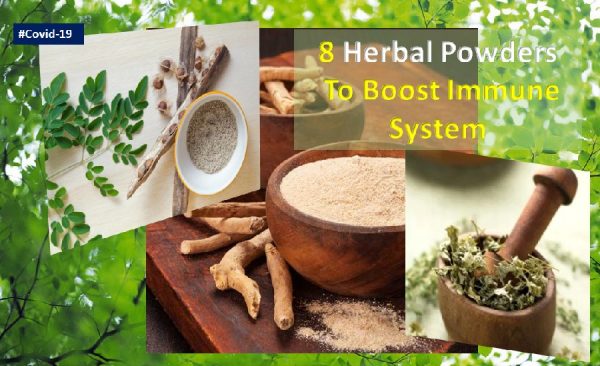
Plants are a gift to mankind. Do you know? Many of the natural products derived from plants are used in drugs and nearly 120 plus drugs we use today are originally derived from plant phytochemicals. There are many anticancer drugs are derived from plants approved for commercial use in the world. What this tell us is, plants have the capacity to help us to prepare and fight pandemic diseases such as current Covid-19. If you care about your health, consider including plants in your diet. Most plants that we consume today help us to fight several conditions. We can also include plant extract in our daily diet.
Many medicinal herbs are consumed preferably in powder form because of the particle size. Their absorption through system is greater and thus the biochemical ingredients are available easily to system. Many herbal powders are obtained from drying and processing entire parts of the plant or by drying leaves, fruits, bark, seeds and roots of the plants. There are many herbs in powder forms can be used as immune boosters, to -brings stamina, controls obesity, help in digestion, to bring down blood pressure, works on lymphoid, removes toxins, reduce inflammation and work on common cough and cold. A single herbal powder can do such wonders. What we need to find out is, which herbal powder is good for our system – is one herb or combination of herbs. Such herb/s can be added to smoothies, juices or taken with water or milk.
Next few slides will explain Eight such wonderful herbal powders one should have at home for overall health benefits.
Precautions for taking herbal powders:
Do not take herbal powder with alcohol
Do not consume herbal powders without proper dosage information
Pregnant women should seek doctors advise
Do not keep herbal powder at reach of children
If you are buying herbal powders get them from reliable sources and well-known brands
Read labels and understand the uses of herbs before consuming the herbal powder
Some herbal powders should be taken in cold or warm water and some in cold or warm milk
Sometimes different herbs are sold under same name. Beware of confusing names and false names.
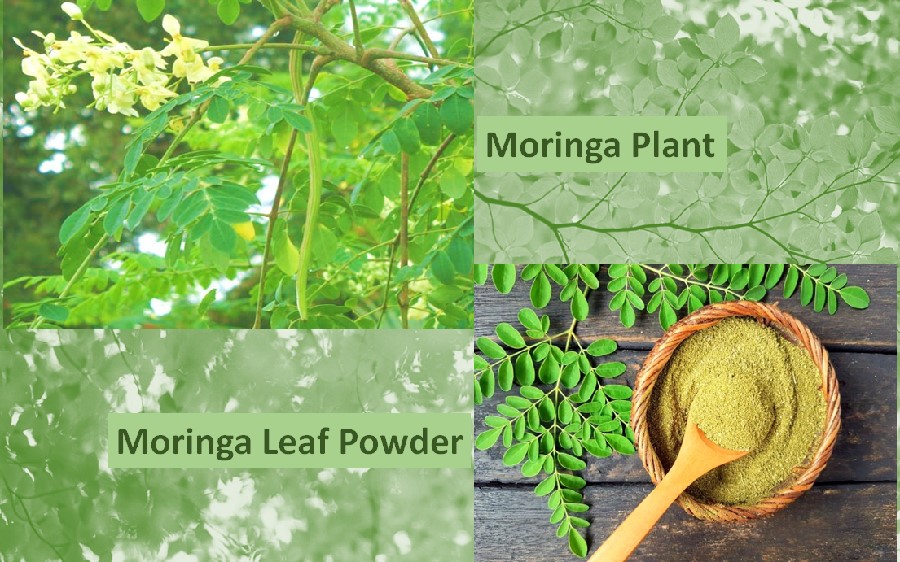
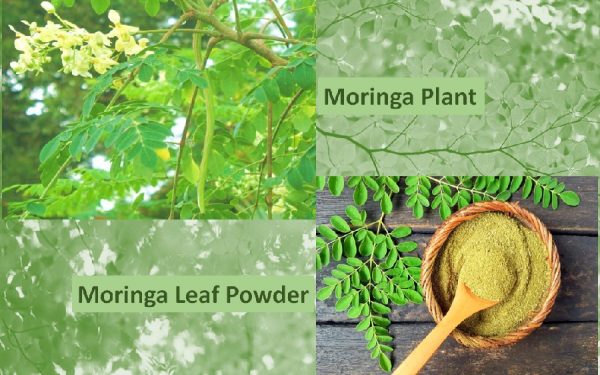
Moringa olifera, drumstick tree is cultivated for its nutritive values and health benefits. Tree is often referred to as herbal super-food. Both leaves and fruits are edible.
Moringa powder is prepared by drying and grinding leaves of Moringa tree. It is drought resistant plant and has been used in home remedies, Ayurveda and herbal remedies for many centuries. Drumstick is the common name for Moringa and it grows easily in tropical soil like in India. In Ayurveda it is referred as sigru which means “moves like an arrow” – because of its immune boosting properties and it helps cleanse and rejuvenates the body. Powder of the leaves rich in iron, vitamins -C, A, Calcium etc. Plant is said to aphrodisiac. Leaves powder “Moringa Powder” is popularly added to smoothies, plant protein drinks and in other food preparations.
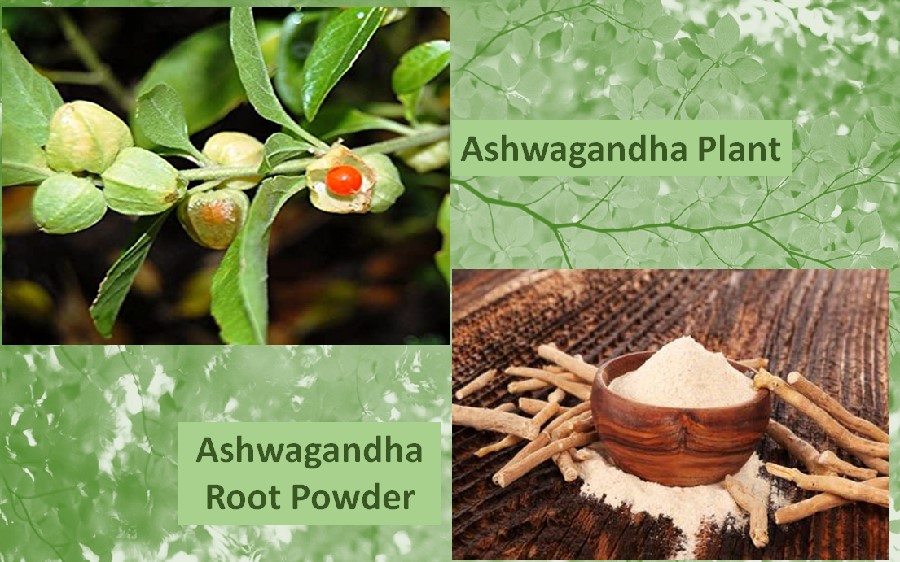
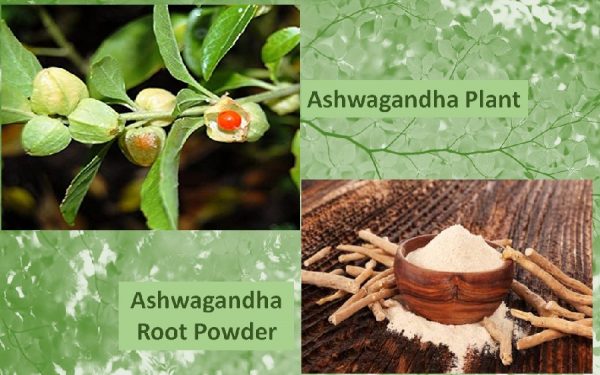
Botanical name for Ashwagandha is Withania somnifera, a highly admired herb in Ayurvedic system. It is an adaptogen and helps to sustain vital energy.
Plant is an evergreen shrub grows in India and Sri Lanka. Plant produces small flowers and red berries inside pod. Plant parts are used in herbal remedies and the plant is cultivated for its unique medicinal properties. The name Ashwagandha is given to plant because of the odor derived from root. It is also known as Indian ginseng due to its applications. Dried root powder has many benefits. The main reason to have Ahwagandha powder at home is, it acts as sedative and promotes restful sleep.
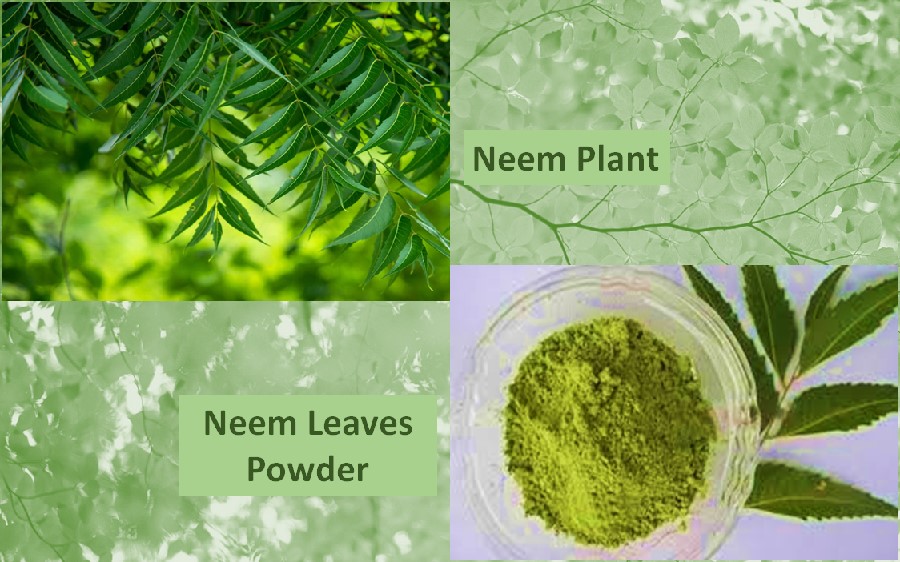
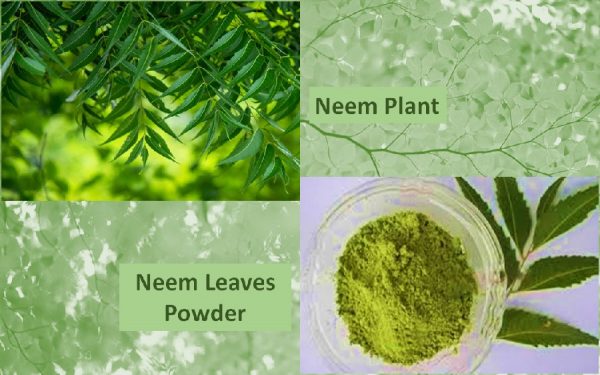
Neem tree, Azadirachta indica is tropical evergreen tree. It produces beautiful white flowers. Entire plant parts are used in herbal remedies, in Ayurveda and home remedies for both external and internal uses. It deals with many types of body conditions and can be combined with other medicinal herbs.
Neem contains azadirachtin and antioxidants. Neem leaf powder, neem oil, neem dry flowers, neem bark, neem fresh leaves – all part of the plants are useful for humans. It is also referred as Indian Lilac tree. Having neem tree around house said to bring clean air and removes microbes!
Neem leaf powder is worth having at home. It is good for overall
health as it has antimicrobial property and is a good detoxifying agent.
Benefits of having neem leaf powder:
It removes excess kapha and pitta (according
to Ayurveda)
Detoxifies blood and liver
Enhances hair growth, reduces and removes dandruff
Good for skin health, rejuvenates skin,
maintains skin complexion
Good for dental health, prevents decay of
teeth and promotes oral health
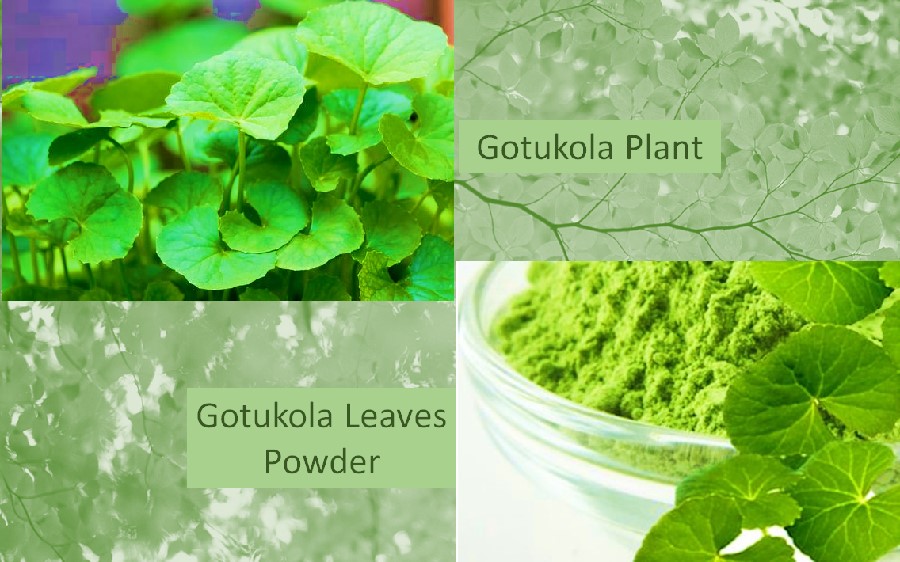
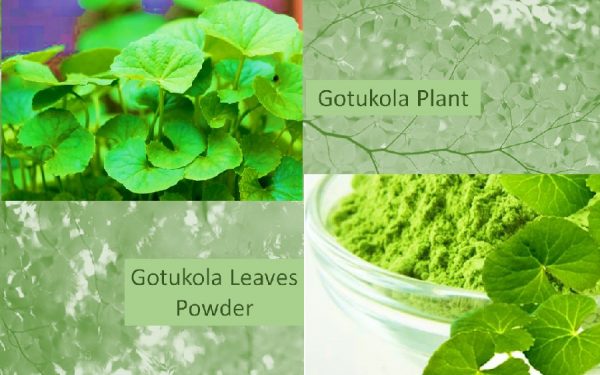
Centella asiatica is the botanical name of gotukola. It is a well known herb for nervous disorders and commonly called as “brain tonic herb” and wellness herb. It contains asiaticoside that helps in overall health. Plant spreads and grows wild through its roots. Some people confuse Centella with Brahmi herb (Bacopa moneri). Both herbs are different.
Centella leaves that are green circular shaped are used both
raw and dry in Ayurveda and home remedies. Leaves are used in preparing dishes,
in salad and medicines.
Dried leaves powder of gotukola has several health benefits:
It acts as a tonic to brain, nervous system, improves concentration and alertness
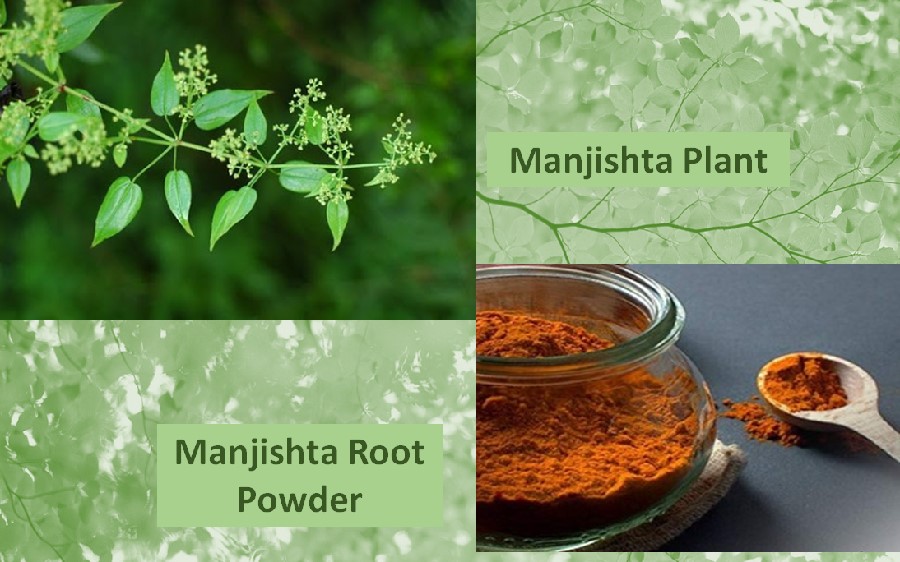
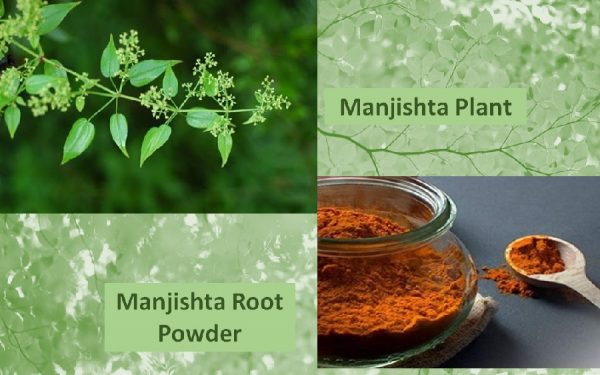
Scientific name of Manjishta is Rubia cordifolia. It is commonly known as Indian madder. It belongs to coffee family and cultivated for its high medicinal values. The red pigment derived from the roots has many endless benefits.
Manjishta is an astringent herb used for cleansing and
purification of liver, blood and lymph! It also exhibits anti-inflammatory,
anti-microbial properties. The dried root powder has many application and
exported to many parts of the world from India.
The main reasons one should consider having Manjishta
root powder: