All posts by Sumana Rao

Don't worry about the people in your past; There's a reason they didn't make it to your future.
Pets are Natural mood Enhancers!

Pets are Natural mood Enhancers!

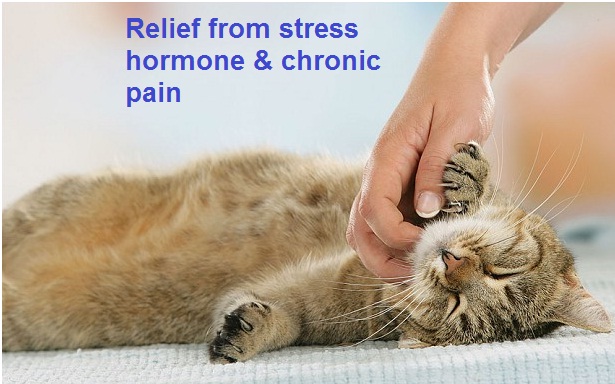
When you have a pet around you, it feels like you have a greater control of your life. People with pets are generally happier, more trusting, and less lonely than those who do not have pets. They also visit the doctor less often for minor problems. It only takes a few minutes with a dog, cat, or watching fish swim to feel less anxious and less stressed. Your body actually goes through physical changes in that time that make a difference in your mood. The level of cortisol, a hormone associated with stress, is lowered. And the production of serotonin, a chemical associated with well-being, is increased. Reducing stress saves your body wear and tear.


Author: Sumana Rao | Posted on: August 11, 2021
« »
« »

Recommended for you

Benefits for Baby’s Immune System

Benefits for Baby’s Immune System

Babies raised in families that have pets may be less likely to get allergies and asthma, some studies show. It has to start early, ideally before a baby is 6 months old. Research studies show that babies with dogs or cats at home have fewer colds and ear infections during their first year than babies living in pet-free homes. Researchers think that exposure to pet dander, as well as the microbes that pets carry into the home from outdoors, could prime babies’ still-developing immune systems and train them early to fend off assaults from common allergens and bugs, such as from animals or other bacteria and viruses (http://healthland.time.com). A research finding in Journal of Allergy and Clinical Immunology — shows that children exposed early on to animals tend to develop stronger immune systems overall.


Author: Sumana Rao | Posted on:
« »
« »

Recommended for you

Social Support for Autistic & ADHD Children

Social Support for Autistic & ADHD Children

Kids tend to relate better to their classmates who have autism when pets are in the classroom a research finding says. Once the children get involved with animals, they view each other more positively and work together better. Kids with ADHD can benefit from working with and keeping a pet. Taking charge of the jobs on a pet care schedule helps a child learn to plan and be responsible. Pets need to play, and playing with a pet is a great way to release excess energy. That means an easier time falling asleep at night. And because the bond between a pet and a child is unconditional love, pets help children with ADHD learn about self-esteem.


Author: Sumana Rao | Posted on:
« »
« »

Recommended for you

Relief from that Chronic pain

Relief from that Chronic pain

A Mexican hairless dog called a Xolo is known for generating intense body heat. An organization called Paws for Comfort trains Xolos to be service dogs for people with fibromyalgia and other forms of chronic pain that respond to heat. People get relief just by placing their hurting limbs against the dog’s body or lying up next to it. Some dogs have even been trained to ride around wrapped around the neck of a person with chronic neck pain.


Author: Sumana Rao | Posted on:
« »
« »

Recommended for you

Fitness with Pet

Fitness with Pet

People who own dogs and horses tend to be more physically active and less obese than people who do not. Taking your dog for a walk or riding horse for a daily 30-minute will keep you moving and ensure that you meet the minimum recommendations for healthy physical activity. Running with and chasing dogs and playing with dogs is a natural body exercise for those who do not want to go to gym.


Author: Sumana Rao | Posted on:
« »
« »

Recommended for you

Arthritis Pain Relievers!

Arthritis Pain Relievers!

Stretching is very important if you have arthritis. You also know it can be hard to know when you are stretching enough. Cat owners may want to learn from their cat. Watch how many times she stretches every day, and when she does, you do it too. If you can, get down on the floor and go through the same motions. If you cannot get on the floor, sit on a chair and follow along by stretching your upper body. There are many YouTube videos are available to see how cats and dogs have fun while their humans perform yoga and other exercises.


Author: Sumana Rao | Posted on:
« »
« »

Recommended for you

Melioidosis infection in USA

CDC Warns About Infectious Rare Illness Melioidosis In United States

Melioidosis is a bacterial infection which is a rare disease caused by Burkholdria pseudomallei saprophytic gram-negative bacillus. Another name of Melioidosis is Whitmore’s disease. This infectious disease generally appears in tropical countries like Southeast Asia and Northern Australia. Recently the Centers for Disease Control and Prevention (CDC) of USA has confirmed appearance of this disease in different states resulting in death of two out of four patients.

The Centers for Disease Control and Prevention (CDC) has confirmed a new fatal case of the rare disease melioidosis in Georgia that is linked to three previous cases in different states. The cases have included adults and children. Two of the four patients had no known risk factors for melioidosis; two died.

Sequencing of bacteria showed that the samples collected from four different states closely match each other which means the bacteria originated from common source. The strain appears closely related to the strain from South Asia. Interesting factor is none of the four patients has not traveled internationally!

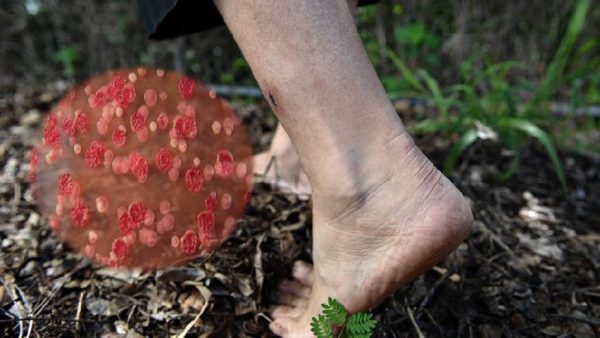
The bacterial lives in soil and water and in some circumstances can be found in wet or moist contaminated products where bacteria grow. Soil and water samples collected from patients’ house for further testing and so far none of the samples have tested positive for the bacteria Burkholderia pseudomallei, which causes melioidosis. The possible origin of the bacteria could be through imported food or drink or medicines or personal cleaning products or from the ingredients of the similar types of products -according to CDC.

Reasons for difficulty in identification of the source of infection is due to patients are living in different places and the time of the illness began at different time. All four patients could have been exposed to hundreds of such products where bacteria thrives. Moreover, the bacteria takes nearly three weeks to make someone sick and symptoms appear.

  • Transmission of melioidosis is from direct contact of contaminated soil and water.
  • Inhalation of dust or water droplets, drinking or ingesting contaminated food and water or contaminated soil through skin abrasions

Symptoms of melioidosis: Because of complexity of  the symptoms, it could be mistaken for pneumonia or tuberculosis diseases. Generally, symptoms appear within three to four weeks.

  • Localized infection could result in: pain and swelling, fever, ulceration, abscess
  • Pulmonary or lung infection symptoms like: cough, high fever, headache, chest pain, anorexia
  • Blood infection: fever, headache, respiration problem, stomach discomfort, disorientation, pain in joints
  • Disseminated Infection symptoms could result in : weight loss, stomach pain, muscle and joint pain, central nervous system infection and, seizures

Pre-existing conditions such as liver problem, diabetes, renal disease, cancer, chronic lung conditions and AIDS patients are at higher risk of Melioidosis infection.

Prevention: CDC advising people to take extra precautions to combat the fatal bacteria. Here are CDC’s precautions for those who work with soil, water and take care of patients.

  • Persons with open skin wounds and those with diabetes or chronic renal disease are at increased risk for melioidosis and should avoid contact with soil and standing water.
  • Those who perform agricultural work should wear boots, which can prevent infection through the feet and lower legs.
  • Health care workers can use standard precautions when treating patients with melioidosis to help prevent infection.

Treatment: Notify your physicians and get test done. Your doctor will tell you what medicines and treatments one can take (intravenous therapy or oral antimicrobial treatment )

For more information on Melioidosis please visit: https://www.cdc.gov/media/releases/2021/s0909-melioidosis.html

Image credit: https://www.omicsonline.org/ & www.cdc.gov


Author: Sumana Rao | Posted on: August 10, 2021
« »
« »

Recommended for you

Global poverty

Economic impact of COVID-19 and worsening inequalities

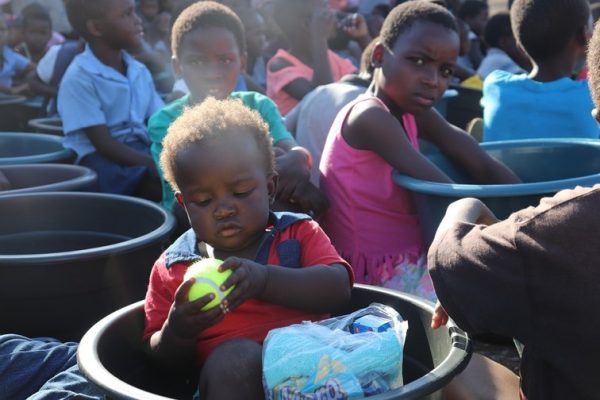
Food and Agricultural Organization UN,  World Health Organization in association with UN children’s fund recently released a press report regarding the impact of Covid-19 on economy and in turn its further impact particularly on children and maternal diets in Asia and Pacific countries. According to the report more than 1.9 billion people were unable to afford healthy food  before pandemic and Covid-19 has further damaged livelihoods of the individuals causing problem of malnutrition.

With increase in price on basic food and dairy products globally, it is becoming impossible for poor people in these regions to accomplish healthy diets. There is a fear of worsening inequalities will fuel malnutrition for billions in Asia and the Pacific – Healthy Life

The economic impact of COVID-19 on the world’s most populous region is threatening to further undermine efforts to improve diets and nutrition of nearly two billion people in Asia and the Pacific who were already unable to afford healthy diets prior to the pandemic, says a new report published today by four specialized agencies of the United Nations.

The report found that 1.9 billion people were unable to afford a healthy diet, even before the COVID-19 outbreak and the damage it has since caused to economies and individual livelihoods.

Due to higher prices for fruits, vegetables and dairy products, it has become nearly impossible for poor people in Asia and the Pacific to achieve healthy diets, the affordability of which is critical to ensure food security and nutrition for all – and for mothers and children in particular.

Food prices and available incomes govern household decisions on food and dietary intake. But the outbreak of COVID-19 and a lack of decent work opportunities in many parts of the region, alongside significant uncertainty of food systems and markets, has led to a worsening of inequality, as poorer families with dwindling incomes further alter their diets to choose cheaper, less nutritious foods.

Making nutritious foods affordable and accessible

More than 350 million people in the Asia and the Pacific were undernourished in 2019, or roughly half of the global total. Across the region, an estimated 74.5 million children under 5 years of age were stunted (too short for their age) and 31.5 million suffered from wasting (too thin for height). The majority of these children live in Southern Asia with nearly 56 million stunted and more than 25 million wasted. At the same time, overweight and obesity has increased rapidly, especially in South-Eastern Asia and the Pacific, with an estimated 14.5 million children under 5, being overweight or obese.

Poor diets and inadequate nutritional intake is an ongoing problem. The cost of a healthy diet is significantly higher than that of a diet that provides sufficient calories but lacks in nutritional value, showing significant gaps in the food system to deliver nutritious options to all at an affordable price. These costs are even greater for women and children, given their added nutritional needs.

The report calls for a transformation of food systems in Asia and the Pacific, with an aim to increase the affordability of, and families’ access to, nutritious, safe, and sustainable diets. Nutritious and healthy diets need to be accessible to everyone, everywhere. To ensure that happens, the report recommends integrated approaches and policies are needed.

These steps are vital to overcome unaffordability issues, and also to ensure healthy maternal and child diets.

Improving maternal and child diets requires strengthening vital systems

Nutrition is vitally important throughout a person’s life. The impact of a poor diet is most severe in the first 1000 days, from pregnancy to when a child reaches the age of 2. Young children, especially when they start eating their “first foods” at 6 months, have high nutritional requirements to grow well and every bite counts.

Mainstreaming nutrition-focused behaviour change campaigns throughout these systems should lead to greater knowledge uptake and sustainability of behaviours helping people to achieve healthy diets.

Education on what constitutes a healthy diet and how to create hygienic environments at home, in schools and in the community, together with investment in girl’s education and infrastructure that underlies good water, sanitation and hygiene practices, are critical.

Therefore, providing a nutritious, safe, affordable and sustainable diet for all requires coordinating with partners in the Food, Water and Sanitation, Health, Social Protection and Education systems, to collectively create an enabling environment.

Greater attention is also needed to operationalize national policies and plans to improve the delivery of health services for maternal and child diets and good nutrition outcomes. Services to improve the diets of mothers and young children should be prioritized as part of the essential package of health services needed to address undernutrition, overweight and obesity and to achieve universal health coverage.

In the meantime, social protection efforts can protect and stabilize incomes and improve access to healthy diets during disasters and crises. At least nine governments in Asia and Pacific have established a targeted mother and child COVID-19 component in their social protection systems. However, more data collection and analysis are needed to document the effectiveness of social protection in improving maternal and child diets in the region.

Bringing everyone to the table

Food systems play a critical role in achieving food and nutrition security for all. A sustainable and nutrition-sensitive food system is essential to produce diverse and nutritious foods for healthy diets. Improved efficiency and productivity of value chains can reduce the costs of essential foods to make them more affordable.

These actions are needed now more than ever because the face of malnutrition is changing in Asia and the Pacific, with highly processed and inexpensive foods readily available throughout the region. These foods are often packed with sugar and unhealthy fats and lack the vitamins and minerals required for growth and development. Consumption of these foods increases the risk of obesity, diabetes and cardiovascular disease.

Governments need to invest in nutrition and food safety in fresh and street food markets to promote healthy diets. Regulation of sales and marketing of food for consumers, especially children, is important to curb overweight, obesity and related diseases and illness. 

The report also calls for action within the private sector, as it has an important role to play in supporting the transformation of the food system and its value chains for achieving healthy diets.

Leveraging these systems, in a coordinated fashion that expands the opportunities to address barriers to accessing and consuming healthy diets, will help countries and the people of Asia and the Pacific recover faster from the economic impact of COVID-19, and be better prepared for future crises.

The report, ‘ Asia and the Pacific Regional Overview of Food Security and Nutrition 2020: Maternal and Child Diets at the Heart of Improving Nutrition’ launched in Bangkok, is jointly published by the Food and Agriculture Organization of the United Nations, the United Nations Children’s Fund, the World Food Programme and the World Health Organization.

For more please visit: https://www.who.int/westernpacific/news

Image by: Image by mongi Nkhosi from Pixabay (Free for commercial use)


Author: Sumana Rao | Posted on: August 9, 2021
« »
« »

Recommended for you