Say NO To Drugs Today!
Author: Sumana Rao | Posted on: October 7, 2021
« To Be Healthy Consider Volunteering Difference Between COVID-19 & Seasonal Allergy Symptoms »
Seated forward bend is beginner’s yoga pose with multiple health benefits. Performing this pose gives relief to nervous system, improves digestion. In addition, it tones abdomen and reduces belly fat. This pose stretches the muscle and spine and helps to bend forward. For many this is a calming pose as it reduces anxiety and stress. Women who suffer from menopause symptoms and menstrual pain can get relief by performing this pose – Healthy Life
LEVEL : Beginner
Anatomy: Glutes, Hamstrings, Legs, Lower Back
Pose Type: Forward Bend, Seated
Sanskrit :Paschimottanasana (POSH-ee-moh-tan-AHS-anna) pashima = west uttana = intense stretch, extended
BENEFITS:
CONTRAINDICATIONS
HOW TO
MODIFY OR REPLACE
Alternatives:
Viparita Karani (Legs Up the Wall pose)
Modifications:
Microbend your knee if you feel a stretch behind the joint. You want to feel the stretch in your hamstrings and calves, but not behind the knee.
SEQUENCING TIPS
Before:
After:
TEACHING CUES
WATCH OUT FOR
This article and image reproduced here with prior permission from BeYogi.com. For more poses visit beyogi.com
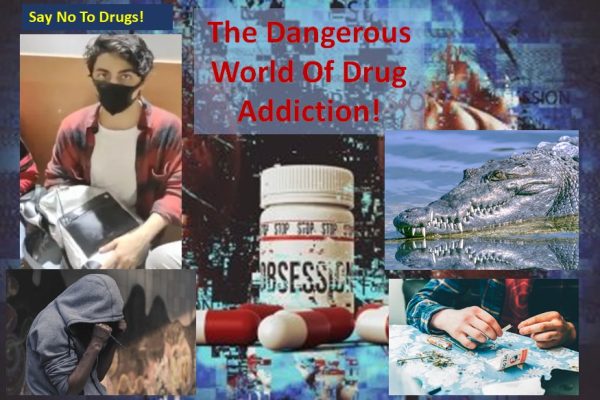
Two days back, Indian film star Shah Rukh Khan’s son Aryan Khan was arrested by the Narcotics Control Bureau (NCB) during a very major drug bust on a cruise ship near Mumbai. He is booked for the possession, consumption, and sale of illegal substances. This came as a shock to many, as people have not yet forgotten the death of Sushanth Singh Rajputh fondly known as SSR. Sushanth’s death has resulted in revealing a major drug mafia in Bollywood industry.
This is not the first time Indian celebrities are arrested for their illegal acts. People look up to these actors and they are supposed to be the role models for youth. However, in recent years people are losing hopes and interest in film fraternity for their irresponsible behaviors.
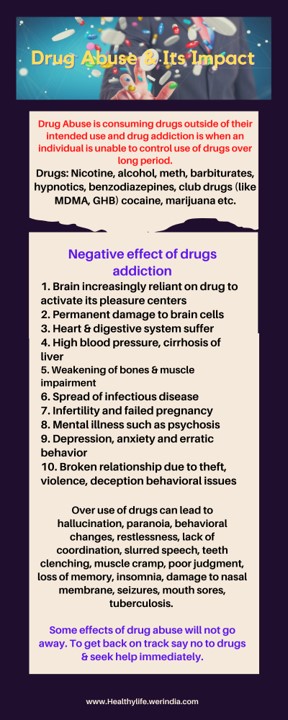
Why and what makes people take drugs? Why it is so dangerous? What is drug addiction or drug abuse? Time to time it is essential to remind and teach younger generation about the dangerous world of narcotics and drug abuse.
Addiction is a chronic, often relapsing brain disease that causes compulsive drug seeking and use, despite harmful consequences to the addicted individual and to those around him or her. Many people do not understand why or how other people become addicted to drugs. It can be wrongfully assumed that drug abusers lack moral principles or willpower and that they could stop using drugs simply by choosing to change their behavior.
In reality, drug addiction is a complex disease, and quitting takes more than good intentions. In fact, because drugs change the brain in ways that foster compulsive drug abuse, quitting is difficult, even for those who are ready to do so. Through scientific advances, we know more about how drugs work in the brain than ever, and we also know that drug addiction can be successfully treated to help people stop abusing drugs and lead productive lives.
Remember: Drug abuse and addiction have negative consequences for individuals and for society.
Image credit: https://www.needpix.com/photo/download/1650971/drugs-stop-drug-abuse-drug-addiction-free-pictures-free-photos-free-images-royalty-free (Free for commercial use)
.
Drug Abuse Statistics: Click here to know more
Types of Drugs: Click here to know more
And There is Krokodil: Click here to know more

Why do people take drugs?: Click here to know more

Harmful World of Drugs: Click here to know more
Reasons of Drug Addiction: Click here to know more
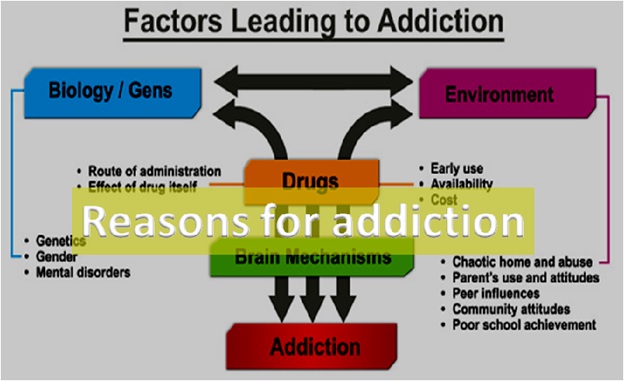
What Is The Problem With Drugs?: Click here to know more
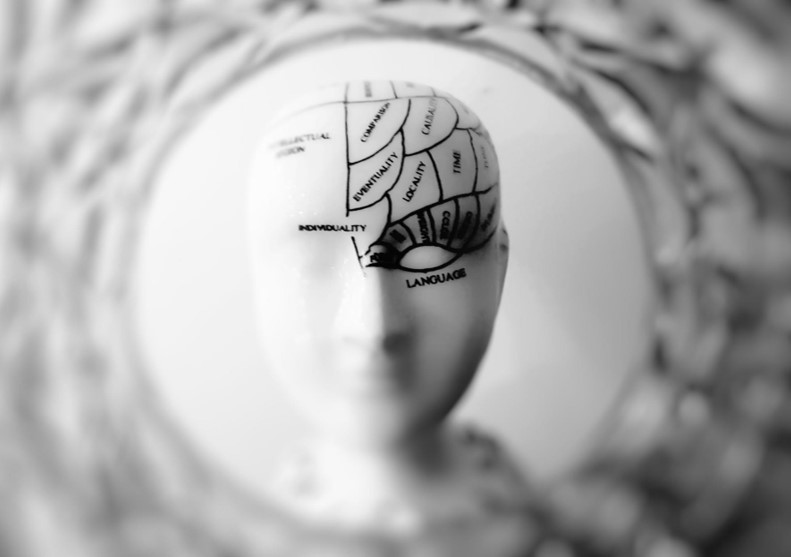
Consequences of Drug Addiction: Click here to know more
.

For more please visit:
Abuse of and addiction to alcohol, nicotine, and illicit and prescription drugs cost Americans more than $700 billion a year in increased health care costs, crime, and lost productivity. It is estimated that 1 in 20 adults, or a quarter of a billion people aged 15-64 years, used at least one drug in 2014. Although trends in drug use vary across regions, as does updated reporting on data, the extent of drug use among the world population has remained stable over the past four years. Almost 12 per cent of the total number of people who use drugs, or over 29 million people, are estimated to suffer from drug use disorders.
The production of drugs may be divided into three categories:
(a) those processes which require only plant products,
(b) those involving a semi-synthetic process where natural materials are partly changed by synthetic substances to produce the final product and
(c) processes which use only man-made chemicals to produce consumable drugs.
Drugs under international control include amphetamine-type stimulants, coca/cocaine, cannabis, hallucinogens, opiates and sedative hypnotics. Countries have decided to control these drugs because they pose a threat to health.
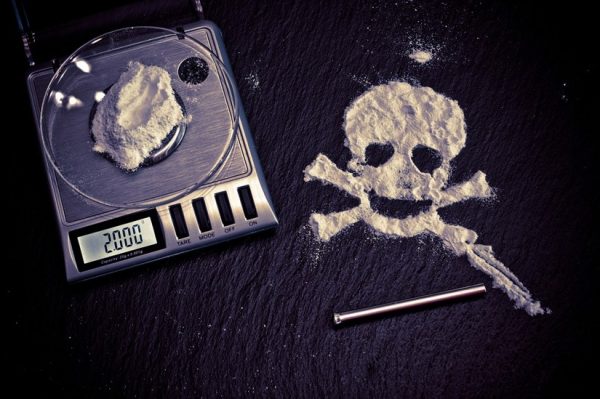
Image credit: Image by A_Different_Perspective from Pixabay (Free for commercial)
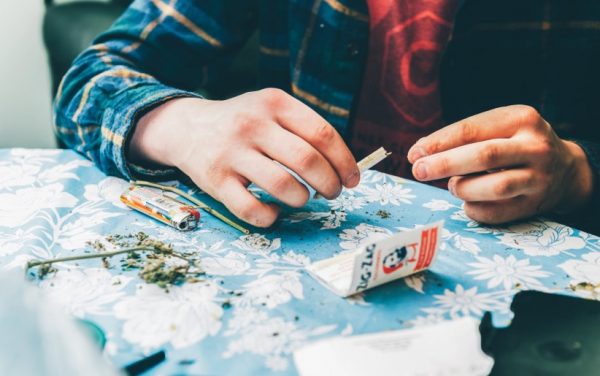
Cannabis: Cannabis is a tobacco-like greenish or brownish material made up of the dried flowering tops and leaves of the cannabis (hemp) plant. All forms of cannabis are usually smoked. Cannabis resin and oil can also be ingested orally or brewed in tea. Cannabis can make users feel relaxed and heighten their sensory awareness. Thus, users may experience a more vivid sense of sight, smell, taste and hearing.
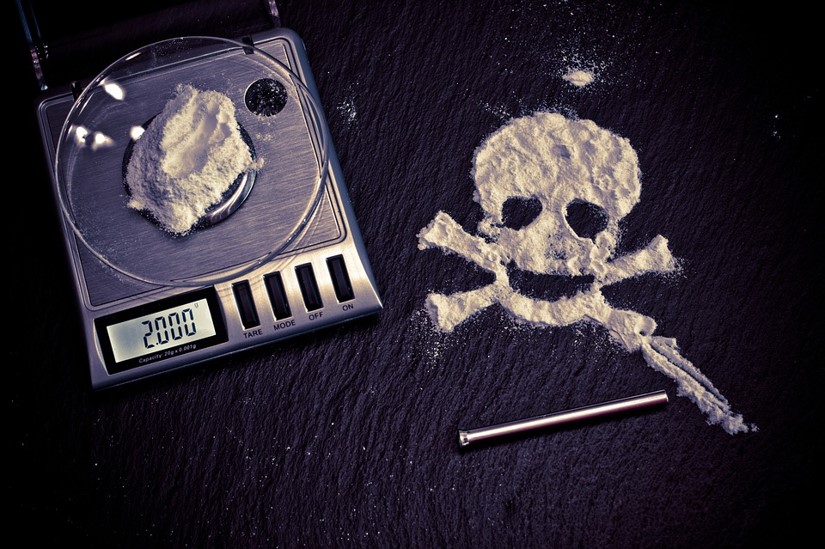
Cocaine: Cocaine is a fine white or off-white powder that acts as a powerful stimulant. In its pure form, cocaine is extracted from the leaves of the coca plant. Cocaine is usually sniffed/snorted or injected, whereas crack is smoked. Crack is cocaine that has been further processed with ammonia or sodium bicarbonate (baking soda) and looks like small flakes or rocks. Cocaine can make users feel exhilarated and euphoric. Furthermore, users often experience a temporary increase in alertness and energy levels, and a postponement of hunger and fatigue.
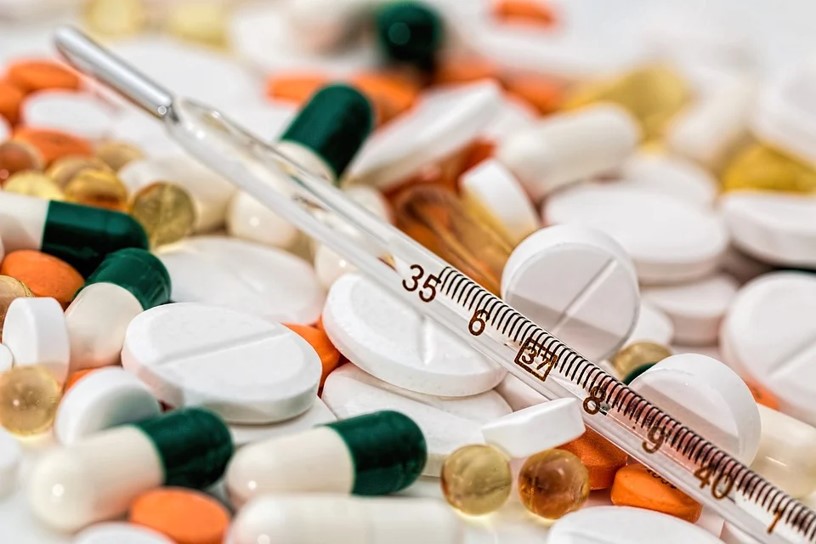
Ecstasy: Ecstasy is a psychoactive stimulant. In fact, the term “ecstasy” does not refer to a single substance, but rather to a range of substances similar in chemistry and effects. It is usually taken orally but can also be snorted or injected. Ecstasy can heighten users’ empathy levels and induce a feeling of closeness to people around them. It is often used at “rave parties” to increase participants’ sociability and energy levels.
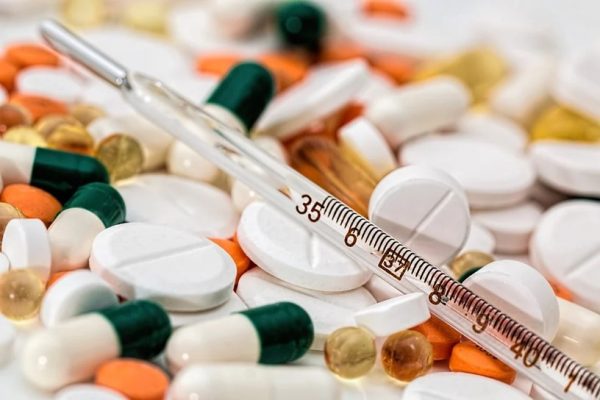
Image credit: Image by sammisreachers from Pixabay (Free for commercial use)
Hallucinogens: Hallucinogens, or “psychedelics”, are drugs that alter users’ state of consciousness and produce different kinds of hallucinations. It is usually swallowed. Taking LSD leads to strong changes in thought, mood and senses in addition to feelings of empathy and sociability.
Heroin: Heroin is an addictive drug with painkilling properties processed from morphine, a naturally occurring substance from the Asian opium poppy plant. It is usually injected but can also be snorted, smoked or inhaled. It is usually injected but can also be snorted, smoked or inhaled.
Methamphetamine: Methamphetamine is part of the group of drugs called amphetamine-type stimulants (ATS). It is a synthetic drug that is usually manufactured in illegal laboratories. It can be swallowed, sniffed/snorted, smoked or injected. Methamphetamine stimulates a feeling of physical and mental well being, as well as a surge of euphoria and exhilaration. Users experience a temporary rise in energy, often perceived to improve their performance at manual or intellectual tasks.
Krokodil: Desomorphine, known by the street name krokodil, is an opioid derivative of codeine. Like heroin and other opioids, it has a sedative and analgesic effect, is highly addictive, and potentially harmful. Krokodil is considered as one of the deadliest drug as it has severe harmful affect on body – patches of flesh turning dark and scaly, like a crocodile’s body and it is flesh eating drug!
References:
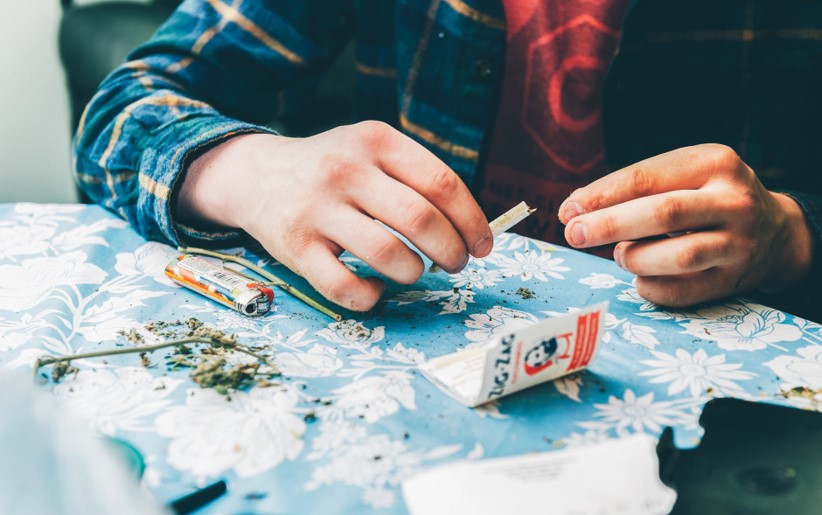
For many reasons people take drugs.
Sometimes for fun, pear pressure, to feel good, stress etc.
Common reasons are:
Addiction is a lot like other diseases, such as heart disease.
Both disrupt the normal, healthy functioning of the underlying organ, have serious harmful consequences, and are preventable and treatable, but if left untreated, can last a lifetime.
People of all ages suffer the harmful consequences of drug abuse and addiction.
Image credit: Photo by Harrison Haines from Pexels (Free for commercial use)