Why Should We Avoid Processed Foods
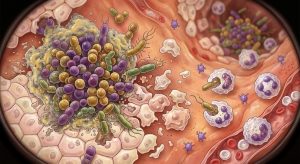
Processed food is any food that has been altered in some way during preparation and processed to stay for days. Processing food can be – freezing, cooking, drying, canning. Not all processed foods are unhealthy.

Processed food is any food that has been altered in some way during preparation and processed to stay for days. Processing food can be – freezing, cooking, drying, canning. Not all processed foods are unhealthy.

ecently Sri Lanka has taken strict measures to safeguard plant health by using PCE or Phytosanitary Capacity Evaluation. How the process is done is explained by FAO of United Nations
Under Eat Right India movement Food Safety and Standards of India is trying to increase safe food habits for the consumers. Jago Grahak Jago is the campaign organized by Department of consumer Affairs is creating awareness of consumers responsibility and rights regarding the food products.
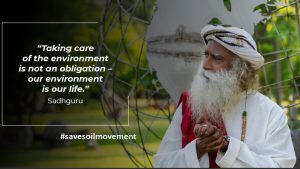
Save soil is a global movement that was launched by Sadguru Vasudev. This mission is to address the the soil crisis globally by bringing people together to take care of soil health and supporting those who are working to improve and increase the organic content in cultivable soil.

Can you imagine yourself trapped in an emergency where food is not available, and you struggle to survive. Well, don’t worry! A team of scientists from Swiss federal Institute of Technology in Lausanne (EPFL) has developed a technology using drone to provide food for those who are stranded in such situation
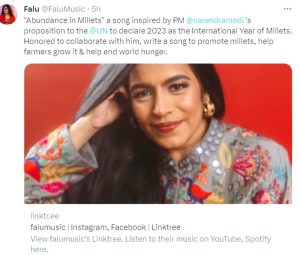
India’s Prime Minister Narendra Modi’s initiative resulted in declaring year 2023 as “Year of Millets”. Now, PM Modi in collaboration with Grammy Award winning singer Falu and her husband Gauav Shah bringing out song “Abundance in Millets” to promote the importance of millets. The song which released on June 16th promotes millets while highlighting the importance of millets and potential to alleviate the world hunger.
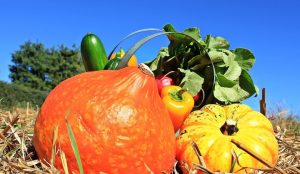
Health and diet are one of the most common topics that is involved in discussion, debate and daily talk. Health-conscious person understand why it is important to focus on good diet, what food we should be eating daily and how to focus on family health. Health-conscious individuals buy fresh produce, cook food at home and be selective while eating out. One of the important issues that these individuals should be concerned about is “where the produces are coming from, how they are grown
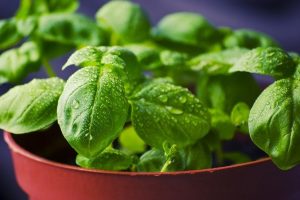
Plant based will be the food trend of year 2018. It means, Plant based food is in demand.
Voiceover Credits: AI-generated narration created by Canva AI
 © 2026 Copyright. All Rights reserved.