








 Fusion
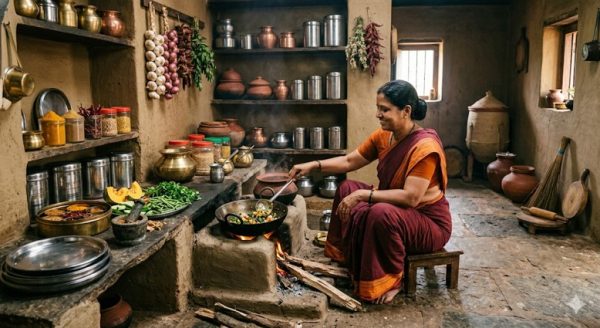
How Global Food Systems Are Threatening Local Cuisines And Why It Matters
In today’s connected world, food travels faster than ever. Supermarkets produce stocks from thousands of miles away, and fast-food chains serve identical meals in cities across the globe. While this global food system has increased convenience and variety, it has also created a silent crisis: the gradual disappearance of local cuisines. This shift affects not just what we eat, but also our health, culture, biodiversity, and the future of sustainable food.
Food activism begins in our kitchens—and every meal can be an act of change.
The rise of a globalized plate: Global food systems are shaped by large corporations, industrial agriculture, and international trade. These systems prioritize efficiency, profit, and mass production. As a result, foods that are easy to grow, transport, and market dominate the global market.
Staple crops like wheat, corn, and soy now account for a substantial portion of the world’s calories. While these crops are important, their dominance has reduced the diversity of food grown and consumed across cultures. According to organizations like the Food and Agriculture Organization, thousands of traditional crop varieties have already disappeared in the past century.
This loss of diversity directly impacts local cuisines, which evolved over centuries based on regional climate, soil, and cultural traditions.
Fast food vs. traditional food: One of the biggest threats to local cuisines is the rapid spread of global fast-food culture. International chains such as McDonald’s and KFC offer affordable, convenient meals that appeal especially to younger generations.
As these foods become more accessible, traditional cooking practices decline. Many young people grow up disconnected from their culinary heritage. Skills such as fermenting, pickling, slow cooking, and using seasonal ingredients are being replaced by processed and packaged foods.
Over time, this leads to cultural homogenization—where foods start to look and taste the same everywhere.
The disappearance of indigenous and traditional foods: Local cuisines often depend on native crops and traditional farming. However, global markets encourage farmers to switch to high-yield, export-friendly crops instead of traditional varieties.
For example:
- Ancient grains are replaced by refined wheat
- Local vegetables are replaced by hybrid varieties
- Traditional seeds are lost
When local foods disappear, so do the stories, rituals, and identities tied to them.
Impact on health and nutrition: Local cuisines are often more balanced and adapted to regional needs. Traditional vegetarian diets, for example, are rich in fiber, plant proteins, and diverse micronutrients.
Globalized diets, however, tend to be:
- High in ultra-processed foods
- Rich in sugar, salt, and unhealthy fats
- Low in diversity
This shift is linked to rising rates of obesity, diabetes, and chronic inflammation worldwide. The transition away from traditional diets also weakens gut health and reduces resilience against disease.
Loss of biodiversity and environmental sustainability: Traditional cuisines rely on biodiversity. When people eat a wide variety of foods, farmers are encouraged to grow diverse crops. But global food systems promote monocropping, which:
- Degrades soil
- Reduces resilience to climate change
- Harms pollinators and ecosystems
Experts from the Intergovernmental Panel on Climate Change highlight that food diversity is essential for climate resilience and sustainable agriculture. Protecting local cuisines can therefore help protect the planet.
Cultural identity and food sovereignty: Food is more than nourishment—it is memory, culture, and identity. Recipes are passed through generations and often connect people to their heritage. When global food systems dominate, communities lose control over what they grow and eat. This loss of food sovereignty can weaken cultural identity and increase dependence on imported foods. Supporting local cuisines means empowering communities to preserve their traditions and make decisions about their own food systems.
What can we do as consumers? The good news is that individuals have power. Small, conscious choices can help preserve local cuisines and create a more sustainable food future.
Here are simple actions:
- Support local farmers and markets
- Cook traditional and seasonal meals
- Grow herbs or vegetables at home
- Choose diverse plant-based foods
- Learn and share family recipes
- Reduce ultra-processed food consumption
Even one minor change can be effective. Global food systems have brought convenience and accessibility, but they have also threatened the rich diversity of local cuisines around the world. Protecting these food traditions is not about rejecting globalization, it is about balancing progress with preservation.
When we protect local food, we protect biodiversity, health, culture, and sustainability. Our everyday food choices shape the future of our planet. By valuing traditional diets and supporting local food systems, we can ensure that future generations inherit a world full of flavor, diversity, and resilience.
Image credit: www.werindia.com (all rights reserved)
Author: Sumana Rao | Posted on: March 2, 2026
« Previous Article
Next Article »
« Healing the Hands That Feed Us: How Art of Living Is Supporting Indian Farmers in Critical Times The Pancha Tatva Approach: How Rajasthan Farmer Vinod Dashora Cultivates Papayas Sustainably »
« Healing the Hands That Feed Us: How Art of Living Is Supporting Indian Farmers in Critical Times The Pancha Tatva Approach: How Rajasthan Farmer Vinod Dashora Cultivates Papayas Sustainably »













Write a comment