Don't worry about the people in your past; There's a reason they didn't make it to your future.
Third Eye: What it symbolizes?
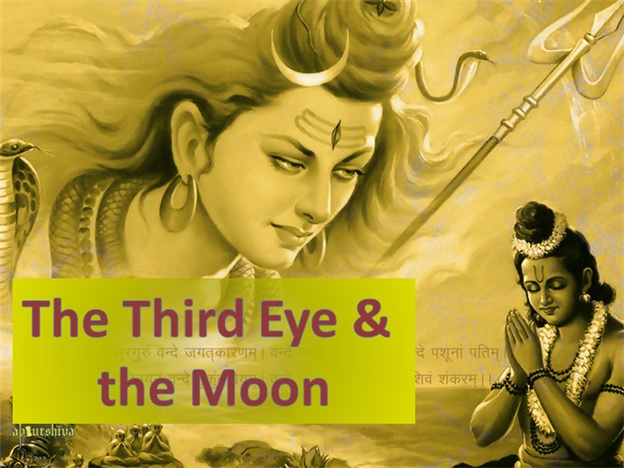
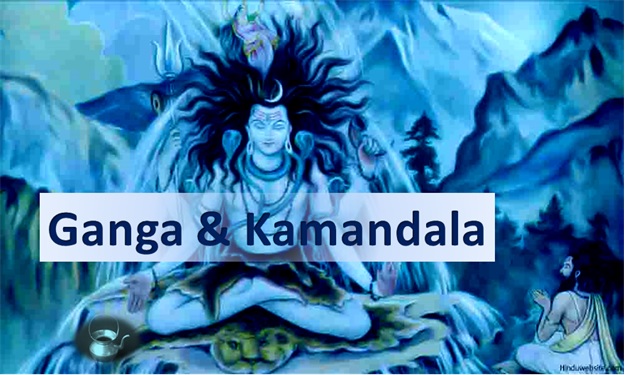
The third eye means seeing with the mind’s eye, beyond what’s visible and creating awareness. Lord Shiva also known as Thrayambaka because he has three eyes.
The three eyes represents – Sun to be his right eye, the moon the left eye while fire is his third eye. While his other two eyes indicate his activity in the physical world, his third eye in the center of his forehead looks beyond the obvious. Fire destroys evil. Evil can be anything that is harmful. Looking at a problem beyond what it actually represents helps to solve the problem and leads to successful life. For every problem if we look carefully there will be a solution. In other words, our body is capable of doing lots of things which we don’t know. To make use of our body in a good way – we need the strength and preparation. This comes from inner mind – which is third eye.
The moon: What it symbolizes:Moon on Shiva’s forehead symbolizes the “significance of mind” – where there is no mind, moon signifies the mind. It means, without mind we cannot express anything. In life we need to have a mind that helps us to understand, experience and express. The “no-mind”, infinite consciousness requires that little bit of mind to express itself in the manifest world. To express that inexpressible, that little mind (crescent moon) is on the head.
Unison of mind, body and spirit: Matted hair of Shiva represents the subtle form of breath that makes all living beings. It indicates that an unison between spirit, mind and body is important to achieve anything in life. Bringing these three key elements to oneness helps us to focus on the present and calms the mind and body. Focusing on subjects or matters helps to get clarity and ultimately to lead a healthy life. It means, balancing hormones, relaxing body system and gaining energy in the body to achieve both mental and physical health.
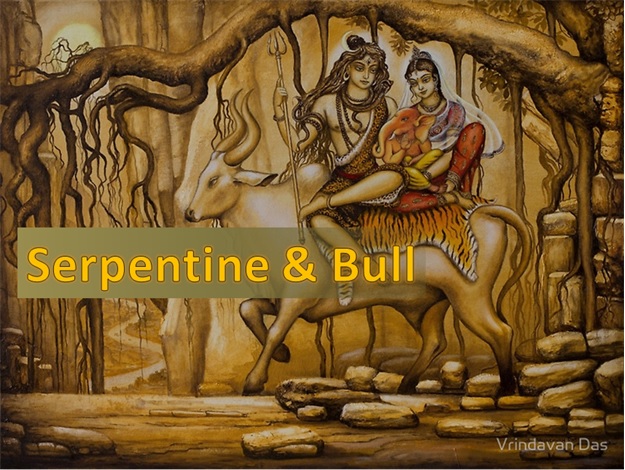
Trishul (Trident): What it symbolizes:Control of mind, intellect and ego. Shiva’s three fundamental powers are will, action and knowledge. Trident symbolizes destroying any evil that try to change the direction of spiritual and intellectual knowledge. It also signifies the power to destroy evil, ego and ignorance. Ego hurts anybody. When ego takes a place in our mind then we tend to do things that we are not suppose to do. We do not want to be a loser in life and we accept any type of challenges – some are not even possible to take in our hand. Things will go out of control if ego is not controlled. If we can take control of our ego, means free mind from ego then, mind will see a right path to achieve things. Ego free mind is calm and develops positive attitude. It releases happy hormones and right kind of hormones. This releases stress from mind and helps mind to reign positive thinking and in developing proper intellectualism.
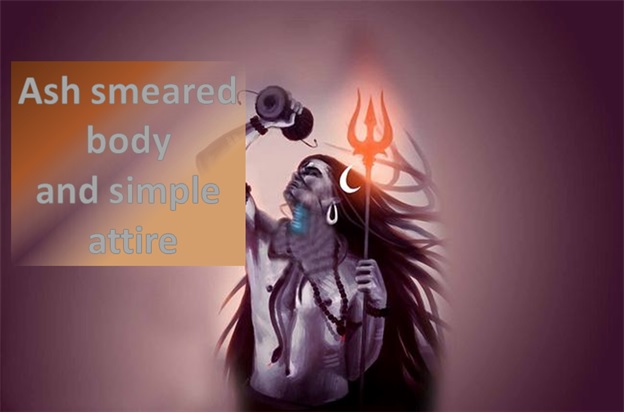
Ash smeared body and simple attire: What it symbolizes?
Everything that we own or try to own is temporary. Our body is temporary on this earth.
The ashes on Shiva’s body is cemetery ash, which points to the philosophy of the life and death and shows that death is the ultimate reality of the life. Often we forget that we are on this earth temporarily. We behave as if we are permanent. Our focus about our looks and acquiring status, money and power indicates that we are into ourselves and we are obsessed about ourself. Working towards good health to stay fit is good and the commitment to serve society and helping others is good. We need to understand the difference between commitment and obsession. When we end our life what we think we are owning will be become mere ash.
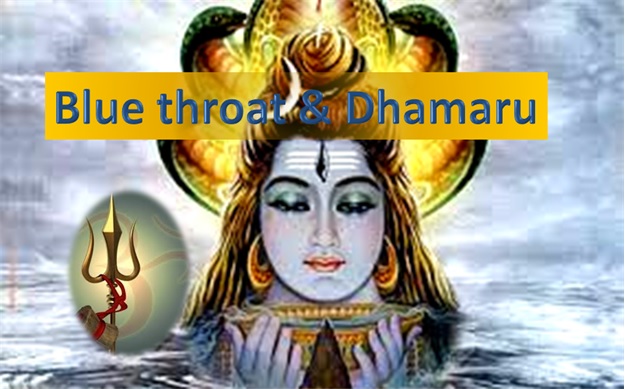
Shiva’s attire: Only armed with a trishul and damru, Lord Shiva always stayed away from wealth. You are missing out on nothing in life if you’re not attached to wealth and materialistic things.
In a stressful life have you ever thought how to stay calm and composed? Learn it from Lord Shiva. Today is Shivaratri, Lord Shiva’s day! People around the world chant “Har Har Mahadev” while seeking blessings from the Lord. Shiva is Yoga Guru, Shiva is destroyer, Shiva means simplicity.
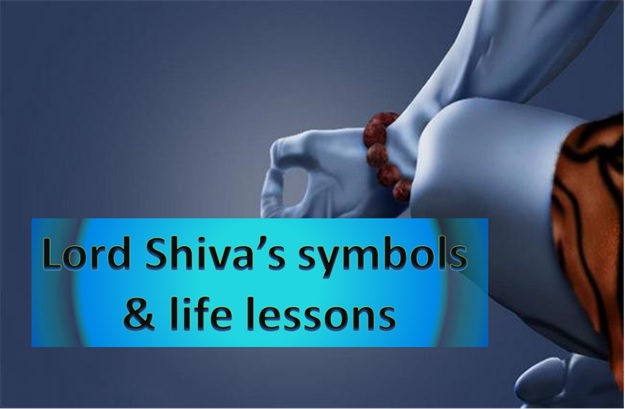
Lord Shiva has been considered as the representation of the Supreme Being. He is known as the third element in the Hindu Trinity (Trimurti), the other two members being Lord Brahma – the creator and Lord Vishnu – the protector. However, there is more to Lord Shiva than simply being the only ascetic God. Have you ever noticed the various symbols associated with Lord Shiva? These symbols have several meanings that teach us how to lead a life. It is all related to our mind and body in various ways.
Lord Shiva’s meditation pose tells us that always have self control, keep calm, suppress negativity and materialistic matters does not matter. An uncontrolled mind can lead to a disastrous life. One cannot win battles when we lose focus and fall prey to desires and addictions. Therefore, it is necessary to keep the mind aligned to goals and heart too.
Let us see what we can learn in life from the other symbols that are associated with Lord Shiva
When youare in a relationship, you both should be able to express your feelings to one another. It helps to understand each other and reduces stress, improves your overall health.
Express yourself with your partner.Communicate by expressingyour true feelings. This will give relaxation to your mind and body. You will notice how your partner receives you and it may be good for your future wellbeing.
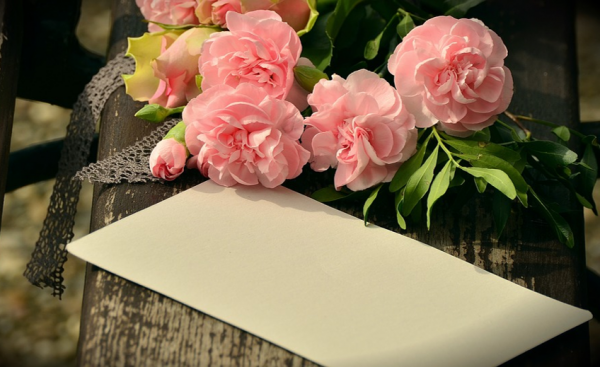
If you feel shy to communicate verbally, then express your feelings in a self-written card. Write your feelings in a note, letter or in poem. Until you express yourself, your partner might not able to understand you well. Expressing your feelings brings positive changes and takes a healthy turn in your love life.
Plan on volunteering in animal shelter, hospitals, foster care, homeless shelter, food kitchen etc. Plan this in the morning hours. You will have rest of the day for other activities. Spending some time while volunteering for good causemakes both of you feel better as you are helping others who are in need.
In your community there could be elders who are alone this pandemic and need help with stuffs. You both can visit them (while maintaining social distance), talk to them, take some goodies, spend time with them. You can also organize a small social distancing gathering for such people who are spending time alone.
You will spend ‘quality’ time together by doing something good. This could be a memorable Valentine’s day.
Taking a stroll in a beach or park is not a bad idea. We all need exercise to keep ourheart healthyand body fit. Move your body. Including activities helps to boost your metabolism.
Go for hiking, walking, roller skating, bicycling or any such activity that makes you both feel fit. Ask your partner what activity makes feel better so that you both can spend time together. Other suggestions partner yoga, visiting places, picnic or if there is a social distancing dance planned in your community, go for it with your partner.
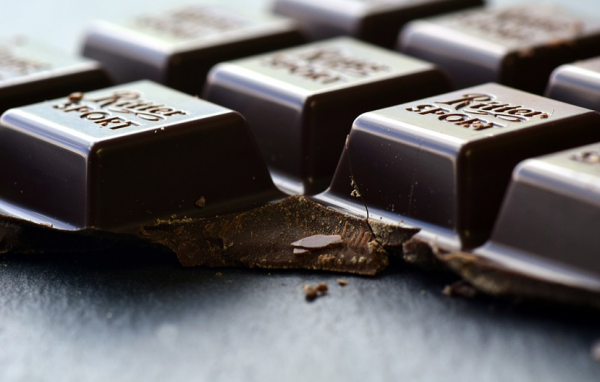
Look for dark chocolates. Organic dark chocolates are better choice. Dark chocolates are good for blood flow, lowers blood pressure, heart friendly and rich source of antioxidants. Studies say that dark chocolates can improve blood sugar level, fight free radicals. Other health benefits of dark chocolates include, preventing memory loss, boost mood and improve cognition.
Dark chocolates support weight loss.Advantage of buying dark chocolate bars, most dark chocolates will come with several servings! If you are planning to buy dark chocolates, look for the one with not more than four grams of sugar per serving and 80% cacao in it for heart health.