Don't worry about the people in your past; There's a reason they didn't make it to your future.
Protect Eyelids Health To Protect Your Eye Health
The eyelid plays an essential role in protecting your eyes and maintainingeye health. Eyelids are fold of skin that closes over both eyes to protect them from any type of injuries. There are upper and lower eyelids. Eyelid health can range from mild irritations to more serious conditions that require medical attention.
Functions of the eyelid:
Protective barrier: Shields the eyes from dust, debris, and injury.
Moisture maintenance: Spreads tears evenly across the eye to prevent dryness.
Light regulation: Helps block excess light, aiding in vision and sleep.
Signs that may require medical attention:
Swelling or redness: If your eyelid is persistently swollen, red, or painful, it could indicate an infection (e.g., cellulitis or a stye) or an allergic reaction.
Drooping eyelid (Ptosis): If one or both eyelids suddenly droop, it may signal a nerve or muscle issue, potentially linked to conditions like myasthenia gravis or a stroke.
Persistent lump: A small lump (e.g., a chalazion) that does not go away or grows larger may need medical evaluation.
Painful bumps or blisters: Painful lesions or blisters could indicate shingles (herpes zoster) or other viral infections.
Vision changes: Blurry vision, double vision, or vision loss alongside eyelid issues can suggest a more serious underlying problem (e.g., orbital cellulitis or thyroid eye disease).
Discharge or crusting: Yellow, green, or excessive discharge, especially with swelling or redness, could indicate conjunctivitis (pink eye) or another infection.
Bleeding or trauma: If your eyelid was injured or is bleeding without an obvious cause, this warrants medical evaluation.
Persistent twitching (Myokymia): Occasional twitching is normal, but constant twitching might suggest nerve irritation or fatigue.
Skin changes: New growths, dark patches, or irregularities on the eyelid skin might be a sign of skin cancer or another dermatological issue.
Common minor conditions:
Dry eyes or blepharitis: Often linked to flaky skin, irritation, or clogged oil glands. These can usually be managed with warm compresses and proper hygiene.
Styes: Small, red, and painful lumps often resolve on their own or with warm compresses.
Self-care tips for eyelid health:
Maintain eyelid hygiene: Use warm compresses to clean and unblock oil glands. Gently clean with diluted baby shampoo or a lid scrub.
Avoid rubbing eyes: Prevents irritation and reduces the risk of infection.
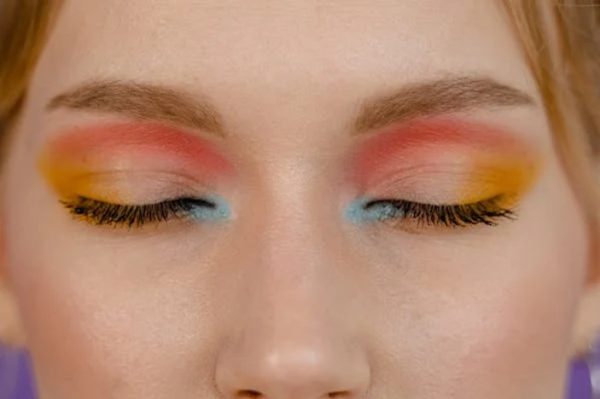
Remove makeup: Always remove eye makeup thoroughly before sleeping.
Monitor for irritants: Avoid allergens or harsh chemicals near your eyes.
When to see a doctor?
If symptoms persist beyond a few days despite home care.
If pain, redness, or swelling worsens.
If you experience any of the vision-related symptoms above.
Choosing the right meditation style depends on your goals, preferences, and lifestyle. There are many techniques to explore, and each offers unique benefits.
Identify your goals!
Do you want to reduce stress and anxiety?
Are you looking to improve focus and concentration?
Do you want to enhance emotional well-being and compassion?
Are you seeking spiritual growth or self-awareness?
Do you want to improve your sleep or manage physical pain?
Which type of meditation one can follow?
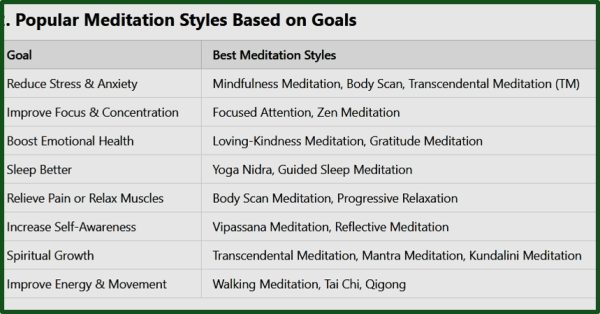
For beginners: Try mindfulness or guided meditation.
For stress relief: Consider loving-kindness, yoga nidra, or body scan meditation.
For spiritual growth: Explore Vipassana, Zen, or chakra meditation.
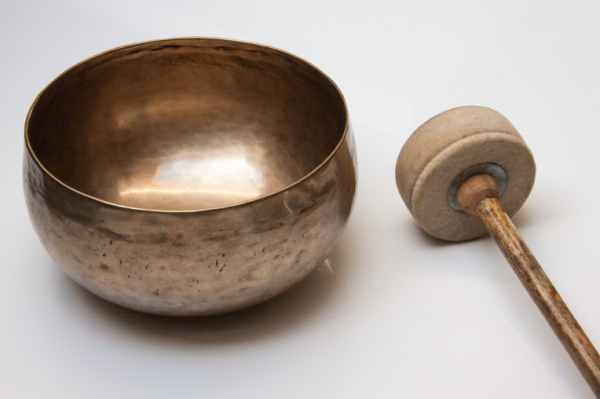
For active minds: Walking or sound meditation may be better options.
Tips for a successful practice
Be patient: Your mind may wander, and that is okay. Gently bring your focus back to your body.
Start small: Begin with a 5–10-minute scan and gradually increase the duration.
Breathe naturally: Let your breath flow without forcing it.
Stay non-judgmental: Allow sensations to come and go without trying to change them.
Vipassana meditation is an ancient Buddhist practice focusing on self-transformation through observing sensations in the body and the nature of existence.
Benefits: Cultivates self-awareness, equanimity, and insight into your emotions and thoughts.
How to practice: Attend a guided Vipassana course or practice alone by observing breath and bodily sensations.
Zen meditation (Zazen) is a seated meditation rooted in Zen Buddhism, emphasizing posture and breathing.
Benefits: Enhances focus, discipline, and a deep sense of presence.
How to practice: Sit cross-legged or on a chair, focus on your breath, and keep your eyes slightly open, gazing downward.
Image credit: Image by vined mind from Pixabay (Free to use under Pixabay Content License)
Transcendental meditation (TM) is a mantra-based practice where you silently repeat a specific word, phrase, or sound. It is a specific form of silent mantra meditation developed by Maharishi Mahesh Yogi. It gained popularity in the mid-20th century and is widely practiced for stress reduction, improved focus, and overall well-being.
Benefits: Deep relaxation, reduced stress, and improved focus.
How to practice: Sit with eyes closed, repeating the mantra silently for 15–20 minutes twice daily.
Body Scan meditation is a practice of mentally scanning your body from head to toe to release tension and become aware of physical sensations.
Benefits: Reduces stress, improves sleep, and fosters a connection between mind and body.
How to practice: Lie down, close your eyes, and focus on each body part, consciously relaxing as you move through.
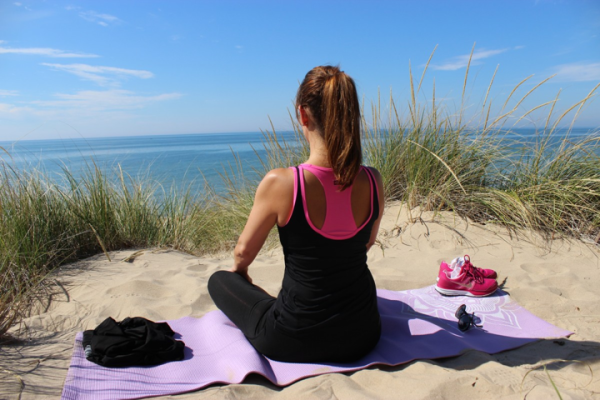
Image credit: https://pxhere.com/en/photo/1084638 (CC0 Public Domain)