All posts by Sumana Rao

Don't worry about the people in your past; There's a reason they didn't make it to your future.
Forgo Certain Foods and Drinks

Forgo Certain Foods and Drinks

In general, people with chronic fatigue syndrome should eat healthy foods, eat smaller meals, and eat more frequently. Skipping meals can bring on chronic fatigue symptoms and drain your energy so be sure to eat on a regular schedule. Some patients with chronic fatigue syndrome find that stimulants such as caffeine can cause setbacks and zap their energy. For some people, caffeine is helpful because it helps with circulation of blood and it has a stimulant property.  For others it can cause to lose too much urine. It has a diuretic property, so people have to be cautious. Evaluate whether caffeine affects you in a bad way, and if it does, try to avoid it.

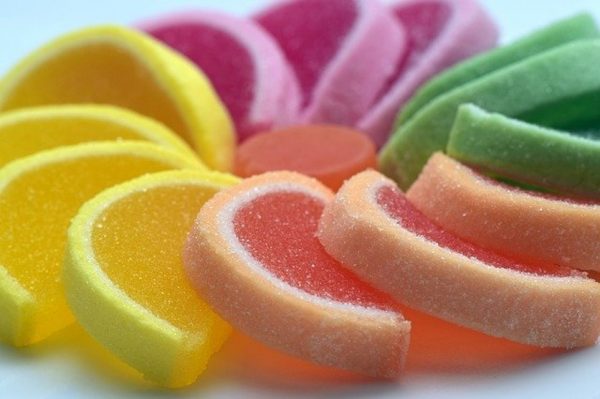
Research shows that chronic fatigue syndrome is related to blood flow to the brain. It is better to avoid anything that will increase adrenaline hormone.  Foods like sugar will increase blood sugar and comes down rapidly.  Too much sugar can cause lighter headaches so get it back up into the normal range later, there is an adrenaline surge that can contribute to lightheadedness for people with CFS. Avoid eating too much sugar.

Image credit: Image by Ulrike Leone from Pixabay (Free for commercial use)


Author: Sumana Rao | Posted on: September 9, 2015
« »
« »

Recommended for you

Free from stress

Free from stress

In chronic fatigue syndrome, people seem to find it helps them to avoid other stressors in life. Finding ways to reduce stressors is important. Learn to enjoy by doing what you want to do. If someone’s  discussion is stressing you out, tell that person. If watching news stresses you out, then choose what you want to watch and when you want to watch. Recognize your limits and lower your expectations so that you are not easily upset.

Image courtesy: Photo by Sergei Akulich on Unsplash (Free for commercial use)


Author: Sumana Rao | Posted on:
« »
« »

Recommended for you

Help From Acupuncture

Help From Acupuncture

Acupuncture is one of the oldest forms of treatment for chronic pain and is based on ancient Chinese medical practices. There have been several studies on the usefulness of acupuncture in fibromyalgia. But the effect of acupuncture may not lost long.

Image courtesy: Photo by Antonika Chanel on Unsplash (Free for commercial use)


Author: Sumana Rao | Posted on:
« »
« »

Recommended for you

Avoid High Heat

Avoid High Heat

Heat can exacerbate chronic fatigue symptoms in some patients. It can be exposing to Sun, high heat inside home, cooking for a long time in presence of heat, hot showers, sitting in sauna etc.  Many CFS patients feel that they get dizzy and extremely tired in the shower and often need to lie down on the bed. Avoid such heated conditions by reducing your exposure to the source.

Image courtesy: http://www.mytravelo.com/blog/wp-content/uploads/2013/12/mandrem-beach-in-goa.jpg


Author: Sumana Rao | Posted on:
« »
« »

Recommended for you

Stop standing for longtime

Stop standing for longtime

“Our work has shown that many people with chronic fatigue syndrome have problems standing still in line or standing in the same place when they’re cooking or washing dishes,” says Peter Rowe, MD, director of the Chronic Fatigue Clinic at Johns Hopkins Children’s Center in Baltimore. “When you’re standing still, the problem — one that seems to give people trouble — is that there seems to be too much pooling of blood in the limbs, in the legs primarily, and there isn’t enough blood getting up to the brain.” What happens in that situation is that people feel lightheaded and can get headaches, so avoiding still, upright postures makes sense. If you know that standing and not moving for a longtime take a break and ask for help.

Image courtesy: Photo by Chei ki from Pexels (Free for commercial use)


Author: Sumana Rao | Posted on:
« »
« »

Recommended for you

Vitamin D & Magnesium

Vitamin D & Magnesium

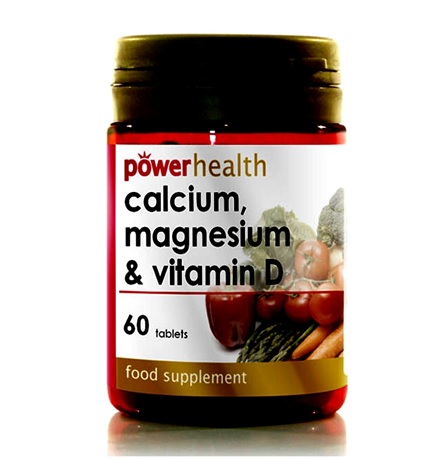
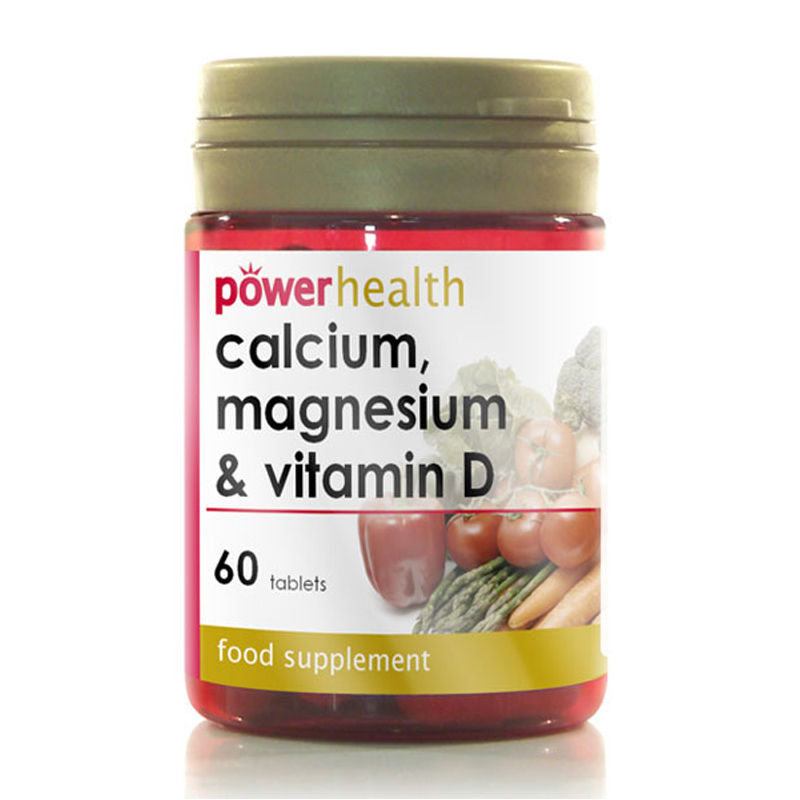
Vitamin D and magnesium levels have been found to be low in people with fibromyalgia, but as of yet there is no evidence that taking vitamin supplements are an effective fibromyalgia treatment. Vitamin D, known as the sunshine vitamin, does have some effects on nerve and muscle function, and some studies have suggested that low levels of vitamin D may be associated with chronic pain of fibromyalgia. In a small clinical study published online in the January 2012 issue of Pain Medicine, fibromyalgia symptoms improved in 30 women after 8 weeks of vitamin D supplementation.

Image courtesy: http://health-zoom.worldwideshoppingmall.co.uk/ph-calcium-magnesium-and-vitamin-d.jpg


Author: Sumana Rao | Posted on:
« »
« »

Recommended for you

Detrimental effect of junk food

Detrimental effects of Junk Food on children

Junk food – foods that can most generally be described as those which contain empty calories and excessive amounts of substances known to cause harm to the body. What is there in junk food? Here is the list: Artificial color, bleached white flour, high fructose corn syrup, sugar, artificial sweeteners, BHT or butylated hydroxytoluene, partially hydrogenated oil, MSG (monosodium glutamate), Sodium nitrate and nitrite, sodium benzoate, sulphites etc.

Junk food can be appealing for a variety of reasons, including convenience, price and taste. Fast food may save time and please your children’s palates, but routine intake comes at a significant cost. Learning more about these risks may inspire you to make wise dietary decisions for your family.

Junk food will encourage your child to eat more junk food:

The fats, sugar and salt in fast food draw kids like a magnet, largely because they appeal to a child’s “primordial tastes”. When your child bites into a burger, his brain reward system gets activated since dopamine, which is the main neurotransmitter responsible for pleasure and excitement, gets secreted. And then he will feel a complete lack of control and an intense demand from his brain for more. If that is not enough to convince you to ditch the take, children have eaten fast food, they consume more calories and fewer nutrients for the rest of the day. On days when kids ate fast food, compared with days when they ate at home, adolescents and young children consumed an additional 309 and 126 calories, respectively.

Damage of arteries, chronic illness, dental problems

Experts have known for years that long-term consumption of junk food clogs arteries, but recently they have recognized that this damage begins the same day. A study published in the Canadian Journal of Cardiology indicates that damage to the arteries occurs almost immediately after just one – that is right, one – junk food meal. According to the Prevention Institute, experts blame junk food for rising rates of diabetes, high blood pressure and stroke. Increasing rates of chronic illness affect children who regularly consume junk food.  When children consume foods high in carbs and sugar, bacteria residing in their mouth produce acids. Those acids are hard on the teeth. In fact, they can destroy tooth enamel, a contributing factor in dental cavities.

Poor academic performance

Diet has a significant effect on children’s study habits. Junk food and foods with high-sugar content deplete energy levels and the ability to concentrate for extended periods. If a kid is having sweets, chocolate croissants or sweetened beverages during the first break time at school instead of his fruit portion or his sandwich, he would definitely feel hungry within an hour and that would disrupt his concentration in class, and could affect his overall performance in school. In a study published in Child: Care, Health and Development (a European public health journal), researchers analysed the fast-food consumption and test scores in math and reading of 12,000 fifth-graders. They found that children who ate fast food four to six times within a given week tested significantly lower in math and reading compared with children who did not.

Junk food will make your kid depressed, low self-esteem, irritable  and lethargic

Eating foods rich in antioxidants, such as fruits and vegetables, and healthy fats, such as eggs, fish and nuts, leads to positive energy and moods – both of which derive from positive brain function. A diet high in fast food lacks these nutritional benefits, increasing the risk of depression. The high content of sugar in junk food causes fluctuations in children’s blood glucose levels  making them edgy, sleepy and irritable throughout the day and leaves them with no motivation to be active. Self-esteem and confidence in oneself are especially important to growing children, and regularly consuming junk food can negatively affect this sense of self. According to “Kids Health Club” magazine, junk food can affect a child’s physical development in detrimental ways, including unhealthy weight gain, which can result in self-esteem problems.

Junk food will put your child off healthy food and increases obesity.

Staying away from fruits, vegetables and nutrient rich food will decrease many important nutrients from child’s body. Vitamin C, Iron, Magnesium, Calcium, fiber, protein, etc will eventually drop in the body.

Obesity Risk. A study published in “Pediatrics” in 2004 found fast-food consumption in children was linked with many dangerous precursors for obesity. According to this study, kids who ate fast food were more likely to consume a higher amount of calories, fat, carbohydrates and added sugars in one fast food meal. They were also less likely to consume as much fiber, milk and fruits and vegetables as children who did not eat fast food. Children who consumed more fattening foods while eating fast food were also likely, in general, to eat more unhealthy foods at other meals. According to a statement released by the journal “Nature Neuroscience” in 2010, high-calorie food can be addictive, causing children who occasionally eat fast food to learn problematic patterns of eating.

Junk food will cause constipation

Fast food typically lacks fiber. The less fiber children consume, the more likely they are to develop constipation, which can cause abdominal pain and discomfort. Fast food restaurants typically lack fiber-rich menu options. Hamburger buns, taco shells and French fries, for example, contain far less fiber than whole grains and fresh fruit. Iceberg lettuce, the common main ingredient in fast food salads, contains only negligible amounts of fiber compared to colorful vegetables, such as kale, broccoli and peas. Constipation is a concern for children, says Children’s Memorial Hospital in Chicago, because hard stools can tear or irritate the lining of the anus and cause abdominal pain and discomfort. An inactive lifestyle increases these risks.

Junk food will ruin bedtime

Having sugary drinks 2 to 3 times a day or even less than that can affect children’s sleep. The caffeine from sodas acts as a stimulant, keeping them awake longer & negatively affects their metabolism.

References:

  1. http://www.thenational.ae/
  2. http://www.diseaseproof.com/
  3. http://www.thehealthsite.com/

Image courtesy: Image by Bella RaKo from Pixabay (Free to use under Pixabay content license)


Author: Sumana Rao | Posted on: September 4, 2015
« »
« »

Recommended for you

Home Remedies for Toothache

Home Remedies for Toothache

Uhhhh! Toothache? Tolerating toothache is impossible for most of us. Toothache or tooth pain can often be caused when the nerve to a tooth is irritated, but there are numerous other causes for tooth pain. Dental infection, gum disease, plaque, dental decay, injury, cracked teeth, poorly placed fillings or crowns, failing or leaking fillings or crowns, or loss of a tooth (including tooth extractions), temporomandibular joint (TMJ) disorders, and obstructive sleep apnea are all common causes of dental pain. One can prevent the majority of dental problems by flossing, brushing, and using many different products, such as xylitol- and fluoride-containing rinses and toothpaste, and having teeth professionally cleaned on a regular schedule. There are several home remedies that can help to overcome toothache.

Clove oil

Cloves are a traditional remedy for numbing nerves; the primary chemical compound of this spice is eugenol, a natural anesthetic. But clove oil needs to be used carefully. Pouring the oil on the aching area can actually worsen the pain if you get it on sensitive gum tissue or on your tongue. Instead, put two drops of clove oil on a cotton ball and place it against the tooth itself until the pain recedes. In a pinch, use a bit of powdered clove or place a whole clove on the tooth. Chew the whole clove a little to release its oil and keep it in place up to half an hour or until the pain subsides.

Ginger-cayenne paste

Mix equal parts of these two heat-packing spices with enough water to make a paste. Roll a small ball of cotton into enough paste to saturate it, then place it on your tooth while avoiding your gums and tongue. Leave it until the pain fades—or as long as you can stand it.

Salt water

A teaspoon of salt dissolved in a cup of boiling water makes a pain-killing mouthwash, which will clean away irritating debris and help reduce swelling. Swish it around for about 30 seconds before spitting it out. Salt water cleanses the area around the tooth and draws out some of the fluid that causes swelling.

Peppermint tea

Peppermint tea has a nice flavor and some numbing power. Put 1 teaspoon dried peppermint leaves in 1 cup boiling water and steep for 20 minutes. After the tea cools, swish it around in your mouth, then spit it out or swallow.

Hydrogen peroxide

To help kill bacteria and relieve some discomfort, swish with a mouthful of 3% hydrogen peroxide solution. This can provide temporary relief if the toothache is accompanied by fever and a foul taste in the mouth (both are signs of infection), but like other toothache remedies, it’s only a stopgap measure until you see your dentist.

Wash it with myrrh

You can also rinse with a tincture of myrrh. The astringent effects help with inflammation, and myrrh offers the added benefit of killing bacteria. Simmer 1 teaspoon of powdered myrrh in 2 cups water for 30 minutes. Strain and let cool. Rinse with 1 teaspoon of the solution in a half-cup water five to six times a day.

Acupressure

Acupuncture Points

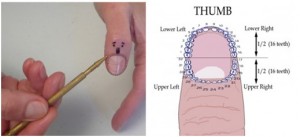
The most effective way to control toothache is to apply pressure on points that are located around your thumb nail. You will have to find which acupressure point is corresponding to your aching tooth. If the aching tooth is located in the lower jaw, then its corresponding acupressure point will be located near the end of the nail (i.e. edge of the finger). If on the other hand, the ache located on the upper jaw, then the fitting acupressure point will be located near the root of the nail, i.e. where it starts to grow.

References: http://www.rd.com/

Image sources Photo by H Shaw on Unsplash

Acupressure: http://alternativefelix.com/


Author: Sumana Rao | Posted on:
« »
« »

Recommended for you