Don't worry about the people in your past; There's a reason they didn't make it to your future.
Who gets mucormycosis?
No, Mucormycosis is not contagious. Why the mucormycosis is rare but common in certain group of people. Reason for this is people who have preexisting condition, recovering from diseases, longterm use of steroid, major surgery or received a new organ will have weekend immune system. When exposed to unhealthy environment that contains fungal spores, spores can enter their system and take over the system.
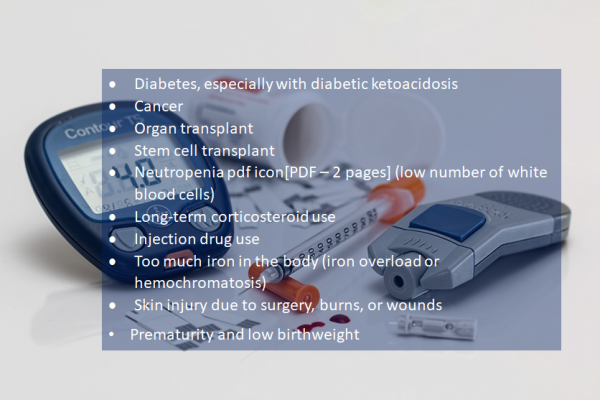
Mucormycosis is rare, but it’s more common among people who have health problems or take medicines that lower the body’s ability to fight germs and sickness. Certain groups of people are more likely to get mucormycosis, including people with:
Prematurity and low birthweight (for neonatal gastrointestinal mucormycosis)
How does someone get mucormycosis?
People get mucormycosis through contact with fungal spores in the environment. For example, the lung or sinus forms of the infection can occur after someone inhales the spores from the air. A skin infection can occur after the fungus enters the skin through a scrape, burn, or other type of skin injury.
Is mucormycosis contagious?
No. Mucormycosis can’t spread between people or between people and animals.
If someone known that there is problem in breathing, sinus infection or any such symptoms that indicate that the black fungus could be in action in the body, immediately they should contact doctor.
Healthcare providers consider your medical history, symptoms, physical examinations, and laboratory tests when diagnosing mucormycosis. Healthcare providers who suspect that you have mucormycosis in your lungs or sinuses might collect a sample of fluid from your respiratory system to send to a laboratory.
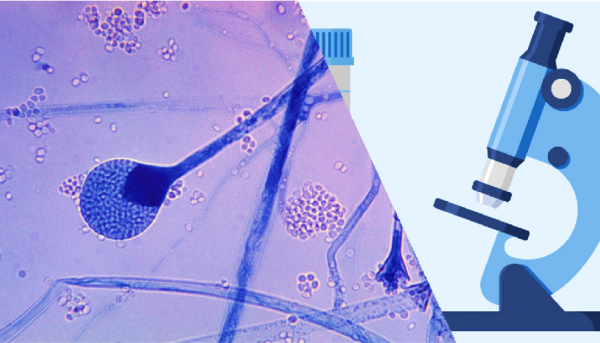
Your healthcare provider may perform a tissue biopsy, in which a small sample of affected tissue is analyzed in a laboratory for evidence of mucormycosis under a microscope or in a fungal culture. You may also need imaging tests such as a CT scan of your lungs, sinuses, or other parts of your body, depending on the location of the suspected infection.
Do not forget to wear your mask. Avoid places where you feel there is dust, water logged sites. Get fresh food and check thoroughly before consuming fruits and breads. Wearing gloves, shoes, goggles is essential when you are stepping outside if you are recovering from Covid and or have preexisting condition. No self-medication, talk to your doctor soon. Remember: Black fungus mainly affects those who have underlying health conditions or those who take medicines that lower the body’s ability to fight microbes and sickness.
It’s difficult to avoid breathing in fungal spores because the fungi that cause mucormycosis are common in the environment. There is no vaccine to prevent mucormycosis. For people who have weakened immune systems, there may be some ways to lower the chances of developing mucormycosis.
Protect yourself from the environment. It’s important to note that although these actions are recommended, they haven’t been proven to prevent mucormycosis.
Try to avoid areas with a lot of dust like construction or excavation sites. If you can’t avoid these areas, wear an N95 respirator (a type of face mask) while you’re there.
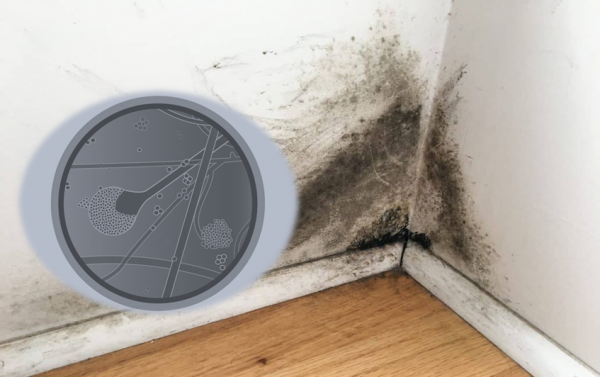
Avoid direct contact with water-damaged buildingsand flood water after hurricanes and natural disasters.
Avoid activities that involve close contact to soil or dust, such asyard work or gardening. If this isn’t possible,
Wear shoes, long pants, and a long-sleeved shirt when doing outdoor activities such as gardening, yard work, or visiting wooded areas.
Wear gloves when handling materials such as soil, moss, or manure.
To reduce the chances of developing a skin infection, clean skin injuries well with soap and water, especially if they have been exposed to soil or dust.
Antifungal medication. If you are at high risk for developing mucormycosis (for example, if you’ve had an organ transplant or a stem cell transplant), your healthcare provider may prescribe medication to prevent mucormycosis and other mold infections. 7,8 Doctors and scientists are still learning about which transplant patients are at highest risk and how to best prevent fungal infections.
For people who are aged and suffering from health issues sundowning is a maor issue . Sundowners syndrome is behavioral problem that begins generally at dusk and last into the night. Sleep disturbance, restlessness, irritability, confusion, agitation will begin as daylight fades. Symptoms will become worse if the person suffers from dementia or Alzheimer’s disease.
Sundowning makes it hard for the care givers to take rest and sleep. This will cause trouble to caregivers and functioning during day becomes tough for them.
Causes of sundowning syndrome:
Sundowning causes are not well understood. One of the reason could be, according to experts is, changes in brain function and loss of memory. This will affect biological clockresulting in confusion, disturbance in sleep cycle. Other factors that may contribute for sundowning and sleep disturbances could be:
Mental and physical exhaustion
Biological mix up between day and night – disturbance in internal body clock
Loud noises and reduced lighting, increased shadows
Inability to distinguish between dreams and reality
Hunger, thirst, boredom, pain, depression
Reactions to nonverbal frustration from caregivers who are exhausted by taking care
Symptoms of sundowning:
Fear, Paranoia, Wandering, Insomnia, yelling, screaming, rocking, stubbornness, depression, hallucination, shadowing, not eating, not talking etc.
How to cope up with sundowners syndrome?
Make comfortable sleep environment: Let the temperature in the room be comfortable. Turn on nightlights, make person feel safe by providing window locks and closed door. Draw curtains to create dusk and night.
Maintain schedule : As much as possible bring routine to meals, going to bed and waking up. Encourage person to go to sleep at night.
Avoid stimulants: Do not give caffeinated drink, nicotine, alcohol, regular tea at evening. Restrict sweets. Monitor their diet. Discourage watching TV at night. Bright screenkeeps person stimulated and causes confusion.
Plan activity: Discourage person to take nap in the afternoon. Encourage to step out, to sit in Sun and light exercise four to five hours before going to bed. Turn on TV and let the person watch a familiar show.
Reduce: Loud voice, music, audio, number of people in room, clutter that bothers the person and keeps awake.
Exposure to light: Make person sit near window to show bright sun light – this could helps to set the biological clock
Melatonin: This natural hormone helps to regulate sleep-wake cycles. Talk to doctor about its interference with current medications.
Approach of care givers:
1.If the person is agitated, approach in calm manner. Find what is causing agitation.
2.Find out what the person wants
3.Minimize the stress and frustration, especially late evenings
4.Do not show anger and avoid arguing
5.Assure the person, that everything alright – nothing to be scared or afraid of.
6.If the person is cranky, use loving and calm words
7.Massaging the feet and leg will help them to calm down. Apply essential oils or massage oils.
8.Provide comfort and familiarity. Use same bedsheets, pillow, chair, plates, cup etc that the person is familiar with.
When to see doctor?
If the problem continues, and person does not sleep then talk to doctor. Doctor might prescribe medications that help to sleep. Understand the side effect of medicines as long term use of these medicines could cause more confusion, fall, dizziness and further complicate memory.
Fungal toxins can cause severe illness and could be fatal. Food contamination with mycotoxins is a serious issue and over several years FSSAI has been taking action to revise the method of analysis of mycotoxins in food.
Quite recently FSSAI has issued a revised manual for analysis methods of mycotoxins including aflatoxin, vomitoxin, ochratoxin in various foods. Aflatoxin is atype of mycotoxinproduced by a fungus that grows on seeds and cereals and produces toxins. Aspergillus is name of the fungus.
As per FSSAI’s new revised manual, all food samples suspected of being contaminated with fungal toxins must be handled with extreme care, especially the aflatoxins are carcinogenic toxins. In the manual a description regarding safety precautions, what precautions one must take during analysis, how to handle the glassware for aflatoxin analysis is explained.
The regulatory limit for all mycotoxins in food as defined by FSSAI is 15 micrograms per kilogram for cereals, cereal products, pulses and nuts. If the nuts are further processed, then also the same 15 microgram per kg is the upper limit. For oil seeds for further processing is also it is set at 15 microgram per kg. The limit of aflatoxin in ready to eat products and dried figs is 10 microgram per kg. For spices the limit is 15 microgram per kg.
In case of milk the limit is 0.5 microgram per kg. The other type of toxin called Ochratoxin A, produced by Aspergillus and other fungus like Penicillium that infects wheat, barley, rye, wine and coffee the limit is 20 micrograms. Patulin is a mycotoxin found in fruits and fruit juices like apple juice. It is produced by P. expansum, Aspergillus sp., and Byssochlamys fulva. The limit is 20 microgram per kg.
Deoxynivalenol is a mycotoxin produced by fungus Fusarium species. Fusarium infects corn, wheat, barley, rice, oats and other grain either in field or in storage. It is also known as vomitoxin. The limit of Deoxynivalenol in case of wheat is fixed at 1000 ppm.
Why the Mycotoxin limits are set and monitored in food?
Mycotoxins are dangerous toxins produced by various types of moulds (fungi) and can cause adverse health issues and can pose serious threat to humans as well as to livestock. Moulds that infect cereals, dried fruits, spices and nuts during storage, harvest or when the food is warm, damp and humid conditions. Most of these mycotoxins are chemically stable and able survive the food processing.
The most found mycotoxins in foods are aflatoxins, ochratoxin A, patulin, fumonisins, zearalenone and deoxynivalenol also known vomitoxin or nivalenol. Anyone can get exposure to mycotoxins either directly by eating mould infected food or indirectly from livestock that are fed with contaminated feed, in particular from consuming milk.
From the acute poisoning to long-term effects such as immune deficiency and cancer can occur due to mycotoxins. World Health Organization jointly with Food and Agriculture organization of United Nations (JECFA) has set international standards and codes of practice to limit exposure to mycotoxins from several foods that are established by the Codex Alimentarius Commissionbased on JECFA assessments.
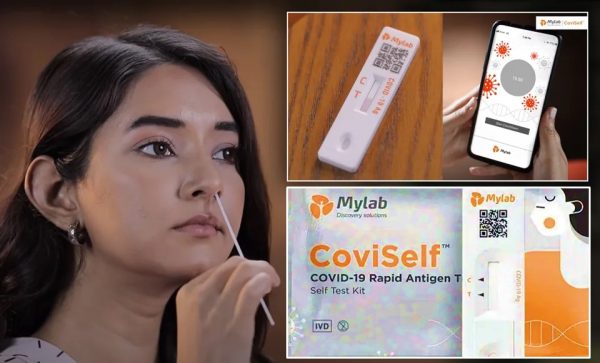
CoviSelf Home Testing Kit in India Helps to Test Coronavirus
Indian Council of Medical Research, New Delhi, India has approved the first home testing kit. Using Rapid Antigen Tests (RATs) one can now test for Covid by receiving the CoviSelf home testing kit.
The self-use test can be used by symptomatic as well as immediate contact individuals as per ICMR guidelines without sample collection by healthcare workers. CoviSelf is available for Rs. 250 per pack. It is launched by Mylab Discovery solutions, a Pune based company. These test kits can be purchased at pharmacy stores without a prescription or online partners.
Test results will have to be uploaded by the users themselves through an app that is available both on Apple store and Google Play. The data will be capatured by secure server which is connected to ICMR Covid-19 testing portal. Data will be reviewed and stored in ICMR database. No retesting required if the person is confirmed positive. For those who are RAT negative symptomatic individuals must undergo isolation protocol while waiting for RTPCR test results. Coviself will help to save thousands of lives and available for less cost when compared to the kits in other countries.
What is in the kit? Instructions material, biohazard bage for safe disposal, nasal swab and test tube with testing solution and test device to show whether test is negative or positive. The result can be accessed through the Mylab CoviSelf App. An unique QR code will be generated to get the correct report.
These are the instructions given by ICMR to use Coviself.
1. Download the Mylab CoviSelf app
2. Wash your hands and let them dry. Now, open the CoviSelf kit
3. Open the Mylab CoviSelf app and enter your credentials. Now, scan the QR code on the test device to link the code with the credentials filled in
4. Tap the pre-filled buffer tube vertically and ensure that the extraction buffer solution settles at the bottom of the tube
5. Remove the cap and keep it upright so that there is no spillage
6. Take the nostril swab and insert it into the nose till you face some resistance. Roll it inside your nose at least five times so that enough cells are extracted. Repeat the process with the other nostril with the same swab
7. Now, dip this nasal swab into the pre-filled extraction tube and pinch its bottom. Swirl the swab 10 times before breaking it at its “break point”. Now, cover the tube with its attached nozzle cap
8. Add two drops of extracted antigen buffer mixture into the sample of the test device by pressing the tube
9. Wait for a few minutes. The result will be available on the app within 10-15 minutes. If results don’t appear within 20 minutes, your report must be negative. The result will be considered invalid if it appears after 20 minutes. Click a picture of the device with the phone app and wait for it to analyze the result
10. Dispose of the kit in the biohazard bag provided. If your result is positive, isolate yourself as per ICMR guidelines.
Watch video to understand how Coviself works: https://www.youtube.com/watch?v=eYv0jfxGZis
Whether you are a working parent or not, when you have kids you have to make sure your kid is ready on time to step out to school morning. Struggle with young kids or teenagers to make them ready can give headache. But there are ways to help your kids to get ready on time to catch that school bus.
Get ready night before: Tell child to select clothes for their next day activities and let them select the clothes. Uniform or day dress with socks and all those accessories that they need can be placed in one designated place. Ask them what they want for lunch. If the kid is picky about what he or she needs for lunch give them choice. Prepare lunch and get plan for breakfast previous night.
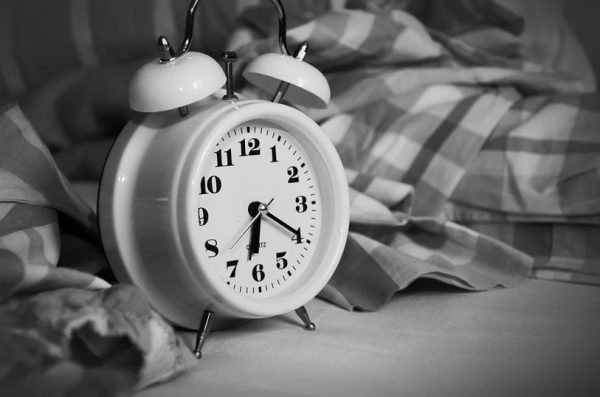
Waking up: Set an alarm clock. Keep a kid alarm clock and let them set up alarm clock. This wake-up time will help them to get up on time on their own. It also teaches not only to be on time also responsibilities. Help them to make their bed and let them finish their morning routines.
Daily routine check list: During weekend sit with kid to prepare a schedule. Let kid remind you what need to be taken care. Morning routine like clothes, homework, books, lunch, art material etc. what they need to carry for next five days. Have a look at their school schedules and accordingly help them to add any missing materials or essentials. Involving kids in creating a routine for a week will help them to be regular and makes both of your lives easy.
Ask questions: Instead of nagging and scolding, ask kids what is in the schedule and what they are planning. Previous day tell them to go through routine and check the list for next day. If they forgot something step in to help them keep things ready. Helping them few times will bring discipline in their lives.
Focus on tasks in hand: Young life is like that! It is hard for kids to keep focused. Sometimes it could be due to lack of motivation. Experts say, for younger kids’ visuals will help to stay focused. Draw pictures or cut out images from magazine that are relevant to kid’s activities.Paste it next to their daily schedules. Let them help you to select the pictures or let them draw the pictures. When kid is not focused on task, pretend you are not aware and ask what your plan is as per the list. Kid will be happy to remind you!
Young minds need motivation, encouragement, and good reasons to step outside from cozy, comfort, and loving environment especially when it comes to school. Just a bit of extra effort from parents will help them to get ready to step outside to have fun.
Remedies to Feel better with Varicose Veins condition
As we age sometimes, we can have varicose veins. Varicose veins can appear during pregnancy or due to overweight. Varicose veins develop valves in the veins become weak. Function of the vein valves is to stop blood flowing backwards. When valves are weak, blood can pool in veins causing twist and swollen veins that are visible on skin surface in legs. Varicose veins might form when the blood pressure increases. If not addressed it can cause blood clot, bleeding and also skin ulcers.
There are several health tips and home remedies one can try to feel better if suffering fromvaricose veins. These are not alternative for surgery but, will help to soothe the leg pain.
Often keep your leg elevated. This will help blood to flow in the veins.
While sleeping keep legs elevated on a pillow to improve blood circulation.
Massage legs using essential oil. Mix equal amount of lavender, coconut oil and sesame oil in a cup and massage in one direction.
Heat few drops of castor oil and apply on leg and massage.
Rubbing Calendula salve two to three times helps blood circulation.
Avoid wearing high heel shoes. Wearing high heel shoes or foot wear increases strain on calves and interferes in blood circulation.
Wear compression stockings to reduce pain and swelling.
Do not wear tight fitting clothes that restrict blood flow. Wearing loose cloth will not interfere in blood circulation.
Avoid standing for longer period. Take rest by sitting on a chair that supports your legs
Some people have habit of crossing legs while sitting or sleeping. Avoid crossing legs as it can slow down blood circulation.
Improve your calves strength by leg strengthening exercises. Climbing stair case is a good exercise.
Consider losing excess weight. Overweight reduces blood circulation to legs.
Horse chestnut extract helps to reduce heaviness, leg pain.
Sea pine extract reduces edema and leg swelling. These two symptoms are associated wit varicose veins.
Grape seed extract consumption helps to reduce swelling in legs. (not recommended for people who take blood thinning medicine)
Consider including following food in your diet
Almonds
Pistachio
Lentils
Green vegetables
Foods that are rich in fiber like oats, wheat, whole grain foods, nuts are helpful for those who are overweight and to reduce varicose veins.
Spinach, bell pepper, broccoli, onions, garlic, grapes, cherries, blueberries, apples contain flavonoids. These foods improve blood circulation and reduce blood pressure. It means blood vessels will not be strained and help in reducing varicose veins.
Avoid processed foods, cakes, candies and cookies. Restrict on alcohol consumption and salty food. Salty food can increase heaviness in legs and cause edema that put strain on veins. Avoid refined carbohydrates and canned foods too. These foods can escalate the condition.
If varicose vein is bothering too much and unable to stand, walk or having difficulty to perform day to day activities then contact your doctor for further testing and treatment.