Don't worry about the people in your past; There's a reason they didn't make it to your future.
Grapeseed oil Helps to Improve Skin, Hair and Heart health
Grapes are one of the most important fruit which has multiple benefits. Grapes have been cultivated from centuries and is used for wine making even in ancient civilizations.
Grapes come in varieties of colors – Red, black, green, yellow, pink. Grapes contain Vitamin C, K and rich in antioxidants. Resveratrol is a compound that is present grape is helpful in cancer prevention and used in cancer treatment. Which means, the compounds present in grape have anti-cancer properties.
Like many other fruits, grapes also come in seedless varieties. Grapes that contain seeds are used for grapeseed oil extract. The leftover grapes during wine making are used to extract oil from the seed.
Grapeseed oil can be applied topically on skin or can be added to diet. If you are considering adding in your diet, make sure that to check the supplement label. Cold pressed or expeller pressed grapeseed oil extract is better for skin. If it is organic oil it is best for health.
Grapeseed oil has several benefits.
It is rich in omega -6- fatty acids, vitamins and other antioxidants. Grape seed oil supplements are available in pharmacies. Adding grapeseed oil in ourdiet helps heart.
Including the grapeseed extract in diet could reduce colon cancer risk.
Consuming grapeseed oil reduces body inflammation and reduces swelling.
It also useful in curing sunburns and the related pain.
Grape seed oil is added to the skin care products to reduce effect of sun rays.
It not only protects the skin also rejuvenatesthe skin because of presence of Omega-6-faay acid. Reduces wrinkles, dryness and look of aged skin.
The oil extract also contains Vitamin E, C and some amount of vitamin D. Grapeseed oil has more Vitamin E which is essential for skin health. In addition, presence of Proanthrocyanidin helps to reduce free radicals damage to skin.
Antioxidant present in the extract helps to reduce cholesterol and protects the heart health.
Grapeseed oil can be used as moisturizer. Applying oil on skin during winter dryness helps to protect the skin. It is an ultra-hydrating oil and keeps the moisture under check.
People who have sensitive skin can apply grapeseed oil topically to reduce any itching, burning and redness of skin reaction. It reduces skin inflammation.
Applying grapeseed oil heals wounds fast and any scar associated with wounds will also reduce.
Studies show that grapeseed oil has antimicrobial property and it could reduce acne and tightens the pores.
For hair health: Grapeseed oil massage of hair and scalp improves hair condition by restoring moisture. Lightweight grapeseed oil brings shine, strength and retains moisture. Linolenic acid present in the oil helps to reduce the baldness.
As career oil- Stress can cause chronic conditions. To get relief from stress aromatherapy helps. The essential oil that are used in aromatherapy needs a career oil and grapeseed oil is a good career oil.
Before using grapeseed oil on skin, test a small amount on an area. It should not cause any allergic reaction. Do not use grapeseed oil if you are pregnant or breastfeeding.
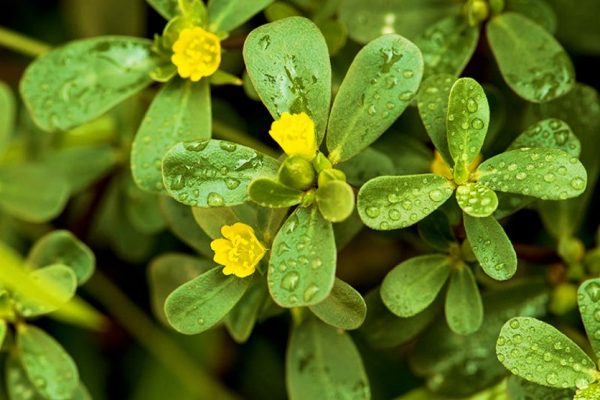
While walking in parks, garden, in your yard or on side walks you might notice a small plant with thick oval shaped leaves with beautiful yellow flowers. People who does not know about this small plant will think it as a weed. This plant called Purslane known as wild spinach or ground spinach grows as a weed. This perennial plant purslane known as Portulaca voleracea produces beautiful flowers and it’s cultivated ornamental varieties are known for colorful bright flowers. Plant is packed with all goodies that we need for our body.
Purslane used as medicine in both Ayurveda and Chinese medicine. In fact, it is known for its great properties in many countries. Instead of killing these plants like common weeds, consider using it for various health benefits. This beautiful plant has power packed nutrients!
It’s nutrients values are a match for spinach or Amaranthus leaves and stem. Curry made out of purslane tastes delicious.
Let us see what purslane has to offer?
Purslane reduces inflammation, lowers blood cholesterol, supports strong bone, reduces inflammation, helps in blood circulation, good for weight loss.
It is source of following nutrients:
Rich in dietary fiber – Significant amount of fiber helps in clearing system
Vitamin C – Presence of vitamin C gives it slightl sour taste. Fresh leaves can be used in salad
Iron – Rich in iron content like other leafy vegetables.
Magnesium and Calcium – Include purslane in your diet to add magnesium and calcium -both are required for strong bone, muscle and teeth
Potassium – To keep blood pressure in check purslane helps.
Antioxidant – Presence of two antioxidant melatonin and glutathione makes it a valuable herb to protect cells and tissues. Betalain is another antioxidant present in this herb and betalain prevents cholesterol accumulation in blood cells. It means herb controls cholesterol levels.
Beta carotene – Purslane stem is known for its reddish color. It is because of presence of rich source of beta carotene. Adding tender purslane stem in soup gives delicious taste.
Water content – It has good amount of water and promotes weight loss. To eliminate continuous thirst chewing tender stem and leaves helps. It prevents dehydration.
How to use purslane?
Pick purslane from garden, field and clean roadside or side walk. Do not use wilted, yellowed leaves or stem. Once you collect the parts, thoroughly examine for any insects, worms and molds. One can grow purslane in garden like other leafy vegetables and use it without any doubts.
Chop and use leaf and stem portions in salad. Mix with other greens and cherry tomatoes, baby spinach, olives, chickpea and dry fruits
Tender leaves with tomatoes and onions can be ingredients for bread sandwich.
Heat oil, add mustard, curry leaves and cumin. Add one chopped onion, tomato and 2 green chillis and fry. Chop purslane leaves, stem and continue frying for another couple of minutes. Add salt, turmeric and grated coconut. Purslane curry is ready ! Have this with rice, roti, pita bread or bread.
Understanding and Preventing Black Fungus Infection
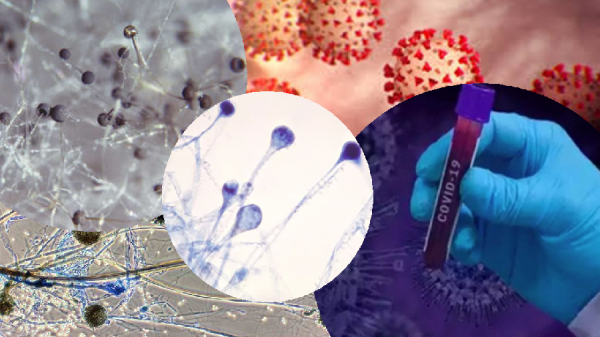
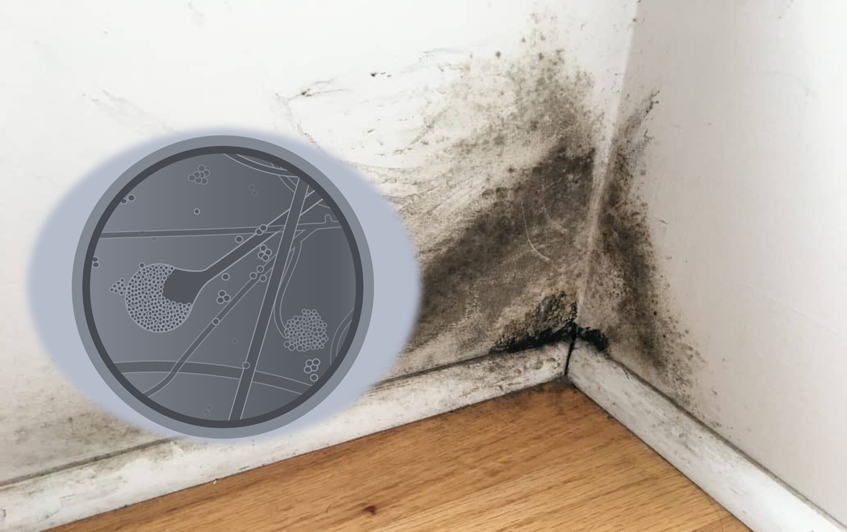
Black fungus has become a threat for those who are recovering for Covid-19. What exactly is the black fungus and what harm it can do? Who will get it, is it contagious and what preventive measure one must take? Black fungus is one of the common fungus that we see in the environment. They are present everywhere and commonly known as molds, like the mold fungus that you see on infected bread and rotten food. Why only certain Covid patients get infected by black fungus? What are the risks involved? Experts from Center for Disease Control (CDC) have given clear explanation for the Mucormycosis.
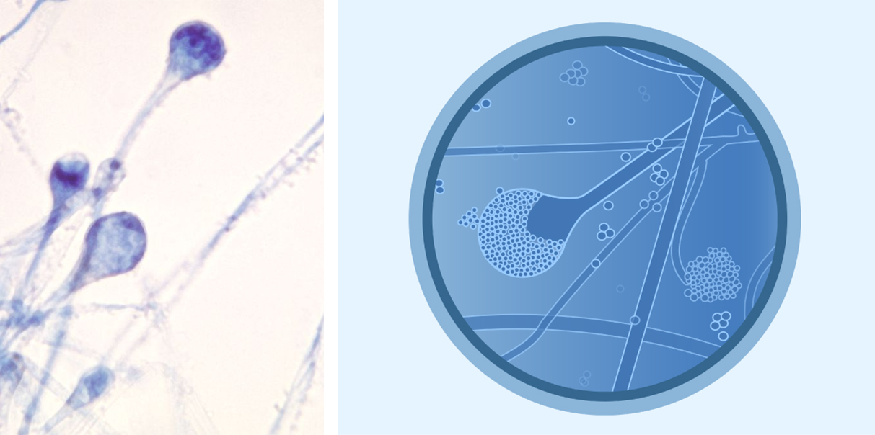
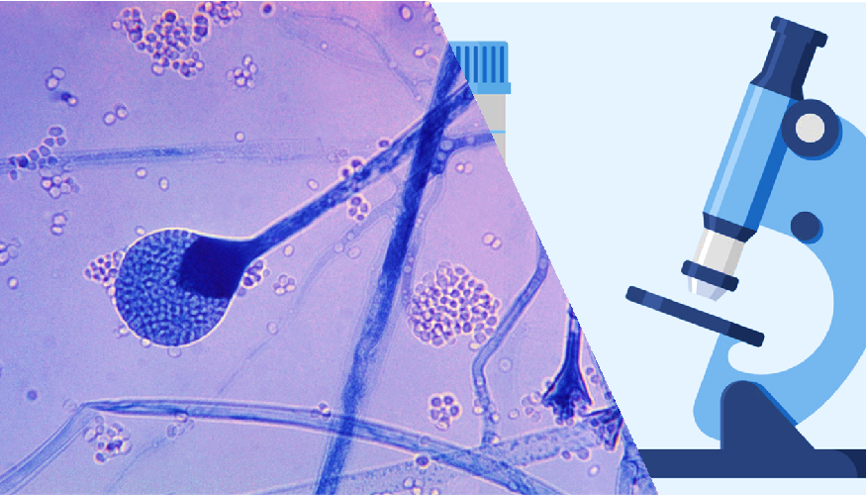
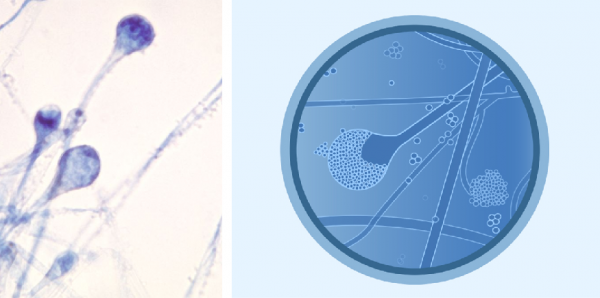
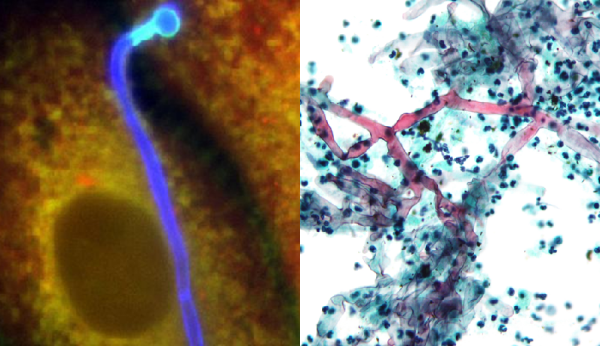
What is mucormycosis? Mucormycosis also known as zygomycosis is a serious but rare fungal infection caused by a group of molds called mucormycetes. These fungi live throughout the environment, particularly in soil and in decaying organic matter, such as leaves, compost piles, or rotten wood.
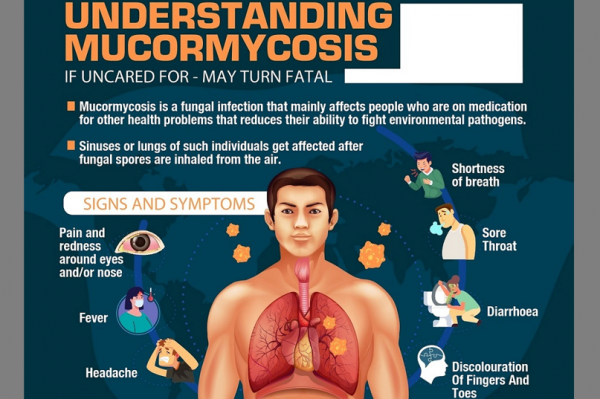
People get mucormycosis by encountering the fungal spores in the environment. For example, the lung or sinus forms of the infection can occur after someone breathes in spores. These forms of mucormycosis usually occur in people who have health problems or take medicines that lower the body’s ability to fight germs and sickness. Mucormycosis can also develop on the skin after the fungus enters the skin through a cut, scrape, burn, or other type of skin trauma.
We encounter black fungus almost every day. They are not harmful most of the time. Only with people who have weekend immune system for various reasons will get it. Rhizopus is one of the common mold fungi that we come across on fruits.
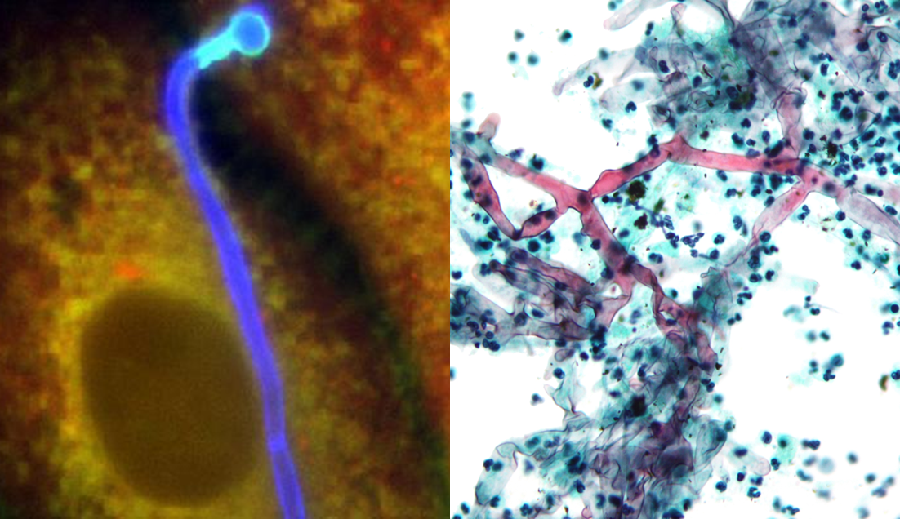
Mucormycetes, the group of fungi that cause mucormycosis, are present throughout the environment, particularly in soil and in association with decaying organic matter, such as leaves, compost piles, and animal dung. They are more common in soil than in air, and in summer and fall than in winter or spring. 2-4 Most people encounter microscopic fungal spores every day, so it’s probably impossible to completely avoid coming in contact with mucormycetes. These fungi aren’t harmful to most people. However, for people who have weakened immune systems, breathing in mucormycete spores can cause an infection in thelungs or sinuseswhich can spread to other parts of the body.
Types of fungi that most commonly cause mucormycosis: Examples are: Rhizopus species, Mucor species, Rhizomucor species, Syncephalastrum species, Cunninghamella bertholletiae, Apophysomyces species, and Lichtheimia (formerly Absidia) species
Based on the types of infection of organs mucormycosis are 5 types. In Covid patients main concern is rhinocerebral and pulmonary mucormycosis – those fungi that infect sinus and brain and, lung respectively.
Rhinocerebral (sinus and brain) mucormycosis is an infection in the sinuses that can spread to the brain. This form of mucormycosis is most common in people with uncontrolled diabetes and in people who have had a kidney transplant.
Pulmonary (lung) mucormycosis is the most common type of mucormycosis in people with cancer and in people who have had an organ transplant or a stem cell transplant.
Gastrointestinal mucormycosis is more common among young children than adults, especially premature and low birth weight infants less than 1 month of age, who have had antibiotics, surgery, or medications that lower the body’s ability to fight germs and sickness.
Cutaneous (skin) mucormycosis: occurs after the fungi enter the body through a break in the skin (for example, after surgery, a burn, or other type of skin trauma). This is the most common form of mucormycosis among people who do not have weakened immune systems.
Disseminated mucormycosis occurs when the infection spreads through the bloodstream to affect another part of the body. The infection most commonly affects the brain, but also can affect other organs such as the spleen, heart, and skin.
Symptoms of rhinocerebral and pulmonary Mucormycosis
If you are a recovering Covid-19 patient and you have any of these symptoms, contact your doctor immediately. Both rhinocerebral and pulmonary symptoms are noticeable and can be fatal if not treated. DO NOT PANIC. Talk to your doctor immediately if you have following symptoms.
The symptoms of mucormycosis depend on where in the body the fungus is growing. Contact your healthcare provider if you have symptoms that you think are related to mucormycosis.
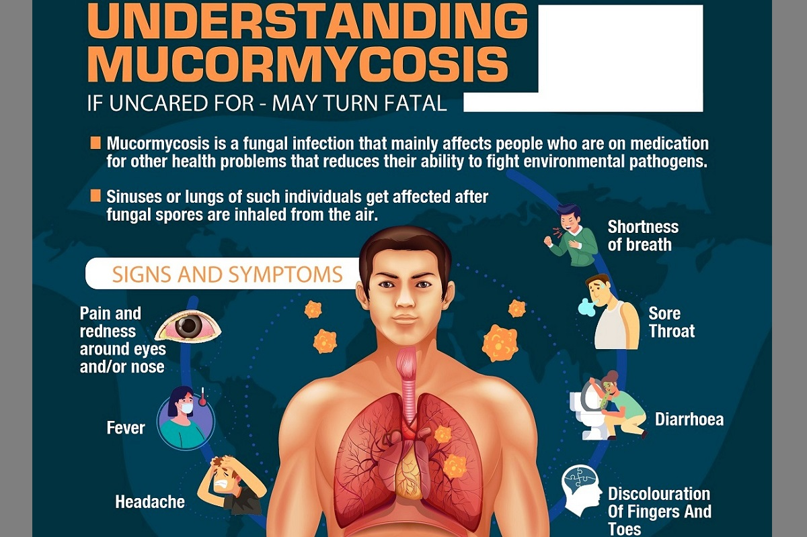
Symptoms of rhinocerebral (sinus and brain) mucormycosis include:
One-sided facial swelling
Headache
Nasal or sinus congestion
Black lesions on nasal bridge or upper inside of mouth that quickly become more severe
Fever
Symptoms of pulmonary (lung) mucormycosis include:
Fever
Cough
Chest pain
Shortness of breath
Cutaneous (skin) mucormycosis can look like blisters or ulcers, and the infected area may turn black. Other symptoms include pain, warmth, excessive redness, or swelling around a wound.
Symptoms of gastrointestinal mucormycosis include:
Abdominal pain
Nausea and vomiting
Gastrointestinal bleeding
Disseminated mucormycosis typically occurs in people who are already sick from other medical conditions, so it can be difficult to know which symptoms are related to mucormycosis. Patients with disseminated infection in the brain can develop mental status changes or coma.