Don't worry about the people in your past; There's a reason they didn't make it to your future.
Important Guidelines for mucormycosis Black Fungus infection in COVID-19 patients
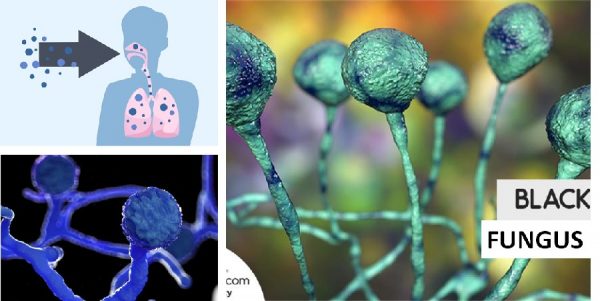
Covid survivors in India are getting infected byblack fungus. According to the Union Health Ministry the this fungal infection mainly affects people who are on medication and whose immune system is not recovered totally to fight pathogens in the environment. Fungal spores inhaled from air could be fatal if not taken care.
Central Government of India has released guidelines for public to create awareness and to help those who are recovering from Covid infection. The guidelines were prepared by the health ministry and Indian Council of Medical Research.
Sign and symptoms of mucormycosis/black fungus
Pain and redness around eyes and/or nose
Fever
Headache
Coughing
Shortness of breath
Bloody vomits
Altered mental status
What are the predispositions
Uncontrolled diabetes mellitus
Immunosuppression by steroids
Prolonged ICU stays
Co-morbidities – post-transplant/malignancy
Voriconazole therapy
What should you do?
Control hyperglycemia
Monitor blood glucose level after COVID-19 recovery and also in diabetics
Use steroid judiciously – correct timing, correct dose and duration
Use clean, sterile water for humidifiers during oxygen therapy
Use antibiotics/antifungals judiciously
What should you not do?
Do not miss warning signs and symptoms
Do not consider all the cases with a blocked nose as cases of bacterial sinusitis, particularly in the context of immunosuppression and/or COVID-19 patients on immunomodulators
Do not hesitate to seek aggressive investigations, as appropriate (KOH staining & microscopy, culture, MALDITOF), for detecting fungal aetiology
Do not lose crucial time to initiate treatment for mucormycosis
How to prevent mucormycosis/black fungus?
Use masks if you are visiting dusty construction sites
Wear shoes, long trousers, long sleeve shirts and gloves while handling soil (gardening), moss or manure
Maintain personal hygiene, including thorough scrub bath
When to suspect the fatal infection? (in COVID-19 patients, diabetics or immunosuppressed individuals)
Sinusitis – nasal blockage or congestion, nasal discharge (blackish/bloody), local pain on the cheekbone or one-sided facial pain, numbness or swelling
Blackish discolouration over the bridge of nose/palate
Toothache, loosening of teeth, jaw involvement. Blurred or double vision with pain; fever, skin lesion; thrombosis & necrosis (eschar)
Chest pain, pleural effusion, haemoptysis, worsening of respiratory symptoms
How to manage mucormycosis?
Control diabetes and diabetic ketoacidosis
Reduce steroids (if the patient is still on) with the aim to discontinue rapidly
Discontinue immunomodulating drugs
No antifungal prophylaxis needed
Extensive Surgical Debridement – to remove all necrotic materials
What is the medical treatment for mucormycosis?
Install peripherally inserted central catheter (PICC line)
Maintain adequate systemic hydration
Infuse normal saline IV before Amphotericin B infusion
Antifungal therapy, for at least 4-6 weeks (follow guidelines)
Monitor patients clinically and with radio-imaging for response and to detect disease progression
Whom should you consult?
Microbiologist
Internal Medicine Specialist
Intensivist Neurologist
ENT Specialist
Ophthalmologist
Dentist Surgeon (maxillofacial/plastic)
Biochemist
Guidelines Issued by: https://www.icmr.gov.in/: Indian Council of Medical Research, Govt of India
Proning Helps Covid-19 Patients Breath Easily at Home
One of the major symptoms of Covid-19 infection is respiratory distress. While countries like India is going through tough time in supplying oxygen to patients, doctors are recommending using proning method to make it easy for patient to breath at home. Proning helps to keep oxygen level in check and keeps lungs healthy.
Because the availability of beds in hospitals has become scarcity and demand for oxygen is increasing there is a need to help those who stay at home in isolation and go through treatment. Proning technique helps to increase oxygen levels at home.
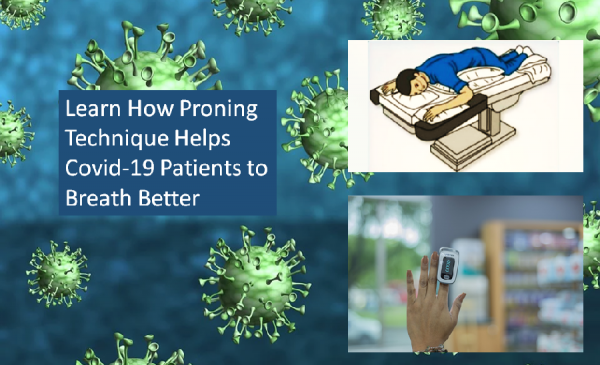
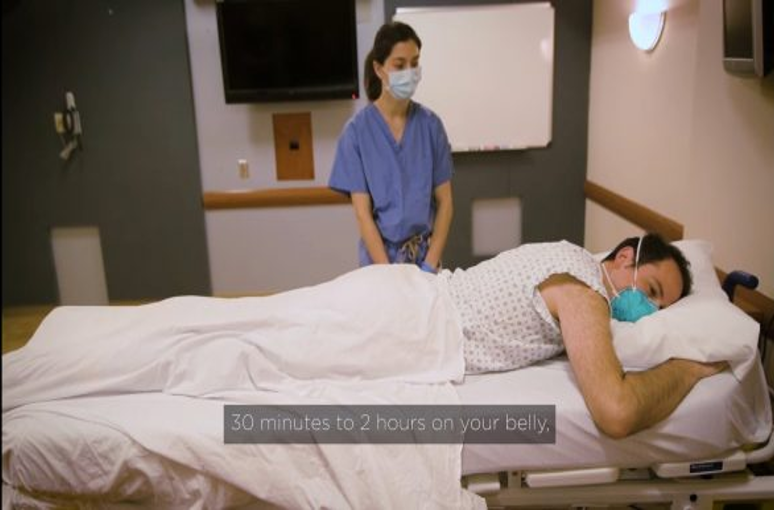
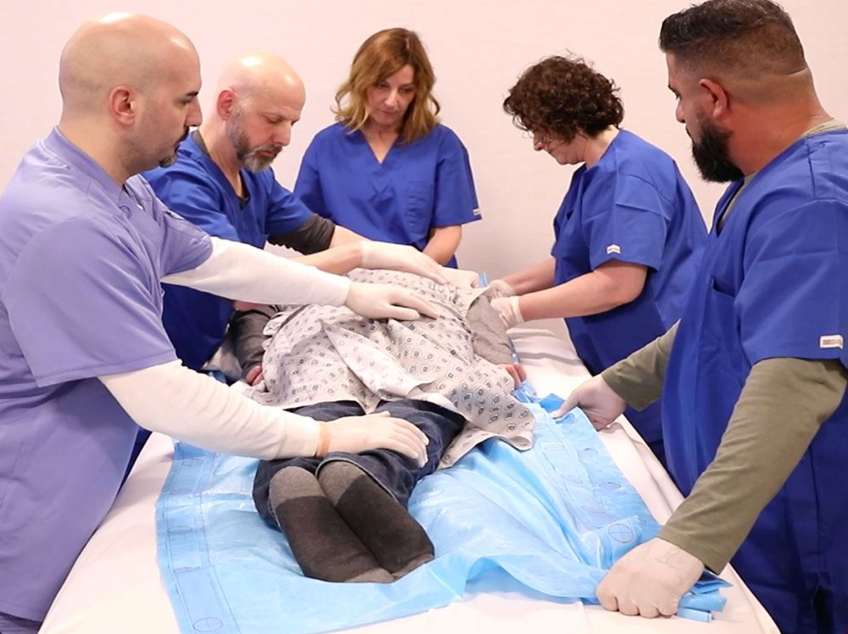
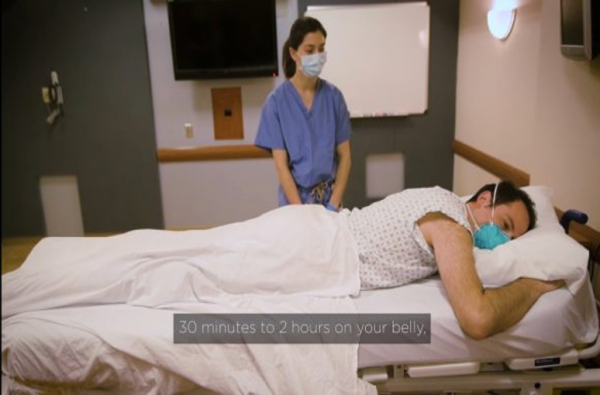
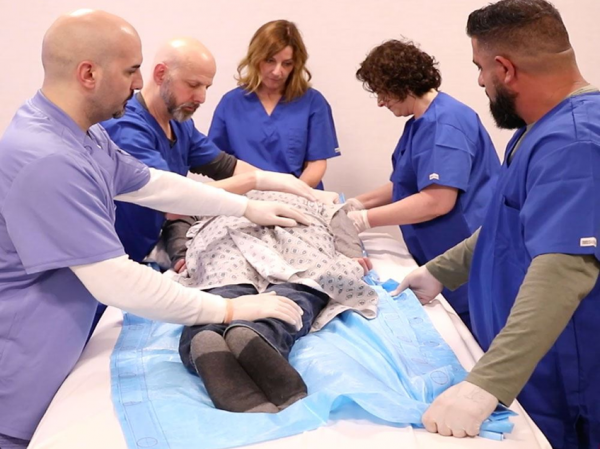
One of the practices that was followed in United states from decades is proning technique that helps patients to breath easily. If Covid-19 infected patient is suffering from respiratory distress, doctors advice that patient should be turned with caution, precise, safe motions from their back onto their abdomen so that they will be lying face down on the bed.
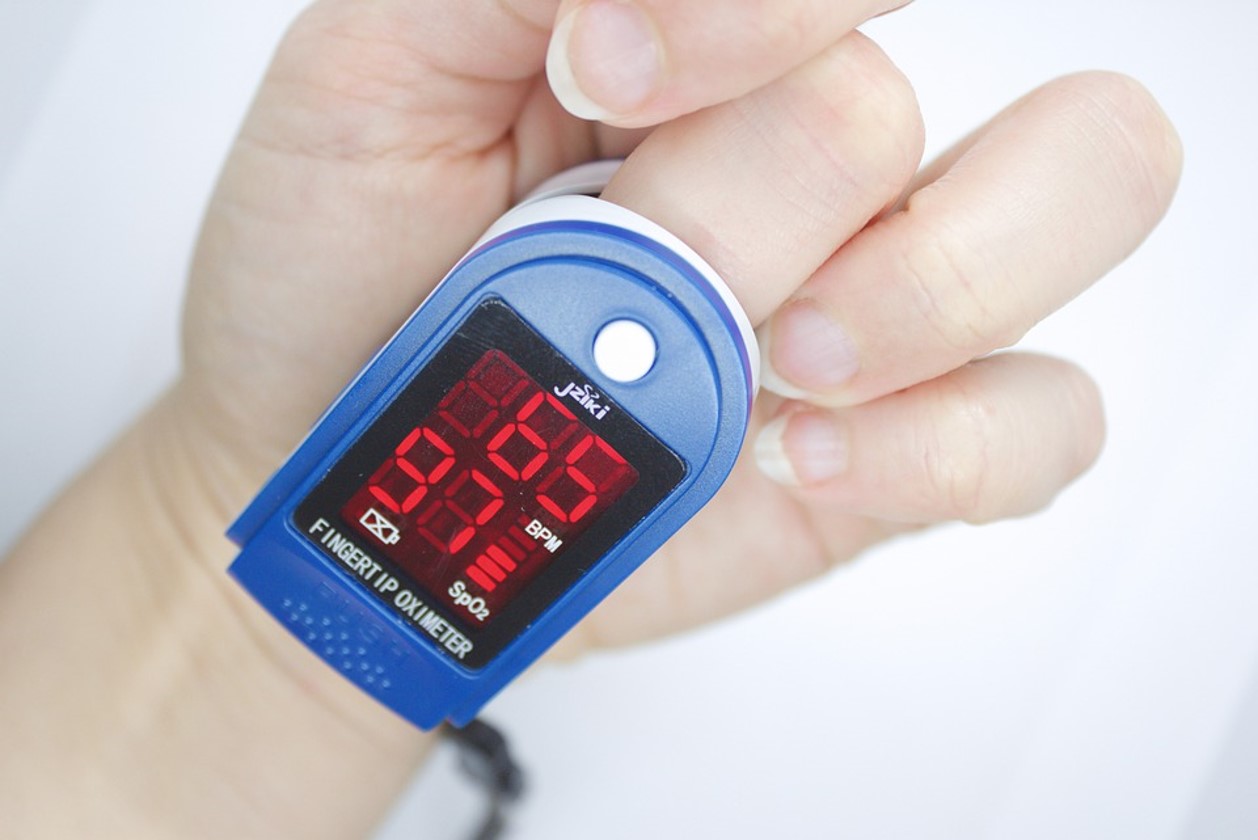
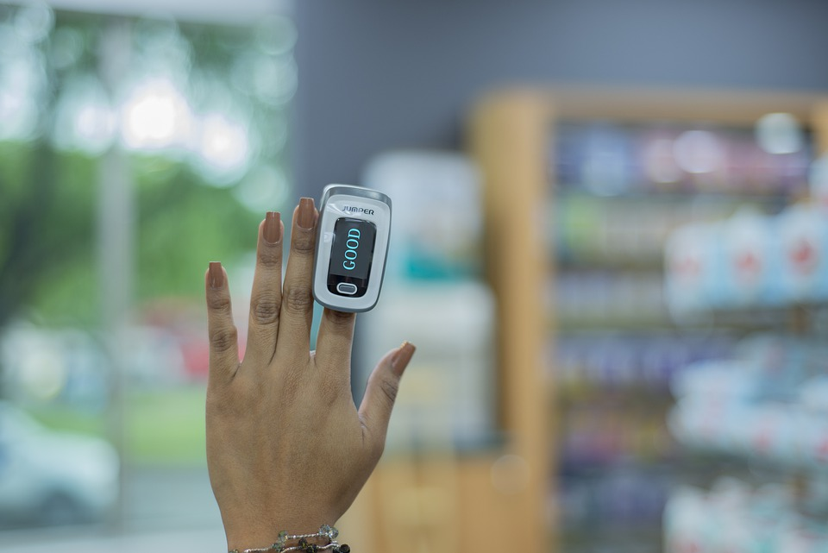
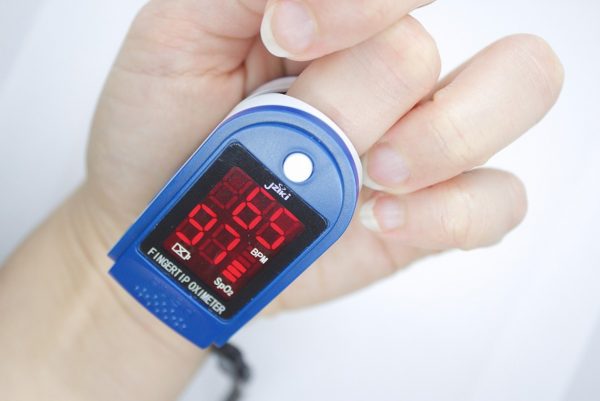
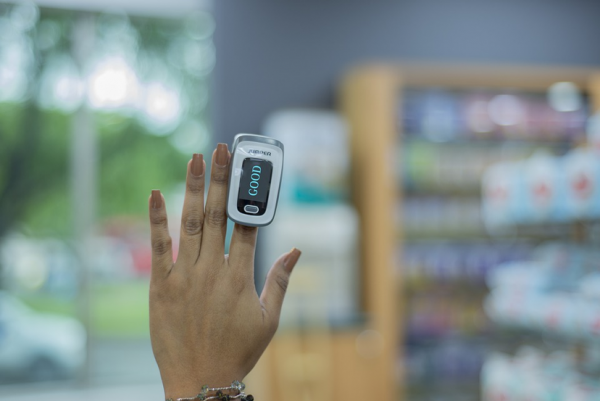
Our blood oxygen level is a measure of how much oxygen our RBC are carrying. Pulse oximeter and arterial blood gas are two methods that measure our oxygen level or SpO2. SpO2 normal reading is typically between 95 to 100 percent. Below normal is called hypoxemiawhere SpO2 is below 95 percent.
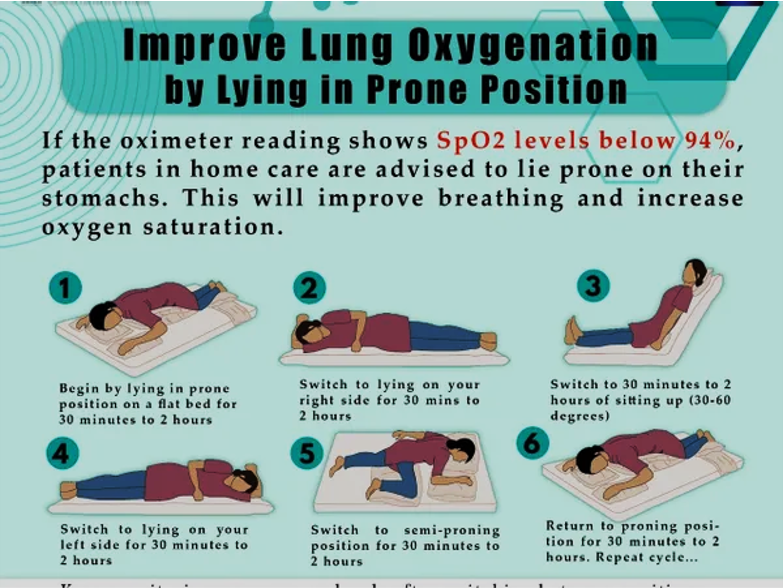
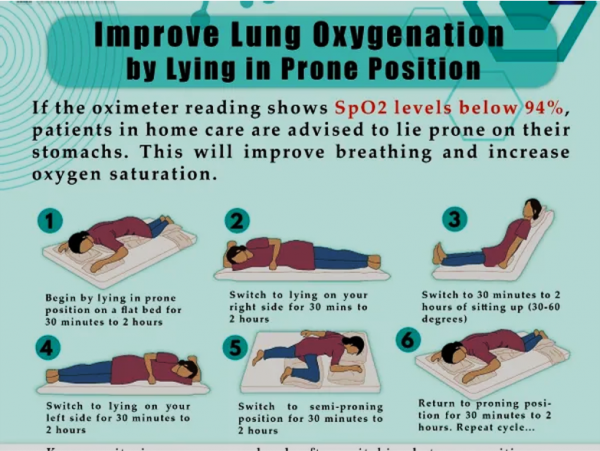
In Covid patients oxygen levelscould drop beyond 92% saturation level. For people who tested positive and suffering from mild symptoms as well as some breathlessness, Ministry of Health, Govt of India has announced an approved proning that increases oxygen level to keep patient in safer zone with oxygen above 94%.
Image credit: Image by charlykushu from Pixabay (Free for commercial use)
Physical position affects the distribution and volume of air in the lungs and can have direct effects on the expansion or collapse of the delicate alveoli that permit the exchange of oxygen and carbon dioxide in the blood. It has long been known that the supine position—lying on the back—can be detrimental to underlyingpulmonary function, particularly for patients on mechanical ventilation. Like many in-hospital procedures, mechanical ventilation is typically administered in the supine position (Ref: https://www.pennmedicine.org/)
Practicing timely proning helps patients to feel better.
Prone positioning improves ventilation, keeps alveolar units open and breathing easy
Proning is required only when the patient feels difficulty in breathing and the oxygen level decreases below 94
Regular monitoring of blood oxygenalong with other signs like temperature, blood pressure and blood sugar is important during home isolation.
Missing out on hyposmia or compromised oxygen circulation may lead to complications or worsen the complications
Timely proning and maintaining good ventilation could save many lives
It is important to stay in well -ventilated room and go through proning when there is amild breathing problem and oxygen level drops below 94 but not beyond 90-92.
Steps:
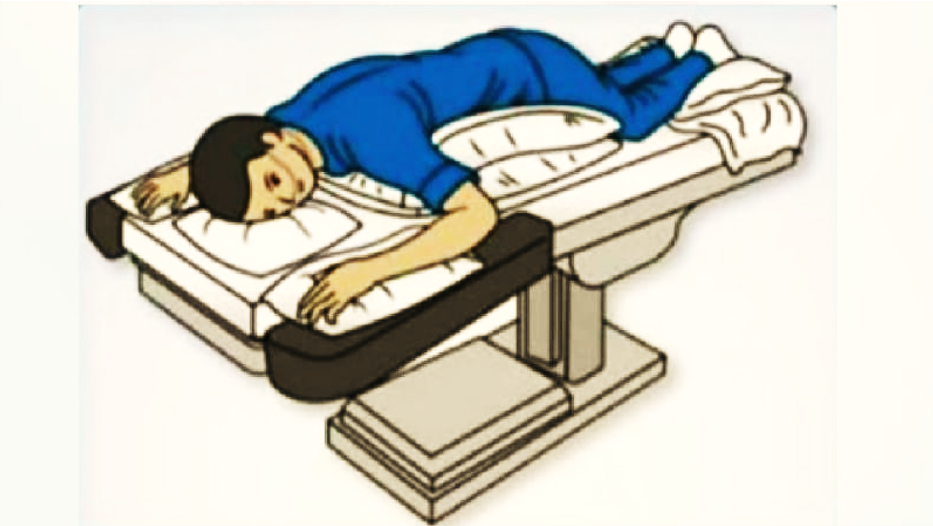
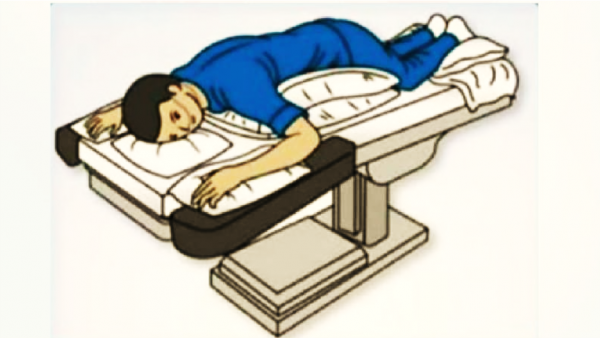
Lie down on the bed facing down.
Place one pillow below the neck and another one or two pillows under the chest through upper thigs and two pillows below the shins (Image 1)
Disclaimerr: Proning does not replace Covid medication nor an alternative for medication. This is a technique to helps patients to breath easily while maintain oxygen level at safe zone at home.