
All posts by HealthyLife

HealthyLife is a part of www.WeRIndia.com, an all India – centric website (https://healthylife.werindia.com) and is solely owned and operated by WeRIndia.com. It is a Indian nutritional portal providing educational articles.This nutritional port was launched on February 5th, 2015.
Reduce Period Pain

How to Reduce Period Pain at Home?

Aunt Flo shows up every month, coming along with a lot of pain, and discomfort. Although it’s a natural process that signifies a healthy reproductive system, the cramps that come with it can feel like a punishment. It’s enough to make you want to curl up in bed and hibernate until it’s all over. But have you wondered what devilish forces conspire these scenes? For starters, your hormones. These prostaglandins serve an important function in signaling the uterus to contract and shed its lining, but when they are overactive, they may cause severe cramping and pain.

Uterine fibroids can turn monthly menstruation into a monthly nightmare by increasing both the volume of bleeding and the intensity of period pain. The discomfort is caused by the uterus contracting (cramping) throughout the menstrual cycle to remove the huge blood clots that often occur from heavy bleeding.

Well, PCOD or PCOS can also be added to the list. But dear readers. In this post, we will explore ways to reduce period pain at home.


Tips to Reduce Period Pain


Period Pain Relief Gadgets


The world of period pain relief gadgets opens the options on how to stop period pain immediately at home. Wearable Transcutaneous Electrical Nerve Stimulation (TENS) devices provide an additional degree of pain reduction for those who would rather not use their hands for the procedure. These clever tools hit the spot where you’re hurting the most by stimulating the muscles and nerves in your abdominal region with mild electrical pulses. It’s as if you had a personal masseuse at the ready, who could ease your pain at the touch of a button.

We must not overlook the efficacy of vibration treatment either. Massage tools that use mild vibrations to ease muscular tension and increase blood flow range from portable massage wands to vibrating balls. Imagine a relaxing day at the spa for your uterus, without the high cost or uncomfortable small conversation.


Body Massage


Different massage techniques can be applied to target certain parts of the body and reduce menstruation discomfort. It entails massaging the belly and lower back with heated oil. The massage helps to relax the muscles and relieves stress in the body. It also improves blood circulation in the region, which helps to relieve pain and discomfort.

The compression massage method includes applying pressure to the abdomen using the hands, fingers, or a massage instrument. This pressure reduces spasms and relaxes tense muscles. Compression massage is also proven to boost circulation and relieve inflammation.

Compression massage can be performed using the hands and fingers or a massage instrument. The massage therapist will apply pressure to the abdomen region in a circular motion with their palms and fingertips.


Get into Comfortable Body Positions


As a haven from the constant barrage of period pain, women have long sought solace in the calming embrace of familiar body postures. But how precisely can these postures reduce our pain, and what is it about them that makes them so effective?

Whether it’s nestling into a fetal position like a snug little burrito or just sleeping on your side with a cushion between your knees, adopting a posture that supports and cradles your body can do wonders for releasing muscular tension and fostering relaxation.

Restricting blood supply to the pelvic area during menstruation can make period pain worse and make it last longer. To alleviate your symptoms, try lying down with your legs raised or sitting with your legs crossed while gently rocking back and forth. These postures promote circulation and can help boost blood flow to the plagued region.


Get Control Over Period Cravings


During menstruation, cravings for sugary foods and refined carbs are common, and they can contribute to dangerous swings in blood sugar levels. Inflammation and hormone imbalances, brought on by these changes, can make period pain much worse. Stabilizing blood sugar levels and reducing the inflammatory response can reduce cramps and pain. Opting for nutrient-dense, balanced meals, and snacks is a better bet.

Eating meals that are heavy in sugar and processed fats, for example, can throw off your hormone balance and make your period symptoms worse. You can help maintain hormonal balance and decrease inflammation by eating foods that are high in important minerals, such as magnesium, antioxidants, and omega-3 fatty acids. Eating more berries, nuts, seeds, and leafy greens can help regulate your hormones and reduce period discomfort.


Add Herbs To Your Diet


As we are answering your question about how to reduce period pain at home, herbs can be a natural and effective way. Turmeric, ginger, and cinnamon are a few examples of herbs that contain bioactive chemicals that could ease pain and inflammation. You can reduce inflammation and period discomfort by using these herbs in your cooking or drinking their teas.

For centuries, people have turned to herbs like black cohosh, chasteberry (Vitex), and dong quai to help maintain a healthy hormonal balance and control menstruation. By supporting more balanced hormone levels and lowering the intensity of menstruation symptoms, these herbs can help ease period discomfort.

You can decrease the severity of period cramps and spasms by using herbs that calm the muscles, such as chamomile, valerian root, and cramp bark. You can ease period cramps and relax your muscles by drinking herbal teas made with these calming plants or by taking them in supplement form.


Stay Hydrated


Feelings of swelling (stomach or otherwise) or weight gain are common in the days leading up to and maybe even throughout a woman’s menstrual cycle. This is because you’re bloated because of water retention. Even though it’s a typical and frequent period symptom, bloating can be painful and increase the severity of cramps.

Contrary to what you would expect, drinking water often throughout the day can help lessen the discomfort and bloating that comes with your period. It would be helpful to have a water bottle on hand and to fill it up many times during the day. Aim for eight 8-ounce glasses of water daily, however the exact amount can vary from person to person. You can relax your muscles and improve blood circulation just by sipping hot water. Uterine contractions can induce cramps, but this can soothe them.


Heat Pad to the Rescue


Placing a hot water bottle or heating pad against the abdomen can help to relax and ease cramps. Heat relaxes the uterine muscle and those surrounding it, perhaps reducing cramping and pain.

To relieve back discomfort, a person can apply a heating pad to their lower back. Another alternative is to take a warm bath, which can help relax the muscles in your belly, back, and legs.


What if it still doesn’t work?


You can always turn to medication if these natural cures don’t help your symptoms. But keep in mind that “taking the easy road” and depending just on painkillers may not be the greatest strategy in the end. Although they provide short-term comfort, abusing these treatments might result in problems or dependence concerns down the line. Since natural therapies and lifestyle modifications can provide long-term comfort without the risks of excessive pharmaceutical usage, they should be considered first.


Conclusion/ A Farewell for your Period Pain


It’s time to look into more permanent solutions now that you’ve learned how to reduce period pain at home with natural treatments and mindful techniques. Welme offers a period pain relief gadget, which is a proven and established remedy. The purpose of this safe, clinically tested, and scientifically proven gadget is to provide support, refuge, and care on those unpleasant period days.

You can obtain targeted pain relief that goes along with your holistic approach to period health by adding Welme to your menstrual care regimen. Welme is an innovative and simple device that can relieve period discomfort effectively and conveniently, without the need for drugs or invasive treatments.


Reference link:

https://timesofindia.indiatimes.com/life-style/health-fitness/health-news/menstrual-cramps-10-home-remedies-that-guarantee-immediate-relief/photostory/91964371.cms
https://www.medicalnewstoday.com/articles/324484
https://www.houstonmethodist.org/blog/articles/2021/sep/menstrual-cramps-5-tips-for-getting-relief-from-period-pain/
https://www.felixhospital.com/blogs/10-safe-and-effective-home-remedies-for-period-cramps
https://www.forbes.com/health/womens-health/how-to-relieve-period-cramps/
https://www.healthline.com/health/womens-health/menstrual-cramp-remedies
https://www.healthpartners.com/blog/13-ways-to-stop-period-pain/
https://www.healthline.com/health/womens-health/how-to-get-rid-of-cramps

Photo by Yuris Alhumaydy on Unsplash (Free for commercial use)


Author: HealthyLife | Posted on: April 1, 2024
« »
« »

Recommended for you

Women in Agriculture in India

Role of Women in Farming in India

The Government of India is promoting natural farming since 2019-20 under Bharatiya Prakritik Krishi Paddhati (BPKP), a sub scheme of Paramparagat Krishi Vikas Yojana (PKVY). Keeping in view of the strength of Natural Farming and the success achieved in some states, BPKP is being up-scaled in Mission Mode as separate scheme as “National Mission on Natural Farming” (NMNF). The implementation of NMNF including pre-production, production and post production activities are being planned through Community Based Organizations i.e. through women Self Help Group(SHGs), and their federations – Krishi Sakhis, Pashu Sakhis etc. These agencies may also be the ideal choices for setting up and/or operation of Bio-input Resource centers and also act as extended branches of various central institutions for mission implementation.

To address the gender gap in agricultural extension services, under “Support to State Extension Programmes for Extension Reforms” popularly known as Agriculture Technology Management Agency (ATMA), a centrally sponsored scheme has made adequate provisions for women in farming. As per ATMA guidelines, women’s food security groups are promoted. To ensure household food and nutritional security, Farm Women’s Food Security Groups (FSGs) @ at least 2 per block are to be formed each year. These FSGs are supported for training, publication and access to inputs @ Rs.10000 per group. These FSGs also serve as “Model Food Security Hubs” through establishing kitchen garden, backyard poultry, goatery, animal husbandry & dairying, mushroom cultivation, etc. Further, as per ATMA guidelines, 30% of the beneficiaries should be women farmers/farm women. Also the guideline under 4.1.4 (i) Minimum 30% of resources meant for programmes and activities are required to be allocated to women farmers and women extension functionaries. As per guidelines, in the ATMA Governing body, out of the non-official members so nominated, one-third would be women farmers. Further, the Block Farmer Advisory Committee (BFAC) and State Farmers Advisory Committee (SFAC) will have at least one third members as women among the progressive farmers. The District Farmers Advisory Committee (DFAC) should also give adequate representation to women. The Gender Coordinator under ATMA will perform the following functions to safeguard the interest of women famers.

  • Ensure flow of benefits under all schemes to women farmers.
  • Collection of gender dis-aggregated data, and conducting studies and action research in critical thrust areas
  • Promote Farm women’s Food Security Groups and prepare training module so as to ensure household food security.
  • Document the best practices/ Success Stories/ Participatory Material Production related to women in Agriculture
  • Block-wise documentation, prioritization and addressal of farm women’s needs and requirements in agriculture and all allied sectors
  • Will report to State Coordinator in r/o gender related information

Women are also considered to serve as farmer friend in the villages to support innovative activities under ATMA. Under the Central Sector Scheme of Agri. Clinics and Agri. Business Centres (AC&ABC) of the Ministry of Agriculture and Farmers’ Welfare, women beneficiaries are receiving 44% as subsidy while others will get 36%.

            National Institute of Agricultural Extension Management (MANAGE), the Nodal organization and knowledge repository for Bhartiya Prakritik Krishi Padhati (BPKP) has conducted 997 One Day Awareness Programs for Gram Pradhans on Natural Farming covering 56,952 Gram Pradhans across the country. Out of which, 17626 are women participants.  A web page on Natural Farming and Knowledge Repository has been created and information related to natural farming collected from various Research and Academic organizations have been uploaded in website for the benefit of various stake holders including women farmers. Study material on Natural Farming prepared in 22 regional languages for Gram Pradhans has been shared during the Gram Pradhans awareness program for the benefit of farmers including women farmers.

This information was given by the Union Minister of Agriculture and Farmers’ Welfare, Shri Narendra Singh Tomar in December 2023.

For further read: Press Information Bureau (pib.gov.in)

Photo by Pixabay: https://www.pexels.com/photo/people-on-rice-terraces-235925/ (Free for commercial use)


Author: HealthyLife | Posted on: January 10, 2024
« »
« »

Recommended for you

Home Care

Angel Care Inc: Redefining Home Care through the Consumer Directed Personal Assistance Program (CDPAP) in New York

In the vibrant heart of New York, Angel Care Inc is at the forefront of innovative healthcare solutions, offering a transformative alternative to traditional home care through the Consumer Directed Personal Assistance Program (CDPAP). This article delves into the distinctive features of CDPAP and how Angel Care Inc is reshaping the landscape of home care.


Understanding CDPAP:

Empowering Individuals in Their Care:

The CDPAP, championed by Angel Care Inc, is a unique program that stands as an alternative to conventional home care models. It places individuals, or their designated representatives, in control of selecting, training, and directing their personal assistants, allowing for a more personalized and empowering home care experience.


The Advantages of CDPAP:

Enhanced Autonomy and Control:

Angel Care Inc recognizes that individuals requiring home care often prefer a more active role in decisions related to their care. CDPAP empowers them with the autonomy to choose their caregivers, defining the type and schedule of services, fostering a sense of control over their healthcare journey.

Familial Involvement:

One distinctive feature of CDPAP is the ability for family members, including adult children, to be hired and compensated as personal assistants. This not only maintains a familiar and comfortable environment for the care recipient but also reinforces the importance of familial bonds in the caregiving process.


How Angel Care Inc Implements CDPAP:

Guidance through the Enrollment Process:

Angel Care Inc is committed to simplifying the enrollment process for CDPAP. The company provides comprehensive guidance, helping individuals and their families navigate the paperwork and administrative aspects, ensuring a smooth transition into the program.

Ensuring Qualified Personal Assistants:

Understanding the critical role personal assistants play in the success of CDPAP, Angel Care Inc places emphasis on ensuring that individuals receive the highest standard of care. The company facilitates the selection and training of qualified personal assistants, aligning with the specific needs and preferences of the care recipient.


Personalized Care Plans:

Tailoring Services to Individual Needs:

With CDPAP, Angel Care Inc redefines home care by tailoring services to the unique needs of each individual. From assistance with daily activities to specialized medical care, the flexibility of the program allows for a personalized approach that aligns with the diverse requirements of those under its care.


The Impact of CDPAP on Home Care:

Fostering Independence and Dignity:

Angel Care Inc understands that fostering independence and preserving the dignity of individuals receiving care are paramount. Through CDPAP, the company is pioneering a shift in the paradigm of home care, promoting a model that respects the choices and preferences of those in need.


Conclusion:

As an innovative force in New York’s healthcare landscape, Angel Care Inc’s embrace of the Consumer Directed Personal Assistance Program reflects a commitment to redefining home care. By empowering individuals with choice, control, and a personalized approach, Angel Care Inc stands as a beacon of transformative care in the realm of home healthcare. To explore more about their CDPAP services, visit their website at angelcareny.com.


Photo by Georg Arthur Pflueger on Unsplash (Free for commercial use)


Author: HealthyLife | Posted on: December 28, 2023
« »
« »

Recommended for you

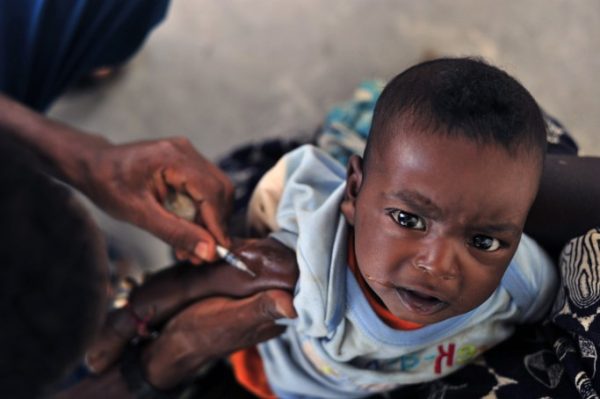
First Malaria Vaccine From Gavi

All You Need To Know About World’s First Malaria Vaccine

·        In response to high demand for the first-ever malaria vaccine, 12 countries in Africa will be allocated a total of 18 million doses of RTS,S/AS01 for the 2023–2025 period

·        Malaria Vaccine Implementation Programme countries Ghana, Kenya and Malawi will receive doses to continue vaccinations in pilot areas

·        Allocations were also made for new introductions in Benin, Burkina Faso, Burundi, Cameroon, Democratic Republic of the Congo, Liberia, Niger, Sierra Leone and Uganda

Twelve countries across different regions in Africa are set to receive 18 million doses of the first-ever malaria vaccine over the next two years. The roll out is a critical step forward in the fight against one of the leading causes of death in the continent.

The allocations have been determined through the application of the principles outlined in the Framework for allocation of limited malaria vaccine supply that prioritizes those doses to areas of highest need, where the risk of malaria illness and death among children are highest.

Since 2019, Ghana, Kenya and Malawi have been delivering the malaria vaccine through the Malaria Vaccine Implementation Programme (MVIP), coordinated by WHO and funded by Gavi, the Vaccine Alliance, the Global Fund to Fight AIDS, Tuberculosis and Malaria, and Unitaid. The RTS,S/AS01 vaccine has been administered to more than 1.7 million children in Ghana, Kenya and Malawi since 2019 and has been shown to be safe and effective, resulting in a substantial reduction in severe malaria and a fall in child deaths. At least 28 African countries have expressed interest in receiving the malaria vaccine.

In addition to Ghana, Kenya and Malawi, the initial 18 million dose allocation will enable nine more countries, including Benin, Burkina Faso, Burundi, Cameroon, the Democratic Republic of the Congo, Liberia, Niger, Sierra Leone and Uganda, to introduce the vaccine into their routine immunization programmes for the first time. This allocation round makes use of the supply of vaccine doses available to Gavi, Vaccine Alliance via UNICEF. The first doses of the vaccine are expected to arrive in countries during the last quarter of 2023, with countries starting to roll them out by early 2024.

“This vaccine has the potential to be very impactful in the fight against malaria, and when broadly deployed alongside other interventions, it can prevent tens of thousands of future deaths every year,” said Thabani Maphosa, Managing Director of Country Programmes Delivery at Gavi, the Vaccine Alliance. “While we work with manufacturers to help ramp up supply, we need to make sure the doses that we do have are used as effectively as possible, which means applying all the learnings from our pilot programmes as we broaden out to a new total of 12 countries.”

Malaria remains one of Africa’s deadliest diseases, killing nearly half a million children each year under the age of 5, and accounting for approximately 95% of global malaria cases and 96% of deaths in 2021.

“Nearly every minute, a child under 5 years old dies of malaria,” said UNICEF Associate Director of Immunization Ephrem T Lemango. “For a long time, these deaths have been preventable and treatable; but the roll-out of this vaccine will give children, especially in Africa, an even better chance at surviving. As supply increases, we hope even more children can benefit from this life-saving advancement.”

“The malaria vaccine is a breakthrough to improve child health and child survival; and families and communities, rightly, want this vaccine for their children. This first allocation of malaria vaccine doses is prioritised for children at highest risk of dying of malaria,” said Dr Kate O’Brien, WHO Director of Immunization, Vaccines and Biologicals. “The high demand for the vaccine and the strong reach of childhood immunisation will increase equity in access to malaria prevention and save many young lives. We will work tirelessly to increase supply until all children at risk have access.”

Given the limited supply in the first years of the roll-out of this new vaccine, in 2022 WHO convened expert advisors, primarily from Africa – where the burden of malaria is greatest – to support the development of a Framework for allocation of limited malaria vaccine supply, to guide where initial limited doses would be allocated. The Framework is based on ethical principles on a foundation of solidarity; and it proposes that vaccine allocation begin in areas of greatest need. 

The Framework implementation group that applied the framework principles included representatives of the Africa Centres for Disease Control and Prevention (Africa CDC), UNICEF, WHO and the Gavi Secretariat, as well as representatives of civil society and independent advisors. The group’s recommendations were reviewed and endorsed by the Senior Leadership Endorsement Group of Gavi, WHO and UNICEF (for more, see First malaria vaccine supply allocations: explanation of process and outcomes).

Annual global demand for malaria vaccines is estimated at 40–60 million doses by 2026 alone, growing to 80–100 million doses each year by 2030. In addition to the RTS,S/AS01 vaccine, developed and produced by GSK, and in the future supplied by Bharat Biotech, it is expected that a second vaccine, R21/Matrix-M, developed by Oxford University and manufactured by Serum Institute of India (SII), could also be prequalified by WHO soon. Gavi has recently outlined its roadmap to support increasing supply to meet demand.

For more information on Gavi please visit : https://www.gavi.org/

Image credit:  vaccine 4256×2832 – – 1353689 – Free stock photos – PxHere (cc by 0)


Author: HealthyLife | Posted on:
« »
« »

Recommended for you

Locust Pose

Practicing Locust Pose Aids Digestion

The “locust pose” is a yoga pose that is also known as “Shalabhasana” in Sanskrit. It is a beginners yoga  backbend pose that strengthens the muscles of the back, buttocks, and legs. Locus pose known to stimulates the abdominal organs and aids digestion, improves posture and counteracts the effects of prolonged sitting in addition to toning the muscles of the buttocks and helps alleviate sciatica.

Avoid this pose; if you have a recent or chronic injury to the back. Pregnant women should approach this pose with caution and may choose to keep the legs on the ground for a modified version – Healthy Life

LEVEL: Beginner

Anatomy: Abs, Chest, Hamstrings, Shoulders, Upper Back

Pose Type: Backbend, Heart Opener, Prone

Sanskrit: Salabhasana (sha-la-BAHS-anna) salabha = locust

BENEFITS:

  • Strengthens the back muscles, hamstrings, and core
  • Stimulates the abdominal organs
  • Aids digestion
  • Stretches the chest, shoulders, and abdomen
  • Improves posture

CONTRAINDICATIONS:

  • Back or neck injury
  • Pregnancy
  • Headache

HOW TO:

  1. Begin lying on your stomach with your legs extended, the tops of your feet pressing into the floor, and your chin resting on the mat.
  2. Extend your arms along the sides of your body, palms facing up. Engage your core and firm your pelvis against the floor.
  3. As you inhale, lengthen your legs and spine, reaching your toes toward the back of your space.
  4. Exhale and lift your head, chest, arms, and legs off the ground. Roll your shoulders back and extend your arms behind you, so they are parallel with the floor. Reach through your fingertips and firm your back muscles.
  5. Contract the legs to help you lift, keeping your knees, ankles, and big toes together. Gaze forward, being careful to keep the back of your neck long.
  6. Hold Locust pose for three to five breaths. Slowly release to the floor on an exhale.

MODIFY OR REPLACE:

Alternatives:

Dhanurasana (Bow pose)

Modifications:

Clasp your hands together behind your back. As you inhale and lift the torso, reach the arms straight back and up.

SEQUENCING TIPS:

Before:

Chaturanga Dandasana (Four-Limbed Staff pose)

Urdhva Mukha Svanasana (Upward-Facing Dog)

After:

Dhanurasana (Bow pose)

Setu Bandha Sarvangasana (Bridge pose)

TEACHING CUES:

  • Look forward and down to keep your neck in line with your spine.
  • Turn the big toes together and keep them touching as you lift.
  • With each inhale, lift a bit higher off the floor.
  • With each exhale, lengthen the spine, arms, and legs.

VARIATIONS:

  • Makarasana (Crocodile pose)

WATCH OUT FOR:

  • Gripping the gluteus muscles
  • External rotation of the legs
  • Shoulder blades not rooted on the back
  • Pressure in low back
  • Chin lifted too high

This article and image published here with prior permission from beyogi.com


Author: HealthyLife | Posted on: December 13, 2023
« »
« »

Recommended for you

Cognitive Behavioral Therapy

Who Needs to Consider Cognitive Behavioral Therapy?

Do you ever find that starting a new job fills butterflies in your stomach and the mere thought of entering into a new environment with many unfamiliar faces makes you anxious?


Feeling anxious or nervous is part of our survival and from time to time we experience it in varying degrees. Many times these feelings are caused by the way we think about certain circumstances and not by the circumstances itself.


When we are anxious, our mind starts thriving on negative thought patterns and it overpowers our positive thinking and emotions which may make us feel unworthy and fearful and increase the intensity of our overall stress level. Over time these symptoms may turn into clinical depression and other mental health problems. The goal of Cognitive Behavioral Therapy or CBT is to help you change the way you think about certain situations and how these changes can help you cope with reality.


In this blog, we will help you understand what Cognitive Behavioral Therapy is and who should consider this therapy.


Understanding Cognitive Behavioral Therapy

Cognitive Behavioral Therapy or CBT is a form of psychological treatment that has shown great effectiveness in treating a wide spectrum of mental health issues such as substance misuse, eating disorders, anxiety disorders, depression, trauma, marital problems, and other mental illnesses.


CBT aims to help people learn how to identify and change their damaging or harmful thinking patterns that are influencing their emotions and behavior negatively. It combines both cognitive and behavioral therapy to identify these harmful thinking patterns and replace them with more desirable ones.


3 Basic Principles of CBT


Core BeliefsThese are deeply held beliefs about self, others/world, and the future. These beliefs are generally learned in the early stage of life and are especially influenced by childhood experiences. The following are depictions of core beliefs.   Self: I am useless/ worthless Others/World: Everybody hates me because I am worthless Future: I’ll never be good at anything because everybody hates me
Dysfunctional AssumptionsWe humans tend to hold on to negative thoughts more than positives and these negative thoughts are irrational and distort our perception about reality.
Negative Automatic ThoughtsNATs are intuitive thoughts that activate in certain situations. In a state of anxiety or depression, these thoughts are centrally themed on negativity, low self-esteem, and uselessness.

Common Mental Health Challenges Addressed by CBT

CBT is a treatment that can be used to treat a wide spectrum of mental health problems. Some of the mental health issues covered by CBT include but are not limited to.


DepressionBipolar DisorderAnger ProblemDrug/ Alcohol problem
AnxietyEating DisorderPTSDSleep Problem
StressOCDSchizophreniaPsychosis
Panic DisorderBorderline Personality DisorderPhobiasPerinatal Mental Health Problems

Who Can Benefit from CBT?

CBT is a type of talk therapy wherein patients talk to a mental health counselor in a structured manner and the therapy usually lasts for 6-20 sessions with each session may take 30-60 minutes. The therapy helps one become aware of distorted or harmful thinking so that they can view the situations differently and with a positive approach.


The treatment has proven beneficial for individuals dealing with different mental health concerns. Below is a list of individuals who can benefit from Cognitive Behavior Therapy.


Individuals with anxiety DisorderPeople with depressionPeople with stress-related disorders
Individuals with OCD
(Obsessive-Compulsive Disorder)
People with eating disordersIndividuals with substance disorders  
People with sleep disordersIndividuals with relationship issuesIndividuals with PTSD

Pro & Cons

Cognitive Behavioral Therapy is very effective in combating many mental health illnesses but it may not be suitable or effective for everyone. So, let’s explore some of the pros and cons of CBT.


Pros

In comparison to other talk therapies, CBT requires a short period of time for treatment completion.
CBT teaches practical and useful methods to deal with situations that can be implemented in everyday life even after the completion of therapy.
It focuses on re-training thoughts and behavior to bring a positive outlook toward life.
Studies have shown that in some cases CBT can be more effective in treating some illnesses such as anxiety disorder than medication.
The structured nature of CBT allows it to offer treatment in different formats such as self-help books, computer programs, or in group sessions.

Cons

CBT may not be suitable for individuals with more complex mental problems or with learning difficulties.
CBT demands a commitment from individuals toward the process as it may not deliver positive or desired results without participants’ full cooperation.
CBT involves facing your emotions and anxiety which may make you feel uncomfortable in the initial phase of the treatment.
According to some critiques, CBT focuses on specific issues and addresses current problems but doesn’t address the possible underlying medical conditions.
Taking regular sessions and carrying extra work between sessions can take up a good amount of your time.

Conclusion

Cognitive Behavior Therapy is a highly effective therapy that can help you overcome a wide range of mental illnesses. By altering the way one thinks about situations, CBT ensures that every client has better control over their emotions, behavior, and thought process, consequently paving the path for a better future and quality of life.


Photo by Elsa Tonkinwise on Unsplash (Free for commercial use)


Author: HealthyLife | Posted on: December 8, 2023
« »
« »

Recommended for you