






 Fusion
Ebola Outbreak in Congo: Risks, Global Concerns and Precautions for Travelers
The recent Ebola outbreak in the Democratic Republic of the Congo has once again raised global health concerns and highlighted the importance of international preparedness against infectious diseases. Ebola virus disease is one of the world’s deadliest viral infections, known for its high fatality rate and rapid spread through direct human contact. The outbreak has become a major public health challenge not only for Congo but also for neighboring countries and the international community.
According to health authorities and the World Health Organization (WHO), the outbreak has affected parts of northeastern Congo and has raised fears of regional transmission. Experts are particularly concerned because the outbreak involves the Bundibugyo strain of the Ebola virus, for which there is currently no widely approved vaccine or specific treatment. Weak healthcare infrastructure, armed conflict, population movement, and delayed detection have further complicated efforts to contain the disease.
What Is Ebola?
Ebola virus disease is a severe and often fatal viral illness that spreads through direct contact with infected blood, bodily fluids, or contaminated materials. Symptoms usually begin with fever, weakness, muscle pain, and headache, followed by vomiting, diarrhea and, in severe cases, internal and external bleeding. The disease can spread quickly in areas with poor sanitation and limited medical facilities.
How does Ebola spread?
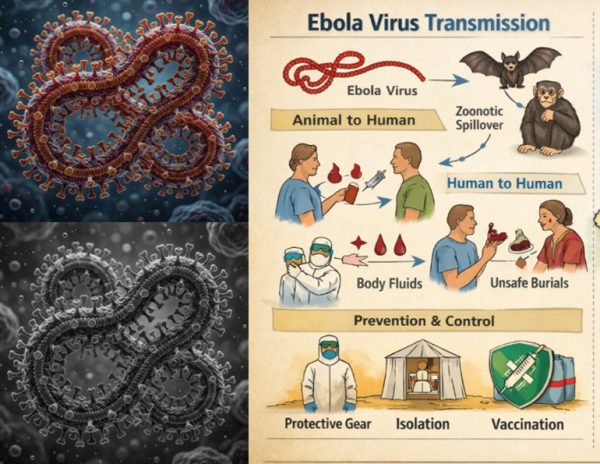
Ebola virus disease spreads through direct contact with infected bodily fluids, contaminated objects, or infected animals. It does not spread as easily as common airborne illnesses like the flu or common cold, but it can spread rapidly in close-contact environments.
Ebola outbreaks are particularly dangerous because infected individuals may spread the virus before receiving medical isolation. Traditional burial practices involving physical contact with bodies have also contributed to transmission during past outbreaks.
Ebola virus disease is a severe viral illness that spreads through direct contact with:
- blood
- bodily fluids
- contaminated surfaces
- infected animals
- bodies of infected people during burial practices
Symptoms may include:
- high fever
- vomiting
- diarrhea
- weakness
- bleeding
- severe dehydration
If patients are not isolated early, the disease can spread quickly.
Why experts are concerned?
Health officials say the outbreak is spreading in a region facing:
- armed conflict
- weak healthcare systems
- population movement
- delayed detection
- mistrust of authorities
WHO also warned that the Bundibugyo strain currently has no licensed vaccine, making public health measures extremely important.
Why the Congo outbreak matters globally?
The Congo outbreak has drawn international attention because infectious diseases can spread across borders through travel and trade. In today’s interconnected world, outbreaks in one region can quickly become global concerns if proper containment measures are not implemented.
The situation is especially worrying because parts of Congo affected by the outbreak face:
- limited healthcare access
- armed conflict
- displacement of populations
- shortage of medical workers
- mistrust of authorities
These conditions make disease surveillance and contact tracing much more difficult.
What public should do?
- Avoid physical contact with sick individuals — Do not touch blood, vomit, saliva, or bodily fluids of anyone showing Ebola symptoms.
- Wash hands frequently — Use soap and water or alcohol-based sanitizers regularly.
- Avoid rumors and follow official health advice — Get updates only from: WHO, local health ministries and trusted medical sources. False information can increase panic and spread.
- Report symptoms early — Anyone with: fever, vomiting, bleeding, recent exposure to infected areas should seek medical help immediately.
- Avoid unsafe burial practices — Traditional burial rituals involving direct contact with bodies can spread Ebola rapidly.
- Practice food safety — Avoid handling or eating dead wild animals or bushmeat in affected regions.
- Cooperate with health workers — Contact tracing, testing, isolation, and monitoring are critical to stopping outbreaks.
What precautions should travelers take?
Travelers visiting affected regions should exercise extreme caution and follow official health advisories.
- Avoid non-essential travel — People should avoid unnecessary travel to Ebola-affected areas until the outbreak is controlled.
- Maintain strict hygiene — Frequent handwashing with soap or alcohol-based sanitizer is essential to reduce infection risk.
- Avoid physical contact — with sick individuals, bodily fluids, contaminated surfaces, dead animals, funeral gatherings in outbreak areas/zones.
- Monitor symptoms — Anyone returning from affected areas should immediately seek medical attention if they develop: fever, vomiting, diarrhea, visual bleeding, and weakness.
- Follow Airport and screening rules — Travelers should cooperate fully with health screenings, testing procedures and quarantine protocols introduced by authorities.
Is there a global pandemic risk?
WHO currently considers-
- the risk inside Congo as “very high”
- regional spread risk as “high”
- global risk as “low” for now
Health experts say the outbreak can still be controlled if surveillance, isolation, and public cooperation improve quickly.
The Ebola outbreak in Congo is not just a regional health crisis but a reminder of how vulnerable the world remains to infectious diseases. While health officials currently believe the global risk remains manageable, the outbreak demonstrates the importance of preparedness, international cooperation, and rapid public health action. Travelers must remain cautious, governments must strengthen monitoring systems, and nations must work together to prevent the outbreak from escalating into a larger global emergency.
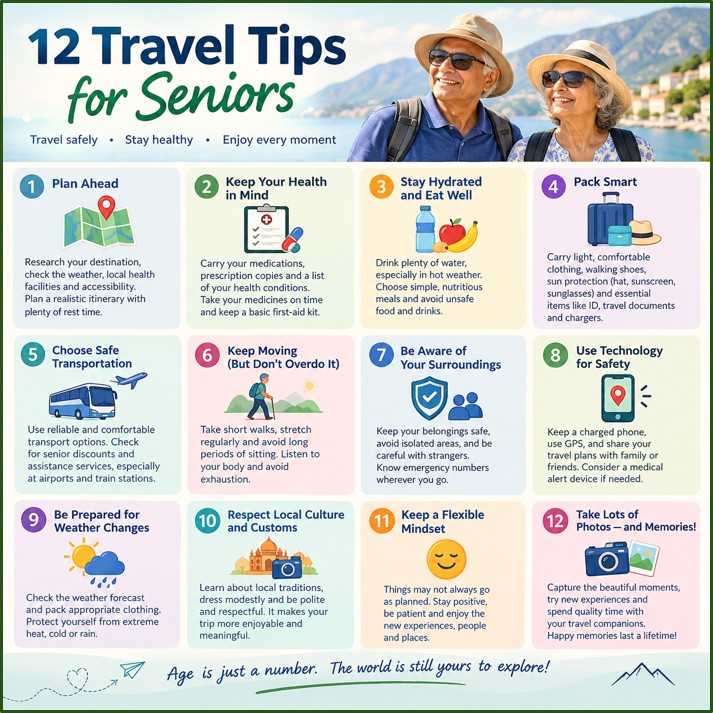
Image credit: created using AI copilot on 24-5-2026
Author: Sumana Rao | Posted on: May 25, 2026
« Previous Article
Next Article »
« Are Your Allergies Getting Worse? The Hidden Impact of Climate Change Health Alert: What Is Shigella and Why Are Rising Cases in India a Cause for Concern? »
« Are Your Allergies Getting Worse? The Hidden Impact of Climate Change Health Alert: What Is Shigella and Why Are Rising Cases in India a Cause for Concern? »











Write a comment