







 Fusion
Maharashtra FDA Food Safety Crackdown 2026: Dairy, Restaurant and Medicine Recalls Explained
Over the past few weeks, the Maharashtra Food and Drug Administration (FDA) has ramped up inspections across dairies, restaurants, food manufacturing units, and retail stores throughout the state. The move signals a renewed push to improve hygiene standards, curb food adulteration, and enforce compliance with the Food Safety and Standards Act, 2006.
Parsi dairy farm FSSAI licence suspended: what happened?
Among the most talked-about actions was the suspension of the FSSAI license held by Mumbai’s well-known Parsi Dairy Farm. After an inspection on July 14, officials found a number of serious hygiene lapses — fungal growth on the walls, mosquito infestation, poor housekeeping, and gaps in food handling procedures. As a result, the dairy’s license was suspended pending corrective action.
It’s worth noting that officials were careful to clarify the basis for this decision: the suspension stemmed from hygiene and sanitation violations, not from any confirmed evidence of harmful substances in the milk itself.
Maharashtra milk and dairy products under increased FDA scrutiny
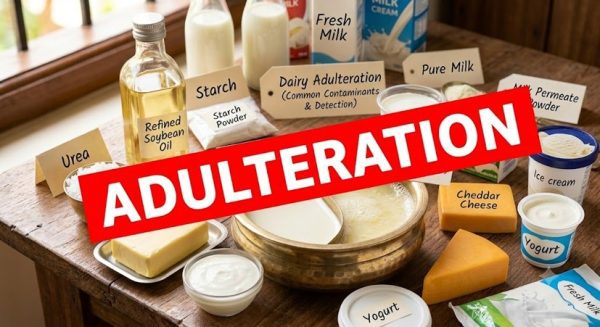
The scrutiny isn’t limited to one dairy. The FDA has instructed the entire milk sector to tighten compliance, warning that violators could face penalties as steep as ₹10 lakh. Milk and dairy products are treated as high-risk categories, since they’re particularly vulnerable to adulteration and microbial contamination when not handled properly.
FDA Commissioner Tukaram Mundhe pointed to lab testing data showing that close to 40% of sampled analog paneer products failed to meet required safety standards — a finding that has triggered closer surveillance of dairy manufacturers and distributors statewide.
Mumbai restaurant licence suspensions: hygiene violations under the FDA crackdown
The enforcement drive has also reached restaurants and food outlets across Mumbai. A number of eateries had their licenses suspended after inspectors uncovered issues like unhygienic kitchens, expired products, pest problems, and improper storage. The broader goal, officials say, is to make sure restaurants maintain consistent cleanliness standards year round, rather than tightening up only during festivals or scheduled inspections.
Major food safety seizures in Maharashtra: edible oil, dairy and spice raids: Recent raids have led to some sizeable seizures of unsafe food products:
- In Chhatrapati Sambhajinagar, officials seized edible oil worth roughly Rs.2.93 crore after finding unhygienic production conditions — rusted machinery, reused containers, and poor quality-control setups. It is being described as one of the department’s biggest actions of this kind so far.
- Separate statewide raids on dairy units, restaurants, and spice markets turned up violations worth more than Rs. 57 lakh in seized goods, along with a string of suspension and improvement notices issued to non-compliant businesses.
Aciloc and Coldrif Syrup Recall: FDA Action on Medicine Safety in Maharashtra:
The crackdown has extended into pharmaceuticals as well. Authorities ordered a recall of Aciloc 150+ and Aciloc 300+ stock worth about Rs.2.45 crore following a quality and safety review. Separately, a public alert was issued urging consumers to avoid a specific batch of Coldrif Syrup, after reports from another state linked it to contamination with toxic diethylene glycol.
How consumers can stay safe: FDA food safety tips for Maharashtra residents
The FDA has encouraged the public to stay alert by:
- Buying food only from licensed vendors
- Checking packaging labels and expiry dates carefully
- Looking for a valid FSSAI license number on packaged products
- Reporting unhygienic or suspicious food establishments to local authorities
- Steering clear of products that look tampered with or poorly stored
Year-round food safety enforcement strategy:
Perhaps this story here is to bring changes. The Maharashtra FDA has signaled that food safety checks won’t be a once-in-a-while campaign anymore. Field officers have been directed to carry out inspections regularly throughout the year, with sharper focus on high-risk categories like milk, edible oils, spices, and ready-to-eat foods. Taken together, these steps point to a broader strategy built around prevention, stricter compliance, and stronger consumer protection across the state’s food supply chain.
Image credit: Created using Gemini AI on July 17th 2026 at 8:15 am
Author: Sumana Rao | Posted on: July 20, 2026
« Previous Article
Next Article »
« Cauvery Calling: How Saving Rivers Can Secure Our Food Future Reasons For Global Popularity Of Basmati Rice »
« Cauvery Calling: How Saving Rivers Can Secure Our Food Future Reasons For Global Popularity Of Basmati Rice »










Write a comment