





 Fusion
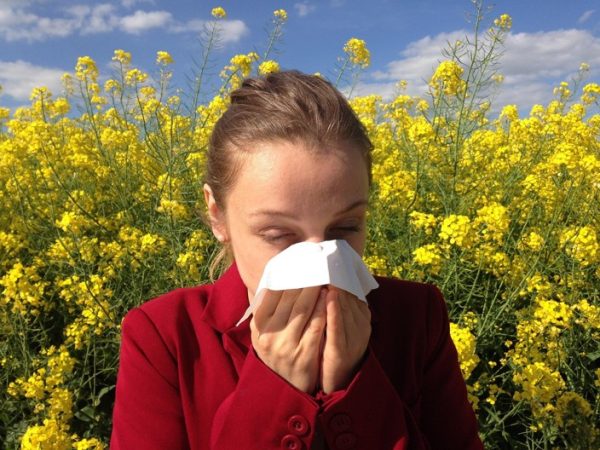
Are Your Allergies Getting Worse? The Hidden Impact of Climate Change
Climate change is not just about heat, it is quietly reshaping how, when, and how intensely allergies affect people. Climate change refers to long term shifts in Earth’s temperatures, weather patterns, and ecosystems—driven today by human activities.
What are the impacts of climate change on our health?
Climate change affects both nature and human health:
- Rising temperatures – more heatwaves
- Extreme weather -floods, droughts, stronger storms
- Melting ice and rising seas – coastal risks
- Ecosystem disruption -loss of biodiversity
- Health effects-worsen allergies, asthma, heat stress.
What is changing in plants and why it matters?
Climate shifts are altering plant behavior and air quality in ways that directly worsen allergies:
- Longer pollen seasons: Warmer temperatures mean plants like dandelion, ragweed start releasing pollen earlier and continue longer into the year.
- More intense pollen: Higher levels of carbon dioxide can increase how much pollen plants produce and make it more allergenic.
- New allergens in new places: As climates shift, plants migrate. Regions that never had certain pollen before are now seeing them.
- Worsening air pollution: Pollutants like ozone and particulate matter can irritate airways and amplify allergic reactions.
- Extreme weather effects: Events like storms can break pollen into tiny particles, triggering severe responses is known as “thunderstorm asthma.”
Health impacts you might notice –
- More frequent or severe allergic rhinitis.
- Increased asthma flare-ups.
- New sensitivities developing over time.
What can you do to reduce your allergy risk?
1. Reduce exposure
- Check daily pollen counts- use weather channel guide.
- Keep windows closed during high pollen days.
- Shower and change clothes after being outdoors.
- Use HEPA air purifiers indoors.
2. Support your immune system
- Eat anti-inflammatory foods: turmeric, ginger, leafy greens.
- Include omega-3 sources like flaxseeds and walnuts.
- Stay hydrated to help clear allergens.
3. Manage symptoms early
- Saline nasal rinses can reduce pollen load.
- Over-the-counter antihistamines (like cetirizine) may help.
- Consult a doctor about persistent or severe symptoms.
4. Make your living environmentally friendly
- Vacuum with HEPA filters.
- Wash bedding frequently in hot water.
- Avoid outdoor activity in early morning when pollen peaks.
Key anti-allergy foods to emphasize;
- Natural antihistamines: onion, apples, berries
- Anti-inflammatory spices: turmeric, ginger
- Omega-3 sources: flaxseeds, chia seeds, walnuts
- Vitamin C-rich foods: citrus fruits, bell peppers, tamarind
- Probiotics: curd, fermented foods, buttermilk (chaas)
What should we do collectively? We have one earth as our home and to live healthily we can take some simple steps:
- Reduce fossil fuel use to limit greenhouse gases.
- Support urban planning strategies that consider low allergen plants.
- Advocate for cleaner air policies
Climate change is turning seasonal allergies into year-round issues for many people. Addressing it is not just environmental—it is a public health priority.
Image credit: Image by Corina from Pixabay (Free to use under Pixabay content license, published on October 15, 2016)
Author: Sumana Rao | Posted on: April 27, 2026
« Previous Article
Next Article »
« What Is Digital Detoxification And Dopamine Detoxification? Ebola Outbreak in Congo: Risks, Global Concerns and Precautions for Travelers »
« What Is Digital Detoxification And Dopamine Detoxification? Ebola Outbreak in Congo: Risks, Global Concerns and Precautions for Travelers »












Write a comment