






 Fusion
15 Simple And Cost Effective Ways To Clean Your Home Using Dishwashing Liquid
Have you ever wondered how the dish soap or dishwashing liquid the cleaning product that we use for cleaning utensils work? It is specially formulated to remove grease, oil, food residue and everyday dirt.
Do you know? You can use dish soap not just for washing utensils, also can be used for multi cleaning purposes. Dish soap contains ingredients called surfactants. These ingredients help water spread across a surface and loosen grease and dirt so they can be washed away.
Oil and water do not mix easily. Surfactants help overcome this problem in three main ways:
- Loosens grease: Dish soap helps lift oily residue from dishes, pans and other surfaces.
- Suspends dirt: It helps keep loosened grease and food particles dispersed in water so they can be rinsed away.
- Improves wetting: It allows water to spread more easily over surfaces, helping cleaning reach dirty areas.
15 Clever dish soap hacks for home and ways to use dish soap:
1. Clean greasy kitchen cabinets: Mix a few drops of dish soap with warm water. Wipe cabinet doors and handles with a soft cloth, then rinse and dry.
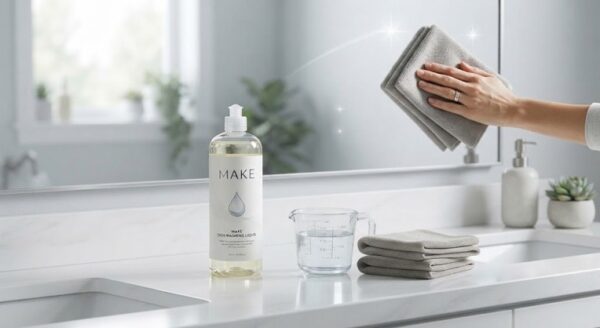
2. Make glass and mirrors sparkle: Add one or two drops of dish soap to a cup of water. Wipe the glass and buff dry with a lint free cloth to reduce streaks.
3. Remove stovetop grease: Once the stove has cooled, wipe it with warm, soapy water to loosen cooking oil and food splashes.
4. Clean plastic food containers: Soak containers in warm water and dish soap for 15–20 minutes to loosen oily residue from curries, sauces and dressings.
5. Wash range hood filters: If the manufacturer permits, soak removable metal filters in warm, soapy water, scrub gently, rinse and dry completely.
6. Remove marks from washable walls: Use a soft cloth dampened with diluted dish soap to clean fingerprints and small marks. Test a hidden spot first.
7. Treat fresh oil stains on clothes: Apply a small drop of dish soap to a washable fabric stain. Gently rub, leave for 5–10 minutes, rinse and launder according to the care label.
8. Clean makeup brushes: Wash sturdy synthetic brushes with a tiny amount of mild dish soap and lukewarm water. Rinse thoroughly and dry with the bristles pointing downward.
9. Wash outdoor plastic furniture: Mix dish soap with water, scrub chairs and tables with a soft sponge, rinse and air dry.
10. Clean reusable water bottles: Wash bottles, lids and drinking spouts with warm, soapy water and a bottle brush. Rinse well and allow all parts to dry completely.
11. Remove grease from household tools: Wipe suitable hand tools with a damp, soapy cloth. Dry metal parts immediately to prevent rust. Never soak electrical tools.
12. Clean washable sneakers: Use a few drops of dish soap in warm water and gently scrub suitable canvas or synthetic shoes. Wipe away residue and air-dry.
13. Wash window screens: Remove loose dust with a soft brush, gently clean removable screens with mild soapy water, rinse lightly and dry before reinstalling.
14. Remove sticky food residue: Place a warm, damp cloth over the sticky spot briefly. Wipe with diluted dish soap, then rinse and dry.
15. Clean pet food bowls: Wash bowls daily with dish soap and warm water. Scrub thoroughly, rinse away all soap residue and dry before refilling.
Common precautions to use dish soap:
- Never mix dish soap with bleach or other cleaning chemicals.
- Do not use ordinary dish soap in a dishwasher or washing machine; it can create excessive foam.
- Avoid using dish soap on delicate materials unless the manufacturer says otherwise.
- Always rinse food contact surfaces thoroughly.
A few drops of dish soap, warm water and a soft cloth are often enough to tackle everyday grease and grime.
Image credit: Created using AI Gemini 22-10-2026
Author: Sumana Rao | Posted on: October 23, 2026










Write a comment