




 Fusion
Walking Pneumonia in Children: Symptoms and Prevention
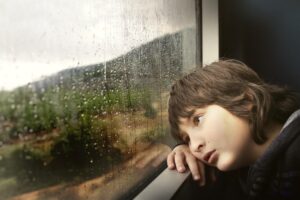
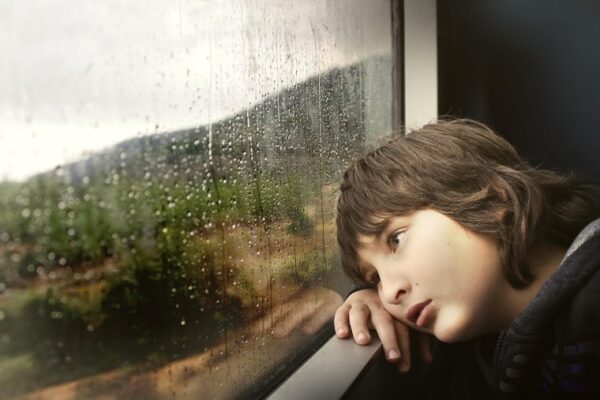
We are approaching winter season; it means school going children often exposed to cold and sickness. If you see your child coughing for several days and have throat pain, headache associated with fatigue and weakness see your child’s pediatrician. It could be Walking pneumonia.
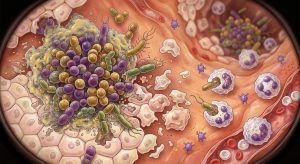
Walking pneumonia is a mild form of pneumonia that affects lungs. It is caused by a bacterium known as Mycoplasma pneumoniae. In typical pneumonia children will have high fever, running nose and need total rest to recover. Unlike pneumonia in case of walking pneumonia child might remain active and continue with daily activities like homework, sports even when the cough is severe. It is generally milder than other forms of pneumonia. However, sometimes it can cause complications and need medical attention.
Symptoms of walking pneumonia:
Over several days following symptoms resembling common cold gradually develops.
- Persistent dry cough may gradually become worse.
- Low fever lasting several days.
- Hoarseness and sore throat
- Body ache and head ache.
- Weakness and fatigues
- Stuffy and runny nose.
- While coughing and breathing child may feel chest discomfort
- Mild shortness of breath
- In some children cough may last for several days even after other symptoms improve.
When should parents see pediatrician?
If the child has persistent cough, fever and other symptoms that are not improving with regular medicines, contact your doctor. Seek urgent medical attention if your child experiences:
- If child has difficulty in breathing, rapid breathing, or chest muscles pulling inward while breathing.
- Severe chest pain.
- Fatigue, continuous sleepiness, confusion, difficulty waking up.
- Bluish lips and skin.
- Signs of dehydration, such as little urination or inability to drink fluids.
Babies and toddlers with a fever of 100.4°F (38°C) or higher need medical evaluation.
Prevention of walking pneumonia:
How walking pneumonia spreads? When an infected person coughs, sneezer or talks, the respiratory droplets transfer to healthy children. It could happen when child come in contact with infected person close contact at school, daycare or home.
The following measures can help in preventing and reduce the risk of infection:
- Encourage frequent handwashing: Teach children to wash hands using soap and water for at least 20 seconds, especially before eating and after coughing or sneezing.
- Cover coughs and sneezes: Teach them to use a tissue or the inside of the elbow to cover mouth and nose.
- Avoid close contact with sick people: If you know someone has respiratory symptoms and cold, keep children away from infected person.
- Keep shared spaces clean: Regularly clean frequently touched surfaces like door knobs, window, table surfaces, toys and classroom objects.
- Stay home when sick: If child is sick and has respiratory symptoms – let them stay home until they feel better.
- Maintain good ventilation: Practice opening windows for good ventilation and air filtration. This reduces concentration of respiratory germs inside home.
What type of home care should be provided?
With proper care most children will recover from the symptoms. Based on severity of symptoms your child’s doctor will guide – whether antibiotics required or not. Other care parents should consider for child with symptoms of walking pneumonia are;
- Encourage child to drink fluid and take adequate rest.
- Warm fluids will help to sooth sore throat and cough.
- Use fever reducing medicine as recommended by the doctor.
- Do not expose child to smoke and harsh chemicals or other irritants that worsens breathing and coughing.
- Completing antibiotics course as directed by physician.
Currently no vaccine available to prevent Mycoplasma pneumoniae infection. Routine childhood vaccinations, including pneumococcal vaccination, will protect against other important types of pneumonia but do not prevent walking pneumonia caused by Mycoplasma pneumoniae.
A persistent cough in child does not always mean pneumonia. However, if child’s cough is worsening and other symptoms makes it difficult for child to perform day to day activity then consult pediatrician.
References:
- https://www.cdc.gov/mycoplasma/about/index.html
- https://www.healthychildren.org/
- https://www.gideononline.com/blogs/mycoplasma-pneumoniae-the-threat-of-antibiotic-resistant-pneumonia-or-walking-pneumonia/
- Image credit: Image by Shlomaster from Pixabay (Free to use under Pixabay content license, Published dateApril 22, 2015)
Author: Sumana Rao | Posted on: November 5, 2026












Write a comment