






 Fusion
Can Infections Cause Cancer? 9 Infections Linked To Cancer
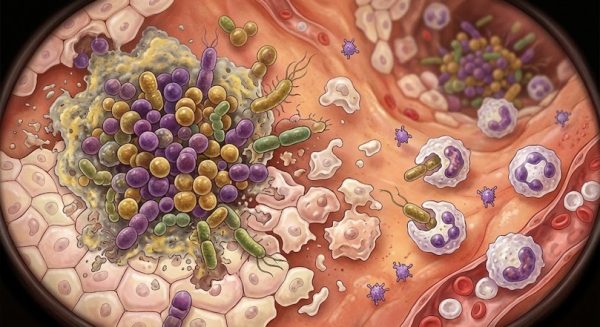
When we think about cancer, we often associate it with lifestyle, genetics, environmental exposures, or aging. Did you know that certain infections can also increase the risk of cancer? Some viruses, bacteria, and parasites can cause long term inflammation, damage cells, or interfere with normal cell growth, potentially contributing to cancer over many years.
Having an infection does not mean that a person will develop cancer. Most infections do not cause cancer, and even among people who have cancer associated infections, only a small proportion develop cancer. Infections cause approximately 12% to 13% of all global cancer cases.
Which infections are linked to cancer?
1. Human papillomavirus (HPV): Persistent infection with certain high-risk types of HPV is one of the best-known infectious causes of cancer. HPV can cause cervical cancer and is also associated with cancers of the anus, penis, vulva, vagina, and some cancers of the throat and mouth.
HPV vaccination and recommended screening can significantly reduce the risk of HPV-related cancers.
2. Hepatitis B and C viruses: Chronic infection with hepatitis B (HBV) or hepatitis C (HCV) can damage the liver over many years. This ongoing injury and inflammation can increase the risk of liver cancer, particularly when chronic liver disease or cirrhosis develops.
A hepatitis B vaccine is available, while hepatitis C can often be cured with modern antiviral medicines.
3. Helicobacter pylori (H. pylori): H. pylori is a bacterium that can infect the stomach lining. Long-term infection can cause chronic gastritis and ulcers and is associated with an increased risk of stomach cancer and a type of lymphoma called gastric MALT lymphoma.
Testing and appropriate antibiotic treatment can eliminate the infection and may reduce the risk of related complications.
4. Epstein-Barr virus (EBV): EBV is a very common virus and usually causes no serious long-term problems. However, it has been linked to certain cancers, including some lymphomas, nasopharyngeal cancer, and certain stomach cancers.
5. Human herpesvirus 8 (HHV-8): HHV-8, also known as Kaposi sarcoma-associated herpesvirus, is associated with Kaposi sarcoma and certain rare lymphomas. The risk is particularly important in people with weakened immune systems.
6. HTLV-1: Human T-cell lymphotropic virus type 1 (HTLV-1) is a less common viral infection that can cause adult T-cell leukemia/lymphoma in a small proportion of infected people, often years or decades after infection.
7. Schistosomiasis: Certain species of the parasitic worm Schistosoma, particularly Schistosoma haematobium, are associated with an increased risk of bladder cancer. The infection is more common in certain tropical and subtropical regions.
8. Liver fluke infections: Parasitic liver flukes, including Opisthorchis viverrini and Clonorchis sinensis, can cause chronic inflammation of the bile ducts and increase the risk of cholangiocarcinoma, a cancer of the bile ducts.
9. Chronic inflammation and cancer risk: Although infection is not always a direct cause of cancer, persistent infections can create an environment of chronic inflammation and repeated tissue damage. Over time this can increase the chance of genetic and cellular changes that contribute to cancer development.
How can you reduce your risk?
Some infection related cancers are preventable. HPV and hepatitis B vaccination, practicing safer sex, avoiding sharing needles, maintaining good food and water hygiene, and seeking medical evaluation for persistent infections can all help reduce risk.
For people with chronic hepatitis or H. pylori infection, appropriate medical testing and treatment are important. Recommended cancer screening such as cervical cancer screening can also help detect precancerous changes early.
Certain infections can play an important role in cancer development, but infection does not automatically mean cancer. Prevention, vaccination, early diagnosis, appropriate treatment, and regular screening can significantly reduce the risk of several infection-related cancers. If you have a persistent infection or symptoms that concern you, talk with a healthcare professional rather than assuming the infection will resolve on its own.
Image credit: Image created using Gemini on 5-10-2026
References:
Author: Sumana Rao | Posted on: October 6, 2026













Write a comment