








 Fusion
Is Your Body Clock Out of Sync? Tips To Fix Your Circadian Rhythms
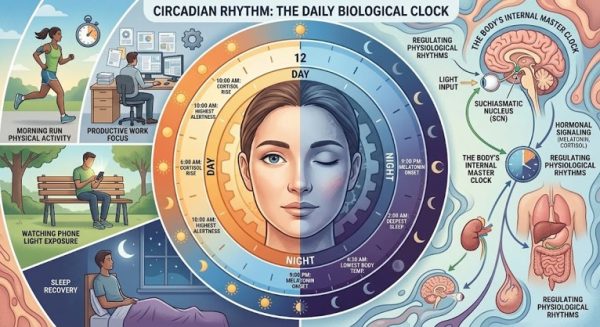
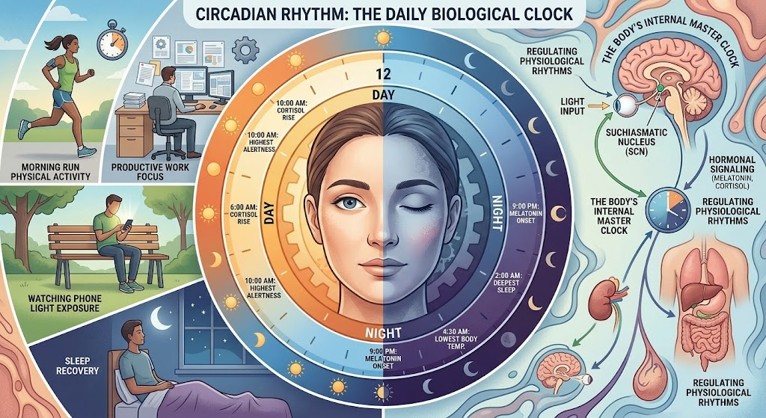
Are you familiar with the word Circadian Rhythm? Circadian rhythm is our body’s internal 24-hour clock. It regulates far more than just sleep. It influences hormone release, body temperature, digestion, metabolism, blood pressure, mental alertness, and even immune function.
This internal clock relies on consistent daily cues, especially light and darkness, to stay properly timed. When those cues become irregular because of inconsistent sleep, night shift work, jet lag, late night screen use, or unpredictable eating patterns it results in irregular circadian rhythm and it will fall out of sync. Over time, this misalignment has been linked to issues with metabolism, heart health, mood, immunity, and sleep quality.
Our daily habits play a major role in keeping body clock aligned. Below are eight research backed strategies to support a healthy circadian rhythm.
8 Ways to support a healthy circadian rhythm:
1. Keep a consistent sleep schedule: Go to bed and wake up at roughly the same time every day including weekends. Consistency is one of the most powerful tools for keeping your internal clock stable. For optimal health most adults need 7–9 hours of sleep per night.
2. Get morning sunlight: Natural light exposure shortly after waking is one of the strongest signals our brain uses to set its daily clock. Even a short walk in the morning can help anchor circadian rhythm and improve alertness throughout the day.
3. Reduce bright light at night: Bright artificial light from phones, laptops, and TVs also known as blue lights can trick the brain into thinking it is still daytime and it could delay release of sleep-promoting hormones. In the evening, try to dim household lightning, cut back on the screen time, avoid using phone before going to sleep and keep the bedroom dark.
4. Keep meal times consistent: Circadian system does not just control sleep. It also affects how our body processes food. Eating on a relatively predictable schedule, and avoiding regular late night meals, can support overall circadian alignment and metabolic health.
5. Exercise regularly: Physical activities supports both sleep quality and circadian health. Morning or daytime workouts tend to work best for reinforcing the body clock. Exercising later in the day is generally fine as long as it does not interfere with falling asleep.
6. Limit caffeine intake: Caffeine can stay active in our system for several hours. If you struggle with sleep, try cutting off caffeine intake in the afternoon and evening to avoid disrupting your natural sleep cycle.
7. Be mindful of alcohol: Drinking alcohol initially can cause drowsiness, however it often disrupts sleep quality at night with fragmented sleep and rest. Body could heat
8. Build a predictable daily routine: A simple daily rhythm should be easy to follow. Wake up morning, get sunlight, move around, have breakfast, get to work, have regular meals, get does of physical activity. Evening reduce use of blue light, have early dinner, sleep in dark, quiet and at comfortable temperature.
Why circadian health matters? Every sleep issue is not due to circadian rhythm disorder. Our lifestyle including sleep quality and diet has impact on our daily sleep. However, a prolonged disruption to circadian rhythm has been associated with problems affecting metabolism, cardiovascular health, mood, immune function, and sleep.
Our body has a built in internal clock, and our daily habits help keep it running on time. A regular sleep schedule, morning sunlight, daytime movement, consistent meal timing, and reduced light exposure at night can all help keep your circadian rhythm aligned resulting in better sleep, steadier energy, and long term health.
Image credit: Image created using Gemini, on 26-8-2026
Author: HealthyLife | Posted on: August 27, 2026
« Previous Article
Next Article »
« Health Tips To Follow During An Outbreak Anemia in Adults: Symptoms, Treatments, and Prevention Tips »
« Health Tips To Follow During An Outbreak Anemia in Adults: Symptoms, Treatments, and Prevention Tips »













One Comment on “Is Your Body Clock Out of Sync? Tips To Fix Your Circadian Rhythms”
This is an informative article about the importance of maintaining a healthy circadian rhythm. An irregular body clock can affect sleep quality, energy levels, mood, and overall daily functioning. I particularly like the practical suggestions for supporting a more consistent sleep-wake schedule, such as getting natural light during the day, maintaining regular sleep times, and limiting excessive screen exposure at night. Small, consistent lifestyle changes can make a meaningful difference in improving sleep habits.
Write a comment