





 Fusion
Anemia in Adults: Symptoms, Treatments, and Prevention Tips
Do you often feel tired, weak, or dizzy even after getting enough sleep? While these symptoms can have many causes, they may sometimes indicate anemia. Anemia is a condition in which the body does not have enough healthy red blood cells or hemoglobin to carry adequate oxygen to its tissues.
Although iron deficiency is a common cause of anemia, a lack of vitamin B12 or folate, blood loss, chronic illnesses, and certain inherited conditions can also contribute to the problem. Recognizing the symptoms early and identifying the underlying cause can help adults receive appropriate treatment and prevent complications.
What causes anemia in adults? Anemia can develop when the body does not produce enough red blood cells, loses blood, or destroys red blood cells faster than it can replace them.
Common causes include:
- Iron deficiency: Insufficient iron can prevent the body from producing enough hemoglobin. This may result from a poor diet, heavy menstrual bleeding, or blood loss from the digestive tract.
- Vitamin B12 deficiency: Vitamin B12 is essential for healthy red blood cell production. Deficiency may occur because of inadequate dietary intake or problems absorbing the vitamin.
- Folate deficiency: Folate, also known as vitamin B9, helps the body produce healthy red blood cells.
- Chronic health conditions: kidney disease, inflammatory disorders, and some cancers can affect red blood cell production.
- Inherited blood disorders: Conditions such as sickle cell disease and thalassemia can cause anemia.
- Blood loss: Heavy periods, gastrointestinal bleeding, ulcers, injuries, or surgery may lead to anemia.
Understanding the cause is essential because different types of anemia require different treatments.
Common symptoms of anemia in adults: Symptoms can vary depending on the severity of anemia and how quickly it develops. Some people with mild anemia may not notice any symptoms initially.
Watch for these common warning signs:
- Persistent tiredness: Feeling exhausted or lacking energy despite adequate rest.
- Weakness: Difficulty completing everyday activities or exercising as usual.
- Pale skin: Skin, lips, or the inner eyelids may appear paler than usual.
- Shortness of breath: Breathlessness during physical activity or, in more severe cases, at rest.
- Dizziness or lightheadedness: Feeling faint, particularly when standing up.
- Headaches: Frequent headaches or difficulty concentrating.
- Rapid heartbeat or palpitations: The heart may beat faster to compensate for reduced oxygen delivery.
- Cold hands and feet: Reduced oxygen delivery can contribute to feeling unusually cold.
- Brittle nails or unusual cravings: Iron deficiency may cause brittle nails or cravings for non-food substances, such as ice.
Vitamin B12 deficiency can also cause tingling or numbness in the hands and feet. These symptoms should not be ignored, as prolonged B12 deficiency may lead to nerve damage.
How is anemia diagnosed? If you experience persistent fatigue, dizziness, or other possible symptoms, consult a healthcare professional. Anemia cannot be reliably diagnosed based on symptoms alone.
A complete blood count (CBC) is commonly used to measure hemoglobin and assess red blood cells. Depending on the results and medical history, additional tests may include:
- Ferritin and other iron studies to assess iron stores.
- Vitamin B12 and folate blood tests.
- Reticulocyte count to assess the production of new red blood cells.
- Tests to investigate possible blood loss or underlying medical conditions.
For some adults, particularly men and postmenopausal women with iron-deficiency anemia, investigating possible gastrointestinal blood loss is especially important.
Treatment options for anemia: Treatment depends on the type of anemia, its severity, and the underlying cause.
1. Iron supplements: Iron supplements are commonly prescribed for confirmed iron-deficiency anemia. Treatment may take several weeks or months, and healthcare professionals may recommend continuing supplementation after hemoglobin improves to replenish iron stores. Do not take iron supplements without appropriate medical advice. Excess iron can be harmful, and iron supplements will not correct anemia caused by every other condition.
2. Vitamin B12 and folate supplements: When anemia results from a vitamin deficiency, supplements or injections may be recommended. People with absorption problems may require specific treatment or long-term supplementation.
3. Treating the underlying cause: If anemia is associated with heavy menstrual bleeding, gastrointestinal bleeding, kidney disease, or another medical condition, treating that problem is an important part of recovery.
4. Other medical treatments: Some people with severe anemia or particular blood disorders may require medications that stimulate red blood cell production, specialist treatment, or a blood transfusion. These treatments are not necessary for every person with anemia.
Prevention tips: how to support healthy blood levels: Not all forms of anemia can be prevented, but healthy eating habits and timely medical care can reduce the risk of some types.
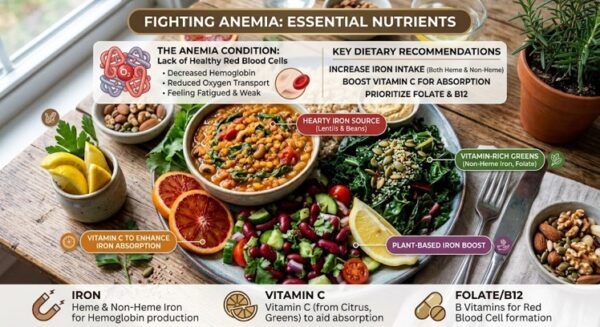
Eat iron-rich foods:
Include a variety of iron-containing foods in your meals, such as:
- Lentils, chickpeas, beans, and peas.
- Spinach and other dark green leafy vegetables.
- Tofu and iron-fortified cereals.
- Meat, poultry, and seafood, if part of your diet.
- Nuts, seeds, and dried fruits.
Plant-based iron is generally less readily absorbed than iron from animal foods, so combining plant sources with vitamin C-rich foods can be helpful.
Add vitamin C to your meals: Vitamin C helps the body absorb iron from plant foods. Pair beans, lentils, or leafy greens with tomatoes, bell peppers, citrus fruits, guava, or strawberries.
Get enough vitamin B12 and folate: Vitamin B12 is found naturally in foods such as fish, meat, eggs, dairy products, and some fortified foods. People following vegan diets may need fortified foods or a B12 supplement Folate is found in leafy greens, legumes, citrus fruits, and fortified grains.
Address unusual or ongoing bleeding: Seek medical advice for unusually heavy menstrual periods, blood in the stool, or persistent digestive symptoms.
Schedule appropriate health checkups: People with ongoing symptoms, chronic illnesses, a history of anemia, or known nutritional deficiencies may need periodic blood tests.
Tips to help your body absorb iron:
- Combine iron with vitamin C: Add lemon juice to lentils, eat guava with a meal, or include tomatoes and bell peppers in bean dishes.
- Time tea and coffee thoughtfully: Tea and coffee can reduce iron absorption when consumed with meals. If you have low iron, try drinking them between meals.
- Eat a varied diet: Include legumes, vegetables, fortified grains, and appropriate sources of vitamin B12.
- Plan vegetarian meals carefully: People following vegan diets may need vitamin B12-fortified foods or supplements, depending on their intake and ability to absorb the vitamin
When to seek medical help? Arrange a medical appointment if you experience persistent fatigue, unexplained weakness, dizziness, or symptoms that may indicate anemia. Seek urgent medical attention for chest pain, severe shortness of breath, fainting, significant bleeding, or black, tarry stools. These symptoms may indicate a serious condition and should not be managed through dietary changes alone.
A balanced diet rich in iron, vitamin B12, folate, and other essential nutrients can support healthy red blood cell production. However, diet alone may not correct anemia caused by blood loss, poor nutrient absorption, chronic disease, or inherited conditions. Early diagnosis, appropriate treatment, and regular follow-up can help adults protect their health and maintain their energy levels.
Image credit: Created using AI Gemini on 10-15-2026
Author: Sumana Rao | Posted on: October 16, 2026











Write a comment