






 Fusion

Health Tips To Follow During An Outbreak
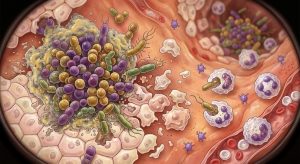
An outbreak is the sudden occurrence of more cases of a disease than normally expected in a particular place, group of people, or time period. Outbreaks can involve infectious diseases, foodborne illnesses, or illnesses caused by contaminated water, chemicals, or environmental exposure. Outbreak is a sudden increase in disease cases in a limited area or among a specific group.
For example, if a few people in different states in USA became sick after eating the same contaminated lettuce, health officials may identify it as a foodborne disease outbreak. Although foodborne outbreaks such as Cyclospora cannot always be prevented, following good food safety and hygiene practices can significantly reduce your risk of infection.
How to take care of any outbreaks?
1. Wash fresh produce thoroughly:
Rinse fruits and vegetables under clean running water before eating, even if they are pre-packaged. Scrub firm produce such as cucumbers and melons with a clean brush. While washing may not remove all Cyclospora parasites, it helps reduce dirt and other contaminants.
2. Practice good hand hygiene:
Wash your hands with soap and water for at least 20 seconds before preparing or eating food, after using the toilet, after changing diapers, and after handling raw foods.
3. Choose reputable food sources:
Eat at restaurants and purchase produce from businesses that follow proper food safety standards. During an active outbreak, follow public health advisories and avoid foods identified as the source of contamination.
4. Drink safe water:
Use clean, safe drinking water. When travelling to areas with poor sanitation, drink bottled or boiled water and avoid ice made from untreated water.
5. Keep your kitchen clean:
Wash cutting boards, knives, countertops, and utensils after preparing fresh produce or raw foods. Prevent cross-contamination by keeping ready-to-eat foods separate from raw ingredients.
6. Watch for symptoms:
Infections like Cyclospora usually appears 2 to 14 days after consuming contaminated food. Common symptoms include:
- Prolonged watery diarrhea
- Stomach cramps
- Nausea and vomiting
- Fatigue
- Loss of appetite
- Weight loss
- Low to high fever
7. Stay hydrated:
If diarrhea develops, drink plenty of fluids or oral rehydration solutions to prevent dehydration. Avoid sugary drinks and alcohol, which can worsen dehydration.
8. Seek medical care promptly:
Persistent diarrhea lasting more than a few days, especially with severe weakness or dehydration, should be evaluated by a healthcare provider. Most infections are usually treated with prescription antibiotics and should not be managed with self-medication alone.
9. Be extra careful if you’re at higher risk:
Young children, older adults, pregnant women, and people with weakened immune systems should be especially cautious about consuming raw salads and fresh produce during a reported outbreak.
10. Stay updated on food recalls:
An outbreak is the unexpected spread of a disease or illness among a group of people in a particular place or over a short period, often prompting health authorities to investigate and take measures to stop further spread. Monitor the announcements from your country’s food safety authority for recalls or outbreak alerts. If you have purchased or consumed a recalled product, discard it immediately and clean any surfaces it touched.
If symptoms develop after eating contaminated food, seek medical attention early to receive appropriate treatment and prevent complications.
Image credit: Created using Gemini AI on 19-7-2026 at 10:37 pm
Author: Sumana Rao | Posted on: July 21, 2026
« Previous Article
Next Article »
« KISS: Keep It Simple And Safe With Exercise Is Your Body Clock Out of Sync? Tips To Fix Your Circadian Rhythms »
« KISS: Keep It Simple And Safe With Exercise Is Your Body Clock Out of Sync? Tips To Fix Your Circadian Rhythms »












Write a comment